Non Piercing Clitoral Jewelry: An Expert Guide to Safety and Fit
Explore the biomechanics, material safety, and clinical risks of non piercing clitoral jewelry. An expert guide to tension, suction, and mucosal health.

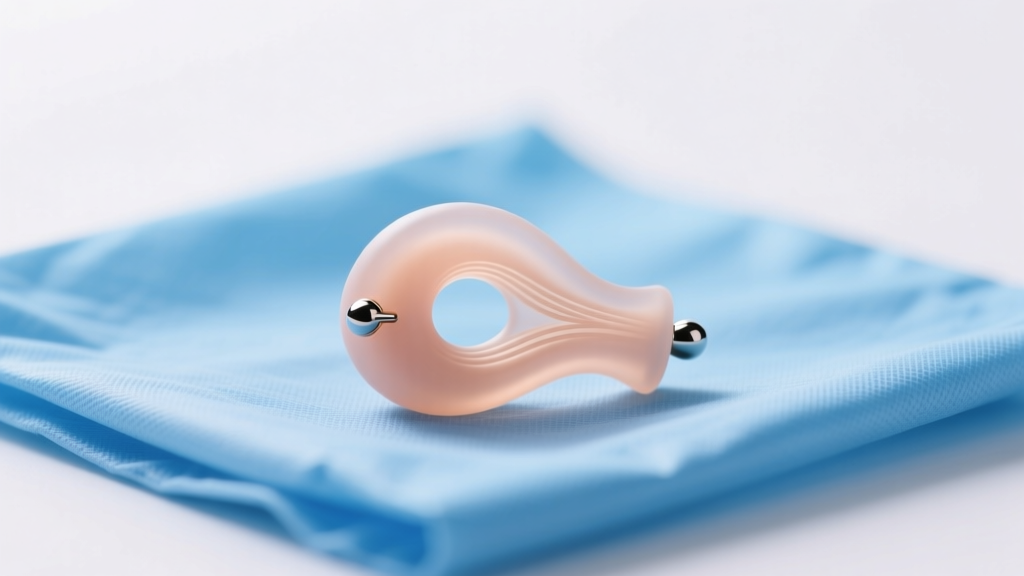
The landscape of intimate adornment has expanded significantly, offering alternatives for those who desire aesthetic and sensory enhancement without the commitment or anatomical requirements of a permanent piercing. Non piercing clitoral jewelry encompasses a highly specialized category of body modification accessories designed to interact with the clitoral glans, prepuce, and surrounding vulvar tissue through temporary mechanical or magnetic attachment. However, because this region is densely innervated and highly vascular, the engineering and material science behind these pieces demand rigorous scrutiny.
As a domain expert in intimate jewelry mechanics, I frequently evaluate these devices not just for their visual appeal, but for their biomechanical safety. The clitoral glans contains over 8,000 sensory nerve endings, making it the most sensitive erogenous zone in the human body. According to anatomical guidelines published by the International Society for Sexual Medicine (ISSM), any device applying pressure to this area must account for delicate vascular networks and the dorsal nerve of the clitoris. This guide provides a deep technical dive into the mechanisms, materials, and clinical risks associated with non-piercing intimate jewelry.
The Biomechanics of Intimate Adornment
Unlike traditional piercings that rely on a healed fistula (tissue tunnel) to bear the weight and movement of jewelry, non-piercing alternatives must rely on external forces to remain in place. This creates a unique biomechanical challenge: the device must exert enough force to resist displacement during movement or sexual activity, but not so much force that it restricts blood flow or compresses nerves.
Understanding Capillary Perfusion Pressure
The primary limiting factor in non-piercing jewelry design is capillary perfusion pressure, which typically ranges between 25 and 30 mmHg in healthy tissue. If a tension ring or magnetic clasp exerts a compressive force exceeding this threshold, venous return is restricted first, followed by arterial inflow. This leads to localized ischemia (oxygen deprivation). Prolonged ischemia in mucosal tissue can result in necrosis within a matter of hours, making the calibration of attachment mechanisms a critical safety parameter.
Attachment Mechanisms Evaluated
Manufacturers currently utilize three primary mechanisms to secure non piercing clitoral jewelry. Each has distinct mechanical properties, failure modes, and safety profiles.
1. Spring-Tension and Clamping Rings
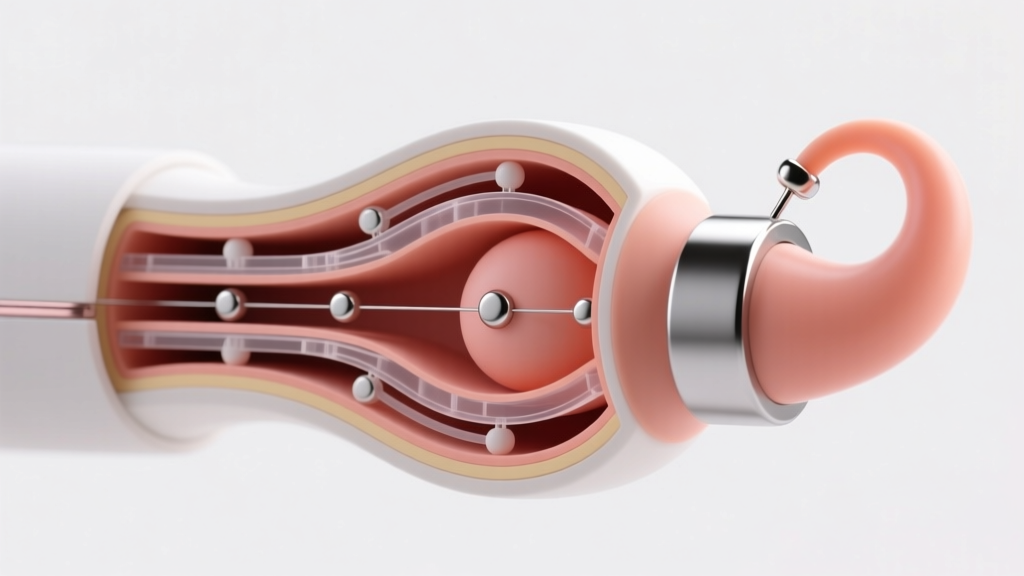
These devices mimic the look of captive bead rings or segment rings but feature a hidden, flexible internal band—often made of spring steel or Nitinol (nickel-titanium alloy)—encased in medical-grade silicone. The ring is expanded to fit over the clitoral hood or glans and relies on radial inward force to stay in place. While aesthetically pleasing, the inward radial force is difficult to standardize. If the resting diameter of the ring is too small relative to the wearer's anatomy, the continuous compressive load can quickly induce ischemia.
2. Negative Pressure (Suction) Shields
Suction-based jewelry utilizes soft, USP Class VI silicone cups that create a vacuum seal against the clitoral prepuce or glans. These are generally the safest from a compressive standpoint, as they do not crush tissue. However, their failure mode is detachment. The vacuum seal is easily broken by natural lubrication, sweat, or friction, making them better suited for short-term, low-activity wear. High-quality suction shields typically retail between $45 and $85.
3. Magnetic Compression
Magnetic jewelry uses two neodymium magnets placed on opposite sides of the clitoral hood, attracting each other to hold a decorative face in place. The danger here lies in the magnetic grade. N52 neodymium magnets possess a pull force that far exceeds safe capillary perfusion limits, guaranteeing tissue damage if worn for more than a few minutes. Safer designs utilize lower-grade N35 magnets encased in thick silicone buffers to distribute the load and reduce the peak compressive PSI.
Material Science and Mucosal Compatibility
The vulvar environment is warm, moist, and subject to fluctuating pH levels. Mucosal tissue is significantly more permeable than keratinized skin, meaning it absorbs heavy metals and chemical irritants much more readily. The Association of Professional Piercers (APP) maintains strict material standards for fresh piercings, and these same standards must be applied to non-piercing mucosal contact.
| Material Grade | Mucosal Safety Profile | Biomechanical Use Case | Clinical Risks |
|---|---|---|---|
| ASTM F136 Titanium | Excellent (Inert) | Decorative faces, rigid tension bands | None if mirror-polished |
| USP Class VI Silicone | Excellent (Flexible) | Suction cups, magnetic casings, friction buffers | Bacterial harboring if porous/scratched |
| 316L Surgical Steel | Poor for Mucosa | Internal springs (must be fully encapsulated) | Nickel leaching, allergic contact dermatitis |
| Sterling Silver (925) | Highly Unsafe | Decorative elements | Argyria, severe oxidation, tissue staining |
Avoid any non piercing clitoral jewelry that exposes raw 316L stainless steel or silver to the mucosa. According to dermatological data from the National Center for Biotechnology Information (NCBI), nickel and silver sulfides are potent sensitizers that can trigger severe allergic contact dermatitis, leading to blistering and localized swelling in the highly sensitive genital region.
Clinical Risks: Ischemia and Neuropathy
The most severe complication associated with tension-based non-piercing jewelry is ischemic necrosis. When a ring is too tight, it acts as a tourniquet. The initial symptom is not pain, but a dull numbness or tingling—a sign that the dorsal nerve is being compressed and microvascular circulation has ceased.
Expert Warning: Never sleep while wearing tension-based or magnetic non-piercing clitoral jewelry. Nocturnal vasocongestion (natural swelling during sleep cycles) can increase clitoral volume by up to 200%, rapidly turning a comfortably fitted ring into a dangerous ischemic band. Always perform a capillary refill test: press the tissue adjacent to the jewelry; it should return to its normal pink color within 2 seconds.
If a wearer experiences coldness in the tissue, a bluish tint (cyanosis), or loss of sensation, the jewelry must be removed immediately. Custom-machined titanium tension rings with adjustable gaps (priced upwards of $150) are preferred over cheap, mass-produced spring clips because they allow for precise millimeter adjustments.
Sizing for Vasocongestion and Anatomical Variance
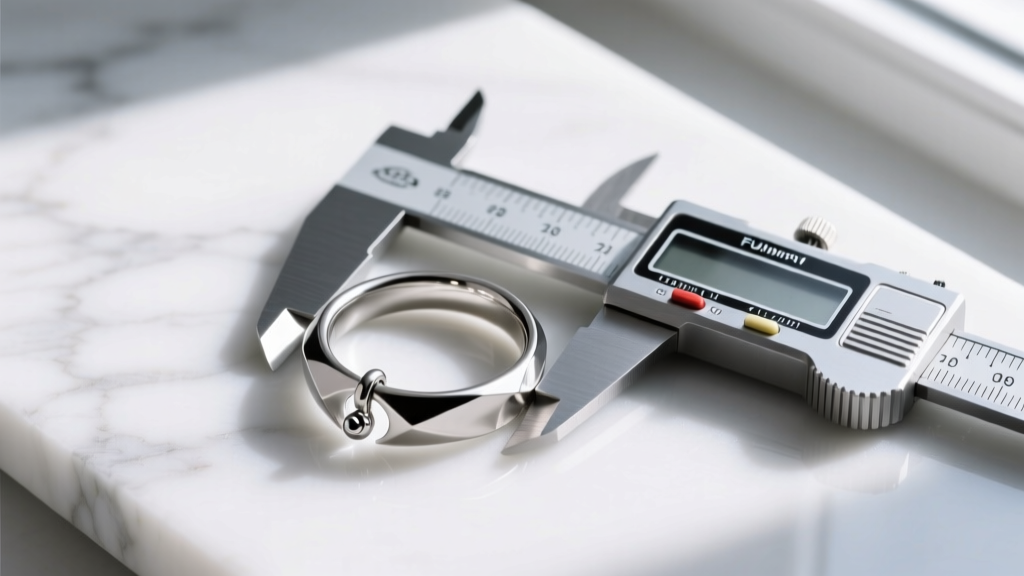
Sizing non piercing clitoral jewelry is notoriously difficult due to the vast anatomical variance in clitoral glans width, which typically ranges from 3mm to 10mm in a resting state. Furthermore, jewelry must accommodate vasocongestion (arousal-induced swelling).
- Resting Diameter Measurement: Use digital calipers to measure the width of the glans and the thickness of the prepuce hood. Do not use standard rulers.
- Engorgement Allowance: Add a minimum of 3mm to 5mm to the resting diameter when selecting a tension ring to accommodate blood flow during arousal.
- Thickness Equivalents: The band thickness of non-piercing rings usually equates to standard piercing gauges. Look for bands that are 1.6mm (14g) to 2.4mm (10g) thick. Anything thinner acts like a wire cheese-cutter on engorged tissue.
Sterilization and Hygiene Protocols
Because these devices are reused and exposed to mucosal secretions, rigorous hygiene protocols are non-negotiable. Porous materials or jewelry with intricate, unpolished crevices will harbor Staphylococcus aureus and Candida species.
Cleaning Protocol:
- Initial Wash: Wash with a mild, fragrance-free liquid antibacterial soap and warm water to remove organic debris.
- Thermal Sterilization: If the jewelry is 100% medical-grade silicone or solid ASTM F136 titanium (with no internal steel springs or magnets), it can be submerged in boiling water for 10 minutes.
- Chemical Disinfection: For pieces containing internal springs or neodymium magnets that cannot be boiled, soak in a 2% chlorhexidine gluconate solution for 5 minutes, followed by a thorough rinse with sterile saline.
- Drying: Air dry completely on a clean paper towel. Moisture trapped against the skin under a silicone band will cause maceration and fungal overgrowth.
Final Verdict on Non Piercing Clitoral Jewelry
Non piercing clitoral jewelry represents a fascinating intersection of aesthetic desire and biomechanical engineering. When designed with anatomical realities in mind—utilizing USP Class VI silicone, mirror-polished ASTM F136 titanium, and carefully calibrated tension limits—these pieces can offer safe, temporary enhancement. However, the burden of safety falls heavily on the wearer. Understanding the signs of ischemia, respecting the permeability of mucosal tissue, and strictly adhering to sizing and hygiene protocols are the only ways to mitigate the inherent risks of compressive intimate adornment. Always prioritize vascular health over aesthetic permanence.


