Is Tulsa Body Jewelry Worth It? 2026 Value Review
Is Tulsa Body Jewelry worth your money in 2026? We break down their ASTM titanium grades, pricing tiers, and overall value for fresh and healed piercings.

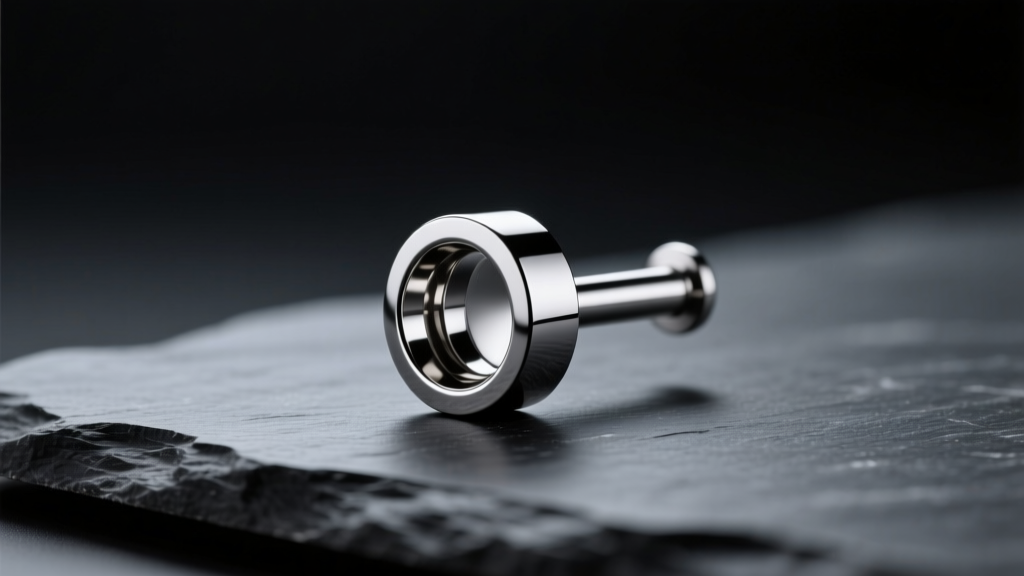
In the rapidly evolving landscape of online body modification retail, finding the sweet spot between affordability and biological safety is a constant challenge for piercing enthusiasts. As we navigate the 2026 market, budget-friendly retailers like Tulsa Body Jewelry frequently appear in search results and social media recommendations. But when it comes to jewelry that will reside inside your flesh for months or years, cutting corners can lead to severe complications, including rejection, scarring, and chronic irritation.
This comprehensive value assessment dives deep into the metallurgy, manufacturing tolerances, and pricing structures of Tulsa Body Jewelry. Whether you are stocking up on basic 14g (1.6mm) titanium labrets for a fresh vertical lip piercing or looking for an affordable 16g (1.2mm) clicker for a healed daith, understanding what you are actually paying for is critical. We will evaluate their offerings against the strict guidelines set by the Association of Professional Piercers (APP) to determine if their budget-friendly price tags represent genuine value or a hidden biological tax.
Material Integrity: What Are You Actually Buying?
The foundation of any body jewelry assessment is the base metal. The human body is a highly corrosive environment, and the immune system will aggressively attack materials that leach heavy metals or contain nickel impurities. Tulsa Body Jewelry offers a wide catalog spanning surgical steel, acrylic, and titanium, but their value proposition hinges entirely on their implant-grade titanium lines.
The ASTM F-136 Standard vs. Generic Titanium
True implant-grade titanium must meet the ASTM F-136 standard (Ti 6Al-4V ELI). This specific alloy is favored in the medical community for orthopedic and cardiovascular implants because of its exceptional biocompatibility and corrosion resistance. According to FDA guidance on implantable devices, the trace element composition must be strictly controlled. Tulsa Body Jewelry advertises ASTM F-136 titanium for their premium lines, which is the minimum acceptable standard for fresh piercings.
However, budget retailers sometimes mix 'commercial pure' titanium or lower-grade alloys into their secondary product lines. When purchasing from Tulsa, it is vital to filter specifically for their F-136 verified collections. While their basic surgical steel (ASTM F-138) is acceptable for fully healed, non-sensitive piercings like standard earlobes, it contains trace nickel and should never be used in fresh cartilage or oral piercings.
The Hidden Cost of Surface Finishing
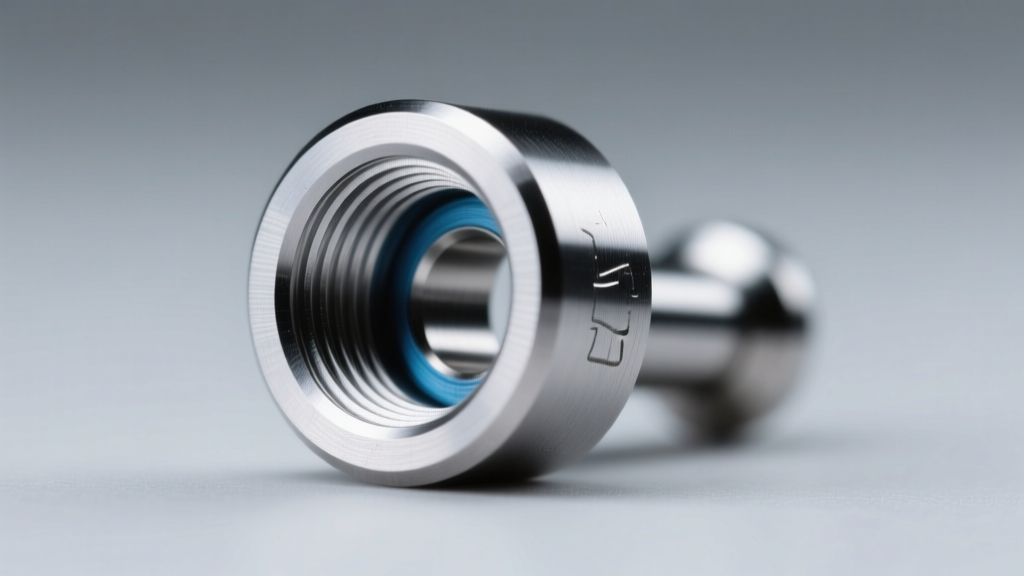
One area where budget brands historically struggle—and where Tulsa Body Jewelry shows a mixed track record—is the surface finish of the metal. A true mirror polish is not just about aesthetics; it is a biological necessity. Microscopic scratches on the surface of a labret post or barbell can harbor bacteria, trap dead skin cells, and disrupt the delicate migration of fibroblasts during the healing process.
High-end manufacturers like BVLA or Anatometal invest heavily in automated polishing processes that achieve a near-zero surface roughness (Ra value). In contrast, some mid-tier and budget options from Tulsa can exhibit a slightly matte or 'brushed' finish under high magnification. While this may not affect a fully healed earlobe, inserting a poorly polished post into a fresh 12g (2.0mm) industrial piercing can cause micro-tears in the fistula, leading to hypertrophic scarring or prolonged healing times. If you purchase basic titanium posts from Tulsa for a fresh piercing, inspecting the post under a jeweler's loupe before insertion is a highly recommended quality control step.
Pricing Tiers & Value Comparison
To truly assess the value of Tulsa Body Jewelry, we must contextualize their pricing against the broader market. Below is a comparative breakdown of standard flat-back labret studs (14g, 8mm length) across different retail tiers in 2026.
| Retail Tier | Material Guarantee | Avg. Price (Basic) | Threading Type | APP Compliance |
|---|---|---|---|---|
| Premium (BVLA, Anatometal) | Verified ASTM F-136 | $32.00 - $45.00 | Internal / Threadless | Strictly Compliant |
| Mid-Tier (Tulsa Body Jewelry) | Advertised F-136 | $9.00 - $16.00 | Internal / External | Variable by Item |
| Budget (Amazon, Mall Kiosks) | Unverified 'Surgical' | $3.00 - $7.00 | External Only | Non-Compliant |
As the data illustrates, Tulsa occupies a distinct middle ground. You are paying roughly 60% less than premium boutique brands, but significantly more than the dangerous, unverified metal sold on mass-market e-commerce platforms. For healed piercings where you want to experiment with different anodized colors or basic gemstone settings without spending $50 per piece, this pricing structure offers undeniable financial value.
Common Failure Modes & Quality Control
No budget brand is without its manufacturing inconsistencies. When evaluating the long-term value of Tulsa Body Jewelry, professional piercers and seasoned collectors note a few specific failure modes that buyers should be aware of.
Threading Tolerances and Wobble
Internal threading—where the screw is on the ball and the post is tapped with a receiving hole—is the gold standard for body jewelry because it prevents the sharp threads from tearing the fistula during insertion. Tulsa offers a robust selection of internally threaded titanium jewelry. However, budget manufacturing often results in wider machining tolerances. This can manifest as a slight 'wobble' between the post and the decorative end. While not immediately dangerous, a loose fit can cause the jewelry to rotate excessively, which may irritate sensitive cartilage piercings like the rook or anti-tragus.
Gemstone Setting Durability
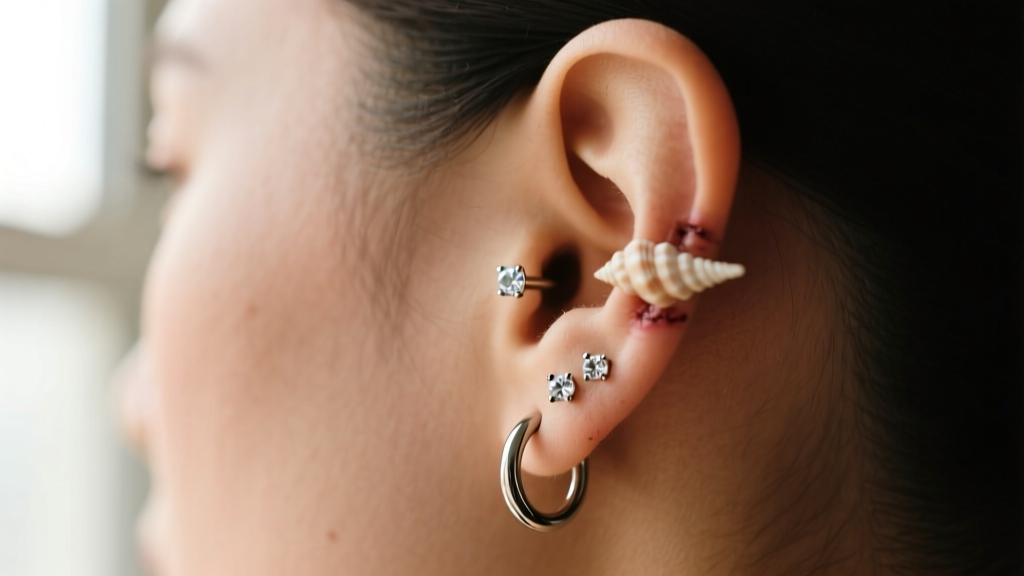
If you are purchasing prong-set or bezel-set gemstones from budget retailers, expect a higher rate of stone loss over time. High-end brands use precision CNC machining and hand-setting to ensure stones are locked securely. Budget clickers and segment rings often rely on machine-pressed bezels. While a Tulsa titanium clicker hoop for a healed conch or septum piercing looks brilliant on day one, the cubic zirconia stones may loosen after a few months of daily wear, exposure to shower steam, and friction from clothing. For permanent, high-impact placements, investing in premium brands is wiser; for seasonal or rotational jewelry, Tulsa's pricing easily justifies the occasional lost stone.
The Verdict: When to Buy and When to Pass
So, is Tulsa Body Jewelry worth your hard-earned money in 2026? The answer depends entirely on the status of your piercing and your anatomical sensitivity.
- Buy for Healed Piercings: If you have a fully matured fistula (typically 6 to 12 months post-piercing) and want to build a diverse collection of anodized titanium, basic opalites cabochons, or seamless rings, Tulsa offers exceptional budget value. Their ASTM F-136 lines are perfectly safe for long-term wear in healed tissue.
- Pass on Fresh Piercings: For a brand new piercing, the initial jewelry dictates the trajectory of your healing. Due to potential variances in mirror polishing and threading tolerances, it is highly recommended to spend the extra capital on premium, APP-verified boutique brands for your initial insertion. Once the piercing is stable, you can safely downgrade to budget-friendly options for your first downsizing.
- Always Verify the Alloy: Never assume all items in a retailer's cart are equal. Always read the specific product description to confirm the jewelry is ASTM F-136 titanium or ASTM F-138 steel, avoiding any items labeled merely as 'surgical alloy' or 'titanium plated'.
Ultimately, Tulsa Body Jewelry serves as a highly accessible gateway for collectors who want safe, nickel-free metals without the boutique markup. By understanding the limitations of budget manufacturing and applying strict personal quality control, you can safely curate a stunning, biocompatible jewelry collection that respects both your body and your wallet.


