The Ultimate Guide to Alpaca Mexico Earrings for Beginners
Discover everything about alpaca Mexico earrings. Learn about this affordable silver alloy, nickel allergy risks, care tips, and how to style them.

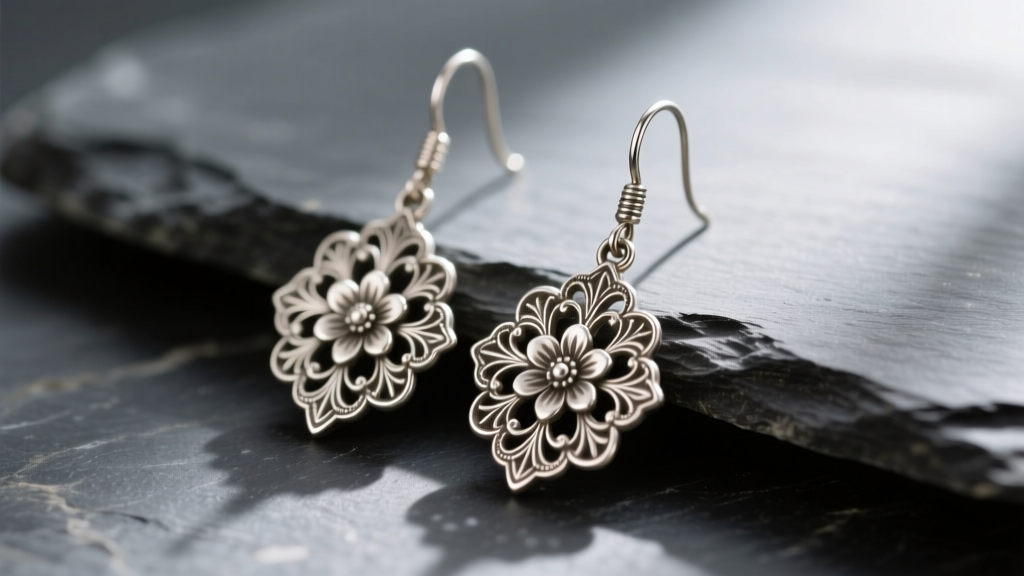
If you have ever browsed a vintage market, explored the artisan stalls of Taxco, or shopped for affordable alternative metals online, you have likely encountered the term 'alpaca silver.' For beginners diving into the world of Mexican jewelry, alpaca Mexico earrings offer a fascinating intersection of rich cultural history, intricate craftsmanship, and budget-friendly pricing. However, the name itself is one of the jewelry industry's most enduring misnomers. Alpaca silver contains absolutely no silver, nor does it have any connection to the fluffy Andean mammal.
As of 2026, the vintage and artisan jewelry market continues to see a surge in interest for authentic mid-century Mexican pieces. Understanding the metallurgical reality of alpaca is crucial before you insert these earrings into your freshly pierced lobes or curated cartilage setups. This comprehensive guide will break down the exact alloy composition, navigate the complexities of nickel allergies, and teach you the science behind cleaning copper-based alloys without ruining them.
What Exactly is Alpaca Silver?
Alpaca, also known globally as German silver or nickel silver, is a base metal alloy. According to metallurgical standards documented by the Gemological Institute of America (GIA), traditional alpaca silver is composed of approximately 60% copper, 20% nickel, and 20% zinc. The addition of nickel gives the copper a bright, silvery-white luster that closely mimics the look of polished sterling silver, while the zinc adds structural rigidity.
In the context of Mexican jewelry, alpaca became highly prevalent in the 1930s and 1940s. Legendary architects and silversmiths like William Spratling helped establish Taxco as the silver capital of Mexico. While master artisans worked primarily in sterling silver (925), alpaca was frequently used for practice pieces, tourist-trade items, and by talented local artisans who lacked the capital to purchase precious metals. Today, vintage alpaca Mexico earrings are highly collectible, prized for their heavy gauge wirework and complex repousse techniques.
Metallurgical Breakdown: Alpaca vs. Sterling Silver
To understand how alpaca Mexico earrings will wear over time, it is essential to compare them directly to standard sterling silver. The behavioral differences in tarnish, weight, and skin reactivity are drastic.
| Property | Alpaca (Nickel Silver) | Sterling Silver (925) |
|---|---|---|
| Composition | 60% Cu, 20% Ni, 20% Zn | 92.5% Ag, 7.5% Cu |
| Precious Metal Status | Base Metal (No precious content) | Precious Metal Alloy |
| Tarnish Type | Copper Oxide (Green/Black) | Silver Sulfide (Yellow/Black) |
| Hypoallergenic | No (Contains Nickel) | Mostly (Copper allergy is rare) |
| Average Price (Artisan Dangles) | $25 - $85 USD | $90 - $350+ USD |
The Allergy Factor: Navigating Nickel Sensitivity
The most critical consideration for any beginner buying alpaca Mexico earrings is the nickel content. Nickel allergy is one of the most common contact allergies worldwide, affecting an estimated 10% to 20% of the population. When alpaca earrings are worn in standard lobe piercings (typically 20-gauge or 0.81mm, and 18-gauge or 1.02mm), the constant friction and exposure to bodily fluids can cause the nickel to leach, resulting in allergic contact dermatitis.
Symptoms include itching, redness, flaking, and in severe cases, weeping blisters around the piercing site. The American Academy of Dermatology strongly advises against wearing nickel-containing alloys in unhealed or sensitive piercings.
How to Mitigate Reactions and Wear Alpaca Safely
If you have mild sensitivity but love the aesthetic of vintage Mexican alpaca hoops or dangles, you can employ a few practical workarounds:
- The Polyurethane Barrier: Paint the earring posts or wires with a thin layer of clear, water-based polyurethane or specialized jewelry coating. This creates a physical barrier between the nickel and your skin. Reapply every few weeks.
- Opt for Clip-Ons or Ear Cuffs: Vintage alpaca Mexico earrings were frequently made as clip-ons. Wearing them on the outer cartilage or as ear cuffs minimizes prolonged friction against the sensitive inner tissue of a piercing.
- Post Replacement: For high-end artisan pieces, take the earrings to a professional jeweler and have the alpaca posts snipped off and replaced with implant-grade titanium (ASTM F136) posts via laser welding.
Authenticating Taxco and Mexican Alpaca Pieces
Because alpaca lacks the intrinsic melt value of sterling silver, it is rarely faked for financial gain. However, misattribution is common. Sellers often mistakenly (or deceptively) list alpaca as 'silver-plated' or 'sterling' to inflate prices. Here is how to authenticate true alpaca Mexico earrings:
Hallmarks and Stamps
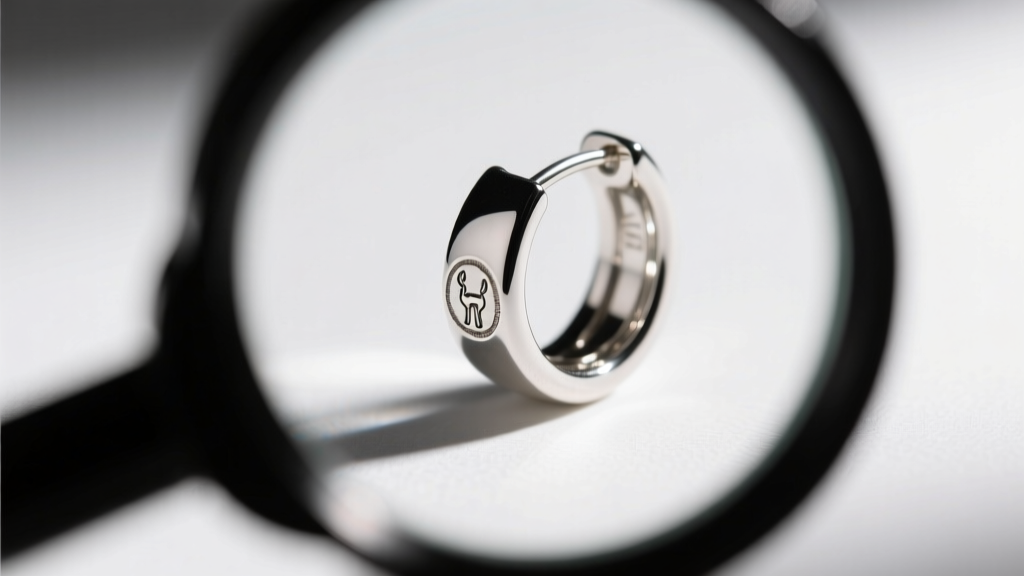
Genuine mid-century Mexican alpaca will often be stamped with 'ALPACA', 'ALP.', or 'MEXICO'. Unlike sterling silver, which is strictly regulated by the Mexican government's eagle assay marks, alpaca pieces rarely feature official government assay stamps. Instead, look for artisan maker marks or workshop numbers (e.g., 'TA-12').
The Weight and Sound Test
Alpaca is slightly less dense than sterling silver. When you gently tap a heavy alpaca bangle or a thick wire hoop against a glass surface, it produces a duller, lower-pitched 'clink' compared to the bright, high-pitched 'ping' of sterling silver. Furthermore, because alpaca is a harder alloy than sterling, vintage artisans could execute incredibly fine, rigid filigree work without the metal warping easily.
Maintenance, Patina, and Cleaning Protocols
This is where most beginners permanently damage their jewelry. The tarnish that forms on alpaca is fundamentally different from sterling silver tarnish. Sterling tarnishes due to sulfur in the air, creating silver sulfide. Alpaca tarnishes because the 60% copper content reacts with oxygen, moisture, and the acids in your skin, creating copper oxide (which appears as a dark brown, black, or verdigris green crust).
CRITICAL WARNING: Never use commercial liquid silver dips (like Tarn-X) or thiourea-based polishing cloths on alpaca Mexico earrings. These chemicals are designed to strip silver sulfide. When applied to copper-heavy alpaca, they will violently strip the copper, leaving behind a porous, dull, and permanently pitted gray surface.
Step-by-Step Copper Oxide Removal
To safely restore the bright, silvery shine to your alpaca earrings, you must use a mild acid to dissolve the copper oxide, followed by mechanical polishing.
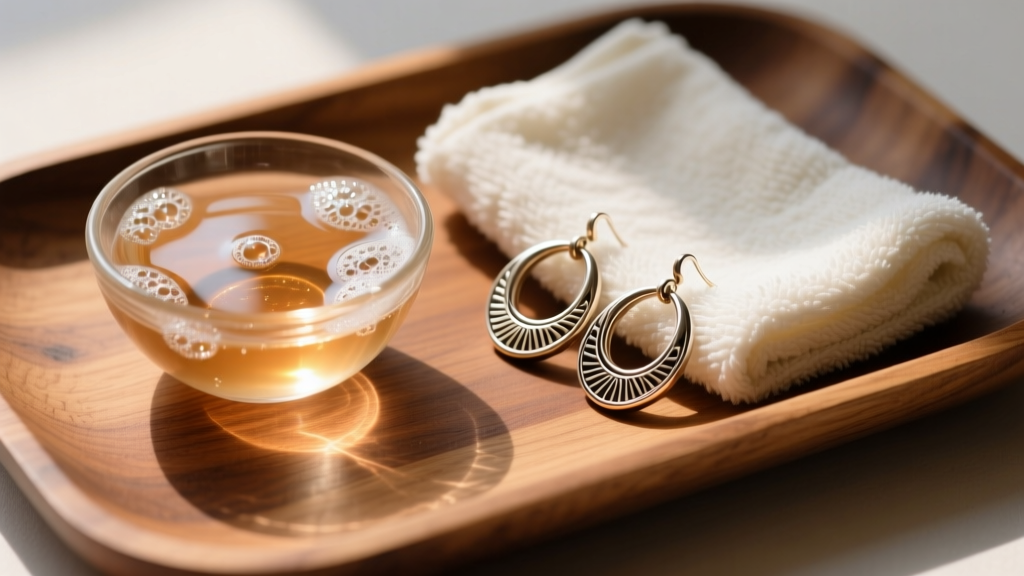
- The Acid Bath: Mix equal parts white vinegar and warm water, adding a teaspoon of non-iodized salt. Submerge the earrings for exactly 3 to 5 minutes. The mild acetic acid will dissolve the green and black oxidation.
- Neutralization: Remove the earrings and immediately rinse them under warm running water. Create a paste of baking soda and water, and gently rub it over the metal to neutralize any remaining acid. (Skipping this step will cause rapid re-tarnishing).
- Polishing: Dry the earrings thoroughly with a microfiber cloth. Use a gentle, non-chemically treated jeweler's rouge cloth to buff the surface to a high shine.
- Protection: Apply a very light coat of Renaissance Wax to seal the copper from ambient moisture, significantly slowing down future oxidation.
Pricing Guide: What Should You Pay?
When shopping for alpaca Mexico earrings in 2026, pricing is dictated by craftsmanship, age, and provenance rather than raw material value. Use this framework to ensure you are paying a fair market price:
- Mass-Produced Modern Studs & Small Hoops: $10 - $25. These are often imported and lack historical value.
- Vintage Artisan Dangles & Chandeliers (1940s-1970s): $45 - $120. Look for intricate repousse work, hand-hammered textures, and inlaid stones like turquoise or onyx.
- Signed Masterpieces (e.g., Spratling, Los Castillo, Margot de Taxco): $150 - $500+. While these masters primarily worked in sterling, their rare alpaca practice pieces or specific mixed-metal lines command a premium from serious collectors.
Final Thoughts for the Beginner Collector
Alpaca Mexico earrings represent a beautiful, accessible entry point into the rich heritage of Latin American metalwork. By understanding the metallurgical realities of the copper-nickel-zinc alloy, respecting the potential for nickel allergies, and utilizing the correct acid-based cleaning protocols, you can preserve these stunning pieces for decades. Whether you are wearing a pair of heavy, hand-hammered vintage hoops or a delicate pair of modern filigree drops, alpaca offers a brilliant, silvery aesthetic that punches far above its weight class in both style and history.


