How to Style Geometric Drop Earrings for Your Face Shape
Discover how to choose and style geometric drop earrings for your face shape. Learn about materials, weights, and lobe care.

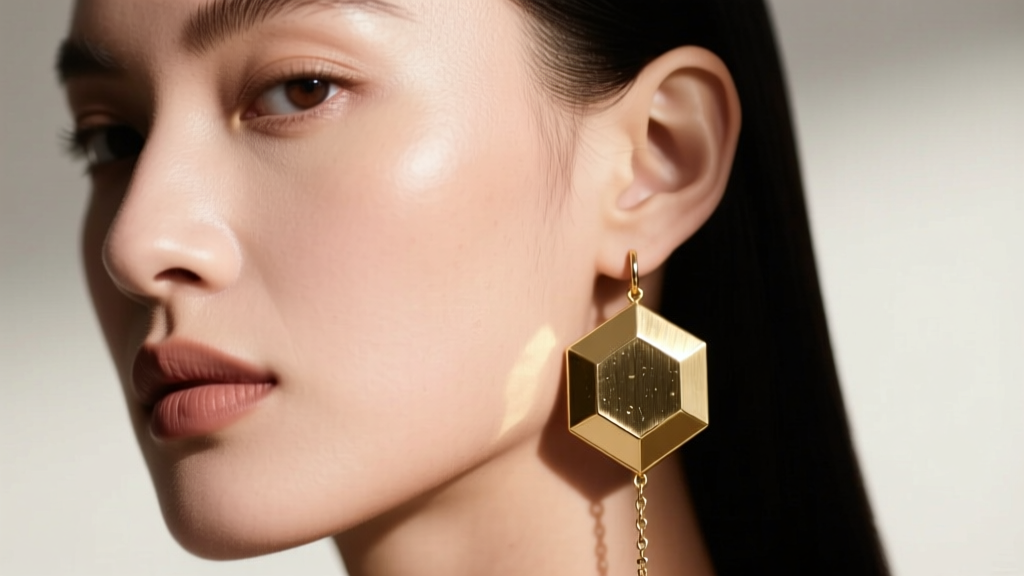
Geometric drop earrings have cemented their place as a staple in modern jewelry boxes. As we navigate the style landscape of 2026, the shift toward architectural, structured accessories continues to dominate both runway and everyday street style. Yet, for beginners, selecting the right pair involves much more than simply picking a shape that catches your eye. The interplay between the earring's geometry, your facial structure, and the physical weight of the metal can make or break your look—and your earlobe comfort.
This comprehensive guide will walk you through the anatomy of geometric drops, how to match them to your face shape, and the crucial material science you need to know before making a purchase.
The Anatomy of Geometric Drop Earrings
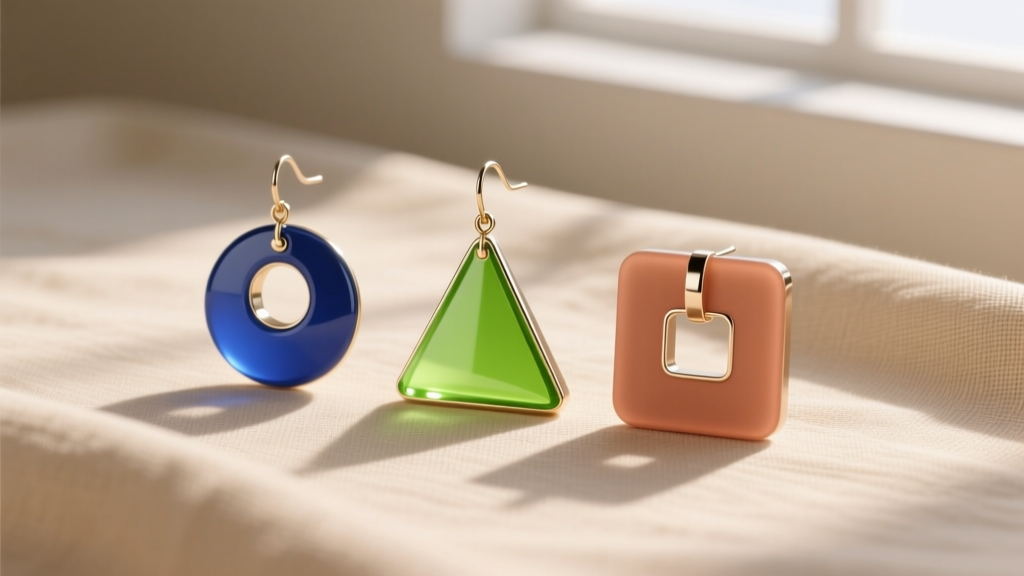
Before diving into styling, it is essential to understand what separates a "drop" earring from a "dangle." While dangle earrings feature multiple hinges that allow the piece to swing freely and articulate with your movements, drop earrings typically hang just below the earlobe and remain largely rigid. Geometric drops—featuring squares, triangles, hexagons, and circles—rely on clean lines and structural integrity.
Because they lack hinges, the center of gravity in a geometric drop is fixed. This rigid structure means the earring's visual impact is immediate and bold, but it also means that poor weight distribution can cause the dreaded "forward flop," where the earring pulls the earlobe down and angles awkwardly toward your neck.
The Face Shape Matrix: Matching Angles to Profiles
The most common mistake beginners make is choosing a geometric shape that mimics their natural face shape, which can exaggerate proportions rather than balance them. The goal of styling geometric drop earrings is to create optical illusions that soften harsh angles or add structure to soft curves.
| Face Shape | Ideal Geometric Drops | Shapes to Avoid | Styling Rationale |
|---|---|---|---|
| Round | Rectangles, elongated triangles, sharp hexagons | Circles, wide ovals, short squares | Sharp angles and vertical drops elongate the face, countering natural circular width. |
| Square | Circles, ovals, soft teardrop geometry | Squares, sharp triangles, harsh rectangles | Curved geometric drops soften a strong, angular jawline and prominent cheekbones. |
| Heart | Inverted triangles, bottom-heavy trapezoids | Top-heavy triangles, wide hoops | Adding visual weight at the bottom of the earring balances a narrower chin. |
| Long/Oval | Wide squares, clustered hexagons, short circles | Long, thin rectangles, extreme linear drops | Horizontal width and shorter drops prevent the face from looking overly drawn out. |
The Physics of the "Forward Flop" and Earlobe Strain
One of the most frequent complaints among beginners is that heavy geometric earrings refuse to sit flush against the ear. This is a physics issue, not a defect in your earlobes. When a solid brass or sterling silver square hangs below the lobe, its center of gravity pulls downward. If the post is too thin or the backing is too light, the earring pivots forward.
Understanding Gauge and Post Thickness
Standard earlobe piercings are typically done at 20-gauge (0.8mm) or 18-gauge (1.0mm). For lightweight studs, 20g is perfectly fine. However, for solid geometric drops, you should actively seek out 18-gauge or even 16-gauge (1.2mm) posts. A thicker post provides a wider fulcrum, reducing the pivot point and helping the earring sit upright.
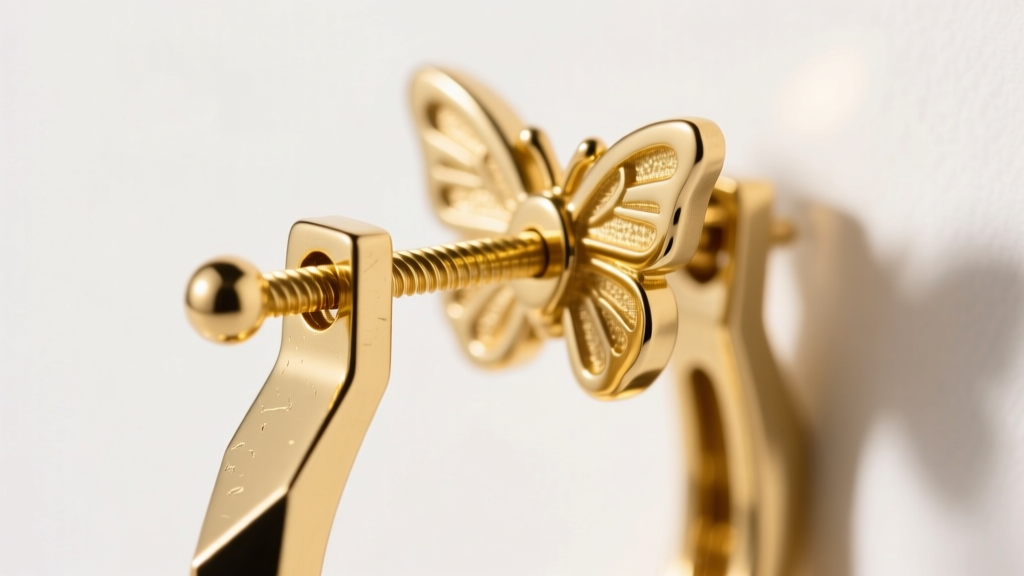
Furthermore, the backing matters immensely. Standard metal butterfly backs often slip down the post under the weight of a geometric drop. Upgrading to silicone friction backs or locking screw backs provides the necessary grip to keep the earring anchored against the lobe. For severe forward-flop issues, adhesive earring support patches (small, invisible stickers placed behind the lobe) can distribute the weight across a wider surface area of skin.
Expert Tip: If you are buying vintage or solid gold geometric drops, check if the design is hollowed out. Many fine jewelers use a technique called electroforming to create large, voluminous geometric shapes that are incredibly lightweight, completely bypassing the forward-flop issue while maintaining a massive visual footprint.
Material Weight and Skin Sensitivity
Not all geometric drop earrings are created equal, and the material dictates both the weight on your ear and the health of your piercing. According to Mayo Clinic's guidelines on piercing care, prolonged wear of heavy, reactive metals can lead to contact dermatitis and gradual stretching of the earlobe tissue.
- Solid Brass/Bronze: Very heavy and prone to oxidation (developing a dark patina). Can cause green discoloration on the skin if not sealed with a clear lacquer. Best for occasional, short-term wear.
- Sterling Silver (925): Moderate weight. Hypoallergenic for most, but soft enough that heavy geometric drops can bend the post if dropped or slept in.
- Titanium (Grade 23 / Ti6Al4V): The gold standard for sensitive ears. Incredibly lightweight and strong, making it ideal for large, oversized geometric shapes that won't drag the lobe down.
- Acrylic/Resin: Ultra-lightweight. Perfect for massive, avant-garde geometric drops. However, acrylic scratches easily and can harbor bacteria in micro-fissures if not cleaned properly.
Common Beginner Mistakes to Avoid
When building a collection of architectural earwear, avoid these common pitfalls that ruin both the jewelry and the piercing:
- Sleeping in rigid drops: Unlike small studs, geometric drops act as levers. Rolling over on them can bend the post or tear the earlobe. Always remove them before bed.
- Ignoring the FTC Metal Guidelines: The Federal Trade Commission Jewelry Guides strictly regulate how metals are labeled. Ensure that items marked "gold vermeil" actually have a sterling silver base and a minimum of 2.5 microns of gold plating, otherwise, you are overpaying for standard gold-plated brass that will quickly wear down to the base metal.
- Pairing with competing necklines: Geometric drops demand visual space. Avoid wearing them with heavily embellished collars, ruffled blouses, or chunky statement necklaces. A clean crew neck, turtleneck, or open V-neck allows the sharp lines of the earrings to stand out.
Navigating Price Tiers: Where to Invest
Understanding the market will help you allocate your budget effectively based on how often you plan to wear the pieces.
Fashion & Trend Tier ($15 - $45)
At this price point, you are looking at gold-plated brass, acrylic, or stainless steel. These are excellent for experimenting with extreme shapes (like oversized asymmetrical squares) without a major financial commitment. Expect the plating to wear off within a season of heavy use.
Demi-Fine Tier ($60 - $180)
This is the sweet spot for everyday geometric drops. You will find heavy gold vermeil (thick gold over sterling silver) and oxidized sterling silver. Brands in this tier often utilize clever hollow-core designs to keep the earrings lightweight while offering the luxurious look of solid precious metals.
Fine Jewelry Tier ($300+)
Solid 14k or 18k gold geometric drops. Because solid gold is incredibly dense (and expensive), fine jewelers often use intricate lattice work, cut-out negative space, or hammered textures to reduce the gram weight while maintaining the structural geometry. These are heirloom-quality pieces that will never tarnish and can withstand daily wear.
Final Thoughts on Building Your Collection
Mastering the art of styling geometric drop earrings requires a balance of aesthetic intuition and practical physics. Start by identifying your face shape and selecting a contrasting angle to create balance. From there, pay strict attention to the gauge of the post and the material's weight. By prioritizing 18-gauge posts, secure locking backs, and skin-safe metals like titanium or solid gold, you can comfortably wear bold, architectural statements from morning meetings to evening dinners without the dreaded earlobe fatigue.


