Beginner Guide to Buying and Styling Peridot Hoop Earrings
Discover everything a beginner needs to know about peridot hoop earrings, from gemstone grading and metal pairings to sizing and daily care tips.

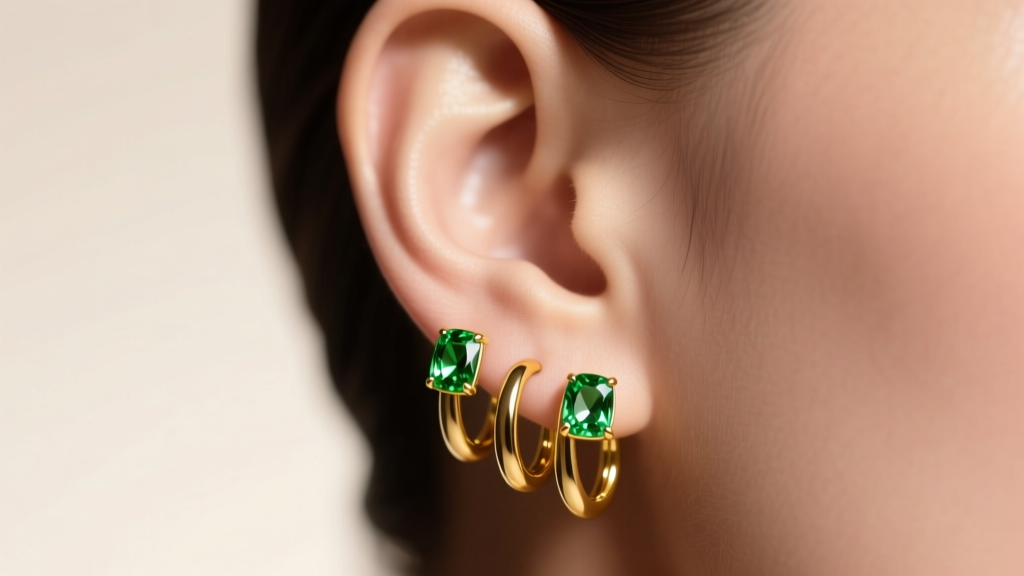
The Enduring Appeal of the August Birthstone
When building a foundational jewelry wardrobe, peridot hoop earrings offer a unique blend of vibrant color and everyday versatility. Unlike diamonds or sapphires that dominate the fine jewelry market, peridot provides an accessible, earthy elegance that appeals to both minimalist dressers and maximalist stylists. As the gem-quality variety of the mineral olivine, peridot is one of the few gemstones in the world that is idiochromatic—meaning its signature green hue is derived from its fundamental chemical structure rather than trace impurities. This ensures that when you buy peridot, you are getting a stone that is authentically and unapologetically green.
For beginners, navigating the world of gemstone hoops can feel overwhelming. From understanding wire gauges to identifying stress fractures, this guide breaks down the exact specifications you need to know before making your first purchase.
Understanding Peridot Gemology: Color, Clarity, and Cut
The "Olive" Standard: Evaluating Color
Because peridot’s color is driven by iron content within its crystal lattice, it only occurs in shades of green. However, not all greens are created equal. The most highly valued peridot exhibits a pure, vivid olive-green without heavy brown or yellow modifiers. According to the Gemological Institute of America (GIA), stones weighing over 10 carats tend to display the richest, most saturated colors, but for hoop earrings, smaller melee stones (0.10 to 0.50 carats) are standard. When evaluating smaller stones in hoops, look for consistency in color across the entire batch of gems.
Navigating Inclusions and Durability
Peridot ranks at 6.5 to 7 on the Mohs scale of hardness. While this makes it suitable for daily wear in earrings (which suffer fewer impacts than rings), it is still susceptible to scratching. More importantly, beginners must understand lily pad inclusions. These are discoid stress fractures that resemble lily pads floating inside the stone. While they are a natural fingerprint of genuine peridot and do not necessarily ruin the stone's beauty, they make the gem highly vulnerable to thermal shock and ultrasonic vibrations.
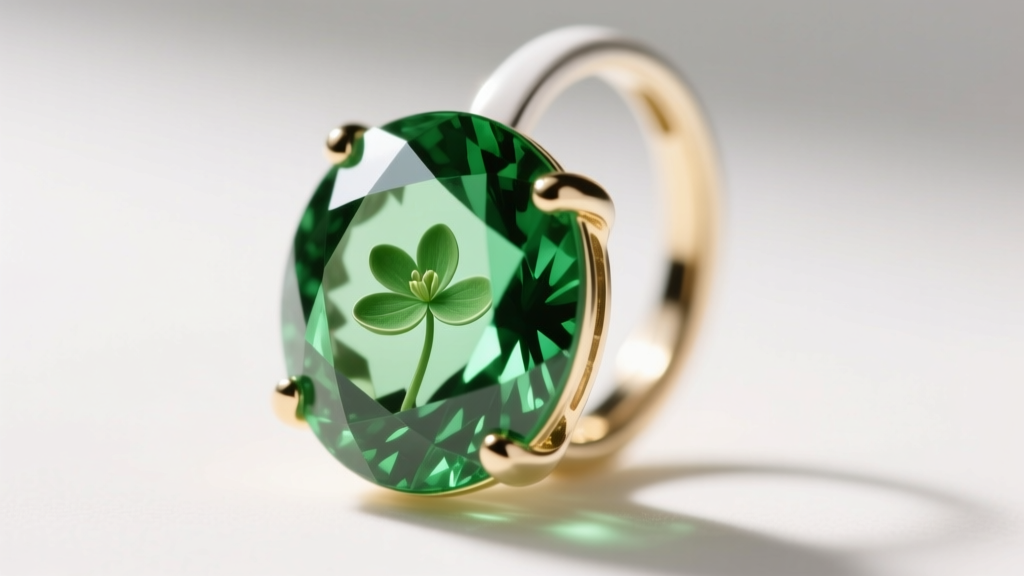
Choosing the Right Metal and Setting
The metal you choose for your peridot hoop earrings will drastically alter the stone's visual temperature. Because peridot has a high birefringence (double refraction), it sparkles with a slightly fuzzy, doubled facet appearance, which interacts beautifully with different metal finishes.
| Metal Type | Visual Effect on Peridot | Best For | Durability Notes |
|---|---|---|---|
| 14k Yellow Gold | Enhances warm, earthy olive tones | Vintage styles, warm skin tones | Excellent durability, requires occasional polishing |
| 14k White Gold | Creates crisp, icy contrast | Modern, minimalist aesthetics | Rhodium plating will need re-dipping every 1-2 years |
| Platinum | Neutral, allows true green to pop | Heirloom pieces, sensitive ears | Hypoallergenic, heavy, develops a natural patina |
| Sterling Silver | Budget-friendly, slightly cools the green | Everyday casual wear, beginners | Prone to tarnish, requires frequent cleaning |
Pro-Tip: For beginners, bezel settings are vastly superior to prong settings for peridot hoops. A bezel completely encircles the gemstone in a metal rim, protecting the vulnerable girdle (the widest edge of the stone) from chipping when the hoop swings and bumps against surfaces.
Hoop Mechanics and Gauge Sizing for Beginners
The mechanics of a hoop earring dictate both its comfort and its security. Choosing the wrong closure type is the most common mistake first-time buyers make.
Latch-Back vs. Hinged Huggies vs. Clickers
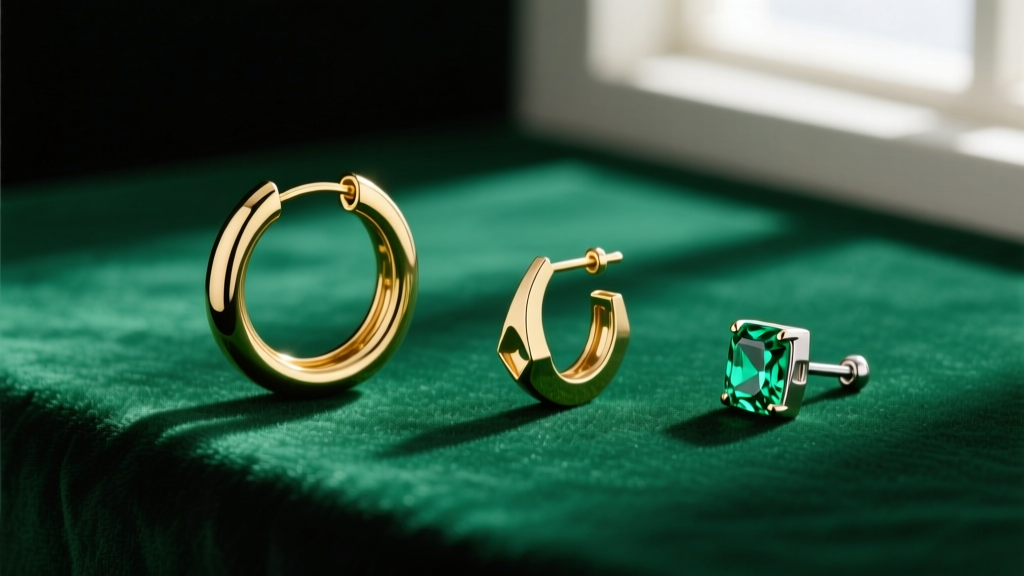
- Classic Latch-Back Hoops: These feature a straight wire that clicks into a grooved hinge on the opposite side. They are ideal for standard 20-gauge or 18-gauge lobe piercings and offer a secure, traditional fit.
- Hinged Huggies: These smaller hoops hug the earlobe tightly and feature a curved wire that snaps into a hidden post. They are excellent for active lifestyles as they minimize snagging on hair and clothing.
- Cartilage Clickers: If you are wearing peridot hoops in a helix or tragus piercing, you need a clicker. These feature a straight, thicker post with a segment that literally "clicks" shut with a satisfying snap, requiring no bending of the metal.
Understanding Wire Gauge
Gauge refers to the thickness of the wire that passes through your piercing. Getting this wrong can lead to discomfort or migration.
- 20G (0.81mm): The standard for most commercial fashion jewelry and standard earlobe piercings.
- 18G (1.02mm): Slightly thicker, offering better support for heavier gemstone hoops without stretching the lobe.
- 16G (1.29mm): The mandatory standard for cartilage piercings. Using a 20G wire in a cartilage piercing can cause the "cheese cutter effect," where the thin wire slowly migrates through the dense cartilage tissue over time.
Styling Peridot Hoops for Your Face Shape
Because peridot is a highly saturated color, it draws the eye immediately. The diameter of your hoop should be chosen to balance your facial geometry.
- Round Faces: Opt for elongated drop-hoops or oval-shaped huggies. The vertical lines will visually lengthen the face. Avoid perfectly circular, wide-diameter hoops.
- Square Faces: Soften strong jawlines with medium-sized, rounded classic hoops (20mm to 30mm in diameter). The curve of the hoop contrasts beautifully with angular features.
- Heart-Shaped Faces: Teardrop-shaped hoops or bottom-heavy huggies help add visual weight to the lower half of the face, balancing a narrower chin.
- Oval Faces: You have the versatility to wear any style, from micro-huggies to dramatic 50mm statement hoops.
Critical Care Rules: What Never to Do
WARNING: Never place peridot hoop earrings in an ultrasonic jewelry cleaner or use a steam cleaner. The high-frequency vibrations and sudden thermal changes will cause the internal "lily pad" stress fractures to expand, potentially shattering the gemstone from the inside out.
To clean your peridot hoops, the GIA Care and Cleaning Guide recommends using only lukewarm water, a drop of mild, phosphate-free dish soap, and a baby-soft toothbrush. Gently scrub the back of the stone where skin oils and lotions accumulate, rinse thoroughly, and dry with a lint-free microfiber cloth. Always store your hoops in a separate soft pouch; peridot can be easily scratched by harder gems like diamonds or sapphires sharing the same jewelry box.
Pricing Tiers and Buying Red Flags
As of 2026, the market for ethically sourced, earth-mined peridot remains highly accessible, but prices vary wildly based on origin and treatment. Pakistani peridot (from the Suppatt region) is renowned for its large, vivid stones, while Chinese and Vietnamese peridot tends to be smaller but highly saturated.
- Commercial Grade ($40 - $120): Typically set in sterling silver or 10k gold. Stones may have visible brown modifiers or heavy inclusions. Great for trendy, seasonal wear.
- Fine Grade ($150 - $450): Set in 14k or 18k gold. Stones are eye-clean with vivid olive-green saturation and precision cuts. This is the sweet spot for a beginner's investment piece.
- Designer/Collector Grade ($600+): Features rare, large-carat Pakistani peridot, often accented with diamonds in platinum or high-karat gold.
Red Flag Alert: Peridot is rarely treated or synthesized. If you see a stone that looks too perfect, completely devoid of any natural inclusions, and is priced suspiciously low, you may be looking at green glass or synthetic spinel. According to the Mindat Mineral Database, natural olivine/peridot has a specific gravity and refractive index that is difficult to perfectly mimic in cheap glass. Always purchase from jewelers who provide a clear origin statement and a return policy.


