Expert Care & Cleaning for Medium Silver Hoop Earrings
Learn expert cleaning, polishing, and storage techniques to keep your medium silver hoop earrings tarnish-free and secure for everyday wear.

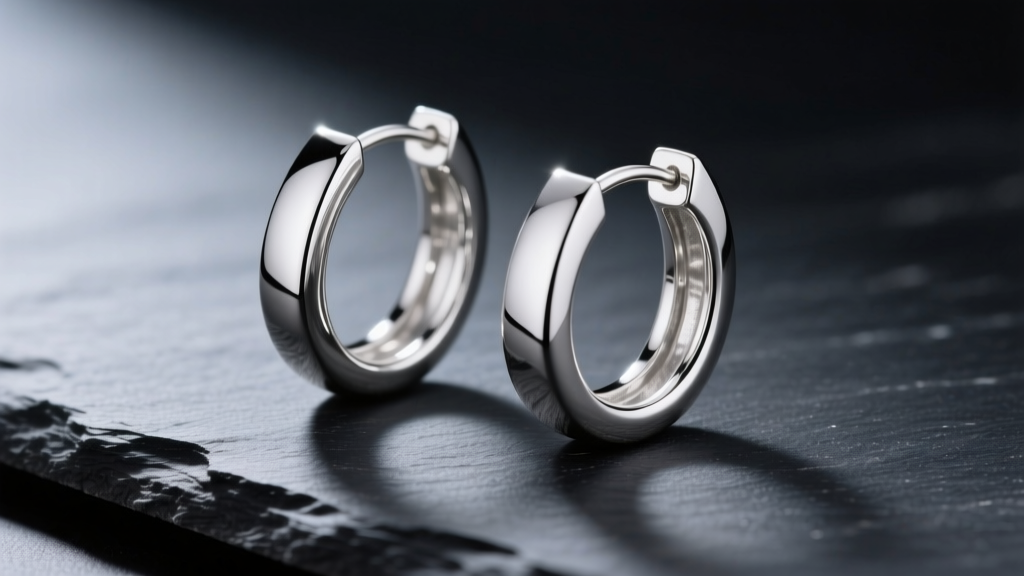
The Metallurgy of Sterling Silver: Why Tarnish Happens
Before diving into the cleaning process, it is crucial to understand the material you are working with. Pure silver (99.9%) is too soft for functional jewelry, which is why the industry standard for medium silver hoop earrings is 925 sterling silver. This alloy consists of 92.5% pure silver and 7.5% copper. While the copper adds necessary tensile strength to support the structural integrity of a hoop, it is also the primary culprit behind tarnish.
Unlike rust, which degrades iron, silver tarnish is a surface-level chemical reaction. The copper in the alloy reacts with hydrogen sulfide and moisture in the air to form silver sulfide, a dark, dull layer that obscures the metal's natural luster. According to the Gemological Institute of America (GIA), environmental factors such as high humidity, air pollution, and even the natural pH levels of your skin can accelerate this oxidation process. Understanding this chemistry is the first step in effectively maintaining your jewelry.
Anatomy and Stress Points of Medium Hoops
Medium hoops—typically ranging from 25mm to 35mm in diameter—occupy a unique space in jewelry design. They are large enough to make a visual statement but small enough for daily wear. Because of their size, they are subject to specific mechanical stresses that smaller huggies or larger statement hoops might avoid.
- Wire Gauge: Most medium silver hoops are crafted from 18-gauge (1.0mm) or 20-gauge (0.8mm) wire. Thinner 20-gauge wire is more prone to bending if snagged on clothing or hair.
- Clasp Tension: The most common closure for this size is the hinged snap-back or the click-top hinge. Over time, the repetitive motion of opening and closing the clasp can cause the silver to fatigue, leading to a loose fit where the post no longer 'clicks' securely into the catch.
- Crevice Accumulation: The seam where the post meets the hollow or solid tube of the hoop is a prime trap for dead skin cells, sebum, and hair products, requiring targeted cleaning.
The Electrochemical Deep Clean (For Heavy Tarnish)
When your medium silver hoop earrings have developed a thick, yellowish-brown or black layer of silver sulfide, mechanical polishing will remove a microscopic layer of the silver itself. Instead, jewelers recommend an electrochemical reduction bath. This method reverses the chemical reaction, transferring the sulfur from the silver to a sacrificial anode (aluminum) without removing any of the precious metal.
The Aluminum Foil Bath Protocol
- Line a glass or ceramic bowl with aluminum foil, shiny side facing up.
- Place your silver hoops in the bowl, ensuring they are in direct physical contact with the foil.
- Sprinkle 1 tablespoon of baking soda and 1 tablespoon of kosher salt over the jewelry.
- Pour 1 cup of boiling water into the bowl. You will immediately see bubbling and may smell a faint sulfur (rotten egg) odor.
- Let the earrings sit for 3 to 5 minutes. Use a wooden or plastic spoon to gently move them around, ensuring all surfaces touch the foil.
- Remove with plastic tongs, rinse thoroughly under warm distilled water, and pat dry with a lint-free microfiber cloth.
Expert Warning: Never use the aluminum foil bath on medium silver hoops that feature intentional oxidation (antiquing or blackened crevices) or porous gemstones like turquoise, pearls, or opals. The electrochemical process will strip the intentional dark patina and can permanently damage sensitive stones.
Routine Maintenance and Daily Cleaning
For routine upkeep, you do not need harsh chemicals or boiling water. The goal of daily maintenance is to remove the acidic oils, lotions, and environmental dust that act as catalysts for tarnish.
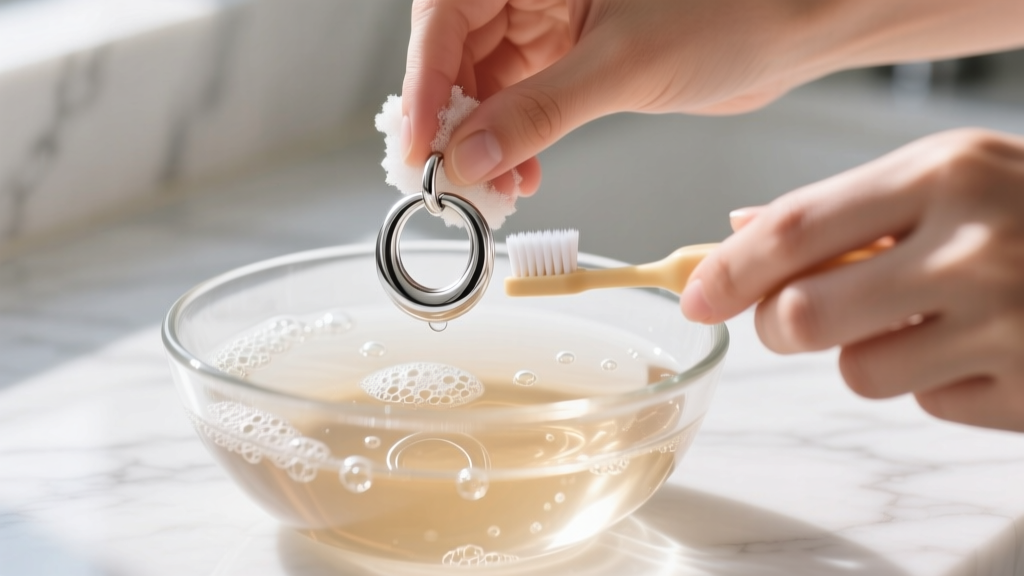
Once a week, prepare a mild cleaning solution using a few drops of phosphate-free dish soap (like Dawn) and lukewarm water. Submerge your medium silver hoop earrings for five minutes to loosen debris. Take a soft-bristled baby toothbrush and gently brush the clasp mechanism, the post, and the interior curve of the hoop. Rinse under a gentle stream of lukewarm water and dry immediately. Leaving silver to air-dry can result in water spots, especially in areas with hard water, which contains dissolved calcium and magnesium that leave a chalky residue.
Polishing Cloths: Microfiber vs. Treated Jeweler's Cloths
When buffing your hoops to a high shine, the tool you use matters. Standard microfiber cloths are excellent for removing fingerprints and light dust. However, for restoring brilliance, use a treated jeweler's cloth (such as a Sunshine cloth). These cloths are impregnated with micro-abrasives and anti-tarnish agents. Do not wash these cloths, as laundering will strip them of their active polishing compounds. Use them until they are completely black, then replace them.
Strategic Storage to Prevent Oxidation
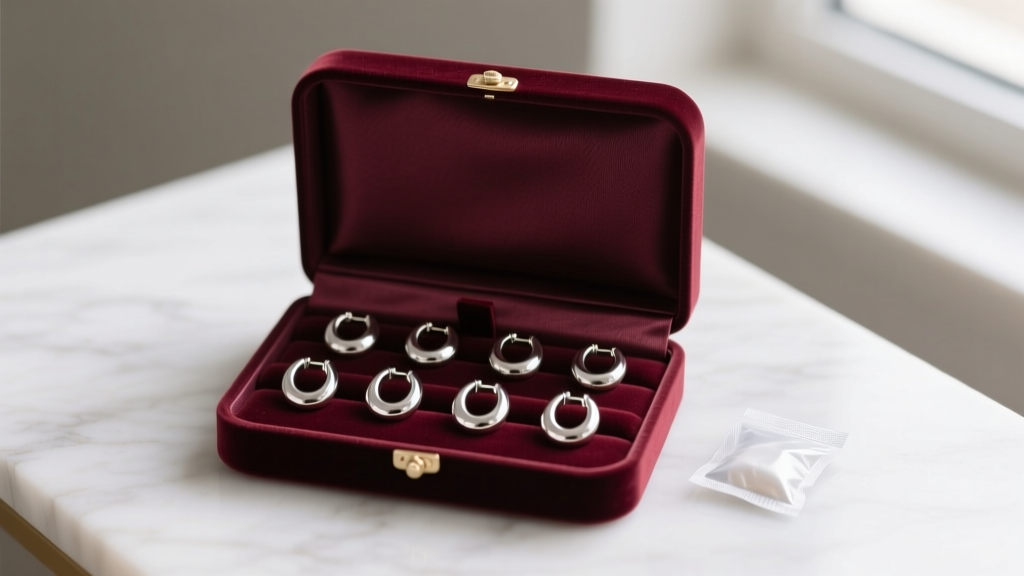
Proper storage is arguably more important than cleaning. If you leave your medium silver hoop earrings exposed to the air on a bathroom vanity, the high humidity and aerosolized hair products will guarantee rapid tarnishing. According to Jewelers of America, controlling the micro-climate where your jewelry rests is the key to long-term preservation.
| Storage Method | Effectiveness | Mechanism of Action | Best For |
|---|---|---|---|
| Anti-Tarnish Zip Bags | High | Impregnated polymers absorb sulfur and moisture before they reach the metal. | Daily wear hoops; travel. |
| Silica Gel Packets | Medium | Desiccant that lowers ambient humidity inside a closed jewelry box. | Humid climates; bathroom storage. |
| Anti-Tarnish Chalk | Medium-High | Calcium carbonate absorbs moisture and airborne pollutants. | Large jewelry armoires or drawers. |
| Open-Air Valet Trays | Low | None. Exposes metal to oxygen, humidity, and skin-care aerosols. | Avoid for silver; use only for stainless steel or platinum. |
Troubleshooting Common Hoop Earring Issues
Beyond chemical tarnish, medium silver hoop earrings face mechanical wear and tear. Here is how to troubleshoot the most common physical issues encountered by daily wearers.
The Clasp Won't 'Click' Shut
If your hinged hoop no longer snaps securely, the silver catch has likely stretched outward over months of use. The Fix: Take a pair of nylon-jaw jewelry pliers (never use bare steel pliers, which will gouge the soft silver). Gently squeeze the U-shaped catch on the receiving end of the hoop to narrow the gap. Test the click. Repeat in micro-adjustments until the post snaps firmly into place.
The Wire is Bent or Warped
Sleeping in 20-gauge medium hoops or catching them on a sweater can easily warp the circular shape. The Fix: Roll the hoop along a flat, hard surface to identify the exact point of deviation. Using your fingers or nylon-jaw pliers, apply gentle, opposing pressure to bend the wire back into a true circle. Avoid bending the wire back and forth repeatedly, as this will cause 'work hardening' and eventually snap the silver.
Stubborn Grime in the Hinge
If the hinge mechanism feels stiff or looks black, it is likely packed with a mixture of sebum and silver sulfide. The Fix: Dip a wooden toothpick into a small amount of isopropyl alcohol (90% or higher). Carefully trace the seam of the hinge to dissolve the oils. Follow up by working a drop of lightweight synthetic watch oil into the hinge pin to restore smooth movement, wiping away any excess immediately so it does not attract dust.
Final Thoughts on Silver Longevity
Caring for medium silver hoop earrings does not require expensive professional services or harsh chemical dips that degrade the metal over time. By understanding the 925 alloy composition, utilizing electrochemical reduction for heavy tarnish, and employing strategic anti-tarnish storage, you can keep your hoops brilliant and mechanically sound for decades. Consistent, gentle maintenance will always outperform aggressive, reactive cleaning.


