How to Clean and Care for 12mm Stud Earrings Safely
Discover expert cleaning, maintenance, and troubleshooting tips for 12mm stud earrings. Protect your metals, gemstones, and earlobes today.
The Dual Meaning of '12mm' in Stud Earrings
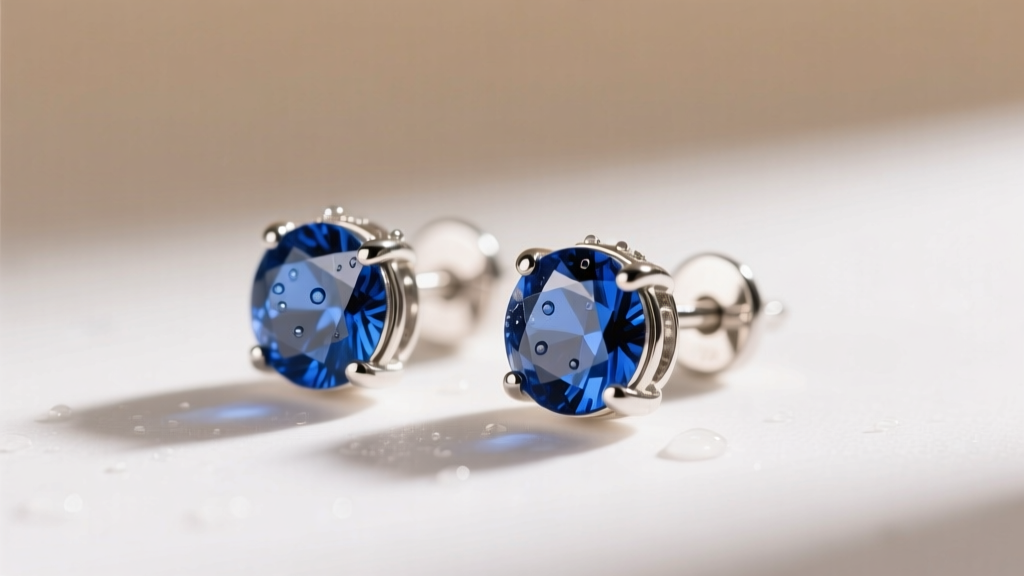
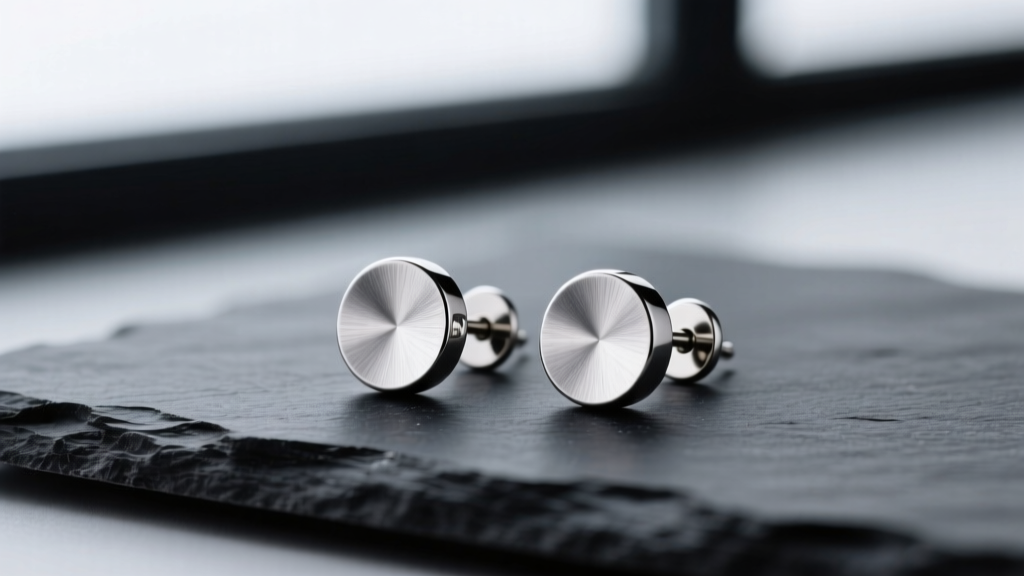
When discussing 12mm stud earrings in the jewelry industry, the measurement can refer to two entirely different structural components: the front-facing diameter or the post length. Understanding which dimension applies to your specific pair is the first step in establishing a proper care and maintenance routine. A 12mm face diameter (approximately 0.47 inches) classifies the earring as a bold, oversized statement piece, such as a large pearl, a wide metal dome, or a dense cluster of gemstones. Conversely, a 12mm post length is considered extra-long; standard lobe posts range from 6mm to 8mm. According to the Association of Professional Piercers (APP), longer posts are typically utilized to accommodate thick earlobes, initial piercing swelling, or specific cartilage placements like the rook or daith. Each variation presents unique cleaning challenges and mechanical vulnerabilities that require specialized attention.
The Chemistry of Sebum and Tarnish Buildup
Because 12mm stud earrings sit flush against the skin (in the case of large faces) or leave a wide gap behind the lobe (in the case of long posts), they are highly susceptible to the accumulation of sebum, dead epidermal cells, and environmental pollutants. Sebum is mildly acidic and, when mixed with the sulfur compounds present in everyday cosmetics and air pollution, can accelerate the tarnishing of alloyed metals like sterling silver or lower-karat gold. Furthermore, the large backplate required to support a 12mm front face creates a micro-environment where moisture and soap scum become trapped, leading to contact dermatitis if not routinely cleared. Regular, methodical cleaning is not merely an aesthetic choice; it is a vital component of earlobe hygiene and metal preservation.
Material-Specific Cleaning Protocols
ASTM F136 Titanium & 316L Surgical Steel
Implant-grade titanium (ASTM F136) and 316L surgical steel are highly resistant to corrosion and do not require aggressive chemical cleaners. For 12mm long posts made of these materials, the primary concern is clearing the microscopic grooves near the base of the post where skin cells accumulate. Prepare a solution of warm distilled water and a few drops of pH-neutral liquid dish soap. Submerge the earrings for three to five minutes, then use a dedicated, ultra-soft baby toothbrush to gently sweep the base of the post and the interior of the clutch. Rinse thoroughly with distilled water to prevent hard water mineral deposits, and dry immediately with a lint-free microfiber cloth.
14k/18k Solid Gold & Platinum
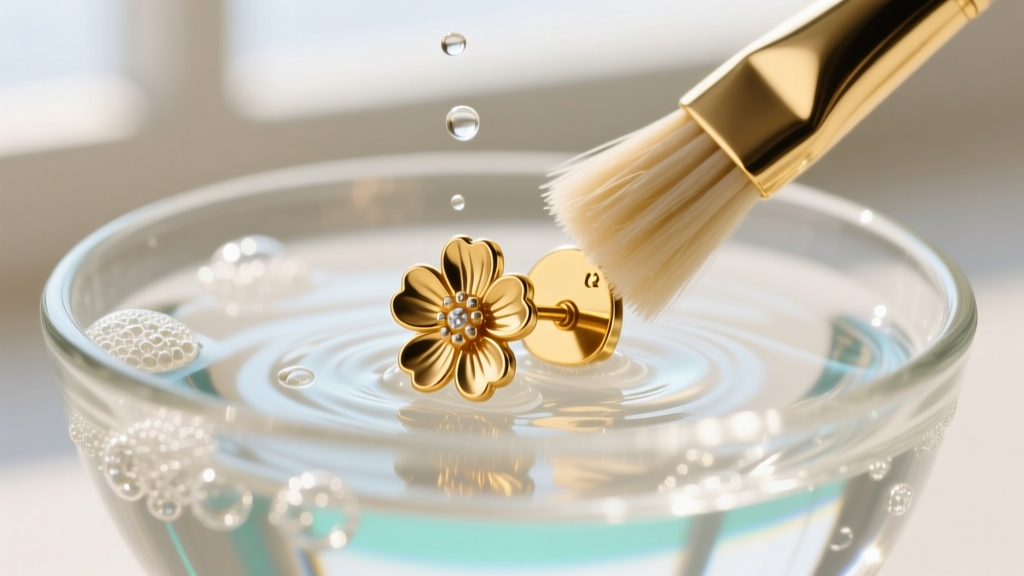
Gold alloys (especially 14k, which contains higher percentages of copper and zinc) are prone to dulling when exposed to chlorinated water or harsh lotions. To restore the brilliance of 12mm gold dome studs, utilize a specialized jewelry dip or a mild ammonia-based cleaner diluted with water. However, never use ammonia on gold-plated or gold-vermeil pieces, as it will strip the microscopic outer layer. Platinum, being a denser and more inert metal, can withstand slightly more vigorous brushing but will develop a natural 'patina' (micro-scratches) over time. This patina can be polished away by a professional jeweler using a rouge cloth, but at-home maintenance should be restricted to gentle soap baths.
Porous Gemstones & Organic Materials
If your 12mm stud earrings feature organic materials like pearls, coral, or porous gemstones like turquoise and opals, standard cleaning protocols must be entirely abandoned. The Gemological Institute of America (GIA) strictly advises against submerging these materials in water or using ultrasonic cleaners, as the liquid can degrade the epoxy resins used to secure the stone to the 12mm backplate. Instead, wipe the surface gently with a barely damp, soft cloth after every wear to remove body oils, which can etch into the nacre of a pearl over time.
Cleaning Agent Compatibility Matrix
| Material | Safe Cleaners | Agents to Avoid | Drying Method |
|---|---|---|---|
| ASTM F136 Titanium | pH-neutral soap, saline | Harsh bleach, iodine | Microfiber cloth |
| 14k / 18k Solid Gold | Mild ammonia, soap | Chlorine, abrasive pastes | Air dry or microfiber |
| Sterling Silver (925) | Anti-tarnish dips, baking soda paste | Hot water, sulfur environments | Polishing cloth |
| Pearls & Opals | Damp cloth only | Ultrasonic, steam, ammonia | Natural air dry |
Troubleshooting Mechanical Failures in 12mm Studs
The Lever Effect: Bending Long 12mm Posts
A 12mm long earring post, particularly in a standard 20-gauge (0.81mm) thickness, possesses a high slenderness ratio. This means it acts as a lever; if the earring is snagged on a towel or hairbrush, the post will easily bend at the base. Attempting to bend a titanium or steel post back into place with bare fingers or standard steel pliers will inevitably mar the mirror finish and weaken the metal's crystalline structure, leading to eventual snapping. If your 12mm post bends, place the earring on a soft surface and use brass-jawed pliers or nylon-tipped jewelry pliers to apply gradual, even pressure to straighten the wire without scratching the metal.
Clutch Slippage on Heavy 12mm Faces
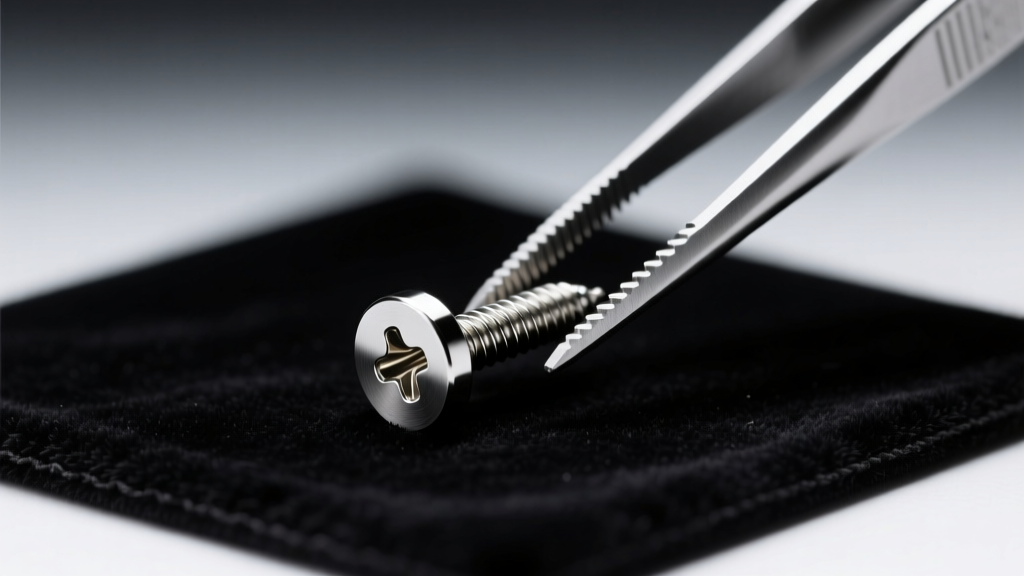
Large 12mm face studs carry significantly more weight than standard 4mm or 6mm studs. This excess weight causes the earlobe to droop, altering the angle of the post and frequently causing standard butterfly friction backs to slide off, resulting in lost earrings. To solve this mechanical failure, discard the standard metal clutches and upgrade to silicone O-rings, which provide superior grip and distribute pressure evenly across the lobe. For high-value 12mm diamond or gold studs, invest in La Pousette (screw-back) clutches, which mechanically thread onto a specially notched post, making accidental loss virtually impossible.
Advanced Maintenance: Ultrasonic Cleaners & Steamers
For 12mm cluster stud earrings featuring diamonds, moissanite, or cubic zirconia set in solid gold or platinum, an at-home ultrasonic cleaner is an invaluable tool. These devices operate at frequencies around 40,000 Hz (40kHz), creating microscopic vacuum bubbles in a liquid solution that violently collapse against the jewelry—a process known as cavitation. This effectively blasts away trapped sebum and lotions from beneath the settings where a brush cannot reach. However, cavitation is highly destructive to fracture-filled diamonds, emeralds, and any stone secured with adhesive. Always verify the structural integrity and setting method of your 12mm studs before introducing them to an ultrasonic bath, and limit the cleaning cycle to no more than three minutes to prevent loosening the prongs.
Proper Storage to Prevent Micro-Scratches
Because 12mm stud earrings have a large surface area, they are highly prone to micro-scratching when tossed loosely into a jewelry box. The Mohs hardness scale dictates that harder materials will scratch softer ones; a 12mm sapphire stud (Mohs 9) will easily carve grooves into a 12mm 18k gold dome (Mohs 2.5-3). Store each pair individually in soft flannel pouches or dedicated compartments lined with anti-tarnish treated felt. For 12mm long posts, always secure the clutch onto the post before storage to prevent the sharp tip from piercing the pouch or scratching adjacent pieces.
Expert Insight: Never store your 12mm stud earrings in the bathroom. The extreme fluctuations in humidity and temperature, combined with aerosolized cosmetics and hair sprays, create a highly corrosive environment that rapidly degrades metal finishes and dulls gemstones.
When to See a Professional Jeweler
While daily maintenance and gentle cleaning can be performed at home, certain issues require professional intervention. If the backplate of your 12mm face stud becomes loose, or if the prongs holding a central gemstone show visible wear, cease wearing the earring immediately. A jeweler can use a laser welder to reattach the backplate without applying the widespread heat of a traditional torch, which could shatter heat-sensitive stones. Additionally, if a 12mm post has been bent and straightened multiple times, a professional should inspect the base for stress fractures to prevent the post from snapping while inside the ear canal.


