Expert Care and Cleaning Guide for Blue Tassel Earrings
Learn expert cleaning and storage tips for blue tassel earrings. Protect silk threads, prevent dye fading, and maintain metal hardware effortlessly.

The Unique Anatomy of Blue Tassel Earrings
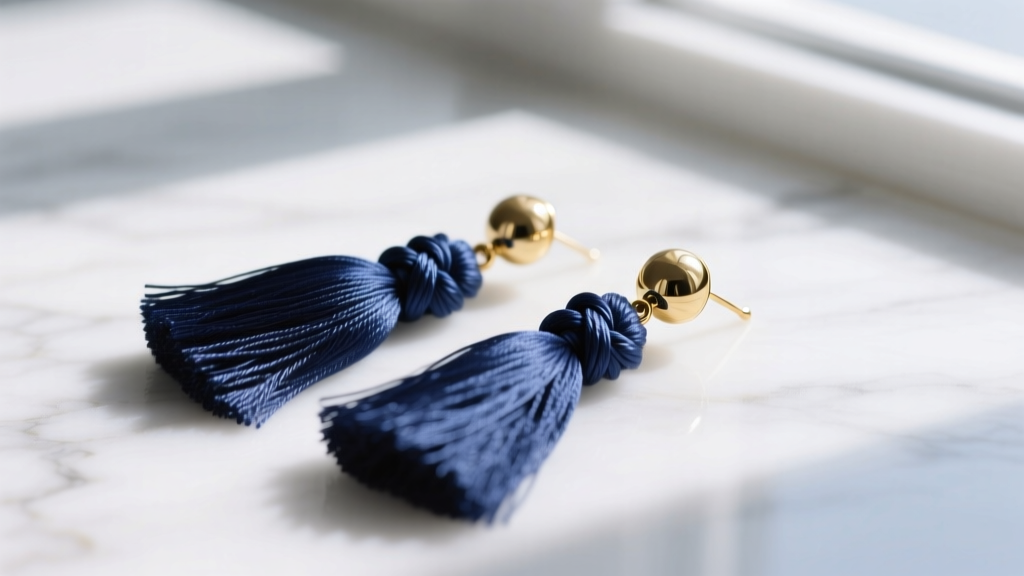
Blue tassel earrings are a striking sartorial choice, offering dynamic movement and a vibrant pop of color. However, from a maintenance perspective, they are one of the most complex earring styles to care for. Unlike solid metal studs or simple hoops, tassel earrings are multi-material constructs. They typically consist of a metal ear wire, a jump ring, a metal or wrapped tassel cap, a binding wire, and the tassel threads themselves.
The threads are usually made from silk, cotton, rayon, or synthetic blends. Blue dyes—particularly indigo, acid blue (used for silk), and reactive dyes (used for cotton)—are notoriously susceptible to crocking (color transfer when rubbed) and UV photodegradation. Furthermore, the metal hardware is prone to tarnish, but cleaning that metal without staining the adjacent blue threads requires precise technique. This guide provides a professional, textile-safe protocol for maintaining your blue tassel earrings in pristine condition.
Step-by-Step Cleaning Protocol for Blue Threads
The golden rule of tassel earring maintenance is to avoid submerging the threads in water. Submersion can cause the blue dye to bleed, the threads to clump, and the internal binding wire to rust. According to guidelines from the Canadian Conservation Institute, dry cleaning methods should always be the first line of defense for delicate textile accessories.
Dry Cleaning Methods (The Safest Route)
- Compressed Air: Use a can of compressed air (held at least six inches away) to blow out dust, skin cells, and makeup powder trapped near the tassel cap. This prevents the buildup of abrasive grit that can fray the threads over time.
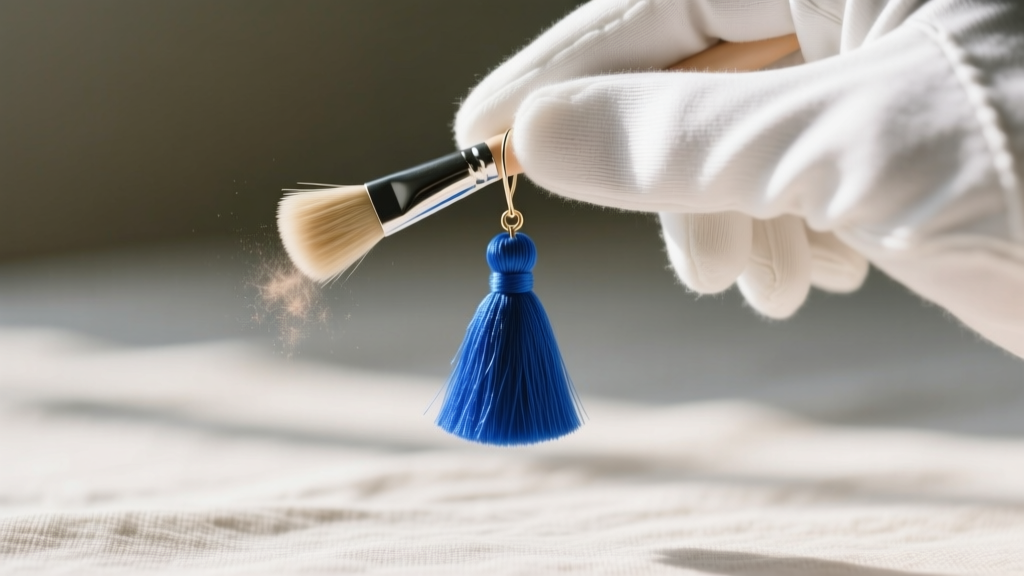
- Soft-Bristle Brushing: Use a clean, unused makeup blending brush or a soft horsehair jewelry brush. Hold the earring by the metal hardware and gently brush the tassel from the cap down to the tips. This realigns the fibers and removes surface oils.
- Lint Rollers (With Caution): For cotton or rayon tassels, you can gently roll a low-tack lint roller over the surface. Never use this on silk, as the adhesive can pull and break the delicate protein fibers.
Spot Cleaning Stubborn Stains
If your blue tassels encounter a liquid stain (like perfume or sweat), immediate spot cleaning is required. Mix one drop of pH-neutral textile detergent (such as Orvus WA Paste or a mild baby shampoo) into a bowl of distilled water. Dip a cotton swab into the solution, squeeze out the excess moisture, and gently dab the stained area. Never rub, as friction will cause the blue dye to bleed. Allow the earring to air dry completely, suspended vertically, before storing.
Maintaining the Metal Hardware Without Ruining the Tassel
The metal components of tassel earrings—usually sterling silver, gold vermeil, or brass—will naturally oxidize or tarnish from exposure to sulfur and humidity. The critical danger here is capillary action. If you use a liquid silver dip or a wet polishing solution, the liquid will wick up the metal jump ring and absorb directly into the blue threads, leaving a permanent dark stain and potentially degrading the dye.
The Gemological Institute of America (GIA) recommends using dry polishing methods for mixed-media jewelry. Use a treated jeweler's cloth (like a Sunshine polishing cloth) to gently rub the metal cap and ear wire. Fold the cloth to reach the crevices of the tassel cap, ensuring the cloth acts as a physical barrier between the metal and the blue threads.
Metal Hardware Cleaning Matrix
| Hardware Material | Safe Cleaning Agent | Agents to Avoid (Will Stain Threads) |
|---|---|---|
| Sterling Silver | Sunshine Polishing Cloth, Microfiber | Liquid Silver Dips (Tarn-X), Baking Soda Paste |
| Gold Vermeil | Dry Microfiber Cloth, Mild Soap Swab | Ultrasonic Cleaners, Ammonia-based Cleaners |
| Brass / Copper | Jeweler's Polishing Cloth, Lemon/Salt (Isolated) | Brasso, Liquid Metal Polishes |
Preventing Color Fade: UV and Chemical Threats
Blue is one of the most light-sensitive colors in the textile dye spectrum. Prolonged exposure to ultraviolet (UV) light causes photodegradation, breaking down the chemical bonds of the dye and turning vibrant navy or cobalt threads into a dull, dusty gray.
To preserve the color integrity of your blue tassel earrings, never leave them resting on a vanity table in direct sunlight. Additionally, always apply your hairspray, perfume, and body lotion before putting on your earrings. The alcohol and aerosol propellants in cosmetics act as solvents that can strip the blue dye from the surface of silk and rayon fibers, leading to localized fading and stiffness.
Proper Storage to Prevent Tangling and Crushing
Tassels are highly susceptible to crushing and tangling. If tossed into a standard jewelry pouch, the threads will interlock, and attempting to pull them apart will result in severe fraying and breakage.
The Jeweler's Straw Trick
For long-term storage or travel, professional jewelers use a simple but highly effective trick to keep tassels perfectly straight. Take a standard plastic or paper drinking straw and cut it to the length of your earring (from the top of the ear wire to the middle of the tassel). Thread the ear wire through the straw so the hard casing protects the upper threads, then gently gather the bottom tassel threads and slide them into a slightly wider piece of straw or a small pill capsule. This rigid casing prevents any crushing or bending in your jewelry box.
Hanging Storage
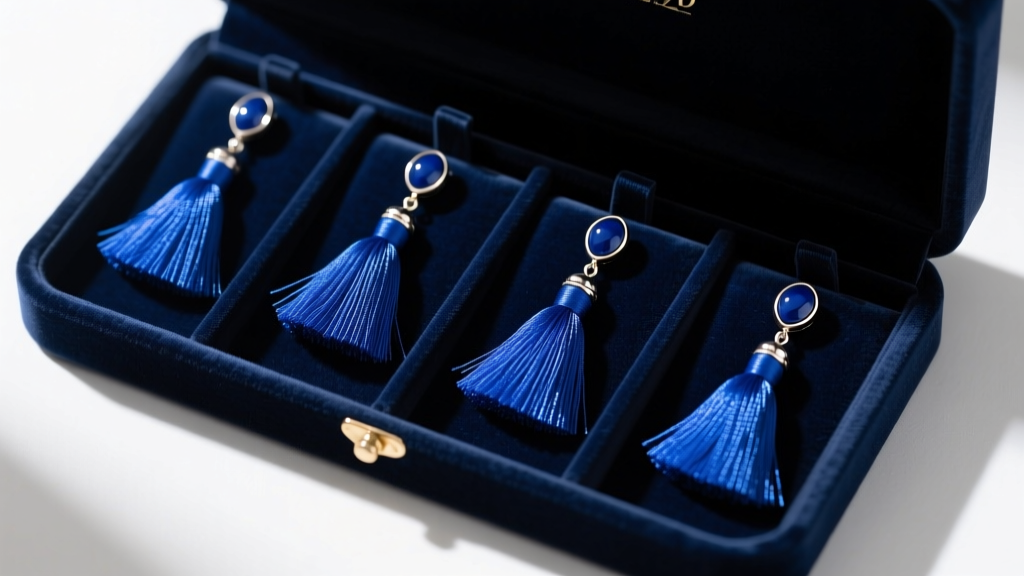
If you prefer to keep your earrings visible, use a multi-tiered hanging jewelry organizer with dedicated earring holes. Ensure the tassels hang freely in the air and do not rest against the fabric of the organizer, which can cause friction and static buildup.
Troubleshooting Common Tassel Earring Failures
Even with meticulous care, tassel earrings experience wear and tear. Here is how to address the most common structural failures without ruining the piece:
- Frayed Thread Ends: If the bottom tips of the blue threads become frayed or uneven, do not pull them. Lay the tassel flat on a cutting mat, use a metal ruler to align the threads, and trim the bottom 1/8th of an inch using a pair of razor-sharp embroidery shears. Dull scissors will crush the fibers and cause immediate re-fraying.
- Loose Tassel Cap: If the metal cap begins to slide up the binding wire, you must re-secure it. Never use cyanoacrylate (Super Glue). As super glue cures, it releases fumes that cause a white, frosty "bloom" on surrounding materials, which will permanently ruin the blue threads. Instead, use a toothpick to apply a microscopic drop of two-part jeweler's epoxy or clear UV resin directly to the wire beneath the cap.
- Static Cling: Synthetic blue tassels often suffer from static cling, causing the threads to stick together awkwardly. Rub a standard dryer sheet lightly over the threads to neutralize the static charge and restore the tassel's natural drape.
By understanding the material science behind your jewelry and adopting these targeted maintenance habits, your blue tassel earrings will retain their vibrant color, structural integrity, and elegant movement for years to come.


