How to Clean Flower Earrings Sterling Silver Safely
Learn how to safely clean and maintain your flower earrings sterling silver. Discover expert polishing, storage, and tarnish prevention tips.

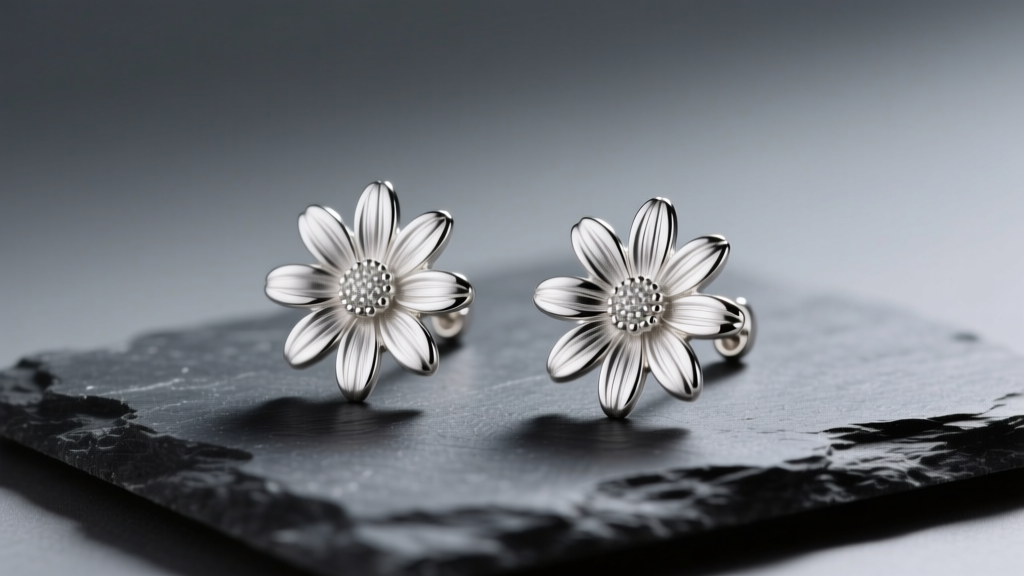
The Metallurgy of Sterling Silver Floral Designs
When you invest in high-quality floral jewelry, understanding the metal is the first step to preserving it. Genuine sterling silver is an alloy composed of 92.5% pure silver and 7.5% copper. While pure silver is highly resistant to tarnish, it is too soft to hold the intricate shapes of petals, leaves, and stems. The added copper provides the necessary structural integrity for detailed cast or stamped floral designs, but it also introduces a vulnerability: oxidation.
When the copper in your flower earrings sterling silver is exposed to moisture and sulfur compounds in the air, it triggers a chemical reaction that forms silver sulfide on the surface. This manifests as the dull, yellowish, or blackish film we call tarnish. Floral designs are particularly susceptible to this because their deep crevices, stamped grooves, and overlapping petal layers trap moisture, dead skin cells, and environmental sulfur, accelerating the tarnishing process in the hardest-to-reach areas.
Furthermore, many artisan jewelers apply intentional oxidation (a dark patina) to the recessed areas of floral earrings to make the raised silver details pop. Aggressive cleaning methods can strip this deliberate contrast, leaving the earrings looking flat and overly bright. Therefore, a nuanced approach to care is essential.
Daily Wear and Environmental Hazards
Before diving into cleaning protocols, it is crucial to recognize what causes damage to your silver florals on a daily basis. According to the Gemological Institute of America (GIA), silver is highly reactive to common household and cosmetic chemicals.
- Sulfur and Chlorine: Exposure to chlorinated water (swimming pools, hot tubs) or sulfur-rich environments (hot springs, certain industrial areas) can cause rapid, severe tarnishing and even pitting of the metal.
- Cosmetics and Lotions: Hairsprays, perfumes, and heavy moisturizers leave a microscopic film over the silver. In floral designs, this film acts as a magnet for dust and dirt, creating a stubborn grime that dulls the metal's natural luster.
- Mechanical Stress: Floral earrings often feature delicate, protruding elements like thin stamens or elongated leaves. Sleeping in them or pulling tight clothing over your head can bend these elements or weaken the prongs holding any accent gemstones.
Step-by-Step Cleaning Protocol for Intricate Florals
To safely restore the brilliance of your silver floral jewelry without damaging the intricate details or any set gemstones, follow this meticulous, non-abrasive cleaning protocol.
Step 1: The Gentle Soak
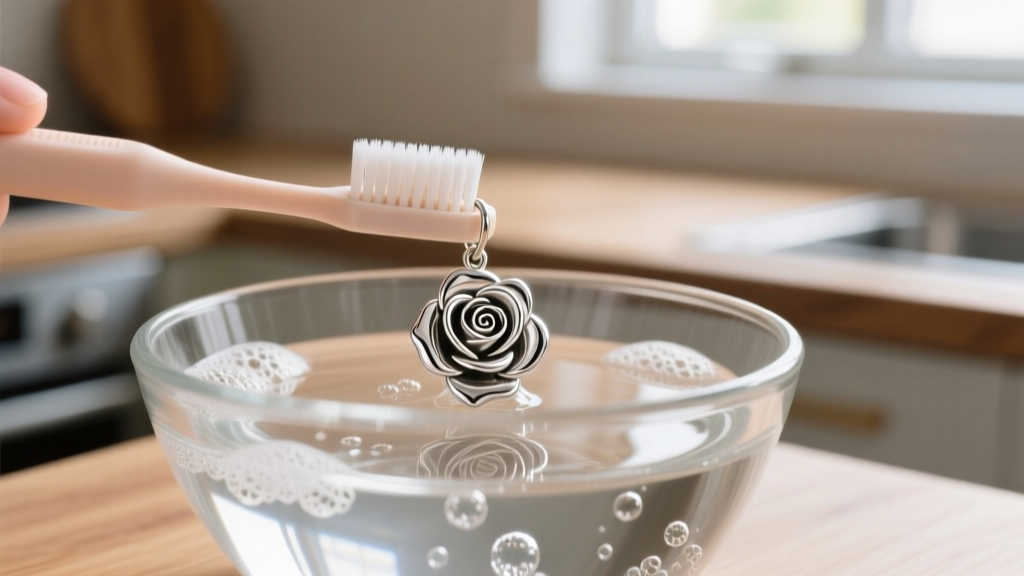
Fill a small glass bowl with lukewarm water—never hot, as extreme temperature changes can fracture certain gemstones like opals or turquoise often set in floral centers. Add a few drops of pH-neutral, phosphate-free dish soap. Avoid soaps with heavy moisturizers or citrus additives, as these can leave a residue or react with the copper alloy. Submerge the earrings and let them soak for 5 to 10 minutes to loosen surface oils and trapped debris.
Step 2: Targeted Agitation
Remove the earrings from the soapy water. Using an extra-soft baby toothbrush (look for bristles rated at 0.1mm or softer), gently brush the surface of the silver. Pay special attention to the deep grooves between petals and the backs of the earrings where ear posts meet the floral base. Brush in a circular motion, applying minimal pressure to avoid scratching the silver or dislodging glued-in accent stones.
Step 3: The Rinse and Dry
Rinse the earrings thoroughly under a gentle stream of lukewarm distilled water. Tap water often contains trace minerals and chlorine that can leave water spots or accelerate future tarnish. Immediately pat the earrings dry with a lint-free microfiber cloth. To remove moisture trapped in deep floral crevices, use a hairdryer on the 'cool' setting, holding it at least six inches away. Never let silver air-dry, as evaporating water leaves behind mineral deposits that dull the finish.
Cleaning Agents vs. Silver Floral Finishes
Not all silver cleaners are created equal, and using the wrong one can permanently alter the finish of your floral jewelry. Below is a comparison of common cleaning methods and their safety for detailed silver florals.
| Cleaning Agent | Mechanism | Safety for Floral Crevices | Best Use Case |
|---|---|---|---|
| Liquid Silver Dip | Chemical stripping (Thiourea-based) | Unsafe. Strips intentional patina and can pit metal if left too long. | Only for heavily tarnished, solid silver chains without oxidized details. |
| Baking Soda & Foil Bath | Electrochemical reduction | Caution. Safe for plain silver, but heat can melt gemstone adhesives. | Severe tarnish on solid silver florals with no glued stones. |
| Treated Polishing Cloths | Mild abrasive and chemical transfer | Caution. Cannot reach deep grooves; may polish away raised high-points. | Quick touch-ups on the raised, smooth surfaces of petals. |
| Mild Soap & Soft Brush | Surfactant and mechanical agitation | Highly Safe. Cleans deep grooves without altering oxidation. | Routine cleaning and grime removal for all floral designs. |
Advanced Tarnish Removal and Gemstone Warnings
For severe, blackened tarnish that soap and water cannot remove, the aluminum foil and baking soda method is a highly effective electrochemical process. It reverses the silver sulfide reaction without removing any of the underlying silver metal.
Line a glass dish with aluminum foil (shiny side up). Place your earrings on the foil, ensuring they touch the metal. Sprinkle a tablespoon of baking soda over them, then carefully pour boiling water into the dish. You will immediately see bubbling and smell a distinct sulfur (rotten egg) odor as the tarnish transfers from the silver to the aluminum foil. After two minutes, remove the earrings with wooden tongs, rinse in distilled water, and dry thoroughly.
CRITICAL WARNING: The Jewelers of America explicitly warns against using boiling water or harsh chemicals on jewelry with glued-in gemstones. Many floral earrings feature cubic zirconia, glass, or porous stones like turquoise and pearls set into the center of the flower using jeweler's epoxy. The boiling water in the foil bath will soften this adhesive, causing the gemstones to fall out. If your floral earrings contain any non-diamond, non-sapphire stones, stick strictly to the lukewarm soap and brush method.
Proper Storage to Prevent Petal Bending and Tarnish
How you store your flower earrings sterling silver is just as important as how you clean them. Improper storage leads to both chemical degradation and physical deformation.
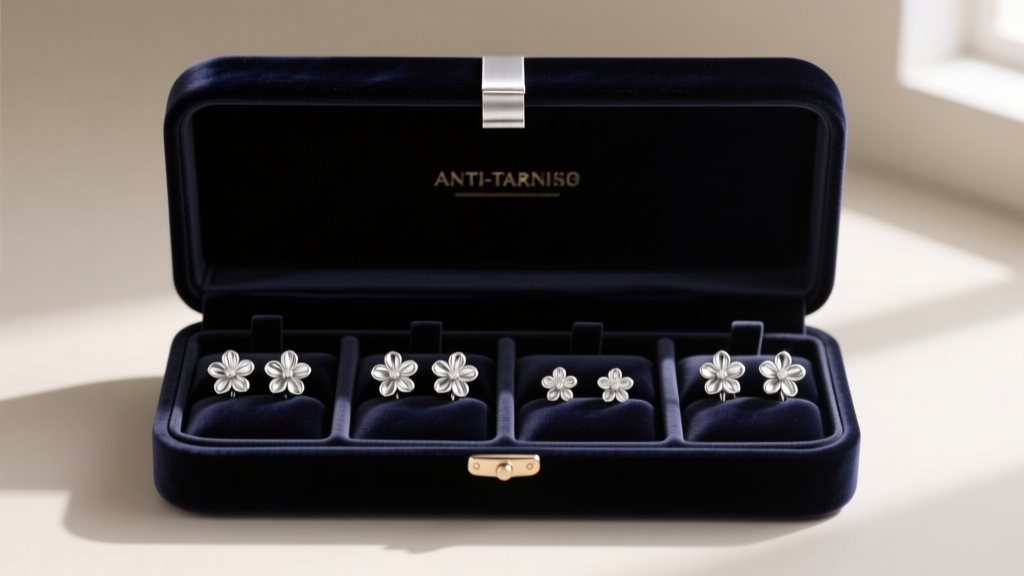
- Anti-Tarnish Strips: Invest in 3M anti-tarnish strips. These contain activated particles that absorb hydrogen sulfide and other tarnish-causing gases from the enclosed air. Place one strip in your jewelry box, replacing it every six months.
- Individual Compartments: Floral designs are notoriously prone to snagging. Storing multiple pairs in a single pile will result in thin silver petals scratching one another, or delicate stems bending out of shape. Store each pair in its own soft flannel pouch or individual velvet compartment.
- Moisture Control: If you live in a high-humidity climate, include a small silica gel packet in your jewelry storage area. Moisture acts as a catalyst for the copper oxidation process; keeping the environment dry drastically slows tarnish formation.
- Avoid Cardboard and Paper: Never store silver in cardboard boxes or wrap them in tissue paper for long periods. Wood pulp and paper products often contain trace amounts of sulfur and acidic compounds that will rapidly tarnish and pit the silver surface.
Expert Troubleshooting: Scratches and Loose Stones
Even with meticulous care, wearable art like silver floral earrings may suffer minor damage over time. If you notice superficial scratches on the broad, flat surfaces of a silver petal, a professional jeweler can use a polishing wheel with a soft muslin buff and rouge compound to restore the mirror finish. However, be aware that heavy polishing will eventually wear down the crisp edges of stamped floral details.
If a gemstone in the center of your flower earring becomes loose, stop wearing it immediately. Do not attempt to push the stone back into place with your fingers, as the oils from your skin will contaminate the setting and make professional re-gluing or prong-tightening more difficult. Take the piece to a certified jeweler who can assess whether the setting requires a simple application of jeweler's epoxy or if the silver prongs need to be carefully pushed back into position using specialized setting burs.
By understanding the specific metallurgical and structural needs of your floral jewelry, you can ensure that your favorite pieces remain as vibrant and detailed as the day you first wore them.


