Walgreens Earrings: Cleaning & Care Tips for Sensitive Ears
Learn how to safely clean and maintain Walgreens earrings. Expert tips on sanitizing surgical steel, preserving plating, and preventing nickel allergies.

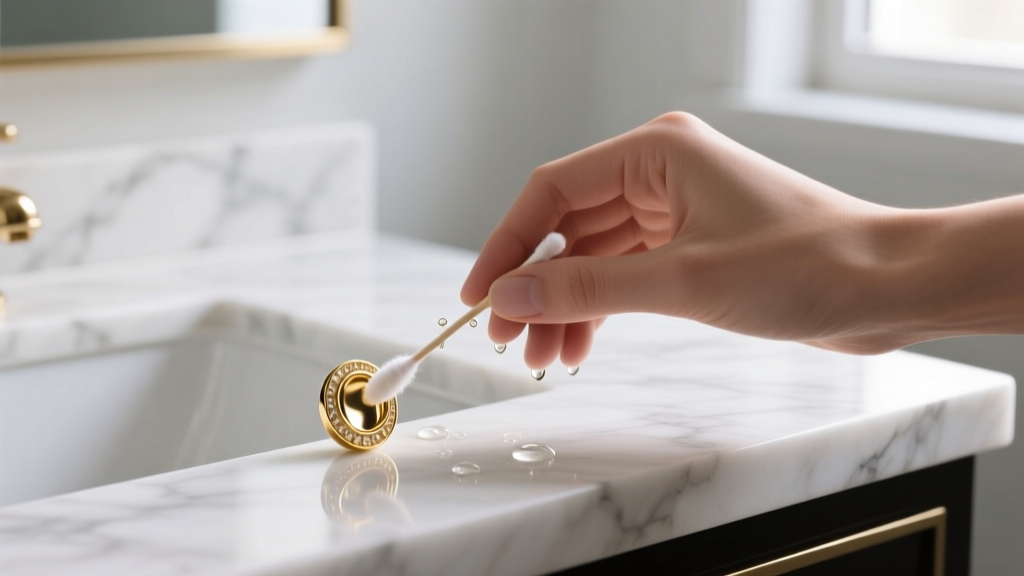
The Reality of Pharmacy-Bought Jewelry: What Are You Wearing?
When a jewelry emergency strikes—whether you have lost a backing, need a quick hypoallergenic replacement, or are picking up an Inverness piercing kit—Walgreens is often the most convenient destination. However, the care and maintenance required for pharmacy-sourced earrings differ significantly from fine jewelry. Understanding the exact metallurgy of your Walgreens earrings is the first step toward preventing contact dermatitis, preserving delicate plating, and maintaining optimal ear health in 2026.
Many consumers assume that any earring labeled "hypoallergenic" or "surgical steel" is entirely inert. In reality, the term hypoallergenic is largely unregulated in the United States, and surgical steel often contains enough nickel to trigger severe allergic reactions in sensitive individuals. Proper cleaning protocols must be tailored to the specific material grade of the earring to avoid stripping finishes or introducing harsh chemicals to healing tissue.
Material Breakdown: Surgical Steel vs. Plated Alloys
Before applying any cleaning solution, you must identify the core material of your earrings. Walgreens typically stocks three primary categories of ear jewelry, each with distinct chemical vulnerabilities.
| Material Type | Common Brands at Walgreens | Nickel Content | Cleaning Vulnerability |
|---|---|---|---|
| 316L Surgical Steel | Generic "Nickel-Free" Studs | 8% - 10% (Trace) | Resistant to alcohol, but prolonged soaking can cause micro-pitting. |
| Gold-Plated Brass | Fashion Hoops & Drops | 0% (Core is Copper/Zinc) | Highly vulnerable. Alcohol and ultrasonic cleaners will strip the gold layer. |
| Implant-Grade Titanium | Inverness Piercing Systems | 0% (ASTM F136) | Extremely durable. Can withstand harsh sanitizers, but requires sterile saline for healing. |
Step-by-Step Cleaning Guide for Walgreens Earrings
A one-size-fits-all approach to jewelry cleaning will ruin plated fashion pieces and irritate fresh piercings. Follow these targeted protocols based on your specific earring type.
1. Sanitizing Starter Studs (Inverness Systems)
If you are using an Inverness piercing kit purchased from Walgreens, the initial studs are typically 18-gauge or 20-gauge titanium or specialized steel. Never use rubbing alcohol or hydrogen peroxide on a healing piercing. These agents destroy the delicate fibroblasts required for tissue regeneration.
- For Healing Piercings: Spray generously with 0.9% sterile wound wash saline (sodium chloride and purified water) twice daily. Gently pat dry with a non-woven gauze pad.
- For Fully Healed Lobes: Wipe the posts and butterfly backs with a cotton swab soaked in 70% isopropyl alcohol to dissolve accumulated sebum and dead skin cells.
2. Cleaning Gold-Plated Fashion Earrings
Fashion earrings sold at the pharmacy are usually brass or copper alloys dipped in a microscopic layer of gold or rhodium. Harsh chemicals will cause the plating to flake off, exposing the reactive base metal.
- Mix a few drops of mild, lotion-free dish soap (like Dawn) into a bowl of lukewarm water.
- Submerge the earrings for exactly 3 to 5 minutes. Do not exceed this time, as prolonged water exposure can weaken the adhesive holding faux-gemstones in place.
- Gently agitate the water, then use a soft-bristled baby toothbrush to lightly sweep the crevices.
- Rinse under a gentle stream of distilled water and dry immediately with a microfiber cloth.
3. Deep Cleaning Crevices and Butterfly Backs
The friction backs (butterfly clutches) on standard 20-gauge Walgreens studs are notorious bacteria traps. The tiny metal tube collects a mixture of sebum, dead skin, and metal oxidation, leading to foul odors and localized infections.
Expert Troubleshooting: If a butterfly back feels "stuck" or smells metallic, do not force it. Soak the earring and backing in warm soapy water for ten minutes. Use the blunt end of a wooden toothpick to gently push the compacted debris out of the clutch tube. Avoid metal pins, which can scratch the interior tension mechanism.
Troubleshooting: Green Skin and Contact Dermatitis
One of the most common complaints regarding pharmacy-bought fashion earrings is the dreaded "green ear" phenomenon or itchy, flaky earlobes. Understanding the chemistry behind these reactions is crucial for long-term wearability.
The Green Skin Reaction: This is not an infection; it is a harmless oxidation reaction. When the copper or brass core of a plated earring is exposed to the acids and salts in your sweat, it creates copper chloride. To remove the green stain from your skin, simply wipe the area with a cotton pad soaked in rubbing alcohol or lemon juice. To prevent it, coat the earring post and back with a thin layer of clear polyurethane nail polish to create a moisture barrier.
Contact Dermatitis: If your earlobes become red, swollen, and intensely itchy, you are likely experiencing a nickel allergy. According to the Mayo Clinic, nickel allergy is one of the most common causes of allergic contact dermatitis. Even if a Walgreens earring package claims to be "surgical steel," the 8-10% nickel content in 316L steel can leach into the skin when exposed to sweat. The American Academy of Dermatology recommends immediately removing the offending jewelry and applying a topical corticosteroid cream. For future purchases, strictly seek out ASTM F136 implant-grade titanium or solid 14k gold.
Storage and Maintenance to Extend Lifespan
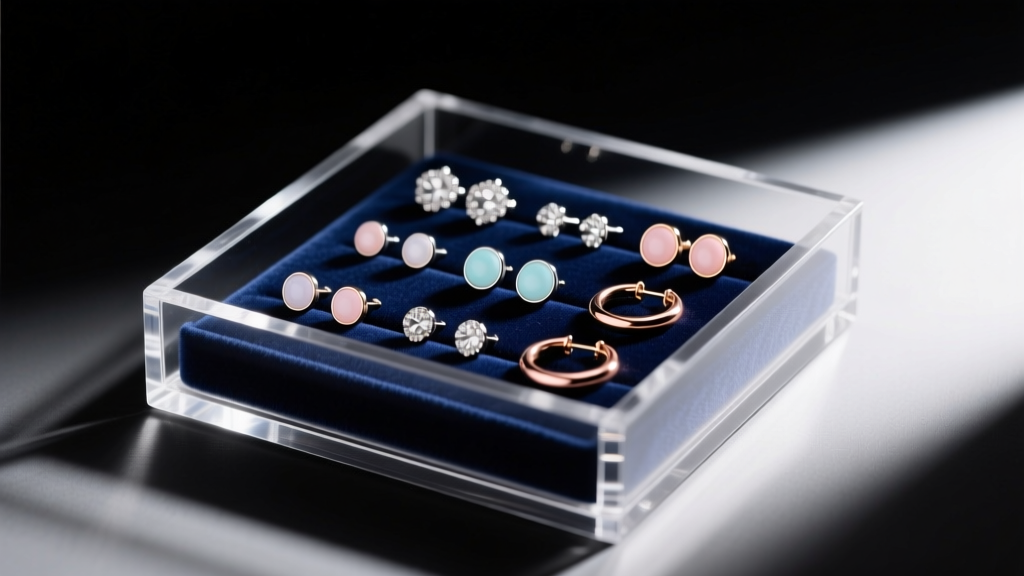
Pharmacy fashion earrings are highly susceptible to environmental tarnishing. Leaving them on a bathroom counter exposes them to high humidity and aerosolized hair products, which accelerate the degradation of gold plating and cause steel to develop a dull haze.
- Use Silica Gel Packets: Store your Walgreens fashion earrings in small ziplock bags with a silica gel packet to absorb ambient moisture.
- Anti-Tarnish Strips: For silver-plated or steel hoops, place a 3M anti-tarnish strip in your jewelry box. These strips absorb sulfur compounds in the air that cause blackening.
- Separate by Hardness: Never toss steel studs and plated brass hoops into the same compartment. Steel is significantly harder than brass and will scratch the softer gold plating upon contact.
When to Retire Your Pharmacy Earrings
While proper care can extend the life of affordable jewelry, it is vital to recognize when an earring has become a biological or structural hazard. Discard your earrings immediately if you notice:
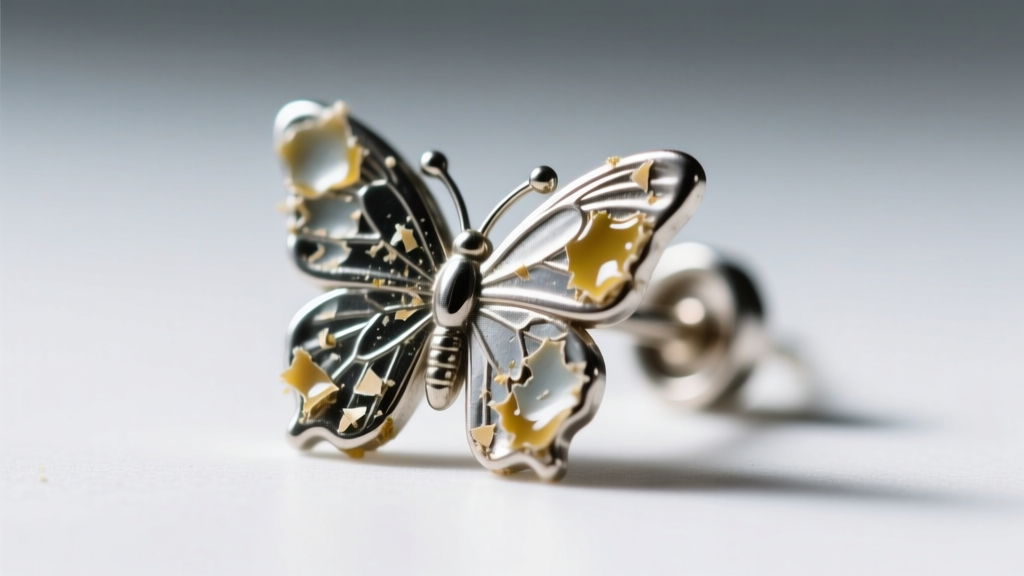
- Flaking or Peeling Plating: Once the base metal is exposed, the earring will continuously react with your skin oils and cannot be safely worn by anyone with metal sensitivities.
- Bent Posts: A bent 20-gauge or 18-gauge post creates micro-tears in the fistula (the piercing channel), introducing bacteria deep into the tissue. Attempting to bend it back weakens the metal's structural integrity.
- Compromised Tension Backs: If the butterfly clutch no longer grips the post securely, the risk of losing the earring or harboring trapped bacteria increases exponentially.
By treating your Walgreens earrings with the same material-specific respect as fine jewelry, you can safely enjoy affordable style without compromising your ear health. For further reading on safe piercing aftercare and metal allergies, consult the guidelines provided by the Association of Professional Piercers (APP).


