Kate Middleton Wore Princess Diana's Earrings on Remembrance Sunday: Materials
Analyze the Bahrain Pearl Drop earrings after Kate Middleton wore Princess Diana's earrings on Remembrance Sunday. Compare royal pearls, gold, and diamonds.

The Royal Provenance: Analyzing the Bahrain Pearl Drops
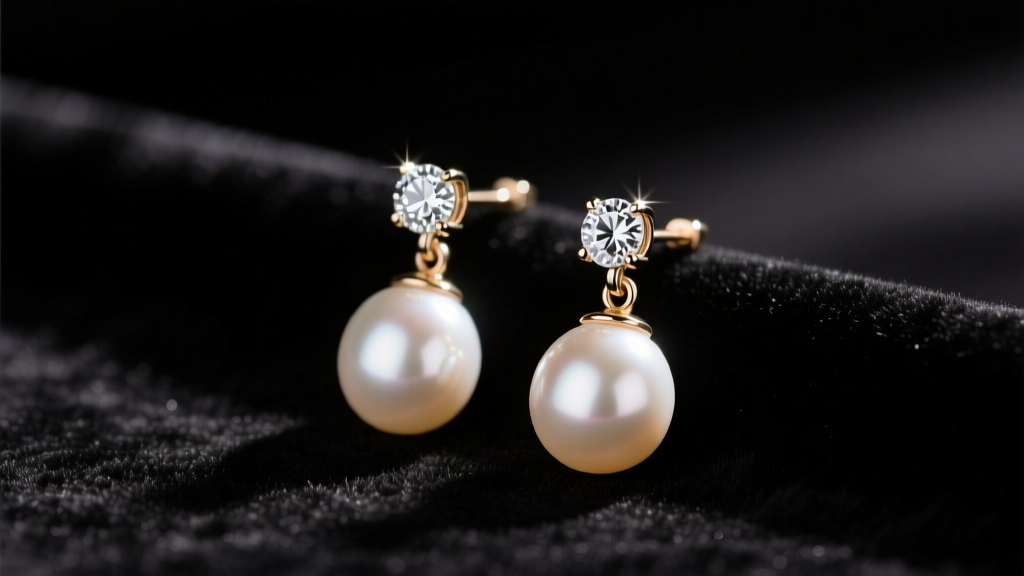
When Kate Middleton wore Princess Diana's earrings on Remembrance Sunday, it was not merely a poignant sartorial tribute; it was a masterclass in heirloom jewelry longevity. The pieces in question, widely identified by royal jewelry historians as the Bahrain Pearl Drop Earrings, showcase a level of material excellence that has allowed them to survive decades of continuous wear. Originally gifted to Queen Elizabeth II by the Hakim of Bahrain in 1947, these earrings were later passed to Diana, Princess of Wales, and subsequently integrated into the current Princess of Wales's rotation. For jewelry enthusiasts and gemologists, the moment Kate Middleton wore Princess Diana's earrings on Remembrance Sunday provided a rare, high-definition opportunity to study the material properties of mid-century royal commissions. In this comprehensive guide, we deconstruct the gemological and metallurgical properties of these iconic drops, comparing their historical materials to the modern alternatives available to collectors and bespoke jewelry buyers in 2026.
Material Breakdown: What Makes Royal Heirlooms Last?
The longevity of any fine earring relies on the interplay between its organic gemstones, crystalline accents, and metallic armature. The Bahrain drops utilize a classic triad: natural saltwater pearls, colorless diamonds, and high-karat yellow gold. Understanding the specific grades and physical properties of these materials is essential for anyone looking to replicate this aesthetic or invest in comparable heirloom-quality pieces.
The Pearls: Natural Saltwater vs. Modern Cultured Alternatives
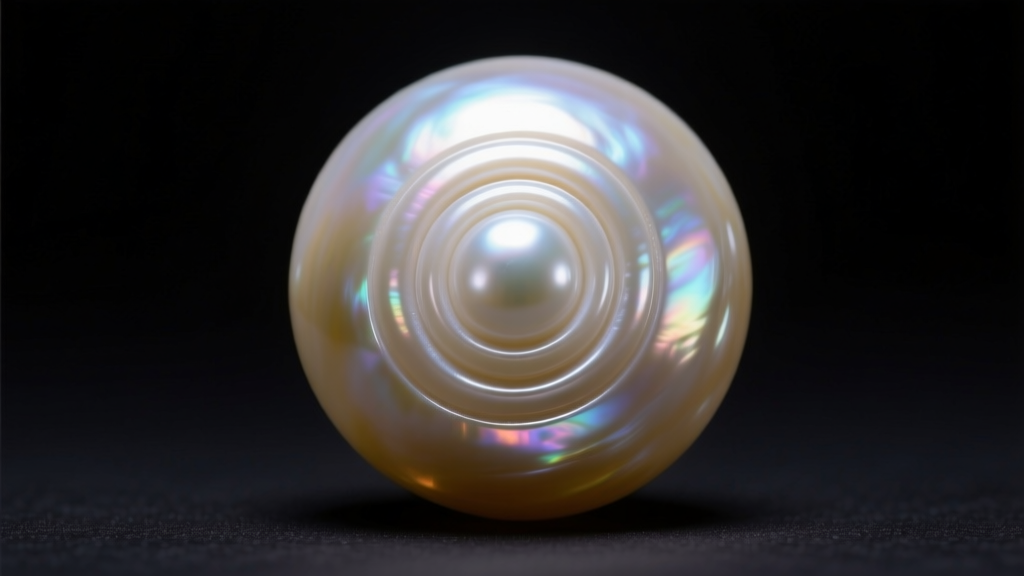
The most striking feature of these earrings is the large, pear-shaped pearls. Historically, pearls sourced from the Persian Gulf (including Bahrain) were natural saltwater pearls, formed entirely without human intervention. Natural saltwater pearls are composed almost entirely of nacre—the crystalline substance made of microscopic aragonite platelets held together by conchiolin. Because they lack the large mother-of-pearl bead nucleus found in modern bead-nucleated cultured pearls, natural pearls exhibit a distinct, deep-seated luster and a higher density.
According to the Gemological Institute of America (GIA), natural saltwater pearls from the Gulf are exceptionally rare today, commanding auction prices that can exceed $10,000 per carat for specimens with high luster and clean surfaces. On the Mohs scale of hardness, pearls sit at a fragile 2.5 to 3.0, making them highly susceptible to scratching and acid degradation. The survival of Diana's pearls in such pristine condition speaks to meticulous archival storage, away from the volatile organic compounds found in modern perfumes and cosmetics.
The Diamonds: Historic Cuts and Optical Performance
The pearls are suspended from diamond-encrusted caps, typically featuring a mix of round brilliant and baguette cuts. Mid-century royal jewelry often utilized Old European or transitional round cuts, which feature higher crowns, smaller tables, and larger culets compared to modern ideal cuts. While these vintage cuts sacrifice some of the aggressive scintillation (sparkle) of a 2026 modern round brilliant, they excel in broad-flash brilliance and fire, particularly in low, warm lighting environments typical of evening state events.
The baguette diamonds used in the geometric framing of the drops are step-cut, emphasizing clarity and transparency over sparkle. For modern replicas, jewelers typically source F-G color, VS1 clarity diamonds to ensure the metallic luster of the gold does not reflect through the stone, maintaining the crisp, icy white contrast against the warm pearls.
The Metal: 18k Yellow Gold Properties
The structural armature and post of the earrings are crafted from 18-karat yellow gold. Composed of 75% pure gold, 12.5% copper, and 12.5% silver, this specific alloy ratio yields the classic, rich yellow hue associated with European royal houses. Pure 24k gold (with a Vickers hardness of roughly 25 HV) is far too soft for earring posts, which are subject to bending and shear stress. The 18k alloy increases the Vickers hardness to approximately 125 HV, providing the necessary tensile strength to support the heavy pearl drops without the post warping during insertion or wear.
Comparative Analysis: Heirloom vs. Modern Replicas
For collectors looking to capture the essence of the Bahrain drops, understanding how historical materials map to modern market options is critical. The table below outlines the material substitutions required to create a visually identical, yet structurally modern, pair of pearl drop earrings.
| Material Component | Historical Royal Heirloom (c. 1947) | Modern 2026 High-End Replica | Budget-Friendly Alternative |
|---|---|---|---|
| Pearl Type | Natural Saltwater (Persian Gulf) | Cultured South Sea (White/Silver) | Cultured Freshwater (Edison Pearl) |
| Nacre Thickness | 100% Solid Nacre | 2.0mm - 4.0mm over bead nucleus | Solid nacre (nucleated with tissue) |
| Diamond Quality | Transitional Cut, H-I Color, SI1 | Ideal Cut, F-G Color, VS1+ | Lab-Grown, D-E Color, VVS2 |
| Gold Alloy | 18k Yellow Gold (75% Au) | 18k Yellow Gold (Palladium de-alloyed) | 14k Yellow Gold (58.5% Au) |
| Post Gauge | 16g or 18g (Custom thick) | 18g (1.0mm) Standard Luxury | 20g (0.8mm) Commercial Standard |
Wearability & Conversion: Gauges and Backings
One of the most overlooked aspects of vintage earring analysis is the post gauge and backing mechanism. When Kate Middleton wore Princess Diana's earrings on Remembrance Sunday, the structural integrity of the post was on full display. Heavy pearl drops require a thicker post to prevent the earring from drooping or tearing the earlobe. While modern commercial earrings universally use 20-gauge (0.81mm) or 22-gauge (0.64mm) posts, historical royal pieces were frequently fitted with 18-gauge (1.02mm) or even 16-gauge (1.29mm) posts.
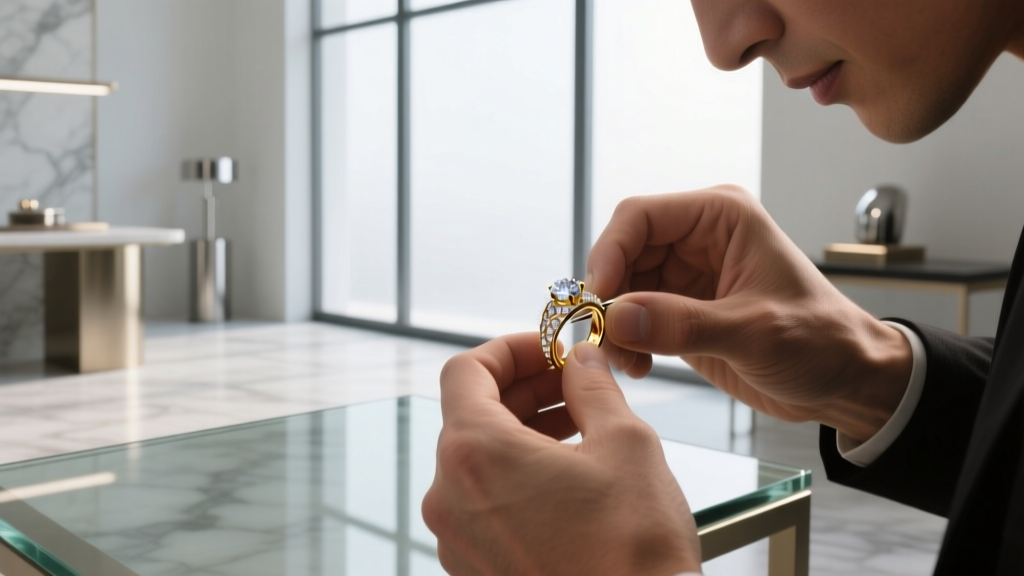
If you are sourcing vintage pearl drops or having custom pairs made to mimic the royal aesthetic, always specify an 18-gauge post. Furthermore, the backing must be a heavy-duty friction back or a custom screw-back. Standard butterfly backs lack the surface area to support a 10-gram pearl drop, leading to lobe fatigue and potential loss. In 2026, many high-end jewelers are adopting silicone-lined, wide-disk friction backs that distribute the weight across a 12mm surface area on the rear of the earlobe, drastically improving comfort for heavy statement pieces.
Sourcing Your Own Pearl Drop Earrings in 2026
Replicating the royal look requires a disciplined approach to material selection. If you are commissioning a bespoke pair, prioritize the pearl's luster grade over its exact millimeter size. According to gemological standards, a 9mm AAA-grade South Sea pearl with sharp, mirror-like luster will photograph and perform far better than an 11mm pearl with chalky, degraded nacre. For the diamond caps, consider utilizing lab-grown diamonds. The GIA's comprehensive diamond grading applies equally to lab-grown stones, allowing you to secure flawless, D-color step-cuts for the baguettes at a fraction of the earth-mined cost, freeing up capital to invest in a superior pearl.
Ultimately, the enduring legacy of these royal earrings proves that exceptional material quality transcends fleeting trends. By understanding the specific gravity, hardness, and optical properties of pearls, diamonds, and gold, you can curate a personal collection that possesses the same generational resilience as the royal vault.


