2026 Gift Guide: Bead Earrings DIY for Every Occasion
Discover the ultimate 2026 gift guide for bead earrings DIY projects. Learn wire gauges, bead materials, and occasion-matching designs.

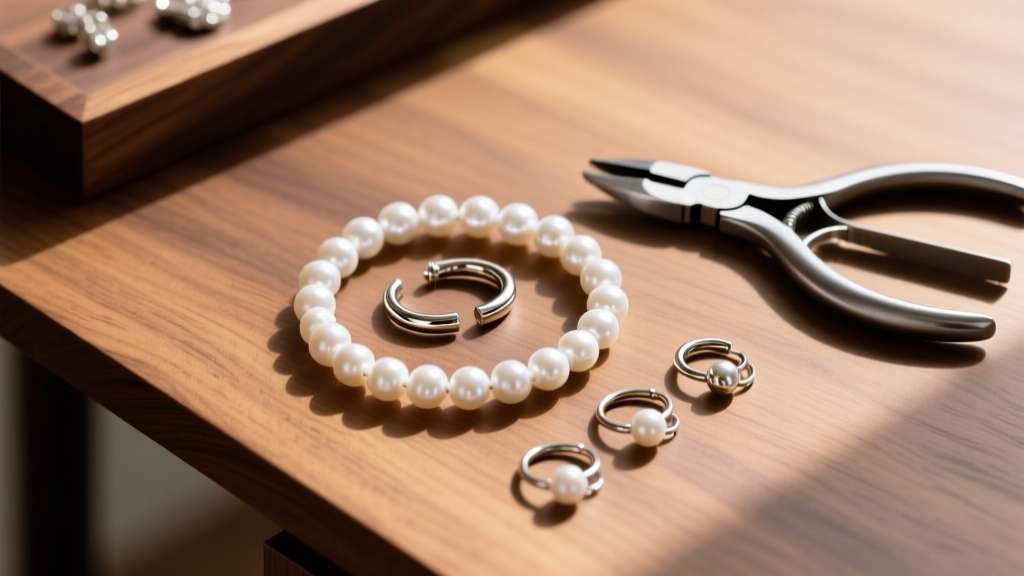
The Art of Gifting Handmade: Why DIY Bead Earrings Win in 2026
In 2026, the jewelry gifting landscape has shifted decisively away from mass-produced, fast-fashion accessories toward hyper-personalized, sustainably crafted pieces. When you embark on a bead earrings DIY journey for your loved ones, you are not just giving an accessory; you are gifting intention. Handmade earrings allow you to control every variable, from the hypoallergenic properties of the ear wire to the exact colorway of the gemstone beads. Whether you are crafting for a corporate milestone, a bohemian festival-goer, or an elegant evening gala, mastering the technical aspects of jewelry assembly ensures your gifts look professionally bench-made rather than amateurishly crafted.
"The most memorable jewelry gifts are those that reflect the wearer's specific lifestyle and sensitivities. Handmade pieces allow for complete material transparency, which is increasingly demanded by consumers in 2026." — Contemporary Jewelry Design Journal
Essential Hardware: Wire Gauges, Findings, and Crimping Specs
The most common failure point in homemade earrings is the use of incorrect wire gauges and low-grade base metals. Craft store spools often contain plated brass that will tarnish within weeks and cause contact dermatitis. To elevate your bead earrings DIY projects, source professional-grade materials from reputable suppliers like Rio Grande or Fire Mountain Gems.
| Wire Gauge | Diameter (mm) | Best Application | Recommended 2026 Material |
|---|---|---|---|
| 20-Gauge | 0.81 mm | Ear wires, jump rings, structural frames | Niobium or Implant-Grade Titanium (ASTM F136) |
| 22-Gauge | 0.64 mm | Lightweight linking, simple loops | Argentium Sterling Silver (tarnish-resistant) |
| 24-Gauge | 0.51 mm | Wire wrapping, briolette top-wraps | 14/20 Gold-Filled (not gold-plated) |
| 26-Gauge | 0.40 mm | Micro-macrame, tiny seed bead weaving | Dead-Soft Copper or Fine Silver |
Pro Tip on Crimping: Abandon round crimp beads in favor of cylindrical crimp tubes (2mm x 2mm in sterling silver). When used with a specialized crimping plier, tubes fold into a neat, secure U-shape that can be concealed inside a 3mm metal crimp cover, mimicking the look of a seamless metal bead.
Occasion-Matching Matrix: Selecting Beads by Event
Matching the bead material and silhouette to the recipient's lifestyle is what separates a thoughtful gift from a generic one. Here is how to tailor your designs for specific 2026 occasions.
1. The Corporate Milestone (Minimalist & Professional)
For the office environment, earrings must be lightweight, silent (no clinking charms), and understated. Avoid long dangles that can catch on clothing or headset cords.
- Bead Selection: AAA-grade 6mm round freshwater pearls or 4mm matte onyx rondelles. According to the Gemological Institute of America (GIA), AAA pearls possess high luster and clean surfaces, perfect for subtle boardroom elegance.
- Design: A simple wrapped loop on a 20-gauge Argentium silver ear wire. The wrapped loop prevents the bead from spinning and ensures the wire never pokes the wearer behind the ear.
- Cost Per Pair: $4.50 - $7.00 (materials only).
2. The Summer Festival Goer (Bohemian & Textured)
Festival jewelry thrives on texture, asymmetry, and earthy tones. This is the perfect opportunity to experiment with mixed media and heavier, more sculptural beads.
- Bead Selection: Turquoise heishi beads, hammered copper spacers, and matte lava stone. These materials withstand sweat and humidity far better than dyed glass or porous dyed howlite.
- Design: A multi-strand tassel or a staggered drop earring using 22-gauge copper wire. Leave the wire unpolished to allow for a natural, organic patina to develop over the summer.
- Cost Per Pair: $3.00 - $5.50.
3. The Evening Gala (High-Impact & Luxe)
Formal events demand light-catching faceting and premium metals. Since Swarovski restricted its consumer sales, Preciosa Maxima crystals have become the 2026 gold standard for DIYers seeking high-refractive-index brilliance.
- Bead Selection: Preciosa Maxima teardrop briolettes (10x14mm) paired with tiny 2mm cubic zirconia spacers.
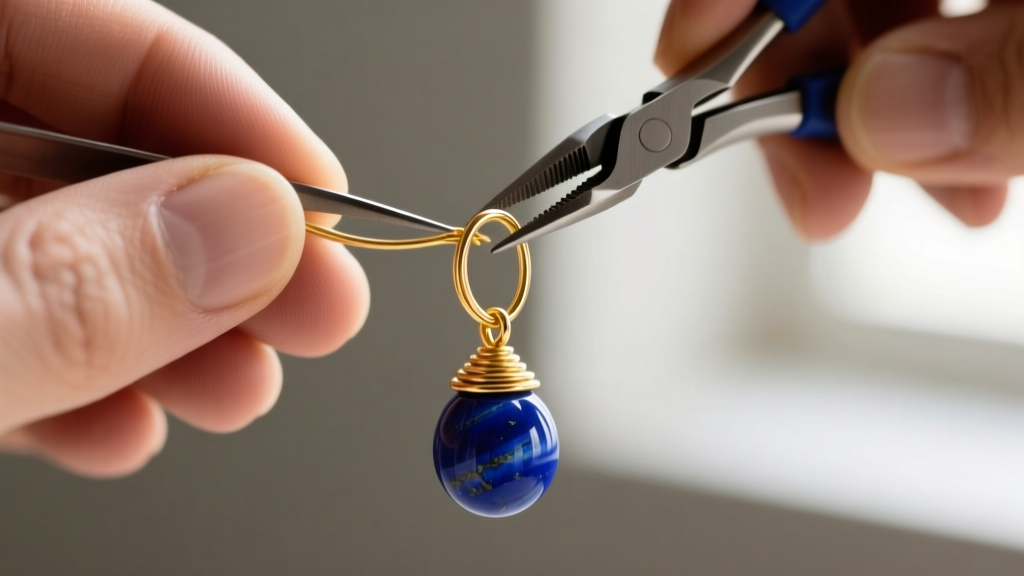
- Design: A complex wire-wrapped bail using 24-gauge 14/20 gold-filled wire, suspended from a leverback ear wire (which offers more security than a standard fishhook for heavy stones).
- Cost Per Pair: $12.00 - $18.00.
Step-by-Step Assembly: Avoiding the 'Homemade' Look
The difference between a craft-fair trinket and a boutique-quality gift lies in the finishing techniques. Follow these strict assembly rules to ensure your bead earrings DIY projects pass the professional test.
- Always Use Flush Cutters: Standard craft scissors or angled cutters leave a sharp 'pinch' at the end of the wire. Use flush cutters (like those from Swanstrom or Lindstrom) to create a perfectly flat, flush cut that won't snag hair or scratch skin.
- Work-Harden Your Wire: Dead-soft wire is easy to bend but will lose its shape during wear. After forming your ear wires, tumble them in a rotary tumbler with stainless steel shot and a drop of burnishing compound for 45 minutes. This work-hardens the metal without altering its finish.
- File the Ear Wire Tips: Even with flush cuts, the tip of an ear wire can be microscopically sharp. Use a cup burr attached to a rotary tool, or a fine-grit jeweler's file, to round off the tip that enters the piercing. Follow up with 600-grit sandpaper for a glass-smooth finish.
- Seal Your Knots: If you are working with silk thread or bead cord for knotted pearl earrings, never use standard superglue, which dries brittle and white. Use a flexible jewelry adhesive like G-S Hypo Cement, applying a microscopic drop directly into the knot before trimming the tail.
Packaging & Presentation: Elevating the Unboxing
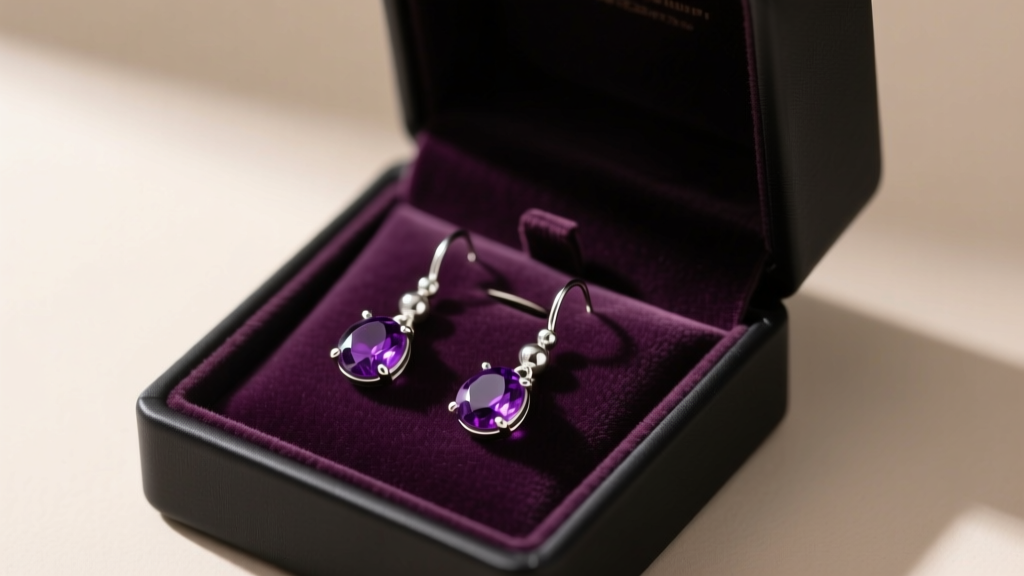
In 2026, the unboxing experience is just as critical as the jewelry itself. Handmade gifts require packaging that communicates value and protects the materials.
- Anti-Tarnish Strips: Always include a 3M anti-tarnish strip inside the box, especially if gifting Argentium silver or copper. This intercepts sulfur compounds in the air, keeping the metal bright for months.
- Insert Material: Avoid cheap polyurethane foam, which can off-gas and damage certain gemstones over time. Opt for acid-free, lignin-free cotton inserts or plush velvet pads.
- Care Cards: Print a small, heavy-cardstock insert detailing the exact materials used (e.g., '14k Gold-Filled Wire, Preciosa Crystal, Implant-Grade Titanium Post'). Include specific care instructions, such as 'Remove before swimming' or 'Clean with a mild, phosphate-free dish soap'.
Sourcing & Budget: Maximizing Your Gifting ROI
Buying retail jewelry means paying a 300% to 500% markup for brand names and retail overhead. By sourcing components wholesale, your budget stretches exponentially. A $50 investment in a spool of 14/20 gold-filled wire and a handful of AAA gemstone strands from a dedicated lapidary supplier can yield up to 15 pairs of high-end earrings. This allows you to curate a complete, bespoke holiday gift list for your entire circle, ensuring every recipient receives a piece of jewelry that is structurally sound, dermatologically safe, and perfectly matched to their personal aesthetic.


