Dragon Ball Z Potara Earrings: A Beginner's Guide to Safe Wear
Discover how to safely wear and style Dragon Ball Z Potara earrings. Learn about hypoallergenic metals, gauge sizes, and everyday cosplay styling tips.

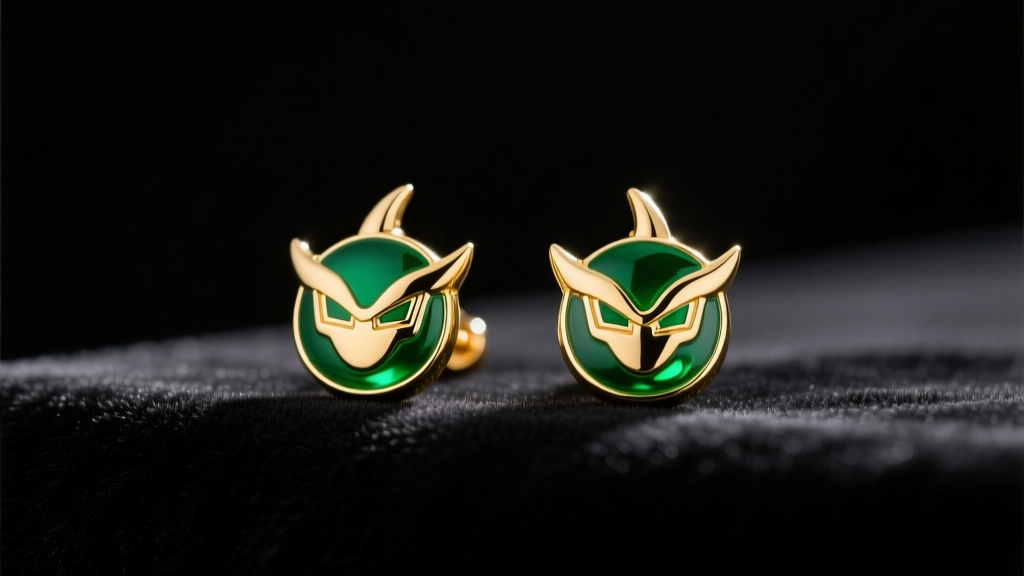
For fans of anime history, few accessories carry the iconic weight of the Supreme Kai’s fusion gear. Dragon Ball Z Potara earrings are more than just cosplay props; they are a recognizable symbol of power, unity, and one of the most celebrated story arcs in shonen history. However, transitioning these fictional artifacts into real-world jewelry presents a unique set of challenges for beginners. The market is flooded with cheap, mass-produced replicas that can cause severe allergic reactions, tear delicate piercings, and ruin the cosplay experience.
As we navigate the 2026 convention season and the rising trend of subtle "geek-chic" everyday fashion, understanding the metallurgy, weight distribution, and proper gauge sizing of fandom jewelry is essential. This beginner-friendly explainer will teach you how to source, wear, and style Potara earrings safely without sacrificing your ear health or your aesthetic.
The Anatomy of a Potara Earring
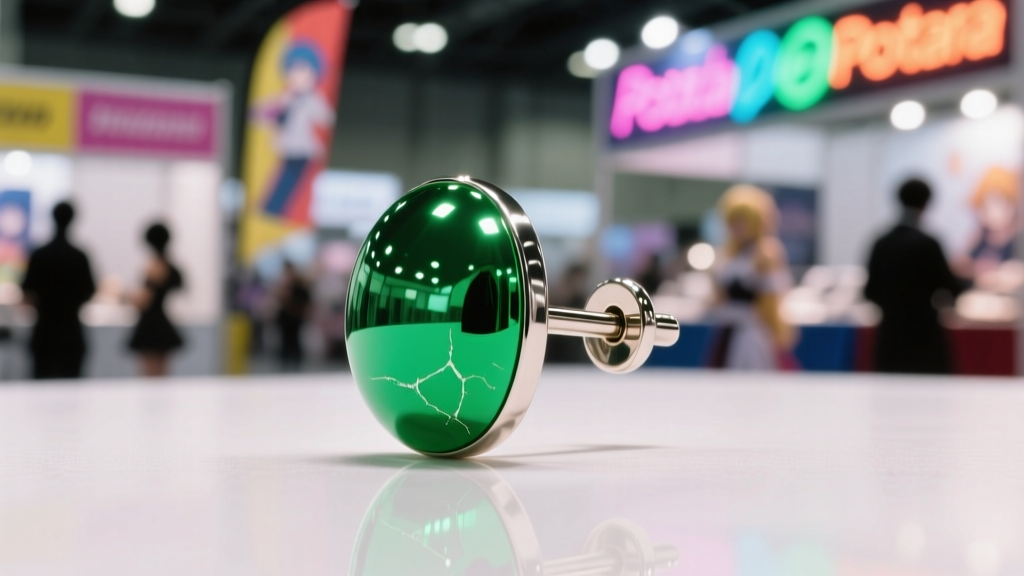
In the Dragon Ball Wiki, Potara are depicted as large, dangling earrings worn by the Supreme Kais, featuring a distinctive green orb encased in a gold or silver metallic housing. When translated into real-world jewelry, this design typically manifests in two ways:
- The Classic Dangle: A hook or post that suspends a heavy, oversized green enameled orb. This is the most screen-accurate but poses the highest risk for lobe stretching.
- The Subtle Stud: A smaller, lightweight interpretation where the green orb sits flush against the earlobe, often surrounded by a minimalist gold bezel. Ideal for everyday wear and office environments.
Understanding which style you are purchasing is the first step in determining the necessary backing mechanisms and piercing requirements.
Metallurgy and Material Safety: Avoiding Cosplay Rash
The most critical mistake beginners make when buying anime jewelry is prioritizing screen accuracy over material safety. Most budget-friendly Dragon Ball Z Potara earrings found on mass-market dropshipping sites are cast from zinc alloy or Tibetan silver. These base metals almost always contain nickel, a common allergen that causes contact dermatitis, resulting in itchy, red, and weeping earlobes.
According to the Association of Professional Piercers (APP), only specific implant-grade materials should be worn in the body. When shopping for Potara replicas, look for these safe material grades:
1. Implant-Grade Titanium (ASTM F136)
The gold standard for sensitive ears. Titanium is completely nickel-free, lightweight, and highly resistant to corrosion. If you are buying a heavy dangle style, a titanium post will reduce the overall weight on your lobe while guaranteeing zero allergic reaction.
2. 316L Surgical Stainless Steel
A highly acceptable and more affordable alternative. While it contains trace amounts of nickel, the alloy is bound in a way that prevents leaching for most people. However, those with severe nickel allergies should still opt for titanium.
3. Solid 14k or 18k Gold
For high-end, custom-jeweler commissions, solid gold provides a beautiful, screen-accurate yellow hue without the need for toxic gold plating over cheap brass. Avoid "gold-plated zinc," as the plating will wear off within weeks, exposing your skin to base metals.
Gauge Sizing and Piercing Compatibility
Fictional characters don't have to worry about piercing gauges, but you do. The "gauge" refers to the thickness of the metal post that passes through your ear. Standard ear piercings done at professional studios are typically 18G or 16G, while mall kiosk piercings often use 20G. Many cheap cosplay earrings use thick, poorly filed 14G wires that can micro-tear the fistula (the piercing hole), leading to scar tissue buildup.
Use the following reference chart to ensure your Dragon Ball Z Potara earrings match your current piercing size:
| Gauge Size | Millimeter (mm) | Best Use Case for Potara Earrings |
|---|---|---|
| 20G | 0.81mm | Standard for lightweight stud versions; fits almost all healed lobe piercings. |
| 18G | 1.02mm | The safest bet for medium-weight dangles; provides structural integrity without stretching. |
| 16G | 1.29mm | Common for heavy, oversized convention pieces. Requires a fully healed, mature piercing. |
| 14G | 1.63mm | Avoid unless you have intentionally stretched your lobes. Will cause pain and tearing in standard piercings. |
Pro-Tip: If you purchase a pair of Potara earrings with a post that feels too thick, never force it through your ear. Take the earrings to a local professional piercer or jeweler who can safely downsize the post to an 18G titanium wire in minutes.
Weight Distribution and Lobe Care
The Supreme Kais may possess divine ki, but human earlobes are made of delicate skin and fatty tissue. The classic Potara dangle design is inherently bottom-heavy. Wearing heavy enameled orbs for eight hours on a convention floor will lead to "earlobe droop," pain, and potential tearing.
To combat gravity, you must utilize proper support mechanics:
- Silicone Support Discs: These are small, clear silicone pads that slide onto the earring post behind the earlobe. They distribute the weight of the heavy Potara orb across a wider surface area, preventing the metal post from slicing downward through the piercing hole.
- O-Rings and Screw Backs: Standard friction backs (butterfly clasps) will easily slip off under the weight of a dangle. Swap them out for silicone O-rings or secure screw-backs to ensure your expensive cosplay gear doesn't get lost in a crowded dealer's hall.
- The Tape Method: For extremely heavy, oversized convention pieces, professional cosplayers often use a small piece of translucent medical tape behind the lobe, punching the earring post through the tape to provide an artificial, reinforced anchor point.
Styling Potara Earrings: From Convention to Streetwear
Integrating fandom jewelry into a daily wardrobe requires a balance of subtlety and personal expression. The loud, oversized green dangles are perfect for cosplay, Comic-Cons, and anime watch parties. However, for everyday streetwear, the "geek-chic" approach relies on subtlety.

Opt for miniature Potara studs (around 6mm to 8mm in diameter) crafted from 14k gold with a deep emerald or jade enamel inlay. These mimic the color palette and shape of the Supreme Kai's earrings without screaming "costume." They pair exceptionally well with minimalist streetwear, denim jackets, and monochromatic tech-wear. By treating the Potara design as a piece of geometric, color-blocked jewelry, you can wear your fandom proudly in professional or casual settings without breaking character.
Cleaning and Enamel Maintenance
The vibrant green color of Potara replicas is almost always achieved through cold enamel (epoxy resin) or baked enamel. This means you must completely avoid ultrasonic jewelry cleaners and harsh chemical dips, which will cloud, crack, or strip the green paint right off the metal housing.
To clean your earrings after a long day of wear, use a mild, fragrance-free liquid soap and warm water. Gently scrub the metal posts with a soft-bristled baby toothbrush to remove sebum and dead skin cells, but avoid scrubbing the enameled orb. Pat dry with a microfiber cloth. Store them in a soft pouch away from direct sunlight, as prolonged UV exposure can cause cheap green enamels to yellow or fade over time.
By prioritizing implant-grade materials, respecting your piercing gauge, and managing weight distribution, you can safely fuse your love for Dragon Ball Z with high-quality jewelry practices. Whether you are stepping onto the convention floor or heading to the office, your Potara earrings will remain a powerful, comfortable, and stylish extension of your personal aesthetic.


