Ear Hook Earrings: The Ultimate Metal & Material Guide
Discover the best metals for ear hook earrings. Compare titanium, gold, and niobium for durability, hypoallergenic properties, and gauge strength.

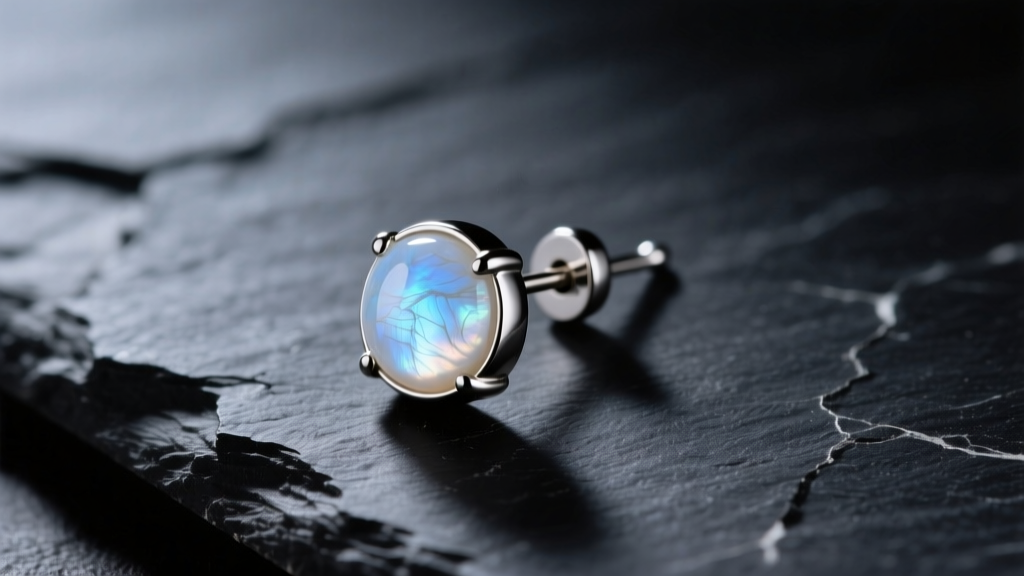
When selecting ear hook earrings—often referred to as French wires, shepherd hooks, or fishhooks—the aesthetic appeal of the dangling charm often overshadows the most critical component: the hook itself. The hook is the structural anchor of the earring. It must navigate the delicate fistula of your piercing, support the kinetic weight of the drop, and maintain its tensile memory to prevent slipping out. With a heightened consumer awareness of contact dermatitis and metal fatigue, understanding the metallurgical properties of your ear hook earrings is no longer optional for serious jewelry collectors. This guide dissects the material science behind ear hooks, evaluating tensile strength, biocompatibility, and long-term wearability.
The Biomechanics of an Ear Hook: Why Material Dictates Longevity
An ear hook is essentially a cantilever spring. It relies on the elastic limit of the metal to maintain its curved shape while allowing just enough flex to pass through the earlobe. If the metal's yield strength is too low, the hook will permanently deform (stretch open) under the weight of a heavy dangle. If the metal is too brittle, it will snap during insertion.
Furthermore, the hook is in constant, prolonged contact with the intradermal tissue of the piercing channel. This makes biocompatibility paramount. Nickel is the most common culprit behind allergic contact dermatitis in jewelry. Many commercial ear hook earrings utilize base metal alloys plated with a microscopic layer of gold or silver, which inevitably wears away, exposing the skin to nickel and copper. Choosing the right base material prevents both physical failure and biological rejection.
Tier 1: The Hypoallergenic Heavyweights (Titanium and Niobium)
For sensitive ears and newly healed piercings, elemental purity and specific alloy grades are non-negotiable.
Implant-Grade Titanium (ASTM F136)
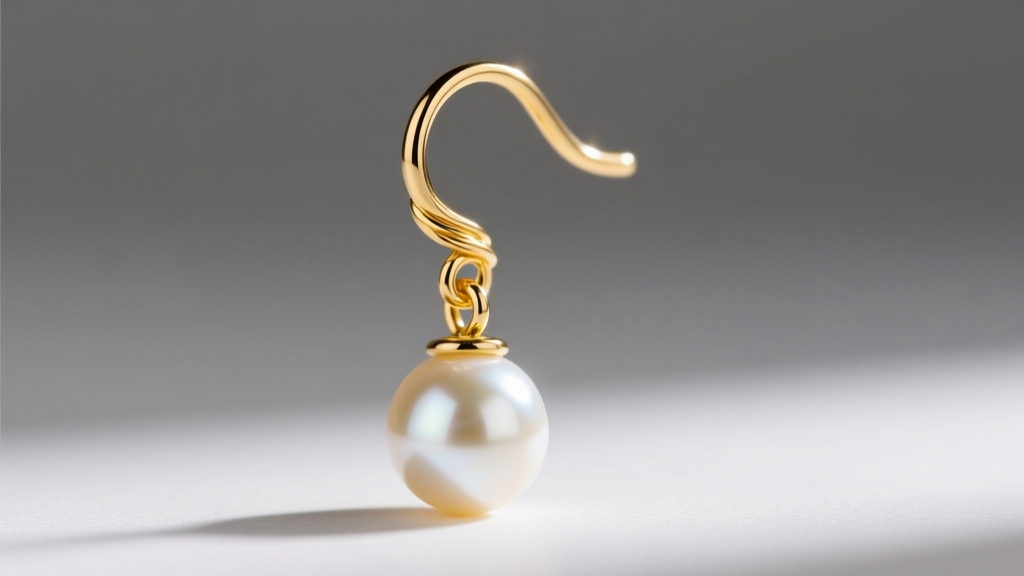
Not all titanium is created equal. Commercially pure (CP) titanium is relatively soft, but Implant-Grade Titanium (Ti-6Al-4V ELI), certified to ASTM F136 standards, offers an exceptional strength-to-weight ratio. The Association of Professional Piercers (APP) strictly recommends ASTM F136 for initial piercings due to its passive oxide layer, which prevents corrosion and allergic reactions. For ear hook earrings, F136 titanium provides the necessary 'spring-back' memory, ensuring the hook retains its shepherd's crook shape even when supporting heavy gemstone drops.
Niobium
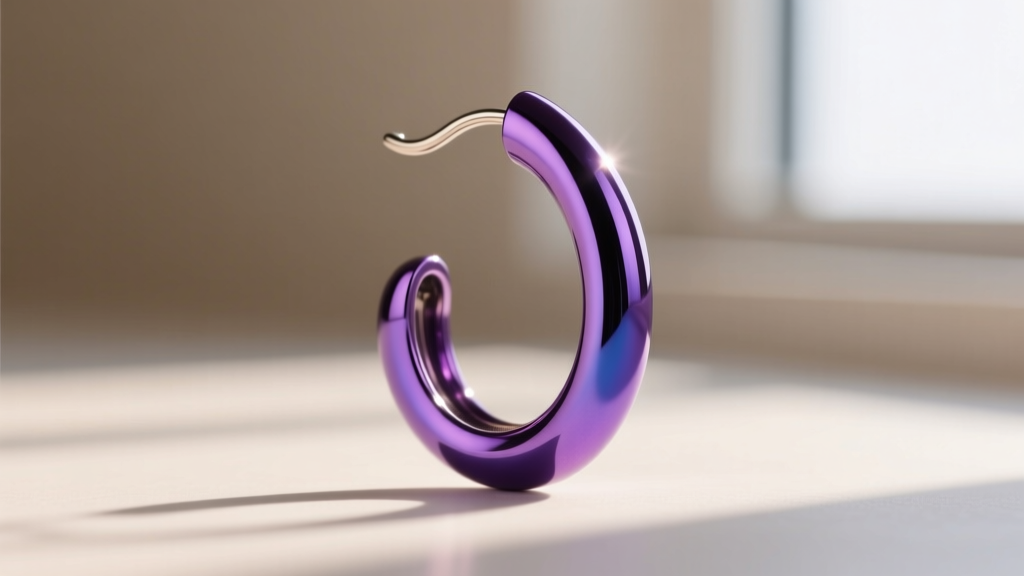
Niobium is a highly reactive, hypoallergenic elemental metal. Unlike titanium, which is an alloy, niobium is used in its pure form. Its standout property for jewelry makers is its ability to be anodized—using electricity to alter the surface oxide layer, creating vibrant, permanent colors without dyes or plating. While slightly softer than F136 titanium, niobium ear hooks are exceptionally malleable, allowing wearers to gently adjust the tension of the hook to their specific lobe thickness without risking metal fatigue or snapping.
Tier 2: Precious Metals and Alloy Pitfalls (Gold and Silver)
Precious metals offer unmatched prestige and color, but their metallurgical quirks require careful navigation when used in wire-form jewelry like ear hooks.
14k vs. 18k Gold: The Hardness Trade-off
Pure 24k gold is far too soft for ear hooks; it would bend under the weight of a lightweight pearl. Therefore, gold is alloyed with metals like copper, silver, and zinc. 18k gold (75% pure) offers a rich color but remains relatively soft, making it prone to deformation if used for thin 22-gauge hooks. According to jewelry metallurgy data from Rio Grande, 14k gold (58.5% pure) is significantly harder and more durable, making it the superior choice for the structural integrity of ear hook earrings.
Warning regarding White Gold: Traditional white gold is alloyed with nickel to achieve its silvery hue. If you have a known metal sensitivity, avoid standard 14k or 18k white gold ear hooks unless they are specifically alloyed with palladium (a platinum group metal) instead of nickel.
Argentium Silver vs. Traditional Sterling
Standard sterling silver (92.5% silver, 7.5% copper) is notorious for tarnishing due to the copper content reacting with sulfur and moisture in the air—and in your piercing channel. Argentium silver replaces a portion of the copper with germanium. This creates a transparent germanium oxide layer on the surface that drastically slows tarnishing. For ear hook earrings, Argentium is vastly superior to standard sterling, as it reduces the need for aggressive polishing that can wear down the wire gauge over time.
Comprehensive Material Comparison Matrix
To make an informed purchasing decision, reference this matrix comparing the most common materials used in ear hook earrings.
| Material | Tensile Strength / Hardness | Hypoallergenic Rating | Avg. Price Range | Best Application |
|---|---|---|---|---|
| ASTM F136 Titanium | Very High (Excellent spring memory) | 10/10 (Biocompatible) | $15 - $45 | Heavy drops, sensitive ears, daily wear |
| Niobium | Medium (Highly malleable) | 10/10 (Elemental) | $12 - $35 | Color-anodized hooks, adjustable tension |
| 14k Yellow/Rose Gold | High (Durable alloy) | 7/10 (Check for nickel) | $40 - $120+ | Medium drops, luxury everyday wear |
| 18k Yellow Gold | Medium-Soft (Prone to bending) | 8/10 (Less alloy metals) | $80 - $200+ | Lightweight charms, occasional wear |
| Argentium Silver | Medium (Tarnish-resistant) | 6/10 (Copper/Germanium) | $20 - $60 | Budget-friendly, low-maintenance silver |
Gauge Thickness and Tensile Strength: Preventing Deformation
The gauge (thickness) of the wire is just as critical as the material. In the context of ear hook earrings, gauge dictates both comfort and load-bearing capacity.
- 22-Gauge (0.64mm): The thinnest standard option. While it slides effortlessly through tight fistulas, 22g wire lacks the tensile strength to support heavy dangles. It is highly susceptible to bending and losing its tension loop. Best reserved for lightweight, minimalist charms.
- 20-Gauge (0.81mm): The industry standard and the optimal sweet spot for ear hooks. A 20g wire in 14k gold or F136 titanium provides ample structural support for medium-weight drops while remaining comfortable for standard lobe piercings (which are typically pierced at 20g or 18g).
- 18-Gauge (1.02mm): Used for heavy, statement-making chandelier earrings or cartilage conversions. However, forcing an 18g hook through a 20g piercing can cause micro-tears in the fistula, leading to irritation bumps and delayed healing.
Maintenance and Tension Troubleshooting
Even the highest quality ear hook earrings can lose their tension over time due to the repetitive mechanical stress of insertion and removal. When a hook stretches open, it risks falling out and losing the earring.
To re-tension a deformed ear hook, never use standard steel jewelry pliers, as their serrated teeth will mar the metal's finish and create microscopic grooves that harbor bacteria. Instead, invest in a pair of nylon jaw pliers. Gently grip the curve of the hook and apply slight inward pressure to restore the original shepherd's crook geometry. For titanium and niobium hooks, you can use your clean thumbs to gently squeeze the loop closed, relying on the metal's natural malleability.
Additionally, always store ear hook earrings in individual soft pouches or compartmentalized boxes. When tossed loosely into a jewelry dish, the hooks will inevitably snag on other chains and rings, warping the wire and scratching the accompanying gemstones.
Final Verdict: Choosing Your Ideal Ear Hook Material
The perfect pair of ear hook earrings balances aesthetic desires with biomechanical reality. If your priority is absolute biocompatibility and structural memory for heavy drops, ASTM F136 Titanium is the undisputed champion. For those seeking vibrant, customizable colors without the risk of plating wear-off, Niobium is an exceptional alternative. If you prefer the traditional warmth of precious metals, opt for 14k yellow or rose gold in a 20-gauge thickness to ensure the hook maintains its tension and resists deformation over years of daily wear. By prioritizing material science over mere appearance, you ensure your ear hooks remain secure, comfortable, and beautiful for a lifetime.


