Earring Plaza New York City: Troubleshooting Repairs & Fakes
Bought jewelry in the city? Learn how to troubleshoot, authenticate, and repair common issues from Earring Plaza New York City vendors and diamond districts.

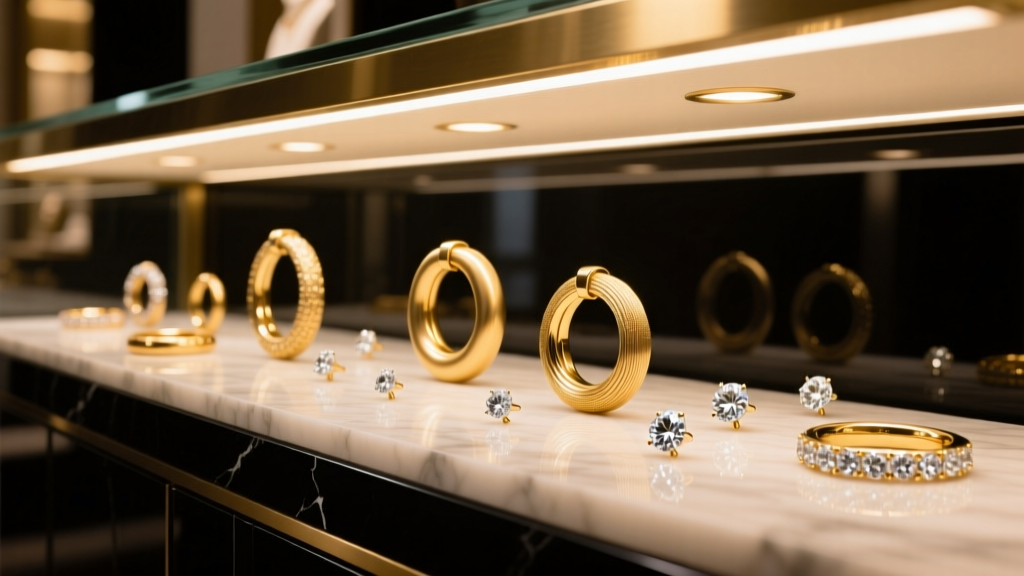
When out-of-town visitors ask locals for directions to an earring plaza new york city veterans know they aren't referring to a single, monolithic shopping mall. Instead, they are usually talking about the dense, high-pressure retail corridors of the Diamond District on 47th Street, the bustling jewelry exchanges in Midtown, or the pop-up luxury kiosks scattered through tourist-heavy plazas. While these hubs offer incredible access to wholesale diamonds, custom goldwork, and rare vintage pieces, they are also rife with pitfalls for the uneducated buyer. From misstated karat weights to structural weaknesses in mass-cast settings, troubleshooting jewelry purchased in NYC's high-volume plazas requires a deep understanding of metallurgy, gemology, and precision repair techniques.
Whether you are dealing with a sudden allergic reaction to a pair of 'hypoallergenic' studs bought near Herald Square, or a snapped hinge on a heavy 14k gold huggie from a 47th Street vendor, this guide provides actionable, expert-level troubleshooting frameworks to salvage, authenticate, and repair your investments.
The 'Surgical Steel' and Nickel Allergy Trap
One of the most common complaints we see from tourists who bought earrings at high-traffic NYC plazas is severe contact dermatitis. Vendors frequently market cheap fashion earrings as 'surgical steel' or 'hypoallergenic.' In reality, what is often being sold is 316L stainless steel, which contains between 8% and 10.5% nickel. For the 15-20% of the population with nickel sensitivities, this guarantees an itchy, weeping earlobe within 48 hours.
Troubleshooting the Allergy: Post Retrofitting
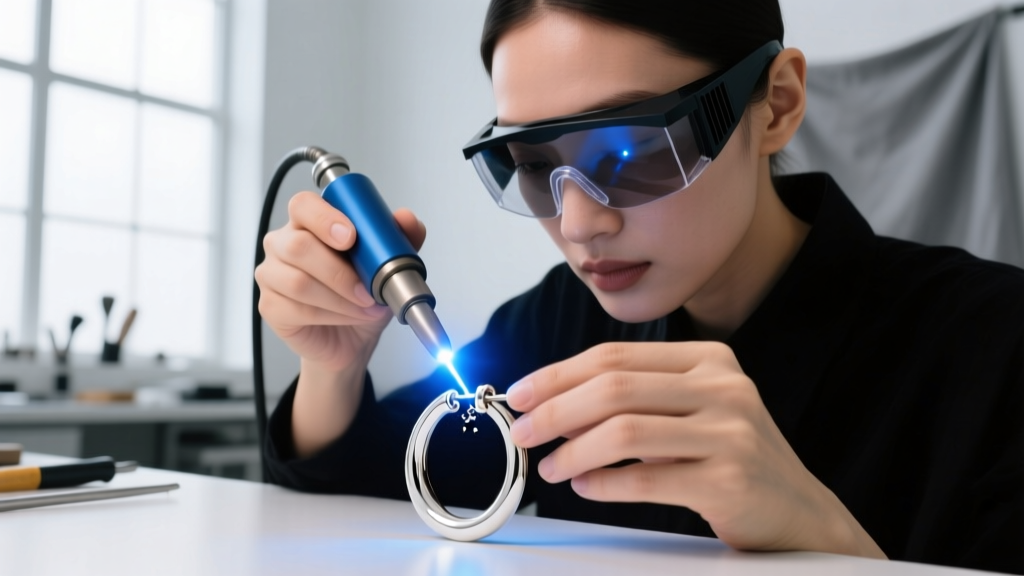
You do not need to throw away the earring heads if the decorative portion is high quality. The solution is a post retrofit. A skilled bench jeweler can snip off the offending steel post and laser-weld a new, biocompatible post in its place.
- ASTM F136 Titanium: The gold standard for hypersensitive ears. Contains zero nickel and is highly corrosion-resistant.
- Niobium: Another excellent, highly inert alternative that can be anodized to match various metal colors.
- 14k or 18k White Gold (Nickel-Free): Ensure the jeweler uses a palladium-based white gold alloy rather than a nickel-based one.
Cost Expectation: In 2026, retrofitting a pair of titanium posts onto existing earring heads in the Diamond District typically costs between $45 and $85, depending on the complexity of the solder joint.
Structural Failures: Bent Posts and Stripped Backs
If you purchased heavy diamond studs or solid gold hoops, you may notice the posts bending easily or the butterfly backings losing their grip. This is a metallurgical issue tied to the Vickers Hardness (HV) scale.
14k vs. 18k Gold Hardness
Many plaza vendors push 18k gold as the premium option, which is true for color and purity, but it is significantly softer than 14k gold. 18k yellow gold sits at roughly 90 HV, while 14k yellow gold is closer to 120 HV. When a heavy 2-carat diamond stud is set on a thin 20-gauge (0.8mm) 18k post, the sheer weight and leverage will cause the post to bend under the pressure of a tight butterfly backing.
The Fix: Upgrading to La Pousette or Screw-Backs
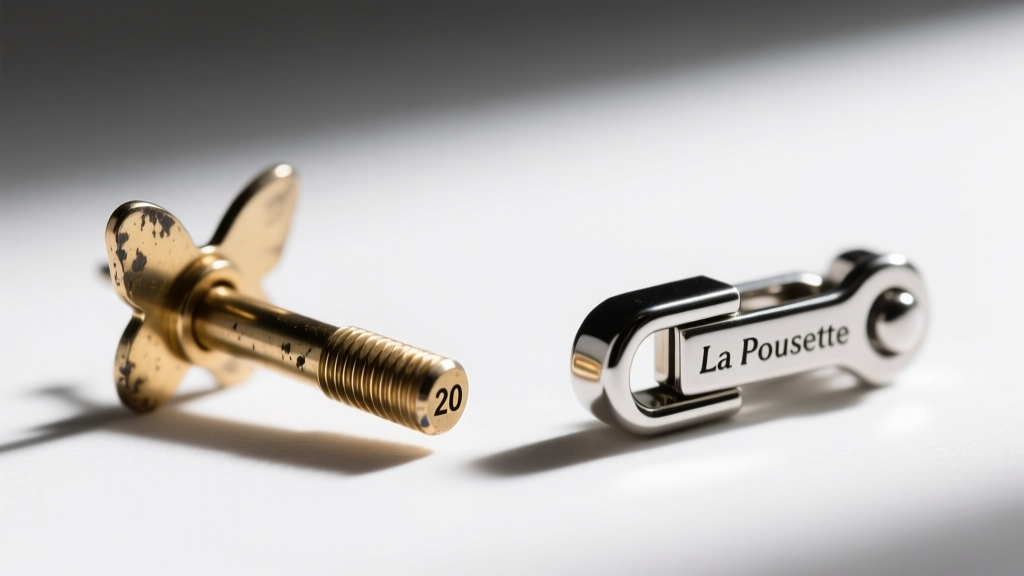
To troubleshoot stripped or bent posts, stop using standard friction butterfly backs. Have a jeweler re-thread the post for a screw-back, or upgrade to a La Pousette clasp. La Pousette backs use a spring-loaded internal mechanism that grips the post securely without requiring excessive friction grooves that weaken the metal over time. If your post is already deeply grooved or bent, it must be replaced entirely to prevent metal fatigue and eventual snapping.
Hinge and Clasp Troubleshooting for Hoops and Huggies
Huggies and clicker hoops rely on microscopic tension hinges and snap-bar closures. In high-volume manufacturing environments often supplying NYC plaza kiosks, these hinges are sometimes cast rather than machined, leading to premature failure.
Diagnosing Tension Loss
If your huggie earring refuses to 'click' shut or pops open when you tug it, the issue is rarely the male post; it is almost always the female tension tube. Over time, the tube expands. A master jeweler will not simply bend the post to compensate (a common, incorrect hack). Instead, they will use a specialized swaging tool to compress the female tube back to its original tolerance, or carefully laser-weld a new snap-bar mechanism.
Expert Warning: Never attempt to squeeze the hinge of a hollow-tube hoop earring with standard pliers. Hollow tubing will crush and kink instantly, turning a $50 repair into a total loss. Always seek a jeweler equipped with a laser welder and precision mandrels.
Authentication Matrix: Verifying Plaza Purchases
The most critical troubleshooting step for any high-value purchase made in an earring plaza new york city environment is independent authentication. Misrepresentation of karat weight (e.g., selling 10k gold as 14k) or using fracture-filled diamonds are known risks in unregulated tourist corridors.
Testing Methods in 2026
While traditional acid testing (using nitric acid on a streak plate) is still used, it is destructive and inaccurate for complex alloys or plated items. As of 2026, reputable appraisal offices in the Diamond District utilize portable X-Ray Fluorescence (XRF) analyzers. XRF provides a non-destructive, exact elemental breakdown of the metal in seconds, detecting trace amounts of nickel, cadmium, or zinc that indicate lower-quality casting alloys.
| Issue / Suspected Fake | Diagnostic Method | Expected Cost (NYC) | Actionable Solution |
|---|---|---|---|
| Under-karated Gold (e.g., 10k sold as 14k) | XRF Spectrometry | $50 - $125 | Confront vendor with GIA-certified XRF printout; demand refund or file a claim with the NYC Dept. of Consumer and Worker Protection (DCWP). |
| Fracture-Filled Diamonds | 10x Loupe & Darkfield Illumination | $75 - $150 (Appraisal) | Fracture filling drops value by 60-80%. Return immediately; these stones cannot withstand ultrasonic cleaning. |
| 'White Gold' Turning Yellow | Visual Inspection of Prong Wear | Free (Visual) | The rhodium plating has worn off. Take to a bench jeweler for a $35-$60 rhodium re-dip. |
| Moissanite Sold as Diamond | Thermal/Electrical Conductivity Tester | $25 - $50 | Standard diamond testers fail on Moissanite. Require a dual-tester (electrical conductivity) verification. |
Where to Seek Professional Troubleshooting in NYC
If you need to troubleshoot a problematic purchase, avoid the street-level kiosks that sold you the item. Instead, head to the upper floors of the jewelry buildings on 47th Street between 5th and 6th Avenues. Look for independent bench jewelers who specialize in laser welding and custom casting. According to Jewelers of America, seeking out a Certified Master Bench Jeweler ensures the technician has passed rigorous practical exams in metallurgy and repair.
Furthermore, if you suspect you have been sold a misrepresented gemstone, utilize the resources at the Gemological Institute of America (GIA). Their New York laboratory in Manhattan offers unbiased, third-party grading reports that will definitively prove whether your plaza-purchased diamond is natural, lab-grown, or a simulant.
Final Thoughts on Plaza Purchases
Buying earrings in New York City's jewelry plazas and exchanges can yield spectacular value, but it shifts the burden of quality control onto the buyer. By understanding the metallurgical realities of gold alloys, recognizing the dangers of nickel-laden 'surgical steel,' and knowing exactly how to leverage modern XRF authentication and laser-welding repairs, you can confidently troubleshoot any issue. Keep your receipts, demand itemized metal-weight documentation, and never hesitate to walk across the street to an independent appraiser before finalizing a high-ticket purchase.


