Erika Jayne Earrings: Material Properties & Style Guide
Analyze the materials behind iconic Erika Jayne earrings. Compare crystal vs. acrylic, metal alloys, wire gauges, and weight properties.

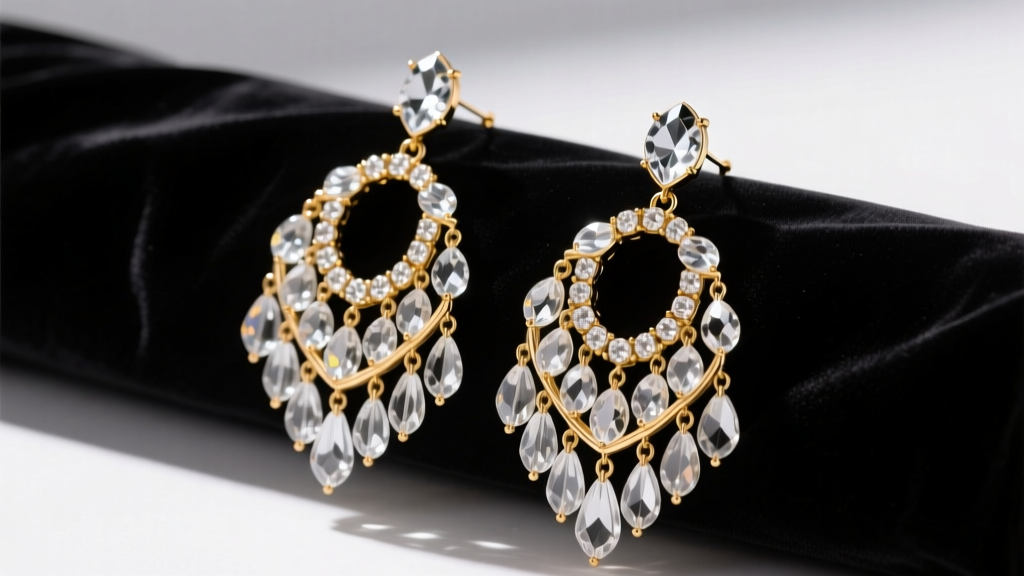
When discussing maximalist jewelry, the term Erika Jayne earrings has transcended a simple celebrity association to become a recognized industry shorthand for oversized, unapologetically glamorous, and structurally ambitious statement pieces. Known for her signature chandelier drops, crystal-encrusted hoops, and dramatic dangles, the aesthetic demands more than just visual impact; it requires rigorous material engineering. In 2026, as fashion jewelry continues to blur the line with fine jewelry, understanding the metallurgical and gemological properties behind these heavy-hitting designs is crucial for both collectors and designers.
This guide deconstructs the material science of Erika Jayne-style statement earrings, evaluating the refractive properties of simulants, the tensile strength of base metals, and the structural gauges required to keep massive earpieces securely attached without compromising lobe health.
The Anatomy of Glamour: Weight, Scale, and Refraction
The defining characteristic of Erika Jayne earrings is their monumental scale. A standard stud earring weighs between 1 and 3 grams. In contrast, a signature chandelier drop can easily exceed 35 to 50 grams per ear. This extreme weight dictates the materials used in the armature and the stones. Designers must balance the visual density of the piece with the physical limitations of the human earlobe, leading to a careful selection of high-refraction, low-density materials.
Stone Materials: Swarovski vs. Acrylic vs. Glass
The "ice" factor in maximalist earrings relies heavily on light refraction. While natural diamonds are rarely used in pieces of this scale due to cost and weight, advanced simulants provide the necessary brilliance. The choice between crystal, glass, and acrylic drastically alters the earring's weight and optical performance.
| Material | Refractive Index (RI) | Density (g/cm³) | Mohs Hardness | Best Use Case |
|---|---|---|---|---|
| Advanced Crystal (Lead-Free) | 1.93 | 3.20 | 6.5 - 7.0 | Premium chandelier drops requiring diamond-like fire. |
| Optical Glass | 1.52 - 1.70 | 2.50 - 3.00 | 5.5 - 6.0 | Mid-tier statement hoops and geometric dangles. |
| Acrylic / Resin Rhinestones | 1.49 | 1.18 | 2.0 - 2.5 | Massive, oversized ear cuffs where weight reduction is critical. |
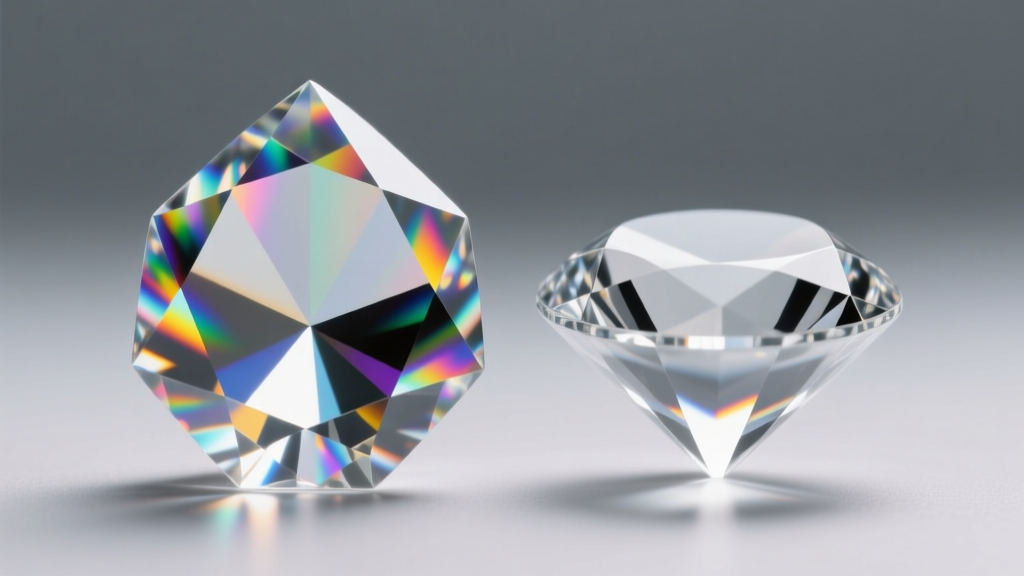
According to the GIA Gem Encyclopedia, the refractive index (RI) determines how much light bends as it enters a material, directly correlating to its brilliance. Advanced lead-free crystals utilize barium oxide and zinc oxide to achieve an RI nearing 1.93, closely mimicking the fire of a diamond. Acrylic, while incredibly lightweight (ideal for preventing lobe tearing in 4-inch drop earrings), possesses a low RI of 1.49, resulting in a flatter, more plastic-like reflection that requires specialized foil-backing to compensate.
The Metal Framework: Base Alloys vs. Precious Plating
The internal skeleton of heavy statement earrings must possess high tensile strength to prevent bending under the weight of cascading crystals. However, the metals that provide this strength often pose dermatological risks.
Zamak and Brass vs. Sterling Silver
Most fashion-grade Erika Jayne earrings utilize Zamak (a zinc alloy containing aluminum, magnesium, and copper) or solid brass for the main cast components. Zamak is favored for its high fluidity during die-casting, allowing for the intricate, lace-like metalwork seen in baroque chandelier styles. However, these base metals are highly reactive. To prevent oxidation and skin contact, they are plated.
Plating Thickness: Flash vs. Vermeil
- Flash Plating (0.1 to 0.3 microns): Common in fast-fashion statement pieces. The gold or rhodium layer is microscopic and will wear through to the base brass within weeks of friction, exposing the wearer to potential nickel or copper allergies.
- Gold Vermeil (Minimum 2.5 microns): High-end reproductions of Erika Jayne's iconic looks use sterling silver (925) as the base, plated with at least 2.5 microns of 14k or 18k gold. This ensures longevity and hypoallergenic properties, crucial for heavy pieces that rest against the neck and jawline.
For wearers with sensitive skin, the American Academy of Dermatology strongly recommends avoiding cheap base-metal alloys in heavy jewelry, as the prolonged pressure and friction of a 40-gram earring can force microscopic nickel ions into the skin, triggering severe contact dermatitis.
Structural Engineering: Wire Gauges and Clasp Mechanics
A critical, often overlooked aspect of Erika Jayne earrings is the wire gauge used for the ear wire or post. Standard ear piercings are done at 20-gauge (0.81mm) or 18-gauge (1.02mm). When an earring weighs over 25 grams, a standard 20-gauge wire creates a "cheese wire effect," where the thin metal slowly slices through the earlobe tissue due to gravity and movement.
Optimal Gauges for Heavy Dangles
To combat lobe tearing, premium statement earrings upgrade their structural hardware:
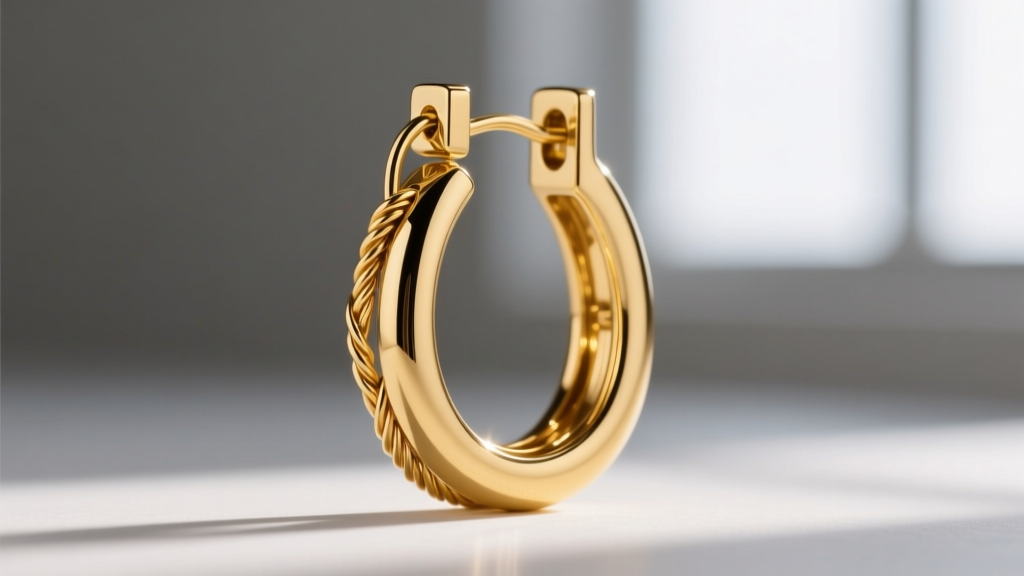
- 18-Gauge (1.02mm): The minimum acceptable thickness for dangle earrings exceeding 20 grams. Provides adequate rigidity while fitting most standard piercings.
- 16-Gauge (1.29mm): Used for massive, shoulder-dusting chandelier pieces. Note that wearers may need to gently stretch their piercings or use a taper to accommodate this thicker wire.
Clasp Mechanics: French Wire vs. Leverback
Traditional French wires (fishhooks) are notoriously insecure for heavy, swinging earrings; the momentum of a crystal drop can easily dislodge them. Authentic Erika Jayne-style engineering favors the leverback clasp. Leverbacks feature a hinged, snap-closure wire that completely encloses the earlobe, distributing the kinetic energy of the swinging earring across the entire cartilage ridge rather than just the piercing hole.
Lobe Health: Managing the Weight of Maximalism
Wearing 50-gram Erika Jayne earrings for an extended event requires proactive lobe support. The downward vector of gravity stretches the collagen fibers in the earlobe, leading to permanent elongation over time. Jewelry stylists in 2026 routinely employ silicone earring support patches or invisible thermoplastic ear lifters. These adhesive discs sit behind the earlobe, increasing the surface area over which the earring's weight is distributed by up to 400%, effectively neutralizing the tearing force.
Care and Maintenance for High-Impact Pieces
Maintaining the optical clarity and structural integrity of maximalist earrings requires specific protocols:
- Ultrasonic Avoidance: Never place foil-backed acrylic or glass crystals in an ultrasonic cleaner. The high-frequency vibrations will delaminate the reflective foil backing, permanently clouding the stone.
- Jump Ring Inspection: The primary failure point in chandelier earrings is the micro-jump ring connecting the ear wire to the main body. Use a pair of flat-nose pliers to ensure these rings remain laterally closed; if they gap open, the heavy drop will detach and be lost.
- Anti-Tarnish Storage: Store plated brass and Zamak pieces in anti-tarnish cloth bags with silica gel packets. The high surface area of intricate metalwork makes it highly susceptible to ambient humidity and sulfur-induced oxidation.
Ultimately, the magic of Erika Jayne earrings lies in the successful marriage of audacious design and material science. By understanding the refractive indices of simulants, the tensile requirements of 16-gauge wires, and the dermatological realities of base metal plating, collectors can confidently invest in, wear, and preserve these monumental pieces of ear architecture.