How to Choose the Perfect Fake Conch Earring: A Buying Guide
Discover how to choose the perfect fake conch earring. Compare ear cuffs, clip-ons, and illusion chains, plus expert tips on sizing, metals, and secure fit.

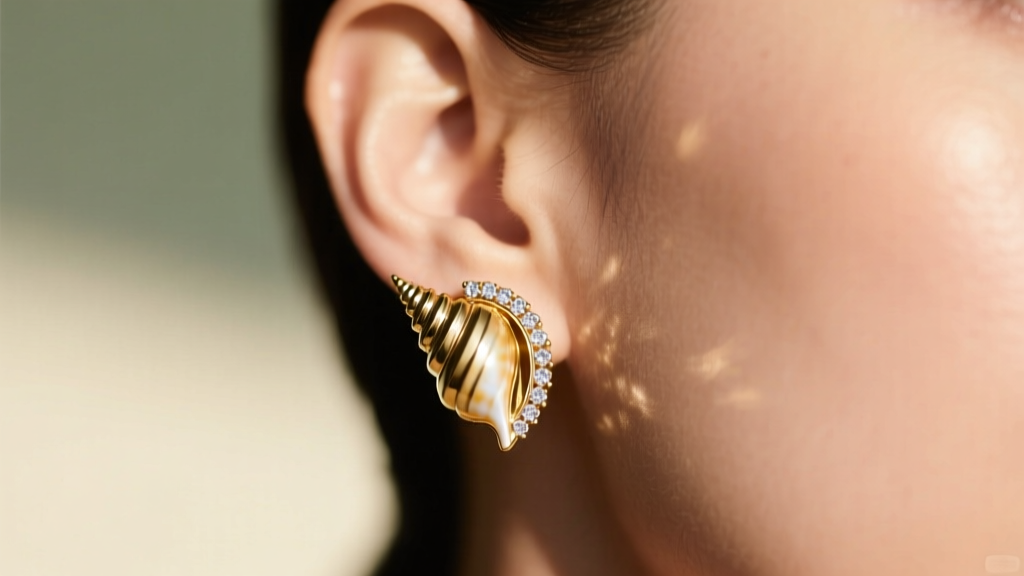
The Appeal of the Faux Conch: Zero Healing Time
A true conch piercing sits in the cup-shaped cartilage of the inner ear, offering a bold, central focal point for ear curation. However, the commitment required is substantial. According to the Association of Professional Piercers, cartilage piercings like the conch require a minimum of 6 to 12 months of careful aftercare to heal fully, with a high risk of irritation bumps if subjected to pressure from headphones or sleeping habits. For those who want the aesthetic without the needle, the downtime, or the permanence, a fake conch earring is the ultimate solution. But not all faux cartilage jewelry is created equal. The wrong style will slip off within minutes, while poorly crafted metals can cause contact dermatitis. This comprehensive buying guide breaks down exactly what to look for when shopping for non-pierced conch jewelry in 2026, ensuring you get a secure, comfortable, and high-quality piece.
4 Main Types of Fake Conch Earrings
When browsing for faux conch options, you will encounter four primary structural designs. Each relies on a different mechanical principle to stay attached to your ear.
1. Tension Ear Cuffs
The most popular and widely available option, tension cuffs are shaped like the letter 'C' and rely on the 'memory' of the metal wire to grip the cartilage ridge. They are slid onto the ear and gently squeezed to tighten. The best tension cuffs are forged from 18-gauge (1.0mm) or 16-gauge (1.2mm) wire, which provides enough structural integrity to hold tension without permanently bending out of shape after a few wears.
2. Hinged Clip-Ons
Often associated with vintage lobe jewelry, modern hinged clip-ons designed for the conch feature a specialized paddle or screw-back mechanism adapted for thicker cartilage. While they offer the most secure grip—virtually guaranteeing the earring won't fall off—they can cause pinching or localized bruising if worn for more than 8 hours. Look for styles with silicone padding on the contact points to distribute pressure evenly.
3. Illusion Chain Earrings
An illusion earring features a standard post or cuff at the lobe, connected by a delicate draping chain to a secondary cuff that sits on the conch or helix. This creates the illusion of multiple piercings connected by a chain. The conch portion of an illusion chain is usually a lightweight, open-back cuff that requires minimal tension, as the weight is partially anchored by the lobe stud.
4. Magnetic Cartilage Studs
Magnetic studs use two small, high-strength neodymium magnets to sandwich the cartilage. While they mimic the look of a traditional conch stud perfectly, they are generally not recommended for the conch area. The inner conch cartilage is often too thick for standard jewelry magnets to penetrate effectively, leading to a weak hold and a high likelihood of losing the earring.
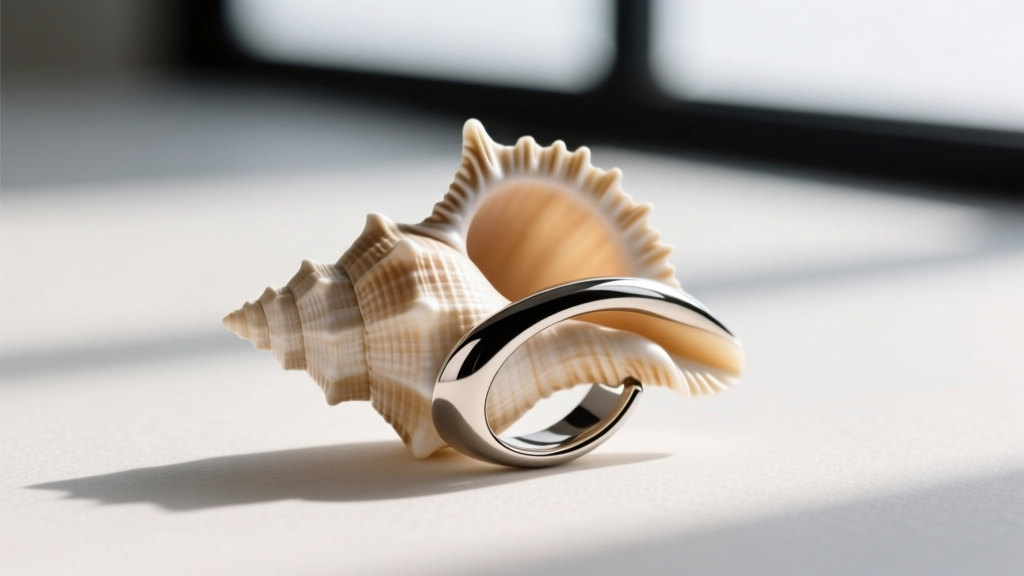
Material Matters: Hypoallergenic Cuffs vs. Cheap Alloys
Even though a fake conch earring does not puncture the skin, the cartilage of the ear is highly vascular and sensitive to prolonged contact with reactive metals. Sweat, humidity, and friction can cause cheap alloys to oxidize, leading to green skin stains or severe allergic reactions. The Mayo Clinic notes that nickel allergies are among the most common causes of contact dermatitis, and many budget-friendly fashion cuffs use nickel-heavy brass bases plated with thin layers of gold or silver.
When investing in a fake conch earring, prioritize the following materials:
- ASTM F-136 Implant-Grade Titanium: The gold standard for sensitive skin. It is completely nickel-free, lightweight, and will not tarnish.
- Niobium: A highly reactive metal that is hypoallergenic and can be anodized into vibrant colors without using dyes or plating.
- Solid 14k or 18k Gold: Excellent for fine jewelry cuffs, provided it is solid and not gold-plated over brass.
- Sterling Silver (with caution): While generally safe for intact skin, silver contains copper and can tarnish when exposed to the sulfur in human sweat. It requires regular polishing.
Sizing Your Cartilage: How to Measure for a Cuff
The most common reason a tension cuff fails is improper sizing. The inner diameter (ID) of the cuff must closely match the thickness of your specific cartilage ridge. If the gap is too wide, the earring will slide off when you move your jaw or wear a mask. If the gap is too narrow, you will have to forcefully pry the metal open, which ruins the wire's tension memory and causes painful pinching.
To find your size, use a digital caliper to measure the thickness of the cartilage fold where you want the cuff to sit. Alternatively, you can measure the inner diameter of an existing hoop earring that fits that specific part of your ear snugly.
| Cuff Inner Diameter (ID) | Best For Cartilage Type | Tension Required |
|---|---|---|
| 8mm - 9mm | Thin, flat inner conch ridges | High (snug fit, secure) |
| 10mm - 11mm | Average conch bowl / anti-helix | Medium (standard comfort) |
| 12mm+ | Thick cartilage or outer helix | Low (loose, prone to slipping) |
Common Failure Modes & How to Prevent Slipping
A fake conch earring is only as good as its ability to stay on your ear throughout the day. Here are the most common failure modes and the expert workarounds to prevent them:
- The Headphone Test: Over-ear headphones are the natural enemy of the conch cuff. The cushions will catch the edge of the metal and pull it off. If you wear headphones daily, opt for a low-profile, bezel-set gemstone cuff rather than one with protruding prongs or dangling charms.
- Hair Snagging: If you have long hair, the natural oils and friction from brushing can easily dislodge a tension cuff. To combat this, gently squeeze the cuff closed an extra millimeter after placing it on the ear, or use a tiny dab of clear eyelash glue on the inside curve of the cuff for temporary, skin-safe adhesion during high-movement events.
- Metal Fatigue: Repeatedly opening and closing a brass or silver cuff will cause 'work hardening,' making the metal brittle and prone to snapping. Always buy cuffs with a hinged opening or a pull-apart tension mechanism designed for repeated wear.
Price Tiers & What to Expect
The market for non-pierced ear jewelry is vast, but pricing is a strong indicator of the materials and engineering involved.
- Budget ($10 - $25): Typically mass-produced from brass or zinc alloy with flash plating. These are fine for occasional, short-term wear (like a costume party or a single photoshoot) but will likely cause skin discoloration or bend out of shape quickly.
- Mid-Tier ($30 - $80): The sweet spot for everyday wear. In this range, you will find high-quality surgical stainless steel, sterling silver, and expertly crafted tension cuffs with secure prong-set cubic zirconia or lab-grown sapphires.
- Fine Jewelry ($150 - $500+): Hand-forged from solid 14k or 18k gold, or implant-grade titanium. These pieces often feature genuine diamonds, custom sizing options, and lifetime warranties against metal fatigue. Brands specializing in curated ear styling often dominate this tier.
Final Verdict: Which Style Should You Buy?
If you are looking for a daily-wear piece that mimics a classic conch stud, a high-quality tension ear cuff made from ASTM F-136 titanium or solid 14k gold is your best investment. Ensure you measure your cartilage to select a 9mm or 10mm inner diameter for a secure, pinch-free fit. For those wanting a more dramatic, editorial look without the commitment, an illusion chain earring provides maximum visual impact while anchoring securely to your existing lobe piercings. By prioritizing hypoallergenic metals and proper structural engineering over fast-fashion aesthetics, your fake conch earring will remain a comfortable, secure staple in your jewelry rotation for years to come.


