How to Fix Broken Wine Glass Earrings: A Repair Guide
Learn how to repair broken wine glass earrings, fix heavy earlobes, and reattach snapped posts with our expert jewelry troubleshooting guide.

The Anatomy of a Fragile Statement Piece
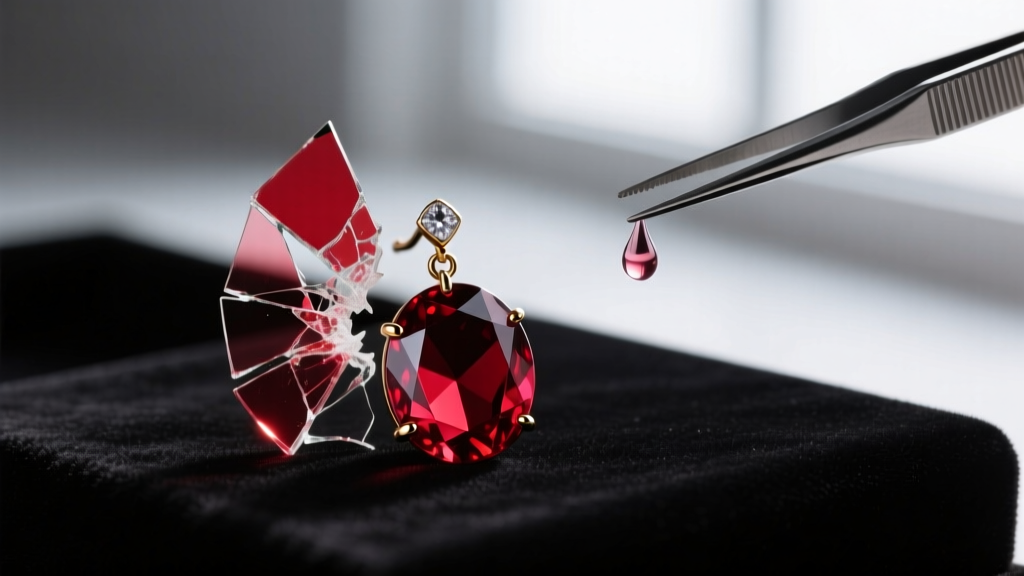
Wine glass earrings are the ultimate conversation starters. Whether crafted from hand-blown borosilicate glass, precision-cut lead crystal, or modern 3D-printed acrylics, these novelty statement pieces capture light and attention in equal measure. However, their very design—a top-heavy bowl balanced on a delicate stem—makes them structurally vulnerable. In 2026, the market is flooded with increasingly intricate designs, including double-walled glasses filled with colored mineral oils to simulate real wine. While visually stunning, these complex structures introduce unique failure points.
If your favorite pair has suffered a snapped stem, a detached post, or a cloudy bowl, do not throw them away. As a jewelry repair specialist, I see these specific failures weekly. This troubleshooting guide will walk you through the exact materials, adhesives, and structural modifications required to rescue your wine glass earrings and make them more durable than when they left the factory.
Diagnosing the Damage: Glass, Crystal, or Acrylic?
Before applying any adhesive or polishing compound, you must accurately identify the material of the earring's 'bowl' and 'stem.' Misidentifying the material is the number one reason DIY jewelry repairs fail. According to the Gemological Institute of America (GIA), glass and crystal have distinct thermal and acoustic properties that dictate how they bond to metal.
- Soda-Lime or Borosilicate Glass: Feels cool to the touch and produces a dull 'clink' when tapped. It is non-porous and requires specialized cyanoacrylates or UV resin for a lasting bond.
- Lead Crystal: Heavier, exceptionally clear, and produces a sustained, bell-like ring when tapped. Crystal is softer than glass and can be scratched by harsh polishing compounds.
- Cast Acrylic/Resin: Feels closer to room temperature and produces a hollow 'thwack' when tapped. Acrylic is highly reactive to standard superglues, which can cause 'crazing' (micro-fractures that look like spiderwebs) and permanent cloudiness.
Reattaching the Stem: The Adhesive Matrix
The most common failure in wine glass earrings is the separation of the glass stem from the metal earring post or the glass bowl. Standard hardware store superglue (ethyl cyanoacrylate) is a terrible choice here. It cures brittle and cannot withstand the shear stress of a swinging earring. To achieve a permanent repair, you must select an adhesive based on the material matrix. Jewelry supply experts at Rio Grande emphasize matching the adhesive's flexibility to the substrate's rigidity.
| Adhesive Type | Best For | Cure Time | Shear Strength | Pros & Cons |
|---|---|---|---|---|
| UV Jewelry Resin | Glass-to-Metal, Acrylic-to-Metal | 2-5 mins (under UV lamp) | High (Rigid) | Pro: Crystal clear, fills gaps. Con: Requires UV light; rigid bond can snap under extreme torque. |
| E6000 Craft Adhesive | Heavy Glass Bowls, Rhinestone Pads | 24-72 hours | Medium (Flexible) | Pro: Absorbs shock and swinging motion. Con: Stringy, requires clamping, strong fumes. |
| Loctite Glass Glue | Glass-to-Glass Stem Snaps | 10-15 mins | High (Brittle) | Pro: Specifically formulated for glass bonds. Con: Fails if any moisture is trapped in the joint. |
Step-by-Step Stem Reattachment
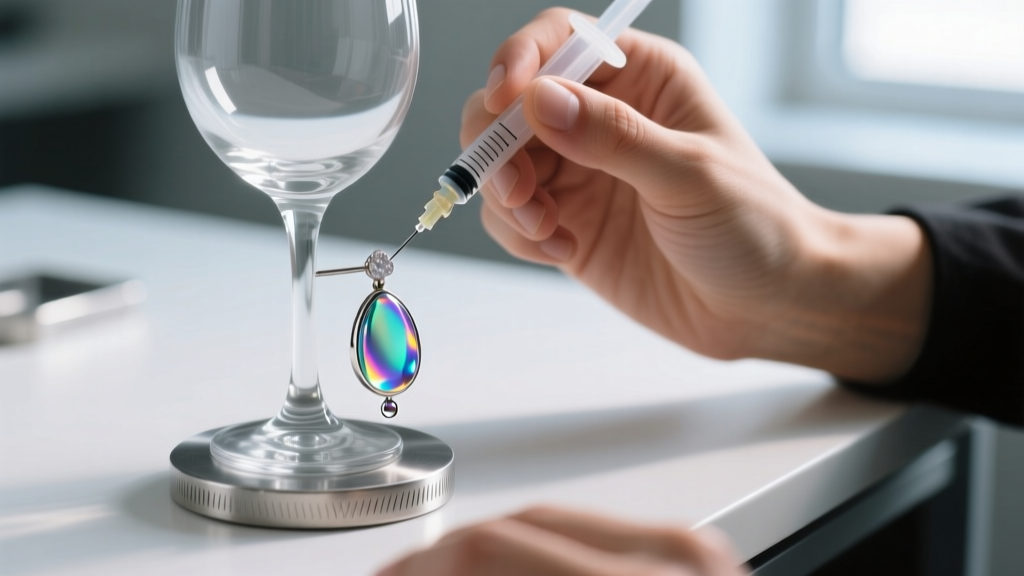
- Prep the Surface: Use a cotton swab dipped in 99% isopropyl alcohol to degrease both the metal pad and the glass stem. Skin oils will prevent any adhesive from curing properly.
- Score the Metal: If the glass stem glues to a flat metal pad, use a needle file to lightly score an 'X' into the metal pad. This creates mechanical tooth for the resin to grip.
- Apply and Cure: Apply a micro-drop of UV resin to the metal pad. Press the glass stem firmly into the resin, ensuring no air bubbles are trapped. Hold under a 36W UV lamp for exactly 120 seconds.
Troubleshooting the 'Droop': Weight Distribution Fixes
Wine glass earrings are notoriously front-heavy. The center of gravity sits far below and in front of the earlobe piercing, creating a lever effect that causes the earring to droop forward, making the 'wine' spill onto the floor. This isn't just an aesthetic issue; the constant pulling can stretch your earlobe piercing over time.
The Silicone Stabilizer Solution: The quickest fix is to abandon standard butterfly earring backs. Instead, use heavy-duty silicone earring stabilizers (such as Otyelia or BlingGuard pads). These large, disc-shaped backs distribute the weight of the earring across a wider surface area of the earlobe, providing a rigid backstop that forces the earring post to remain horizontal.
The French Wire Conversion: If the earrings are currently on straight posts, consider taking them to a jeweler to have the posts snipped off and replaced with French wire (fishhook) findings. By moving the fulcrum point of the earring higher up on the ear cartilage, the heavy glass bowl will hang naturally straight down without pulling the lobe forward.
Fixing Micro-Fractures and 'Wine' Leaks
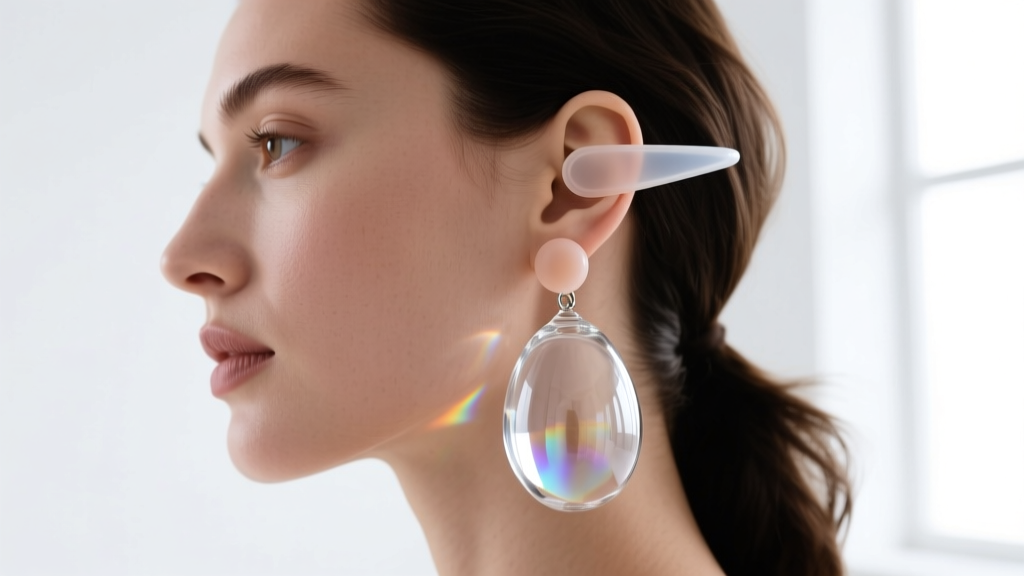
In 2026, many premium novelty earrings feature double-walled acrylic or glass bowls filled with red or gold-tinted mineral oil to mimic liquid wine. If you drop the earring, the outer shell may develop a micro-fracture, leading to a slow, sticky leak.
Do not use E6000 or standard superglue to seal a leak. The solvents in these adhesives will react with the mineral oil, turning the 'wine' into a cloudy, brown sludge. Instead, you must use a low-viscosity, water-clear UV resin. As detailed by the experts at Resin Obsession, low-viscosity resins utilize capillary action. Simply place a tiny drop of the resin directly over the hairline fracture. The resin will naturally wick deep into the crack, displacing the air. Flash-cure it with a UV flashlight for 30 seconds, and the bowl will be hermetically sealed without altering the color of the liquid inside.
Post Failures: Gauge Sizes and Soldering
If the glass and stem are intact but the metal earring post itself has snapped off the flat backing pad, you are dealing with a metallurgical failure. Most mass-produced novelty earrings use 22-gauge (0.64mm) brass or nickel-silver posts to save money. This is entirely too thin to support the swinging weight of a glass wine bowl.
The Upgrade: You can purchase 18-gauge (1.02mm) or 20-gauge (0.81mm) stainless steel earring posts with flat pads online. To attach them to the original glass stem base, you cannot use glue. You must use a low-temperature soldering iron and lead-free silver solder paste to fuse the new, thicker post to the metal pad. If you lack soldering tools, a local bench jeweler can perform this post-upgrade for roughly $15 to $25 per earring—a worthwhile investment to save a beloved statement piece.
Restoring Cloudy 'Bowls' and Scratches
Acrylic wine glass earrings frequently suffer from micro-scratches and chemical cloudiness caused by accidental contact with hairspray, perfume, or alcohol-based hand sanitizers. Glass bowls, conversely, can develop a hard-water film or skin-oil buildup that dulls their sparkle.
- For Acrylic: Never use glass cleaner (Windex) on acrylic; the ammonia will cause permanent crazing. Use a dedicated plastic polish like Novus No. 2. Apply with a microfiber cloth using tight, circular motions to buff out superficial scratches and restore optical clarity.
- For Glass/Crystal: Create a paste of baking soda and distilled water. Gently rub the paste over the glass bowl with a soft-bristled toothbrush to lift stubborn oils and cosmetics from the crevices of the glass 'stem,' then rinse with distilled water and dry with a lint-free optical cloth.
Final Thoughts on Novelty Jewelry Care
Wine glass earrings require a shift in how you think about jewelry maintenance. They are less like traditional gemstones and more like miniature, wearable glassware. By upgrading your adhesives to UV-curable resins, reinforcing your earring backs with silicone stabilizers, and respecting the chemical sensitivities of acrylics and crystal, you can ensure your favorite statement pieces survive the toast, the dinner, and the dance floor for years to come.


