Troubleshooting Slipping Silver Earring Backs: Fixes & Upgrades
Stop losing your studs. Learn how to troubleshoot loose silver earring backs, fix bent posts, and upgrade to secure locking or silicone stoppers.

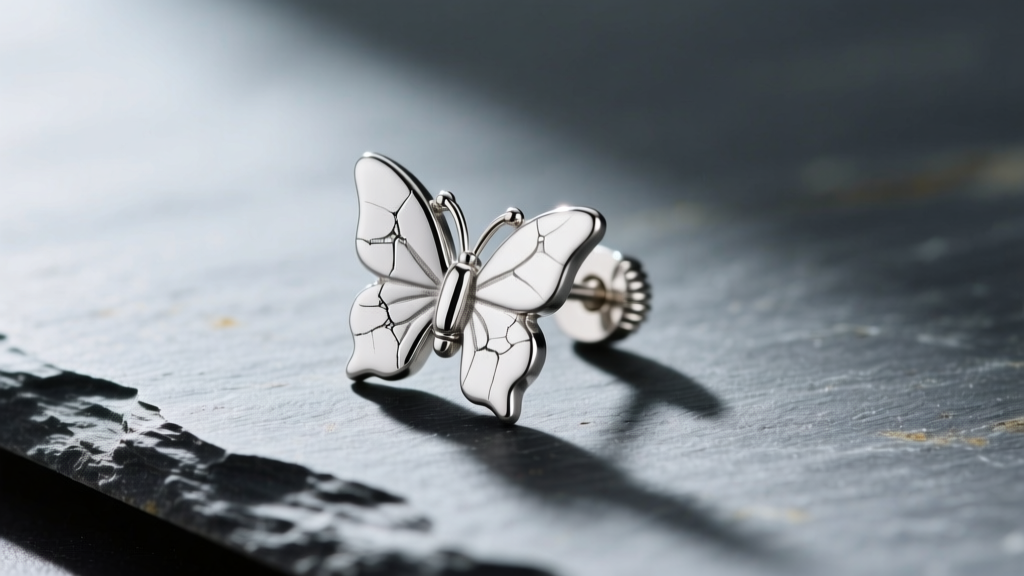
There are few things more frustrating in jewelry ownership than reaching up to touch your earlobe, only to realize your favorite diamond or gemstone stud is missing. While we often blame the earring post for being too short or the wrong shape, the true culprit is almost always the friction back. Specifically, standard silver earring backs are notorious for failing over time, leading to lost jewelry and unnecessary stress.
If you are constantly pushing your butterfly backs tighter, dealing with stuck earring nuts, or experiencing mysterious earlobe irritation, you are not alone. In this comprehensive troubleshooting guide, we will break down the metallurgical reasons why sterling silver friction backs fail, provide actionable DIY fixes, and explore the best modern upgrades to secure your precious studs for good.
The Metallurgy of Failure: Why 925 Silver Struggles with Friction
To understand why your silver earring backs keep slipping off, you have to understand the material science of sterling silver. Pure silver is far too soft for jewelry, so it is alloyed with copper to create 925 sterling silver (92.5% silver, 7.5% copper). While this increases hardness, sterling silver fundamentally lacks what metallurgists call 'spring memory.'
Spring memory is the ability of a metal to bend under pressure and return to its exact original shape. Metals like beryllium copper or spring steel possess high spring memory, which is why they are used in mechanical clasps. Sterling silver, however, suffers from metal fatigue. Every time you push a standard butterfly back onto a post, the tiny metal tabs inside the barrel flex outward. Over hundreds of cycles, those silver tabs permanently deform, losing the tension required to grip the earring post.
The Hidden Nickel Allergen
Because pure sterling silver cannot maintain spring tension, many mass-market manufacturers cheat. They insert a microscopic steel or nickel-alloy spring inside the silver barrel to provide the necessary grip. If you have been experiencing itchy, red, or flaky earlobes, you may not be allergic to the silver post itself, but rather to the hidden nickel spring inside the back. According to the Mayo Clinic, nickel allergy is one of the most common causes of allergic contact dermatitis, often triggered by prolonged skin contact with hidden jewelry components.
Troubleshooting Guide: Diagnosing Your Silver Earring Backs
Before you throw away your favorite backs or rush to a jeweler, run through this diagnostic checklist to identify the exact failure mode of your silver earring backs.
Issue 1: Tension Loss (The 'Slip-Off' Effect)
Symptoms: The back slides onto the post easily but falls off when you brush your hair, change clothes, or sleep.
The Fix: You can temporarily restore tension using the 'Pinch Method.' You will need a pair of nylon-jaw pliers (never use standard steel jewelry pliers, as they will gouge and scratch the soft silver). Gently grip the flat sides of the butterfly back and apply very light, even pressure to push the internal tabs closer together. Test the fit on the post. Repeat in micro-adjustments until you feel a distinct 'click' or resistance when passing the notch on the earring post.
Issue 2: Gauge Mismatching
Symptoms: The back either won't fit onto the post at all, or it spins freely and falls off immediately without any resistance.
The Fix: Earring posts are not universally sized. Standard lightweight studs typically use a 20-gauge (0.81mm) post. However, heavier gemstone studs or vintage pieces often use a thicker 18-gauge (1.02mm) or even 16-gauge (1.29mm) post. If you are mixing and matching your silver earring backs from different jewelry pairs, you are likely experiencing a gauge mismatch.
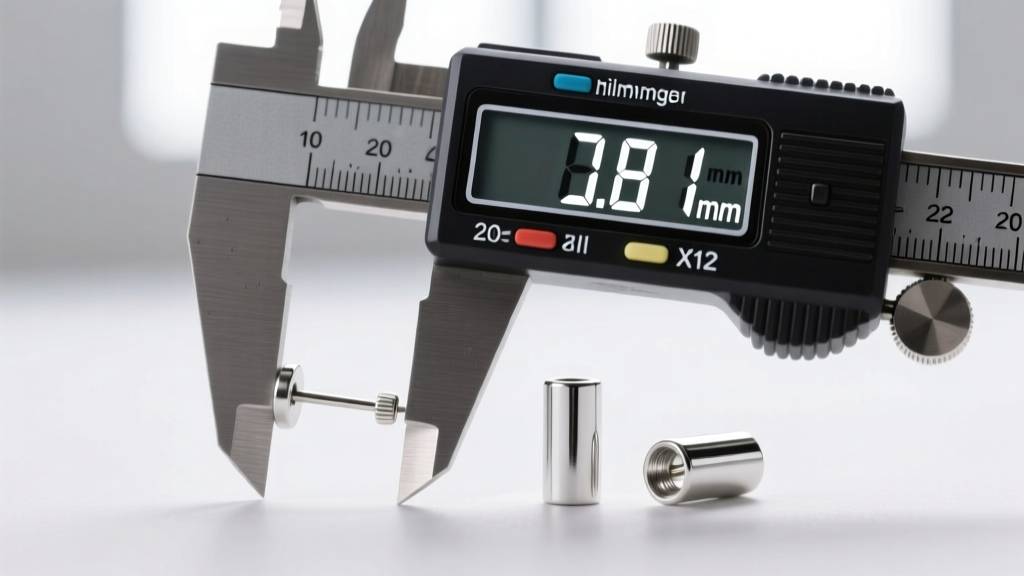
Invest in a cheap digital caliper to measure your posts. If your post is 1.02mm (18G), you must purchase specifically marked 18G friction backs. Using a 20G back on an 18G post will ruin the internal tabs of the back, while using an 18G back on a 20G post guarantees it will slip off.
Issue 3: Tarnish 'Welding' and Sebum Buildup
Symptoms: The back is stuck firmly on the post and will not pull off, or it feels 'gritty' when you try to remove it.
The Fix: Silver sulfide (tarnish) combined with natural ear sebum and dead skin cells can create a cement-like bond inside the tiny barrel of a butterfly back. Do not yank the back off, as this will bend the post. Instead, soak the entire earring (post and back attached) in a warm bath of distilled water and a few drops of mild dish soap for 15 minutes. Use an ultrasonic jewelry cleaner operating at 45 kHz to vibrate the microscopic debris out of the spring mechanism. If tarnish is the culprit, a brief 10-second dip in a commercial silver dip solution will dissolve the silver sulfide, allowing the back to slide off smoothly.
The 2026 Upgrade Matrix: Moving Beyond the Butterfly Back
If you are tired of constantly troubleshooting your silver earring backs, it is time to upgrade. The jewelry industry has developed vastly superior securing mechanisms that eliminate the reliance on silver's poor spring memory. Below is a comparison of the most effective upgrades available today.
| Backing Type | Material Composition | Security Rating | Average Price Range |
|---|---|---|---|
| Standard Butterfly (Friction) | 925 Sterling Silver / Steel Spring | Low (3/10) | $2 - $5 per pair |
| Silicone O-Rings / Stoppers | Medical-Grade Hypoallergenic Silicone | Medium (6/10) | $3 - $8 for 20 pairs |
| La Pousette Locking Backs | 18k Gold or Platinum with Steel Spring | High (9/10) | $40 - $80 per pair |
| Screw Backs (Threaded) | 925 Sterling Silver or 14k Gold | Maximum (10/10) | $15 - $30 (conversion cost) |
| Ear Nuts (Friction with Disc) | 925 Sterling Silver with Silicone Core | High (8/10) | $10 - $15 per pair |
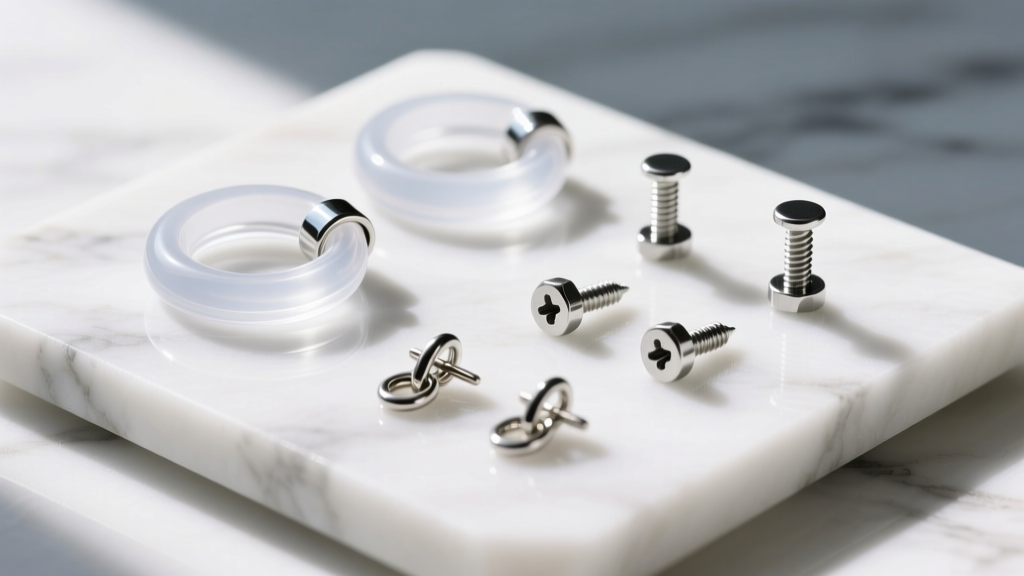
For immediate, low-cost relief, medical-grade silicone O-rings are a fantastic stopgap. They grip the post via friction and provide a soft cushion against the back of the earlobe. However, for heirloom pieces or expensive diamond studs, investing in La Pousette locking backs or converting your posts to screw backs is the only way to guarantee 100% security.
Professional Conversions: When to See a Jeweler
Many people ask if they can simply buy threaded screw-back nuts and twist them onto their existing standard friction posts. Do not attempt this. Standard friction posts do not have threaded grooves. Forcing a screw back onto a smooth post will strip the internal threads of the nut, ruining it permanently.
To upgrade to screw backs, a professional jeweler must use a laser welder to safely snip off the existing smooth post and weld a new threaded post onto the base of your earring. This process typically costs between $25 and $45 per earring, depending on the metal and the complexity of the setting. While it requires an upfront investment, it entirely eliminates the need to ever troubleshoot slipping silver earring backs again.
Long-Term Maintenance for Silver Earring Components
Even if you upgrade your backs, proper maintenance of your 925 sterling silver components is vital to prevent structural degradation. The Gemological Institute of America (GIA) recommends avoiding harsh chemical cleaners like bleach or chlorine, which can cause irreversible pitting in sterling silver alloys.
'Store your silver earrings in an airtight environment with anti-tarnish strips or Pacific Silvercloth. The copper alloyed in sterling silver reacts rapidly to sulfur and moisture in the ambient air, which not only causes black tarnish but can eventually weaken the structural integrity of thin earring posts and back barrels.' — Master Jeweler Bench Guidelines
Make it a habit to wipe down your earring posts and backs with a dry, untreated microfiber cloth after every wear. Removing the microscopic layer of sweat and skin oils before putting the jewelry back in its box will drastically extend the lifespan of your silver earring backs and keep your studs securely in place for years to come.


