Girl with the Pearl Earring Book: Iconic Drop Jewelry Guide
Discover how to wear the iconic heavy pearl drops from the Girl with the Pearl Earring book safely. Learn about gauges, pearl types, and lobe support.

The Literary and Visual Weight of the Iconic Pearl
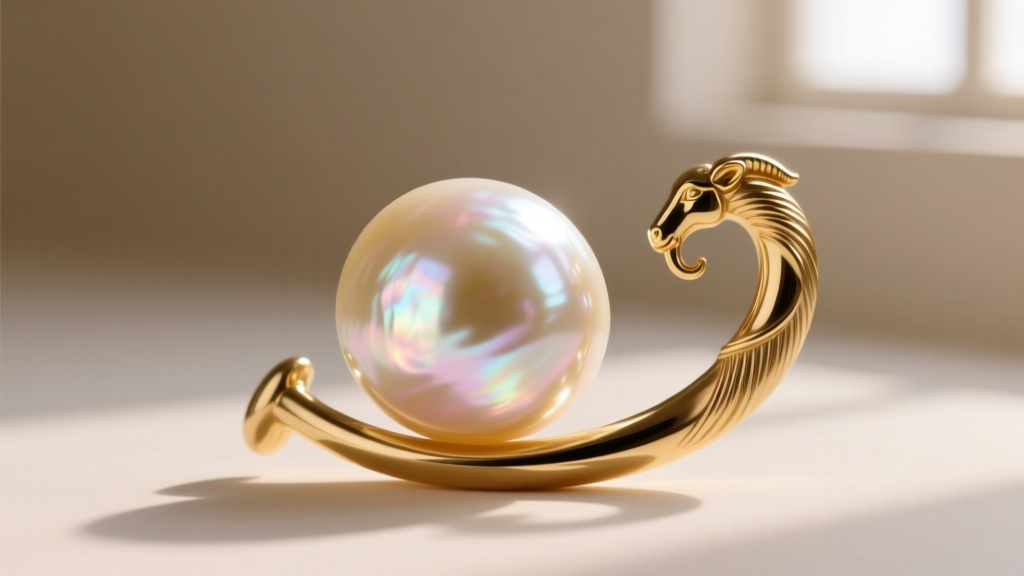
Tracy Chevalier’s 1999 novel, widely celebrated as the definitive girl with the pearl earring book, captures a mesmerizing sensory detail that often escapes casual observers of Vermeer’s original 1665 painting: the sheer, physical weight of the earring. In the novel, the protagonist Griet experiences the acute discomfort and societal transgression of wearing her mistress’s massive pearl drop. The earring is not merely an accessory; it is a heavy, swinging pendulum of light, class, and physical burden. For modern jewelry enthusiasts, recreating this iconic teardrop silhouette presents a unique engineering challenge. Large, luminous pearl drops are visually stunning, but their physical mass can wreak havoc on delicate earlobes if not properly managed. This beginner-friendly guide breaks down the anatomy, material science, and styling techniques required to wear heavyweight pearl drops safely and elegantly in 2026.
Anatomy of the "Griet" Drop: Shape and Light
The earring described in the book and depicted in the painting is not a perfect, machine-made sphere. Art historians and gemologists estimate the pearl in Vermeer's work to be roughly 14mm to 18mm in diameter, likely a baroque or teardrop-shaped natural pearl. The magic of this specific style lies in its movement. Unlike a static stud, a drop earring swings with the wearer's micro-expressions, catching ambient light and creating the chiaroscuro effect that defines the aesthetic. To replicate this, beginners should look for baroque freshwater pearls or teardrop shell pearls rather than perfectly round Akoya pearls. The slight asymmetry of a baroque pearl mimics the organic, hand-painted quality of the original muse, while the teardrop shape naturally draws the eye downward, elongating the neck and jawline.
The Physics of Heavy Pearls: Gauges and Lobe Health
The most critical mistake beginners make when buying statement pearl drops is ignoring the earring's wire gauge. Standard ear piercings are typically done at 20-gauge (0.81mm) or 18-gauge (1.02mm). When you suspend a 15mm pearl—which can weigh between 4 to 6 grams—on a thin 20-gauge shepherd's hook, the wire acts like a cheese slicer against the soft tissue of the earlobe. Over time, this causes micro-tears, permanent stretching, and downward migration of the piercing hole.
The 16-Gauge Solution
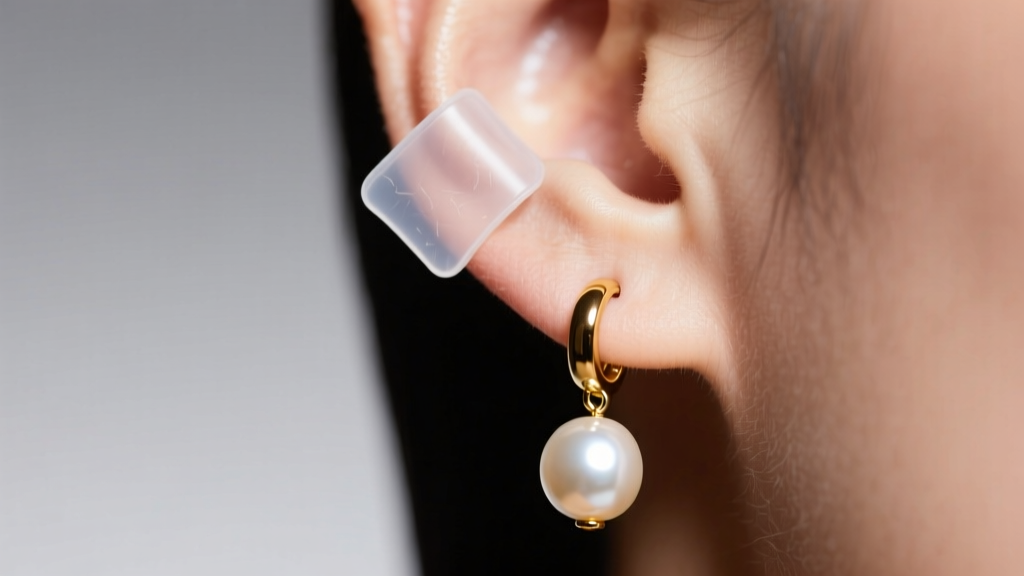
To wear heavy drops safely, you must upgrade your jewelry findings. Look for drops mounted on 16-gauge (1.29mm) or even 14-gauge (1.63mm) wires. The thicker metal distributes the gravitational pull across a wider surface area of the piercing channel. If you already own a beloved pair of 20-gauge pearl drops, you do not need to throw them away. Instead, invest in silicone earring support patches (such as BlingDots). These invisible, medical-grade adhesive pads stick to the back of the earlobe and feature a reinforced center hole that bears the brunt of the earring's weight, completely relieving pressure on the piercing itself.
Sourcing the Vermeer Look: Pearl Types and Pricing
Natural pearls of the size depicted in the girl with the pearl earring book would command auction prices well into the hundreds of thousands of dollars today. Fortunately, modern culturing and manufacturing techniques offer accessible alternatives that deliver the same breathtaking luster. Below is a comparative framework to help you choose the right material for your budget and lifestyle.
| Pearl Type | Average Size Range | Visual Characteristics | Price Range (Per Pair) |
|---|---|---|---|
| Freshwater Baroque | 10mm - 15mm | Teardrop/asymmetrical shapes, high luster, organic feel. Best for the authentic "Griet" look. | $80 - $250 |
| White South Sea | 12mm - 18mm | Perfectly round, satin-like luster, immense visual weight. The luxury standard. | $1,500 - $8,000+ |
| Akoya | 7mm - 10mm | Round, mirror-like luster. Too small to replicate the Vermeer silhouette accurately. | $300 - $1,200 |
| Shell / Mallorca | 14mm - 18mm | Perfectly round, glass-like shine. Coated glass or shell bead. Excellent for costume accuracy. | $40 - $120 |
For the most authentic literary recreation, a 14mm to 16mm white freshwater baroque drop set on a 14k gold-filled leverback is the ultimate sweet spot. The leverback clasp provides security, ensuring that a heavy, expensive pearl doesn't slip out of the ear during movement—a constant, underlying anxiety for Griet in the novel.
Modern Styling: Balancing the Heavyweight Drop
Wearing a massive pearl drop in 2026 requires a strategic approach to styling to avoid looking like you are wearing a historical costume. The golden rule of the Vermeer silhouette is isolation. Because the earring is designed to be the absolute focal point of the face, it demands negative space.
- Necklines: Opt for deep V-necks, off-the-shoulder tops, or structured linen blazers with open collars. Avoid high ruffled collars or statement necklaces, which compete with the pearl's light reflection.
- Hair: The pearl must catch the light. Sweep hair up into a messy chignon, or tuck it firmly behind the ears. The contrast of the bright white pearl against the shadow of the neck is essential to the chiaroscuro effect.
- Makeup: Keep the skin finish matte or softly dewy. Avoid heavy, sparkling highlighters on the cheekbones, as the pearl itself should act as the primary light-reflecting surface near the face.

Essential Care for Organic Gemstones
Pearls are organic gemstones, ranking a mere 2.5 to 3.0 on the Mohs hardness scale. This makes them exceptionally vulnerable to the acids, alcohols, and chemicals found in modern beauty routines. According to the Gemological Institute of America (GIA), pearls can lose their luster and develop a chalky surface if repeatedly exposed to perfume or hairspray.
Adopt the "Last On, First Off" rule. Your pearl drops should be the very last thing you put on after your makeup, perfume, and hairspray have completely dried, and the first thing you take off when you return home. Never store pearls in airtight plastic bags or safety deposit boxes without a damp cloth nearby; pearls require trace amounts of ambient moisture to prevent their organic conchiolin layers from drying out and cracking. Wipe them gently with a soft microfiber cloth after each wear to remove natural skin oils, ensuring your drops remain as luminous as the ones that captivated Vermeer and Chevalier alike.
Final Thoughts on the Iconic Drop
The enduring legacy of the girl with the pearl earring book reminds us that jewelry is never just metal and stone; it is an experience of weight, light, and personal history. By understanding the mechanics of gauge sizes, the nuances of pearl cultivation, and the art of negative space styling, you can confidently wear this monumental drop earring style. Whether you choose an accessible shell pearl or invest in a heavyweight freshwater baroque, you are participating in a centuries-old tradition of capturing light in its most beautiful, fleeting form.


