Hibiscus Earrings: Best Metals & Enamel Materials Compared
Discover the best materials for hibiscus earrings. Compare vitreous enamel, resin, 14k gold, and sterling silver for durable, vibrant tropical jewelry.

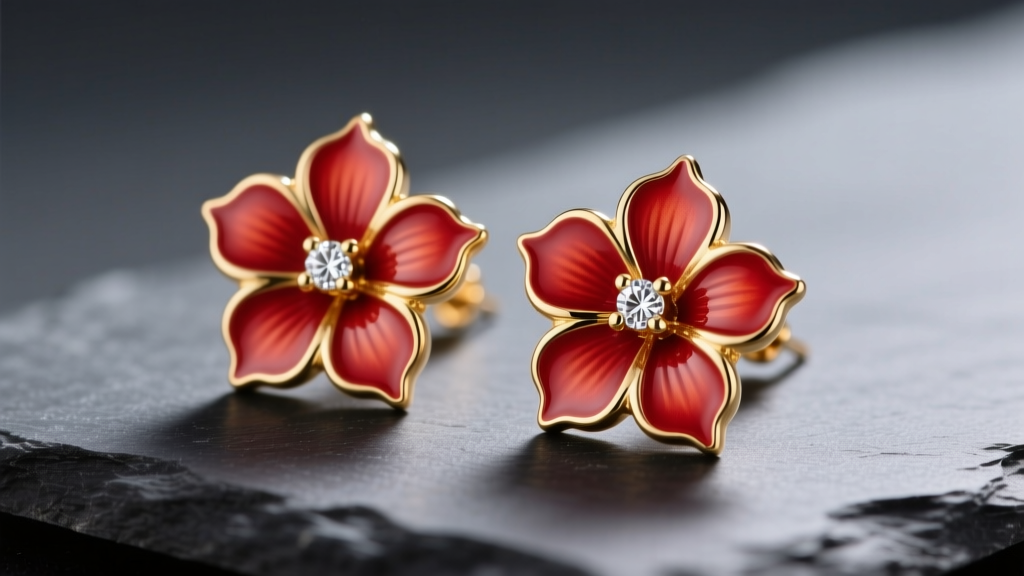
The hibiscus flower is a masterpiece of natural geometry, characterized by its five sweeping, ruffled petals and a prominent, pollen-dusted stamen. Translating this intricate botanical structure into wearable art requires a profound understanding of metallurgy and material science. As we navigate the 2026 jewelry market, the divide between mass-produced fast-fashion florals and heirloom-quality botanical pieces has never been wider. When shopping for hibiscus earrings, the design is only as enduring as the materials used to cast, color, and support it.
Whether you are eyeing a delicate stud or a dramatic shoulder-duster drop, understanding the physical properties of base metals, coloring agents, and structural hardware is essential. This guide breaks down the exact material grades, failure modes, and ergonomic considerations you need to make an informed, lasting investment in tropical-inspired jewelry.
The Anatomy of Hibiscus Earrings: Why Material Choice Dictates Longevity
Unlike simple geometric shapes, the hibiscus motif presents unique structural challenges. The sweeping petals require broad, thin planes of metal or enamel that are highly susceptible to bending or chipping upon impact. Furthermore, the central stamen—a defining feature of the flower—often protrudes outward, making it the primary failure point in poorly engineered designs.
To capture the vibrant reds, pinks, and yellows of a real hibiscus, jewelers must rely on secondary coloring materials. The interaction between the base metal and these coloring agents dictates the earring's lifespan. A mismatch in thermal expansion rates between a metal and its enamel coating, for example, will result in microscopic spiderweb fractures that eventually lead to catastrophic peeling. Therefore, evaluating hibiscus earrings requires a holistic look at both the structural skeleton and the cosmetic finish.
Base Metal Showdown: What Holds the Petals Together?
The foundation of any floral earring is its base metal. The metal must possess adequate tensile strength to support the weight of the petals while remaining malleable enough for intricate wax casting.
925 Sterling Silver vs. Solid 14k Gold
925 Sterling Silver is the most common base for mid-tier hibiscus designs. It offers excellent reflectivity, which enhances the brightness of transparent enamels. However, silver is highly reactive to sulfur in the air, forming silver sulfide (tarnish). If a jeweler uses transparent enamel over uncoated silver, the dark tarnish will eventually show through the petals. To prevent this, high-end silver pieces are heavily rhodium-plated before enameling.
Solid 14k Gold (58.5% pure gold alloyed with copper, silver, or zinc) is the undisputed champion for heirloom hibiscus earrings. With a Vickers hardness rating of approximately 130-160 HV, 14k gold is hard enough to protect delicate stamen prongs from snapping, yet resistant to oxidation. According to the Federal Trade Commission’s Jewelry Guides, consumers must also be wary of "gold vermeil"—which legally requires a minimum of 2.5 microns of 10k+ gold over sterling silver. Anything less is mere gold plating and will quickly wear away on high-friction earring backs.
The Titanium and Brass Reality Check
While Grade 23 Titanium (Ti-6Al-4V ELI) is completely hypoallergenic and incredibly strong, its extremely high melting point (over 3,000°F) makes it nearly impossible to cast the ultra-fine, ruffled details of a hibiscus petal using traditional lost-wax casting. Titanium is better suited for modern, minimalist interpretations rather than realistic botanical replicas.
Conversely, Brass and Copper are frequently used in cheap, mass-market tropical jewelry. While they cast beautifully and take patinas well, they are notorious for causing contact dermatitis. The American Academy of Dermatology frequently warns against base metals containing nickel or unsealed copper, which react with sweat to cause severe allergic reactions and leave a green residue on the earlobe.
| Base Metal | Hardness (Vickers) | Tarnish Resistance | Best Application |
|---|---|---|---|
| Solid 14k Gold | 130 - 160 HV | Excellent | Heirloom drops, fine vitreous enamel |
| 925 Sterling Silver | 60 - 70 HV | Poor (Requires Rhodium) | Mid-range studs, opaque enamel |
| Gold Vermeil (2.5µm) | 60 - 70 HV (Core) | Moderate | Lightweight dangles, seasonal wear |
| Brass / Bronze | 80 - 110 HV | Poor (Oxidizes Green) | Costume jewelry (Avoid for sensitive ears) |
Coloring the Tropics: Vitreous Enamel, Resin, and Gemstone Inlay
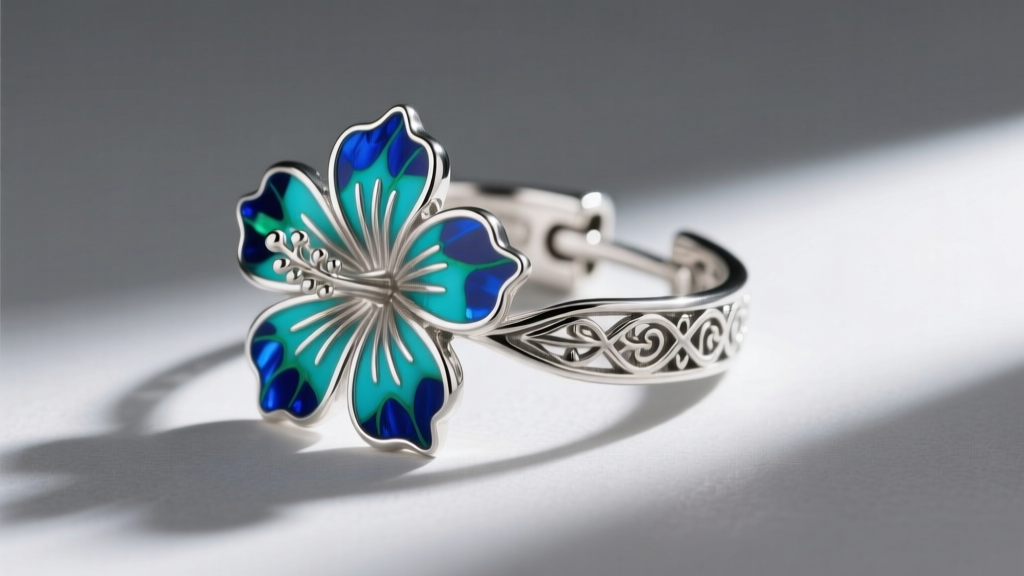
The visual impact of hibiscus earrings relies entirely on how the color is applied. The market is currently saturated with three distinct coloring methods, each with vastly different aging profiles.
Vitreous Enamel (The Heirloom Standard)
True vitreous enamel is essentially powdered glass fused to metal in a kiln at temperatures between 1,400°F and 1,600°F. As detailed by the Gemological Institute of America (GIA), this process creates a chemical bond that is completely UV-resistant and will never fade or yellow. The plique-à-jour technique, which creates a stained-glass effect without a metal backing, is particularly stunning for translucent hibiscus petals, allowing light to pass through the ear. However, vitreous enamel is brittle; a hard drop on a tile floor will shatter the glass interior.
Cold Enamel and Epoxy Resin (The Fast-Fashion Trap)
Often deceptively marketed as "enamel," cold enamel is actually a two-part colored epoxy resin. While modern 2026 formulations include UV-stabilizers to delay degradation, resin will inevitably yellow and become brittle after 18 to 36 months of sun exposure. Furthermore, resin relies on a mechanical bond (glue) rather than a chemical fusion. Temperature fluctuations cause the metal to expand and contract at a different rate than the resin, leading to the dreaded "pop-out" effect where entire petals of color detach from the metal frame.
Gemstone and Shell Inlay
For a more textured, organic look, master jewelers use precision-cut gemstone inlays. Spiderweb Turquoise and Mother of Pearl are popular for the petals, while Red Coral is traditionally used for the stamen. Note that due to strict CITES regulations protecting marine ecosystems, genuine red coral is heavily restricted and exceptionally expensive; most modern pieces use dyed howlite or ethically sourced bamboo coral as a substitute.
Hardware and Ergonomics: Posts, Wires, and Gauge Sizing
A common oversight when purchasing statement hibiscus earrings is ignoring the hardware that actually pierces the ear. The hibiscus motif, especially in drop or chandelier styles, carries significant frontal weight—often between 8 and 15 grams per earring.
- 20-Gauge (0.81mm) Wires: The industry standard for lightweight studs. If used for a heavy hibiscus drop, a 20G wire will easily bend under the pendulum effect of walking, eventually snapping or stretching the earlobe piercing.
- 18-Gauge (1.02mm) Wires: The ideal thickness for floral dangles and French hooks. It provides the necessary rigidity to support a 12-gram hibiscus head without sacrificing comfort.
- 16-Gauge (1.29mm) Wires: Reserved for heavy, oversized shoulder-duster hibiscus earrings. Requires a slightly stretched or naturally accommodating piercing.
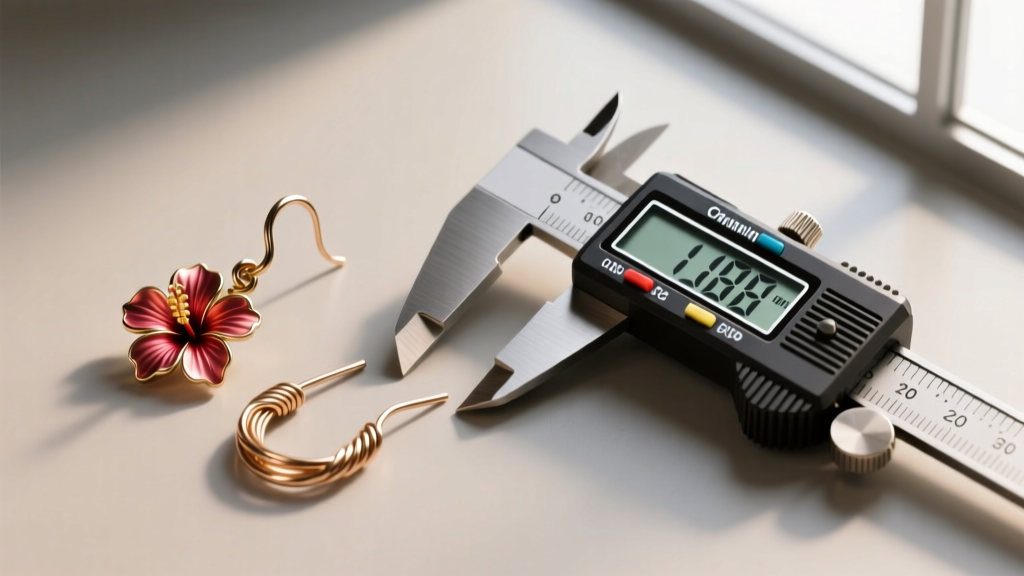
Additionally, the clutch or earring back must be proportionate. A standard butterfly clutch is insufficient for a front-heavy hibiscus stud, causing the flower to droop forward. Look for La Pousette backs (which lock into place with a mechanical spring) or wide, flat silicone friction discs that distribute the weight across a larger surface area of the earlobe.
Care and Failure Modes: Preventing Tarnish and Enamel Fractures
Even the finest 18k gold and vitreous enamel hibiscus earrings will degrade if subjected to improper care. Understanding the specific failure modes of botanical jewelry will save you hundreds of dollars in repairs.
1. The Hairspray Hazard: Aerosol hairsprays and heavy perfumes contain alcohols and propellants that create a microscopic, cloudy film over vitreous enamel and gemstone inlays. Because the crevices of a hibiscus stamen are nearly impossible to polish with a cloth, always apply cosmetics before putting on your earrings.
2. Ultrasonic Cleaner Destruction: Never place enamel or gemstone-inlay hibiscus earrings in an ultrasonic jewelry cleaner. The high-frequency acoustic cavitation bubbles will violently implode against the glass enamel, causing micro-fractures, and can easily shatter porous inlays like turquoise or mother of pearl.
3. Prong Snagging: The protruding stamen of a hibiscus earring is a magnet for snagging on knit sweaters and hairbrushes. If the stamen features a small diamond or sapphire accent, a hard snag can lift the delicate prongs, resulting in stone loss. Inspect the stamen prongs with a 10x jeweler's loupe every six months to ensure they remain flush against the gemstone.
Final Verdict: Investing in Tropical Elegance
When selecting hibiscus earrings, prioritize material integrity over sheer size. A modest 12mm 14k gold and vitreous enamel stud will outlast and outshine a massive 50mm brass and resin chandelier every time. By demanding solid metals, kiln-fired enamels, and structurally sound 18-gauge hardware, you ensure that your botanical jewelry remains as vibrant and resilient as the tropical flower it emulates.


