Beginner's Guide to Buying and Styling Kissing Ram Earrings
Discover everything about kissing ram earrings. This beginner's guide covers zodiac motifs, metal grades, sizing, and how to style these unique pieces.

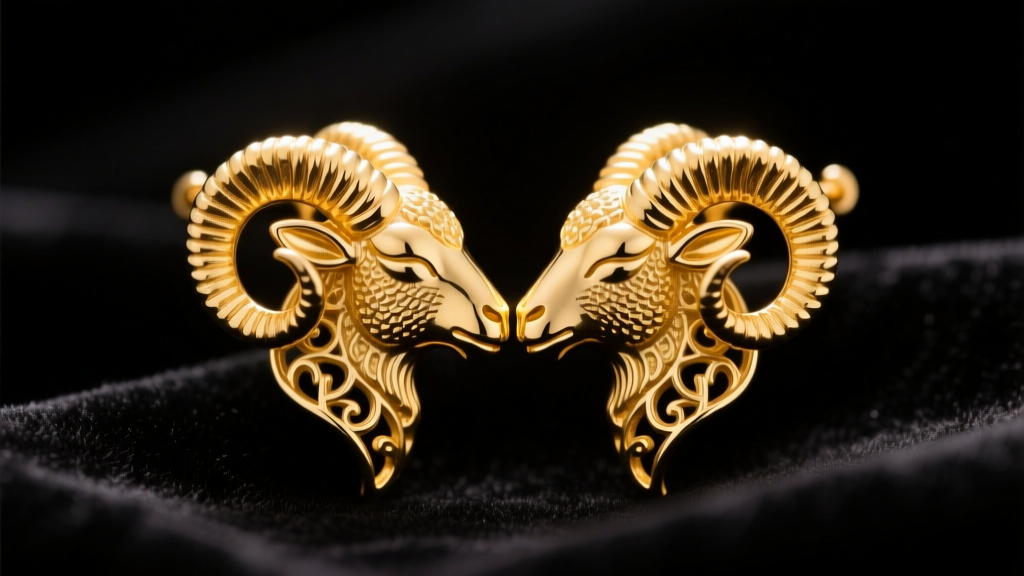
Animal motif jewelry has experienced a massive resurgence in recent years, moving beyond simple zodiac pendants into intricate, wearable art. Among the most striking and historically rich designs are kissing ram earrings—a style featuring two rams facing each other, often with their horns interlocking or snouts gently touching. Whether you are drawn to this design for its Aries zodiac symbolism, its roots in ancient Celtic art, or simply its bold aesthetic, navigating the market as a beginner can be overwhelming. This comprehensive guide breaks down everything you need to know about materials, weight distribution, sizing, and styling to ensure your first pair of ram motif earrings is both comfortable and visually stunning.
The Symbolism and Historical Origins of the Ram Motif
Before diving into metals and gauges, it is essential to understand the heritage of the design. The 'kissing' or confronting rams motif is not a modern invention. It traces its lineage back to ancient Scythian goldwork and Celtic torcs, where animal styles were used to denote power, protection, and a connection to nature. According to the Metropolitan Museum of Art's archives on Scythian animal style, confronting animals were a staple of nomadic Eurasian art, symbolizing balance and eternal struggle. Today, kissing ram earrings translate this ancient symmetry into a modern, wearable format, making them incredibly popular among those who appreciate historical revival jewelry or possess an Aries astrological sign.
Manufacturing Methods: Lost-Wax Casting vs. Stamping
When shopping for kissing ram earrings, the manufacturing method dictates the level of detail you will see in the ram's fleece, facial structure, and horn ridges.
- Lost-Wax Casting: This is the gold standard for 3D motif jewelry. A jeweler carves the kissing rams out of wax, creates a mold, and pours molten metal into the cavity. This method captures micro-textures, allowing you to see individual curls in the ram's wool and deep grooves in the horns.
- Die Striking or Stamping: Common in budget-friendly fashion jewelry, this involves pressing a metal sheet between two dies. While excellent for crisp, flat silhouettes, stamped earrings lack the deep, three-dimensional undercuts that make the kissing ram motif truly pop.
Beginner Tip: Always inspect macro photos of the jewelry. If the ram's horns look flat or the fleece resembles a bumpy texture rather than distinct curls, the piece was likely stamped or cast from a degraded mold.
Decoding Metal Grades and Durability
The metal you choose affects not only the price but also how the intricate details of the rams hold up over time. Softer metals can lose their crisp edges, while harder metals preserve the design for generations. The Gemological Institute of America (GIA) notes that alloy compositions in precious metals are specifically engineered to balance workability with durability.
| Metal Grade | Avg. Price Range | Detail Retention | Pros & Cons for Motif Jewelry |
|---|---|---|---|
| Brass / Bronze | $25 - $60 | Low to Medium | Pros: Affordable, develops a vintage patina. Cons: Can cause green skin reactions; deep crevices trap oxidization. |
| 925 Sterling Silver | $60 - $150 | High | Pros: Excellent detail, hypoallergenic. Cons: Tarnishes quickly in the deep grooves of the ram's fleece. |
| 14k Solid Gold | $250 - $800+ | Very High | Pros: Heirloom durability, resists tarnish, ideal for daily wear. Cons: High initial investment. |
| Vermeil (Gold over Silver) | $80 - $180 | Medium | Pros: Luxurious look at a lower cost. Cons: Gold plating eventually wears off the high-friction points like the ram's horns. |
Sizing, Weight, and Gauge: Preventing Earlobe Droop
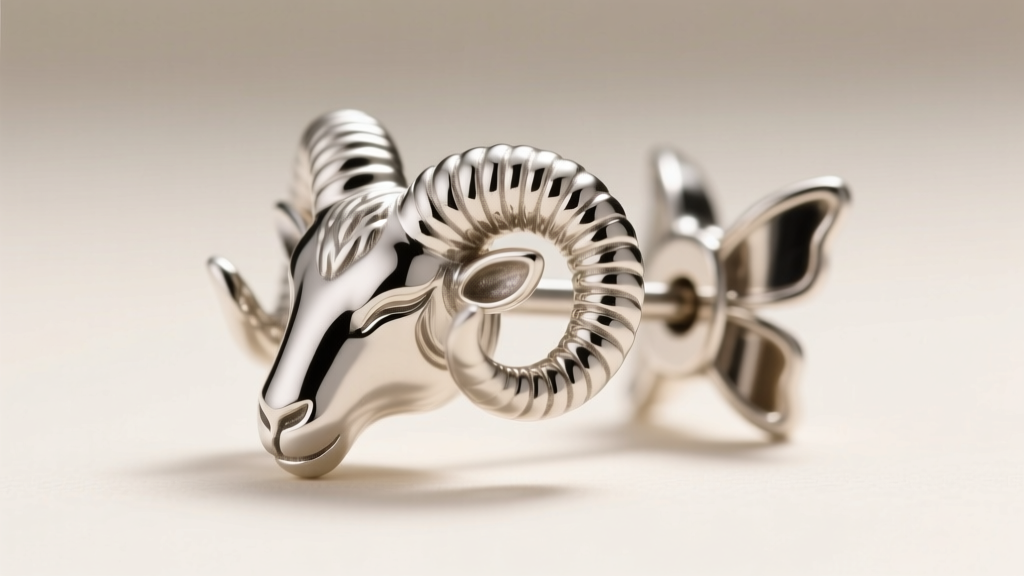
The most common mistake beginners make with intricate motif jewelry is ignoring the physics of the piece. Kissing ram earrings—especially those featuring interlocking horns—can be surprisingly heavy due to the dense metal required for the 3D cast.
Understanding Wire Gauge
If you are buying drop or dangle styles, pay strict attention to the ear wire gauge. The Association of Professional Piercers (APP) emphasizes that jewelry weight must be appropriately supported by the wire thickness to prevent tissue migration or tearing.
- 22-Gauge (0.64mm): Too thin. Avoid this for any 3D ram motif, as the weight will cause the wire to bend and slice through the earlobe over time.
- 20-Gauge (0.81mm): Standard for lightweight studs. Acceptable only if the kissing ram design is under 10mm in width and hollow-backed.
- 18-Gauge (1.02mm) to 16-Gauge (1.29mm): The ideal range for medium-to-large kissing ram drop earrings. This thickness provides the structural integrity needed to support the motif without stretching your piercing.
Solutions for Heavy Studs
If you prefer a stud style where the two rams meet horizontally across the lobe, the center of gravity can pull the earring downward, causing the 'drooping' effect. To combat this, look for studs that feature an omega-back or a la pousette (locking) clutch. These backs feature a wider surface area that grips the earwire securely and distributes the weight of the motif evenly across the back of the earlobe. Alternatively, using silicone earring support patches behind the lobe can provide the necessary scaffolding for heavier brass or silver pieces.
How to Style Ram Motif Jewelry
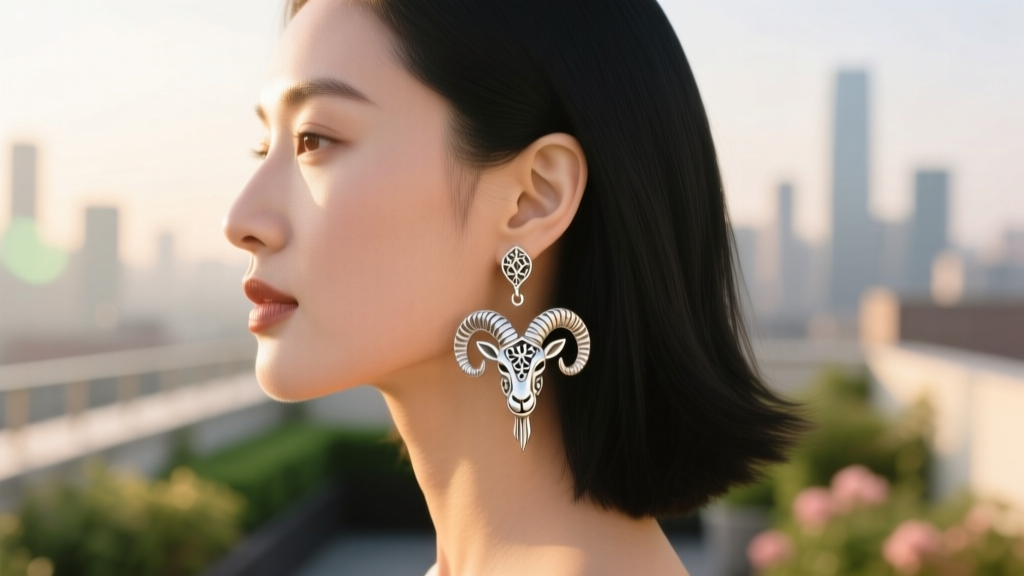
Because kissing ram earrings are inherently detailed and visually heavy, they act as a focal point. Styling them requires balancing the rest of your look.
Face Shape Considerations
- Round Faces: Opt for vertical dangle styles where the rams are stacked or where the interlocking horns create a teardrop silhouette. This elongates the jawline.
- Square Faces: Choose kissing ram studs or huggies where the rams wrap around the earlobe. The curved horns will soften angular jawlines.
- Heart-Shaped Faces: Medium-sized drop earrings where the rams face each other horizontally add necessary width to the lower half of the face, creating balance.
Wardrobe Pairings
Let the earrings do the talking. Kissing ram motifs pair beautifully with minimalist, solid-colored garments like turtlenecks, linen blouses, or leather jackets. Avoid wearing them with busy, patterned tops or competing statement necklaces, as the intricate horn and fleece details will get lost in the visual noise.
Pricing Expectations and Where to Buy
When shopping for kissing ram earrings, you will generally encounter three tiers of the market:
- Fast Fashion & Marketplaces ($15 - $40): Often made of zinc alloy or plated brass. The details are usually soft, and the ear wires are thin. Good for occasional costume wear, but not for sensitive ears.
- Independent Artisans & Etsy ($60 - $200): The sweet spot for beginners. Many independent jewelers use lost-wax casting in solid 925 sterling silver or 14k gold-filled metals. You get exceptional detail and secure, thick ear wires.
- Fine Jewelry Designers ($400 - $1,500+): These pieces are cast in solid 14k or 18k gold and may feature pave diamond eyes or enamel accents on the horns. They are investment pieces meant for lifelong wear.
Care and Maintenance for Intricate Crevices
The deep undercuts in the ram's horns and the textured fleece are magnets for skin oils, lotions, and environmental dust. If left uncleaned, this buildup will dull the metal and obscure the design.
The Cleaning Protocol:
- Mix a few drops of mild, phosphate-free dish soap into a bowl of warm water.
- Soak the earrings for 5 to 10 minutes to loosen debris.
- Use a baby toothbrush (which has ultra-soft bristles) to gently agitate the crevices around the horns and snouts. Never use a hard-bristled brush, as it will scratch polished metal surfaces.
- Rinse thoroughly under lukewarm water and pat dry with a microfiber cloth.
Crucial Warning: Avoid ultrasonic cleaners if your kissing ram earrings feature gemstone accents (like sapphire or diamond eyes) or cold enamel. The high-frequency vibrations can easily fracture stones or shatter enamel that has been set into the deep recesses of the casting.
Final Thoughts for the Beginner
Kissing ram earrings are more than just a passing trend; they are a wearable piece of art history that blends ancient symbolism with modern craftsmanship. By prioritizing proper gauge thickness, selecting durable metals like sterling silver or solid gold, and committing to a gentle cleaning routine, you can ensure your motif jewelry remains sharp, comfortable, and visually striking for years to come. Start with a well-casted sterling silver pair from an independent artisan, and you will quickly understand why this confronting animal motif has captivated jewelry lovers for centuries.


