Lost Diamond Earring Insurance: Claims & Prevention
Discover how lost diamond earring insurance works, from filing claims and understanding riders to essential care tips that prevent losing your studs.

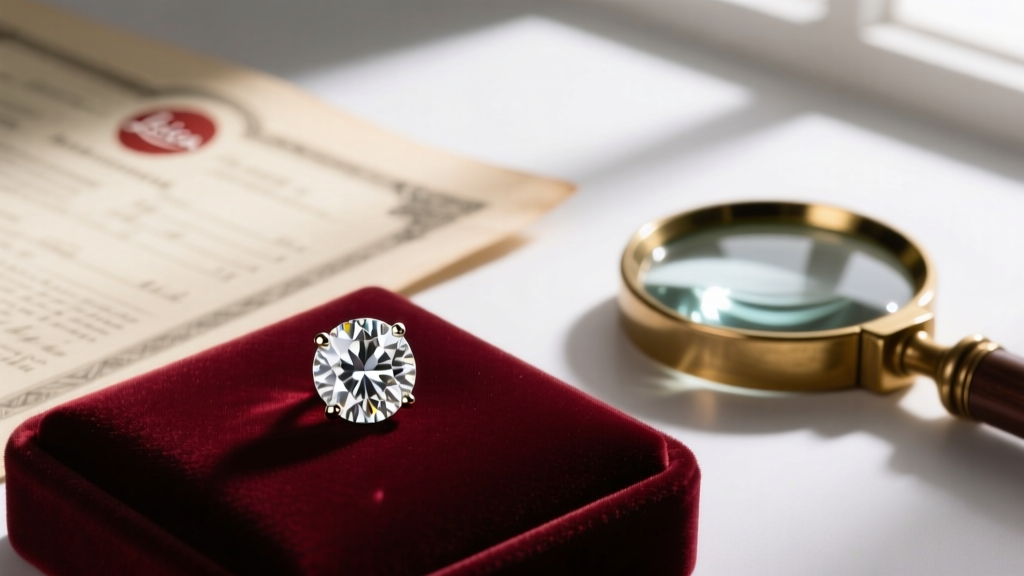
The Sinking Feeling: Why Lost Diamond Earring Insurance Matters
There are few moments in jewelry ownership as devastating as reaching up to touch your earlobe and feeling nothing but bare skin. Losing a diamond stud earring is not merely a financial setback; it is the loss of a milestone, an heirloom, or a cherished gift. While meticulous care and maintenance are your first lines of defense, accidents happen. Backings fail, prongs catch on sweaters, and earrings slip down drains. This is where understanding the nuances of lost diamond earring insurance transitions from a bureaucratic afterthought to an absolute necessity.
In 2026, the landscape of jewelry insurance has evolved, with specialized policies and updated appraisal requirements dictating how smoothly your claim will be processed. This guide bridges the gap between preventative earring care and the hard financial mechanics of replacing a lost diamond.
Decoding Your Coverage: Standard Policies vs. Scheduled Riders
Many consumers mistakenly believe their standard homeowners or renters insurance policy fully covers their jewelry. According to the Insurance Information Institute (III), standard policies typically impose a strict sub-limit on jewelry theft or loss—often capped between $1,500 and $2,500. Given that a single high-quality, half-carat diamond stud can easily exceed $2,000, a standard policy will leave you severely underinsured.
To secure comprehensive protection, you must schedule your jewelry. A Scheduled Personal Property Endorsement (SPPE) or a specialized jewelry policy provides coverage for 'mysterious disappearance'—the exact terminology you need when an earring falls out in a public space and cannot be recovered. Furthermore, specialized riders often waive the deductible and cover the full Replacement Cost Value (RCV) rather than the depreciated Actual Cash Value (ACV).
| Coverage Type | Sub-Limit | Mysterious Disappearance | Deductible |
|---|---|---|---|
| Standard Homeowners | $1,500 - $2,500 | Rarely Covered | $500 - $1,000+ |
| Scheduled Rider (SPPE) | Appraised Value | Covered | Usually $0 |
| Specialty Jewelry Insurer | Appraised Value | Covered | Usually $0 |
The Appraisal Process: Documenting Your Diamonds
You cannot insure what you cannot prove. Insurers require a formal appraisal or a laboratory grading report to bind coverage. The Gemological Institute of America (GIA) provides Diamond Dossiers and Grading Reports that serve as the gold standard for identifying your stone's exact carat weight, cut, color, and clarity. However, a GIA report is a grading, not an appraisal. An appraisal assigns a replacement dollar value based on current retail markets.
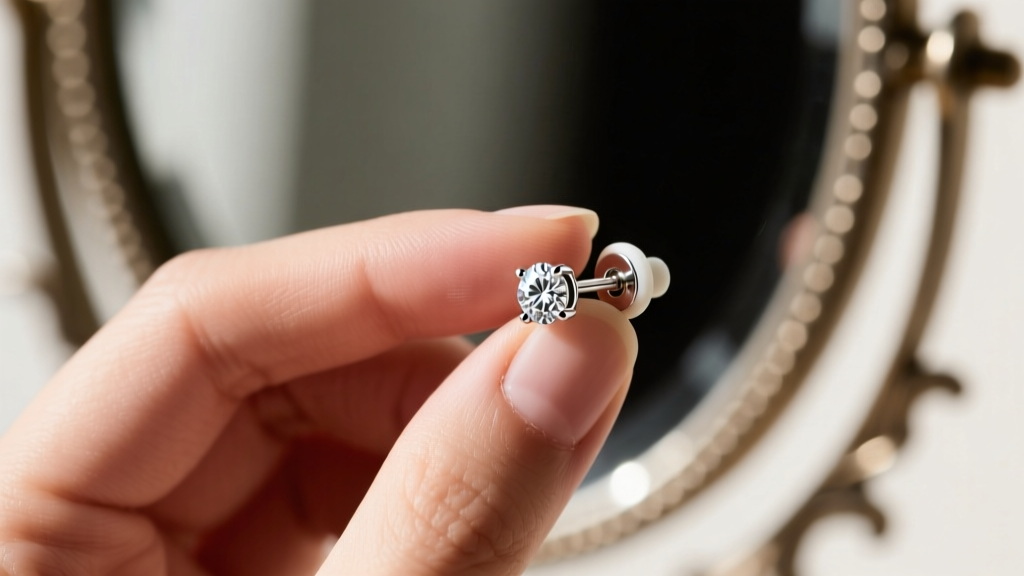
The 2026 Appraisal Rule of Thumb
Diamond prices and precious metal markets fluctuate. Most insurers require an updated appraisal every two to three years. If you submit a claim using a ten-year-old appraisal, the insurer may only pay out the outdated figure, which might not cover the cost of replacing your earring in today's market. Always keep digital and physical copies of your receipts, the original GIA certificate, and the most recent appraisal document stored in a secure cloud drive.
Beware of 'free appraisal' events hosted by some retail jewelers. These often inflate the replacement value to make the purchase seem like a better deal, which can lead to higher insurance premiums. Insurers prefer independent, certified appraisers who provide unbiased, market-accurate valuations.
Preventative Care: Hardware, Maintenance, and Inspection
The most effective way to deal with a lost earring claim is to never have to file one. Earring loss is rarely a true mystery; it is usually a mechanical failure of the earring's hardware or setting. Implementing a rigorous care and inspection routine is vital.
1. Upgrade Your Backings
Standard 'butterfly' friction backs rely on a tiny metal scroll that stretches and loses tension over time. If you wear valuable diamond studs daily, upgrade your hardware:
- Screw-Backs: These feature a threaded post and a backing that screws on. They are highly secure but require patience to put on and take off.
- Silicone Locking Backs: Brands like Chrysmela offer silicone-lined backs that grip the post and lock into place, providing immense friction without the hassle of threading.
- La Pousette Backs: A mechanical, push-button backing system originally designed for high-end luxury earrings, offering a secure click-lock mechanism.
2. The 'Snag Test' During Cleaning
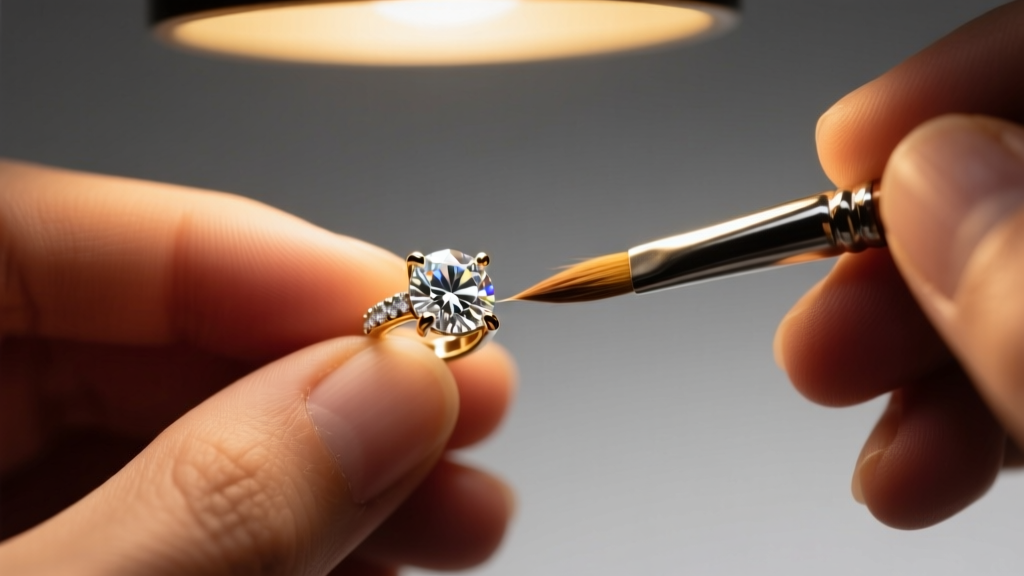
You should be cleaning your diamond earrings every two weeks to remove sebum, lotion, and dead skin cells that dull the stone's brilliance. Use a bowl of warm water, a few drops of mild, ammonia-free dish soap, and a baby-soft toothbrush.
The Expert Trick: While gently brushing the underside of the diamond (the pavilion), pay attention to the prongs. If the soft bristles of your toothbrush snag on a prong, that prong is lifted. A lifted prong means the diamond is loose and at imminent risk of falling out. Stop wearing the earring immediately and take it to a jeweler for a quick prong re-tipping.
3. Mind the Ultrasonic Cleaners
While ultrasonic cleaners are fantastic for removing grime from diamond solitaires, they can be dangerous if your diamond has internal fractures or if the stone has been treated with fracture-filling resins. The high-frequency vibrations can shatter a fragile stone or shake a loose diamond right out of its setting. When in doubt, stick to manual, gentle brushing.
4. Storage and Travel Habits
Never remove your earrings over an open sink drain. It sounds rudimentary, but plumbers recover thousands of dollars in lost diamonds from P-traps every year. When traveling, do not store loose earrings in plastic baggies where they can easily slip out or be mistaken for trash. Use a dedicated, hard-shell travel jewelry case with individual padded compartments. Furthermore, always put your earrings in after applying makeup, hairspray, and perfume, and take them out before showering or swimming. Chlorine and harsh cosmetics can degrade the alloy metals in your setting, making prongs brittle and prone to snapping.
Filing a Claim: Your Step-by-Step Action Plan
If the worst happens and your earring is gone, follow this protocol to ensure your lost diamond earring insurance claim is processed without friction:
- Retrace and Search: Check sink traps, vacuum cleaner canisters, and the folds of your car seats. Diamonds are attracted to grease and often stick to unexpected surfaces.
- Locate Documentation: Pull up your scheduled rider, the original receipt, the GIA report, and your latest appraisal.
- Notify Your Insurer: Call your agent or specialized insurer immediately. Be precise with your terminology; state clearly that the item was 'lost' or 'mysteriously disappeared,' rather than stolen, unless a theft actually occurred.
- Understand Replacement vs. Cash Settlement: Many specialty insurers have a 'replacement' clause, meaning they will source a matching diamond stud from their network of jewelers rather than handing you a cash payout. If you want cash, you may have to negotiate or accept a slightly lower settlement figure.
'The cornerstone of a successful jewelry claim is proactive documentation. A policy is only as strong as the appraisal and grading reports that support it.' — Specialty Jewelry Underwriting Guidelines
Final Thoughts on Protection and Peace of Mind
Diamond earrings are meant to be worn and enjoyed, not locked away in a safe out of fear. By pairing secure, upgraded hardware and a disciplined bi-weekly cleaning inspection with a robust, scheduled lost diamond earring insurance policy, you guarantee that your investment is protected against the unpredictable nature of daily life. Review your policy limits today, check your prongs tonight, and wear your diamonds with absolute confidence.


