Lymph Earrings Explained: Swollen Nodes & Piercing Troubleshooting
Experiencing swollen lymph nodes from earrings? We debunk lymph earring myths and troubleshoot piercing infections, allergies, and safe metals.

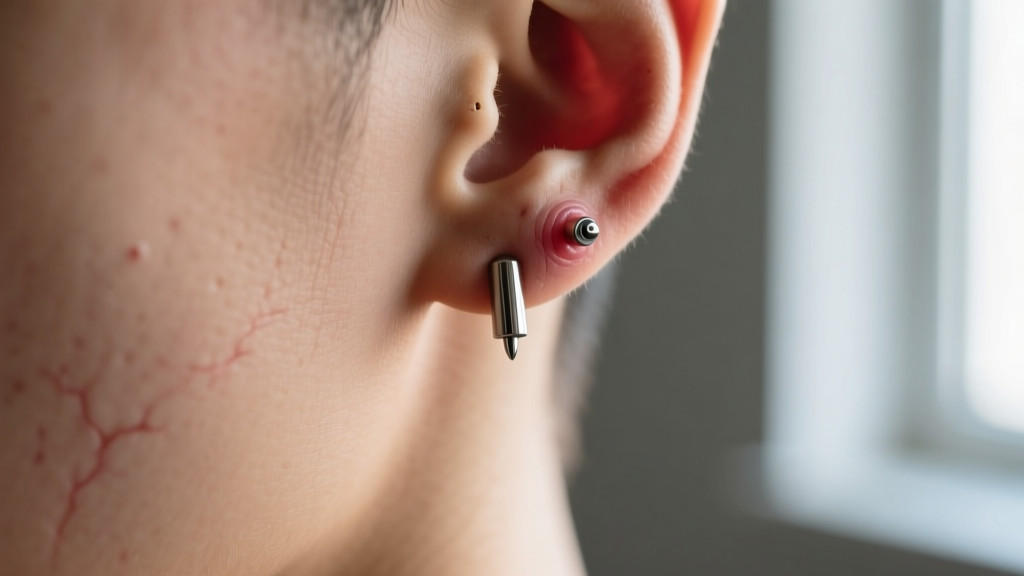
The "Lymph Earrings" Search Intent: Myth vs. Medical Reality
If you have found yourself searching for "lymph earrings" in 2026, you are likely dealing with one of two distinct scenarios. The first is a wellness trend: viral social media ads promoting magnetic or copper "lymphatic drainage earrings" that claim to stimulate the lymphatic system and reduce facial puffiness. The second, and far more common medical reality, is that you are experiencing reactive lymphadenopathy—swollen lymph nodes in your neck or jaw—caused by an infected, irritated, or allergic piercing.
Let us immediately debunk the wellness myth. The lymphatic system relies on skeletal muscle contraction, arterial pulsation, and manual lymphatic drainage (MLD) massage to move lymph fluid. Localized static magnetic fields or copper discs resting on the earlobe possess zero physiological mechanism to drain lymph nodes. Any perceived reduction in puffiness from these novelty items is purely a placebo effect or the result of localized temperature changes.
The true "lymph earring" issue is pathological. When your preauricular (in front of the ear) or cervical (neck) lymph nodes swell after wearing earrings, it is a clear biological distress signal. Your immune system is actively fighting an localized invasion, whether bacterial, chemical, or mechanical. Understanding the exact failure mode of your jewelry is the first step toward resolving the swelling.
The Anatomy of Reactive Lymphadenopathy in Piercings
Lymph nodes act as biological filtration stations. When a piercing site encounters a threat, antigen-presenting cells (like Langerhans cells in the skin) capture the offending agent and migrate to the nearest lymph node cluster to activate T-cells. This rapid cellular multiplication causes the node to physically enlarge, becoming tender, firm, or hot to the touch.
In the context of ear piercings, the three primary triggers for this immune cascade are:
- Allergic Contact Dermatitis (ACD): Nickel ions leaching from cheap alloys bind to skin proteins, triggering a Type IV hypersensitivity reaction.
- Bacterial Biofilm Infections: Pathogens like Staphylococcus aureus or Pseudomonas aeruginosa colonize the fistula (piercing channel), especially around porous metals or externally threaded jewelry.
- Micro-Trauma and Migration: Heavy dangle earrings or poorly angled cartilage piercings cause chronic tissue tearing, leading to sterile inflammation that still prompts a lymphatic response.
Troubleshooting Matrix: Diagnosing Your Ear & Lymph Symptoms
Accurately diagnosing the root cause of your swollen lymph nodes dictates the treatment protocol. Use the following troubleshooting matrix to identify your specific earring failure mode.
| Symptom Profile | Probable Cause | Material / Mechanical Culprit | Immediate Action Required |
|---|---|---|---|
| Node is tender; piercing is intensely itchy, flaky, and weeping clear fluid. | Allergic Contact Dermatitis | "Surgical Steel", Sterling Silver, or low-karat gold containing nickel/copper. | Remove jewelry. Switch to ASTM F136 Titanium. Apply topical corticosteroid if prescribed. |
| Node is hard and hot; piercing exudes thick yellow/green pus with a foul odor. | Bacterial Infection | Porous acrylic, bone, wood, or externally threaded steel harboring biofilm. | Do NOT remove jewelry (traps abscess). See a doctor for oral antibiotics. Use sterile saline. |
| Node is mildly swollen; piercing channel feels tight, red, and bleeds when moved. | Mechanical Trauma / Hypertrophic Scarring | Excessively long posts, heavy hoops, or wrong gauge (e.g., 20G in a 16G fistula). | Downsize post length with a professional piercer. Sleep on a travel pillow to avoid pressure. |
Metallurgical Failures: Why "Surgical Steel" Triggers Immune Responses
One of the most pervasive myths in the jewelry industry is that "surgical stainless steel" is universally safe for sensitive ears. In reality, standard 316L surgical steel contains between 8% and 12% nickel. While the European Nickel Directive limits nickel release to 0.5 µg/cm²/week for prolonged skin contact, the warm, moist, and slightly acidic environment of a healing or irritated piercing fistula can accelerate ion leaching far beyond safe thresholds.
When your lymph nodes swell due to ACD, the only permanent solution is absolute avoidance of the allergen. According to the American Academy of Dermatology, nickel allergy is the most common cause of allergic contact dermatitis, affecting up to 18% of adults. To bypass lymphatic flare-ups entirely, you must upgrade to biocompatible, inert materials:
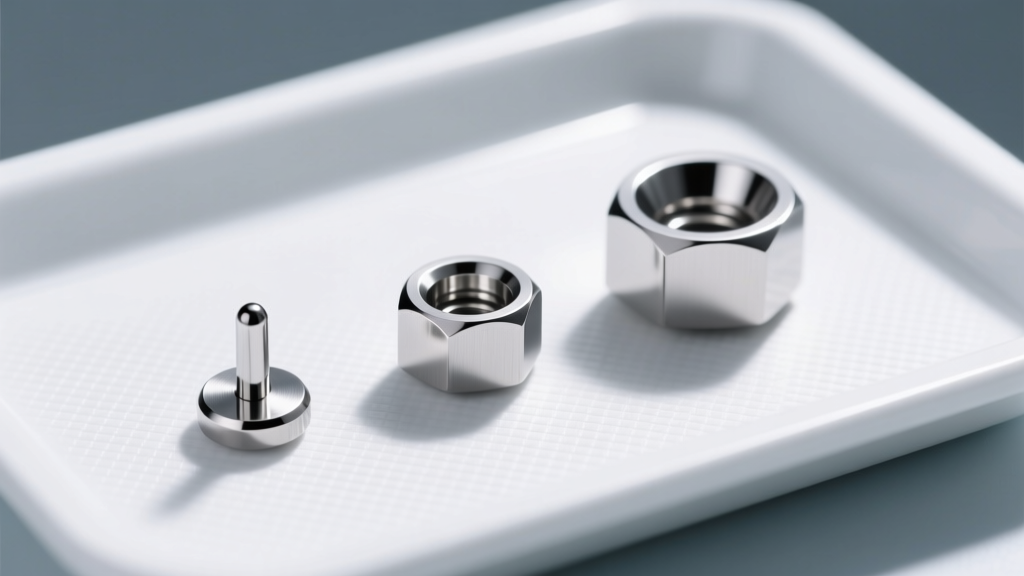
- Implant-Grade Titanium (ASTM F136 / ISO 5832-3): Contains zero nickel. It is the gold standard for initial piercings and reactive ears. Brands like Anatometal and Industrial Strength offer mirror-finished titanium that resists biofilm adhesion.
- Niobium (99.9% Pure): A highly unreactive elemental metal that can be anodized to various colors without using dyes or plating that could flake into the fistula.
- Solid 14k or 18k Gold (Nickel-Free): Ensure the alloy is mixed with palladium or silver, not nickel or zinc. Avoid gold plating or gold-filled options, as the base metal will eventually expose the piercing to allergens.
Mechanical Irritation: Threading, Gauge, and Fistula Trauma
Lymph nodes do not only react to chemicals and bacteria; they react to chronic physical destruction. The mechanical design of your earring plays a massive role in tissue stability.
The Danger of Externally Threading
Externally threaded earrings (where the screw pattern is on the post itself) act like a microscopic cheese grater every time they are inserted or removed. This tears the delicate epithelial lining of the fistula, introducing micro-trauma that keeps the local immune system in a state of high alert, often resulting in persistent, low-grade lymph node swelling. As recommended by the Association of Professional Piercers (APP), always opt for internally threaded (the screw is on the decorative end) or threadless (push-pin) jewelry systems.
Gauge Mismatches
Wearing the wrong wire thickness causes continuous friction. Standard lobe piercings are typically done at 18G (1.0mm) or 16G (1.2mm), while cartilage piercings (helix, conch, tragus) require 16G or 14G (1.6mm) to provide structural stability and prevent the "cheese-cutter effect." Inserting a flimsy 20G (0.8mm) wire into a 16G fistula allows the jewelry to move excessively, irritating the tissue and triggering a lymphatic response.
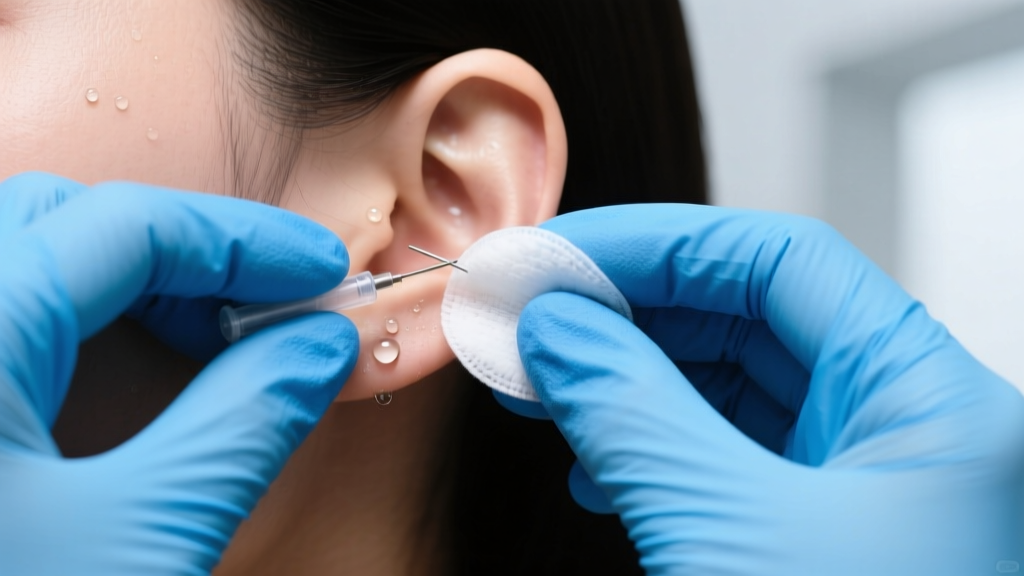
The 2026 Clinical Recovery Protocol for Swollen Nodes
If your lymph nodes are currently swollen due to an earring reaction, follow this step-by-step troubleshooting protocol to calm the immune response and salvage the piercing.
- Assess for Abscess: If the piercing site is fluctuant (squishy), extremely hot, and you have a fever, seek immediate medical attention. Do not remove the jewelry, as the hole will close and trap the infection inside, forming an abscess that requires surgical drainage.
- Eliminate the Allergen: If the reaction is allergic (itchy, clear weeping, localized rash), visit an APP-certified piercer to have the jewelry swapped to an implant-grade titanium flat-back labret. Do this in a sterile environment; do not attempt to swap it yourself with bare hands.
- Implement Sterile Saline Soaks: Spray a 0.9% sterile wound wash (containing only water and sodium chloride, no additives like tea tree oil or aloe) onto non-woven gauze. Hold it against the piercing for 3-5 minutes twice daily. This softens lymphatic crusties without disrupting the healing matrix.
- Downsize the Post: Once initial swelling subsides (usually within 2-4 weeks), the original long post must be downsized. Excess post length catches on hair and clothing, causing mechanical trauma that prolongs lymph node reactivity.
- Manage the Lymph Node: Apply a warm compress to the swollen lymph node for 10 minutes, three times a day, to encourage localized blood flow and lymphatic drainage. Over-the-counter NSAIDs (like Ibuprofen) can help reduce both the node swelling and the localized piercing inflammation.
Red Flags: When to Seek Emergency Medical Care
While most earring-induced lymphadenopathy resolves once the irritant is removed, the vascular anatomy of the ear and scalp poses unique risks. The Mayo Clinic warns that infections in the head and neck region can occasionally spread systemically or to deeper fascial planes.
Seek emergency medical care immediately if you experience any of the following:
- A fever exceeding 101°F (38.3°C) accompanying the swollen node.
- Red streaks radiating from the piercing site down your neck or jawline (lymphangitis).
- The lymph node becomes fixed, immovable, and continues to grow rapidly over 48 hours despite jewelry removal and antibiotic treatment.
- Cartilage deformation or a "cauliflower ear" appearance, indicating perichondritis (infection of the cartilage membrane), which requires aggressive intravenous antibiotics to prevent permanent necrosis.
By understanding the physiological link between your jewelry choices and your lymphatic system, you can transition from reactive troubleshooting to proactive prevention. Ditch the pseudoscientific magnetic gimmicks, invest in verified ASTM F136 titanium, and respect the biological limits of your tissue. Your immune system—and your lymph nodes—will thank you.


