Lymphatic Earrings Explained: Do Magnetic Wellness Studs Really Work?
Discover what lymphatic earrings are, how magnetic wellness studs claim to work, and the best hypoallergenic materials for sensitive earlobes.

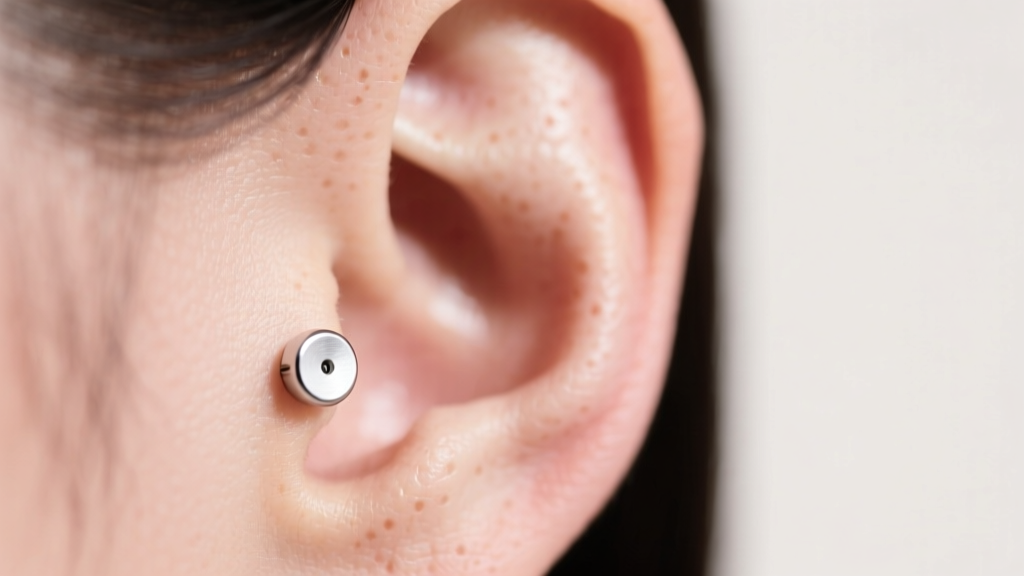
The Rise of Lymphatic Earrings: Trend or Therapy?
If you have spent any time on wellness-focused social media feeds over the last few years, you have likely encountered the term 'lymphatic earrings.' Marketed as a hands-free, effortless way to reduce facial puffiness, detoxify the body, and stimulate cervical lymph nodes, these small magnetic studs and copper cuffs have become a viral sensation. But as jewelry experts and medical professionals look closer at the trend, a critical question emerges: are lymphatic earrings a legitimate therapeutic tool, or just another pseudoscientific fad?
At Jewel Style Radar, we believe in separating metallurgical fact from marketing fiction. In this comprehensive beginner-friendly guide, we will break down exactly what lymphatic earrings are, the materials used to manufacture them, the medical consensus on magnetic therapy, and how to wear them safely without damaging your earlobes or triggering severe contact dermatitis.
Auriculotherapy vs. Lymphatic Drainage: The Science Gap
To understand the claims behind lymphatic earrings, we first need to understand the anatomy of the ear and the lymphatic system. The lymphatic system is a vast network of vessels and nodes responsible for clearing interstitial fluid, cellular waste, and toxins from the body. The primary lymph nodes responsible for draining the face and neck are the cervical and submandibular nodes, located deep within the neck and jawline.
Proponents of lymphatic earrings often conflate two distinct alternative medicine concepts:
- Auriculotherapy: A form of alternative medicine based on the idea that the ear is a microsystem of the entire body. Stimulating specific points on the ear (often with needles, seeds, or magnets) is claimed to affect corresponding organs.
- Manual Lymphatic Drainage (MLD): A highly specific, gentle massage technique developed in the 1930s designed to physically push stagnant lymph fluid toward functioning lymph nodes.
The fundamental flaw in the marketing of lymphatic earrings is the suggestion that a static magnetic field applied to the earlobe can physically move lymphatic fluid. According to the National Lymphedema Network, lymph fluid requires gentle, directional mechanical pressure to move through its vessels. A 2mm neodymium magnet resting on the skin does not provide the mechanical manipulation required to drain lymph nodes. Furthermore, the earlobe itself contains virtually no lymph nodes; it is primarily composed of adipose (fat) tissue and fibroareolar connective tissue.
Material Breakdown: What Are They Actually Made Of?
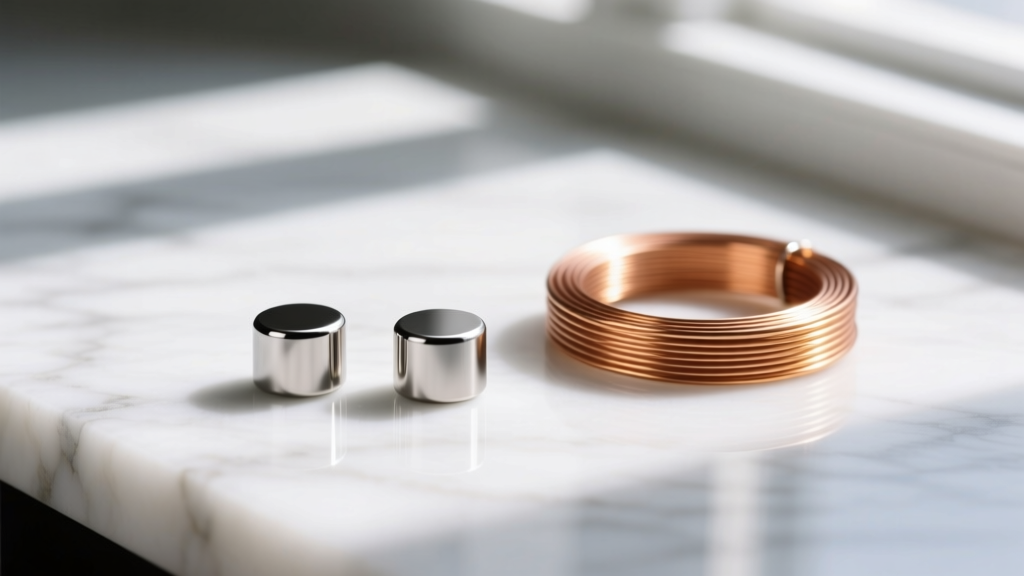
If you decide to purchase magnetic wellness earrings for their aesthetic appeal or as a placebo-driven relaxation tool, understanding their material composition is critical. The vast majority of these earrings rely on rare-earth magnets, specifically Neodymium (NdFeB). However, raw neodymium is highly reactive, oxidizes rapidly, and contains trace heavy metals. Therefore, the coating applied to the magnet dictates the safety and longevity of the earring.
| Coating Material | Allergy Risk | Durability | Price Range |
|---|---|---|---|
| Nickel Flash | Extremely High | Low (chips easily) | $5 - $12 |
| Epoxy Resin | Low | Medium (scratches) | $10 - $20 |
| PVD Titanium | None (Biocompatible) | High | $25 - $45 |
| Surgical Steel (316L) | Moderate (contains nickel) | High | $15 - $30 |
For anyone with sensitive skin or a history of contact dermatitis, you must avoid nickel-plated magnetic earrings. The American Academy of Dermatology frequently warns against prolonged skin contact with nickel, which is the most common cause of allergic contact dermatitis. When shopping for wellness studs, always look for ASTM F136 compliant titanium or high-quality PVD coatings.
The Hidden Dangers of Magnetic Pinch Earrings
Many lymphatic earrings are sold as 'non-piercing' magnetic studs. These consist of two magnets—one placed in front of the earlobe and one behind—clamping together to hold the jewelry in place. While this avoids the need for a needle, it introduces a significant medical risk: pressure necrosis.
High-grade neodymium magnets (such as N52 grade) possess an incredibly strong pull force. When clamped across the thin tissue of the earlobe, they can restrict capillary blood flow. If worn for extended periods (typically over 8 to 12 hours), the lack of oxygenated blood can cause the tissue to die, leading to painful ulcers, scarring, and eventual tissue loss. If you wear magnetic pinch earrings, you must adhere to the following safety protocols:
- The 4-Hour Rule: Never wear pinch-style magnetic earrings for more than four consecutive hours.
- Check for Blanching: If the skin around the magnet turns white or pale, remove the earring immediately to restore circulation.
- Avoid Sleeping: Never sleep in magnetic pinch earrings. The added pressure from your pillow can increase the clamping force and accelerate tissue damage.
Safety Protocols: MRIs, Pacemakers, and Medical Environments
Beyond localized skin issues, magnetic earrings pose severe risks in specific medical environments. The National Center for Complementary and Integrative Health (NCCIH) explicitly warns that magnetic jewelry must be removed before undergoing any medical imaging or if you rely on implanted electronic devices.
The MRI Hazard
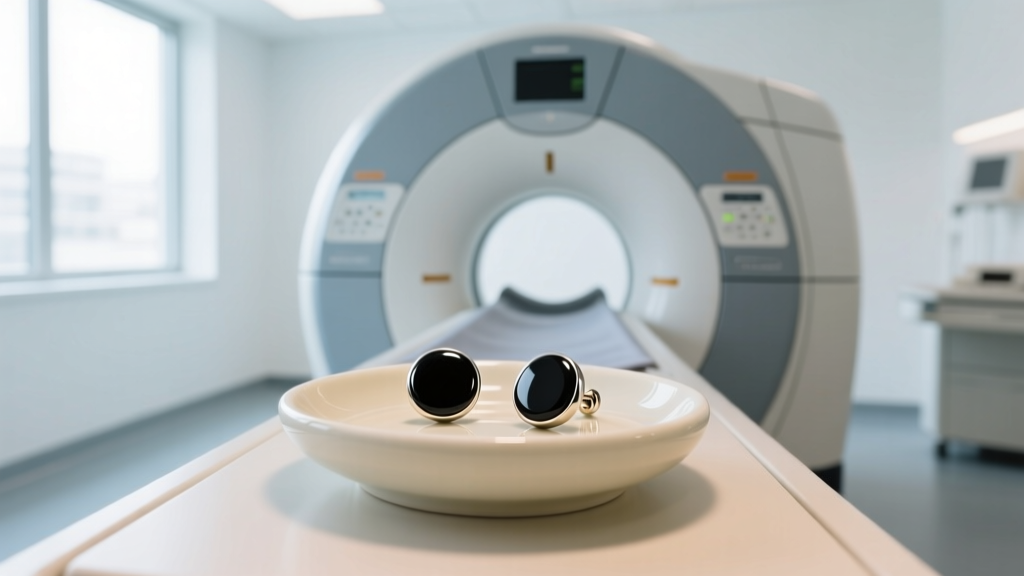
Magnetic Resonance Imaging (MRI) machines use massive superconducting magnets. If you enter an MRI room wearing neodymium lymphatic earrings, the machine's magnetic field can violently rip the jewelry from your ears, causing severe lacerations. Furthermore, the metal can distort the imaging results, leading to misdiagnoses.
Pacemaker Interference
While a small ear magnet is unlikely to disrupt a modern, shielded pacemaker from a distance, it is a strict safety protocol to keep all rare-earth magnets away from the chest and neck area of individuals with implantable cardioverter-defibrillators (ICDs) or insulin pumps.
Expert Verdict: Should You Buy Lymphatic Earrings?
From a strictly medical and anatomical perspective, lymphatic earrings do not drain lymph nodes, detoxify the blood, or reduce facial puffiness. True lymphatic drainage requires manual massage, hydration, and physical movement. However, this does not mean the jewelry is entirely without merit.
Many users report a soothing, placebo-driven relaxation effect from the gentle, localized pressure of auricular magnets, similar to the use of acupressure seeds in traditional Chinese medicine. If you view these earrings as a stylish, meditative accessory rather than a medical device, they can be a fun addition to your jewelry box.
The Jewel Style Radar Recommendation: If you want to invest in lymphatic earrings, prioritize PVD-coated titanium magnetic studs with a moderate N35 magnet grade to prevent tissue necrosis. Avoid cheap, nickel-plated imports, and never rely on them as a substitute for professional manual lymphatic drainage therapy.
Best Alternatives for Actual Earlobe Comfort
If your goal is simply to wear earrings that promote better circulation and comfort in the earlobe without the risks of magnetic clamping, consider these expert-approved alternatives:
- Hollow Titanium Huggies: Lightweight, 16-gauge titanium hoops that move freely, preventing the earlobe from sagging or restricting blood flow.
- Flat-Back Labret Studs: A 14-gauge or 16-gauge implant-grade titanium post with a flat disc back ensures zero pressure points on the rear of the earlobe, ideal for 24/7 wear.
- Continuous Seamless Hoops: Made from 14k solid gold or niobium, these eliminate the friction and pinching associated with traditional butterfly clasps.
Ultimately, understanding the intersection of jewelry materials and human anatomy empowers you to make safer, more informed choices. Whether you are drawn to the aesthetic of magnetic wellness studs or prefer the timeless comfort of solid gold, always prioritize biocompatible materials and respect the delicate physiology of your ears.


