Marie Antoinette Earrings: The 2026 Rococo Revival Trend
Discover how Marie Antoinette earrings are dominating 2026 jewelry trends. Explore girandole history, modern materials, and lobe support.

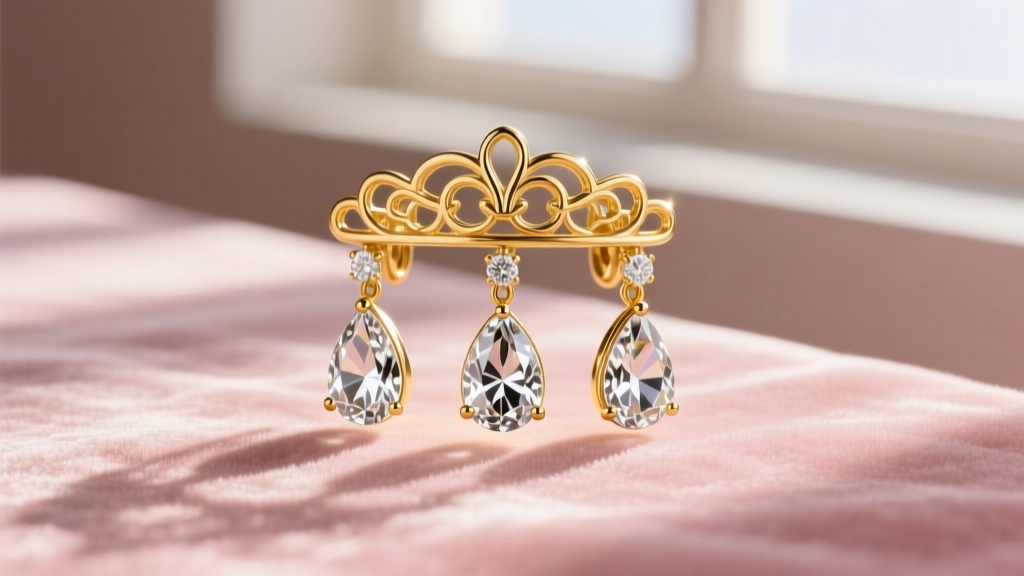
The Historical Blueprint: Decoding the Girandole Silhouette
When contemporary jewelers and stylists reference marie antoinette earrings, they are rarely speaking about a single, specific artifact. Instead, they are invoking a highly specific structural silhouette: the girandole. Characterized by a central ornamental motif—often a bow, ribbon, or floral cluster—from which three pear-shaped drops are suspended, the girandole was the undisputed queen of 18th-century European court jewelry. According to the Victoria and Albert Museum, these earrings were designed to catch the flickering candlelight of Versailles, utilizing rose-cut diamonds and silver settings to create maximum scintillation.
However, translating this 18th-century maximalism into a wearable 2026 trend requires a deep understanding of both historical proportions and modern metallurgy. The original Marie Antoinette styles were notoriously heavy, often causing significant lobe distortion. Today's Rococo Revival trend respects the dramatic, tri-drop visual rhythm of the girandole but completely re-engineers the architecture for the modern, active wearer.
The 2026 Rococo Revival: Runways and Material Shifts
The transition from the subtle "quiet luxury" of the early 2020s to the unapologetic maximalism of 2026 has placed historical revivalism at the forefront of high jewelry. The marie antoinette earrings trend is no longer confined to costume replicas; it has been embraced by avant-garde houses utilizing aerospace-grade materials and lab-grown gemstones.
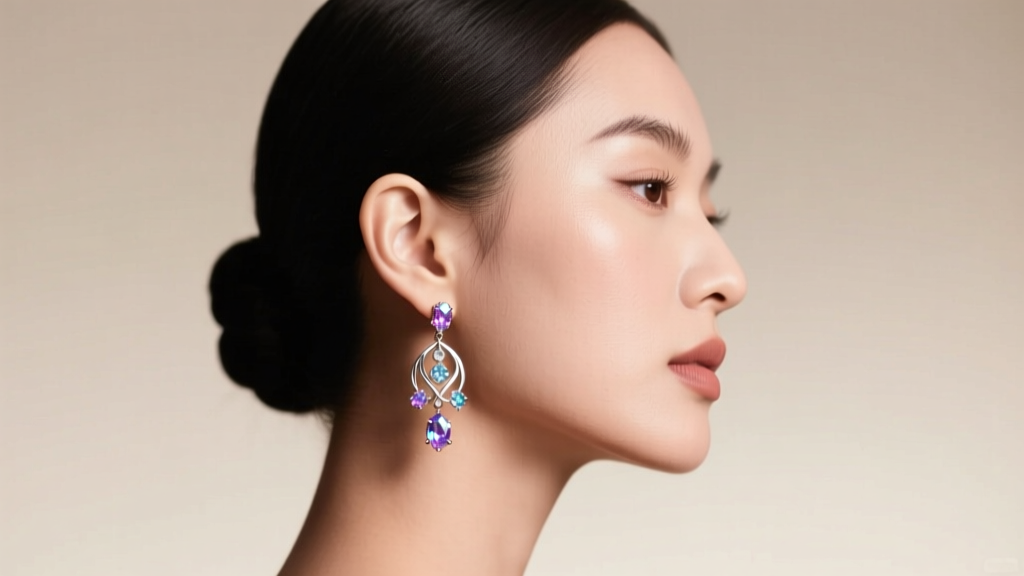
From Silver-Paste to Titanium and Lab-Grown
Historically, silver was used for the diamond settings to enhance whiteness, while gold was used for the structural hooks to prevent skin tarnishing. In 2026, designers are bypassing traditional bimetallic construction in favor of Grade 5 Titanium. Titanium offers the tensile strength required to support intricate, multi-tiered chandelier frameworks at a fraction of the weight of 18k gold. When paired with pear-cut lab-grown diamonds—which the Gemological Institute of America (GIA) notes possess identical optical and chemical properties to mined stones—designers can create massive, 15-carat total weight (CTW) marie antoinette earrings that weigh less than a standard pair of modern gold hoops.
Engineering the Drop: Weight, Gauge, and Lobe Support
The most critical failure point of any historical revival earring is the earlobe. A traditional 20-gauge (0.81mm) French wire will slice through the earlobe if subjected to the pendulum motion of a heavy tri-drop design. To wear the girandole silhouette safely, you must understand the relationship between wire gauge, alloy hardness, and backing support.
| Earring Weight | Recommended Wire Gauge | Optimal Alloy / Material | Required Backing Mechanism |
|---|---|---|---|
| Under 5 grams | 20g (0.81mm) | 18k Yellow Gold | Standard friction post or silicone stopper |
| 5 - 12 grams | 18g (1.02mm) | 14k Gold or Platinum | Omega clip-back or wide silicone disc |
| 12 - 20+ grams | 16g (1.29mm) or thicker | Grade 5 Titanium or 14k White Gold | Leverback with earlobe support patch (e.g., LobeWonder) |
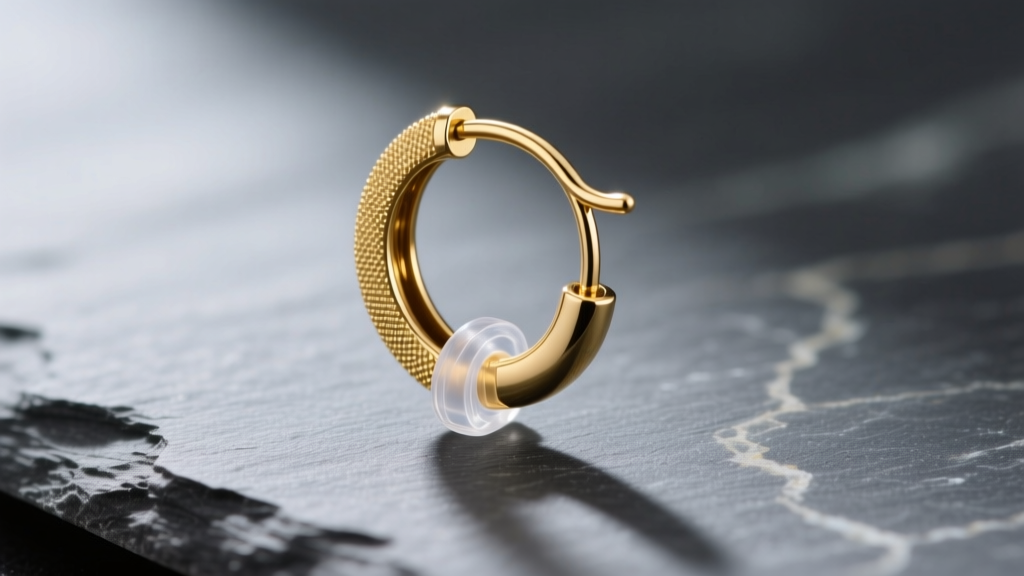
The Leverback Advantage
For authentic marie antoinette earrings featuring substantial pear drops (typically 0.75ct to 1.50ct each), a hinged leverback closure is non-negotiable. Unlike the open French wire, which relies on gravity and the angle of the earlobe to stay in place, a leverback snaps securely behind the ear. Furthermore, the 2026 standard for high-end revival pieces includes a flattened, widened wire profile at the apex of the hook, which distributes the downward force across a wider surface area of the piercing channel, preventing the dreaded "earlobe sag."
Face Shape & Proportion: Styling Maximalist Drops
The girandole is an inherently voluminous design. Because the three drops create a triangular visual weight that draws the eye downward and outward, styling them requires careful consideration of facial geometry.
- Oval Faces: The universal canvas. You can wear the traditional, wide-set girandole with drops extending past the jawline. Opt for a central bow motif that sits flush against the lobe to maintain balance.
- Round Faces: Avoid wide, horizontal floral clusters at the top of the earring. Instead, seek out marie antoinette earrings with an elongated, vertical bar connecting the stud to the three drops. This creates a lengthening illusion that counters facial width.
- Square Faces: Soften strong jawlines by choosing girandoles where the three pear drops are cut into smooth, rounded briolettes rather than sharp, faceted pears. The kinetic movement of the drops will soften angular features.
- Heart Faces: The triangular shape of the girandole perfectly echoes a heart-shaped face. To prevent the bottom-heavy look from overwhelming a narrow chin, choose designs where the three drops are graduated in size (one large center drop, two smaller side drops) rather than three identical stones.
Investment Guide: Sourcing Authentic vs. Modern Replicas
Acquiring this look in 2026 falls into three distinct market tiers, each with varying expectations for longevity and material integrity.
"The true value of a historical revival piece lies not in its mimicry of the past, but in its structural adaptation for the future. A 30-gram silver girandole is a costume; a 12-gram titanium and lab-diamond girandole is an heirloom." — Contemporary Jewelry Metallurgy Review, 2025
Tier 1: Antique and Estate (Pre-1920s)
True 18th-century pieces are museum-grade investments, often starting above $45,000. However, Victorian-era (1837-1901) reproductions of the marie antoinette earrings style are frequently available in the $3,000 to $8,000 range. Be warned: antique silver settings are often brittle, and the rose-cut diamonds may have foil backings that degrade if exposed to moisture. These are collector pieces, not daily wearers.
Tier 2: Bespoke Modern Heirlooms ($2,500 - $6,000)
Working with a custom jeweler to cast a girandole framework in 14k gold, set with lab-grown pear diamonds, offers the best intersection of historical romance and modern durability. By specifying a 14k gold alloy (which contains more copper and zinc than 18k), you ensure the structural hooks possess the Vickers hardness necessary to resist bending under the weight of the drops.
Tier 3: Fashion and Demi-Fine ($150 - $800)
Brands leveraging the 2026 Rococo trend often produce girandoles in gold vermeil or brass. While visually striking, the base metals are prone to oxidation, and the cubic zirconia or crystal drops lack the refractive index of diamonds. If purchasing in this tier, prioritize designs with screw-back closures and replaceable silicone stoppers to mitigate the risk of losing the piece due to metal fatigue at the hook.
Final Verdict: The Longevity of the Rococo Revival
The resurgence of the girandole proves that historical jewelry silhouettes are cyclical, but their execution is constantly evolving. The marie antoinette earrings trend of 2026 is not a fleeting costume fad; it is a masterclass in how modern materials science—specifically titanium milling and lab-grown gemology—can rescue a beautiful but impractical historical design. By prioritizing structural engineering, precise gauge sizing, and face-shape proportionality, you can integrate the opulence of Versailles into a modern wardrobe without sacrificing comfort or earlobe integrity.


