Mastering the Pearl Earring Theory: A Step-by-Step Style Guide
Learn how to apply the pearl earring theory to elevate any outfit. Our step-by-step guide covers pearl grades, sizing, and face-shape matching.

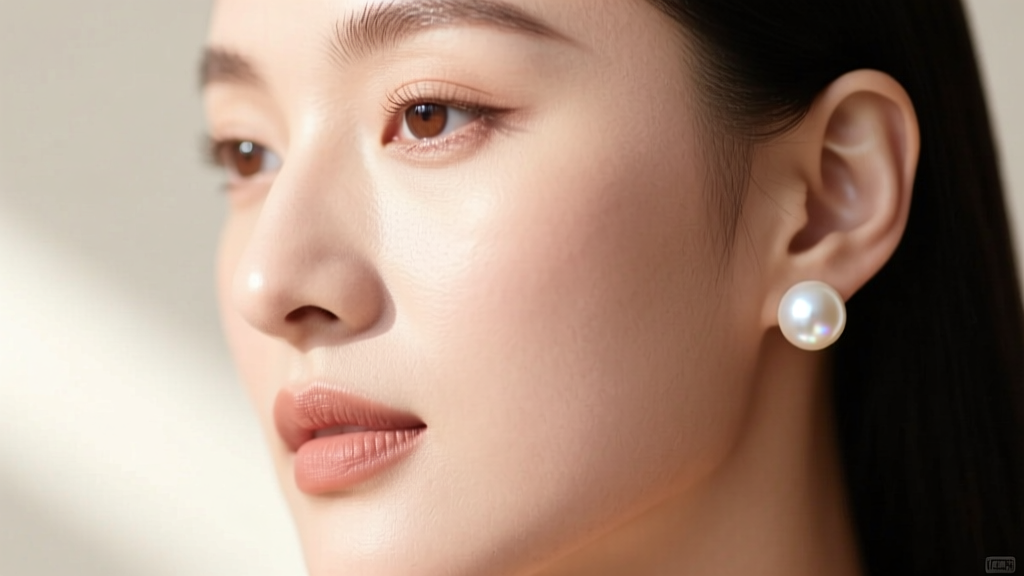
In the ever-evolving landscape of personal styling, trends come and go, but certain foundational principles endure. As we navigate the style landscape of 2026, the shift towards intentional capsule wardrobes and 'quiet luxury' has brought a specific styling concept to the forefront of fashion discourse: the pearl earring theory. This theory posits that a well-chosen pearl earring acts as a universal style equalizer—a visual anchor that can elevate casual wear, harmonize formal tailoring, and bridge the gap between disparate wardrobe elements.
But applying this theory isn't just about buying any pair of pearls and hoping for the best. It requires an understanding of gemological quality, facial proportions, and strategic styling. Below is your comprehensive, step-by-step guide to mastering the pearl earring theory and building a versatile, high-impact earring capsule.
What Exactly is the Pearl Earring Theory?
At its core, the pearl earring theory suggests that the spherical geometry and soft iridescence of a pearl counteract the harsh angles of modern tailoring and the flatness of casual fabrics like denim or cotton. Because pearls reflect light omnidirectionally, they naturally draw the eye upward, illuminating the face and providing a focal point that makes an entire outfit look deliberate and polished. Whether you are wearing a vintage band tee or a structured silk blouse, the pearl provides a baseline of elegance that grounds the look.
Step 1: Sourcing Your Anchor Pearl (The Gemological Baseline)
To apply the theory effectively, you must start with quality. The 'chalky' pearls often found in fast-fashion jewelry will not reflect light properly, defeating the purpose of the theory. According to the Gemological Institute of America (GIA), the most critical value factors for pearls are luster, nacre thickness, and surface quality.
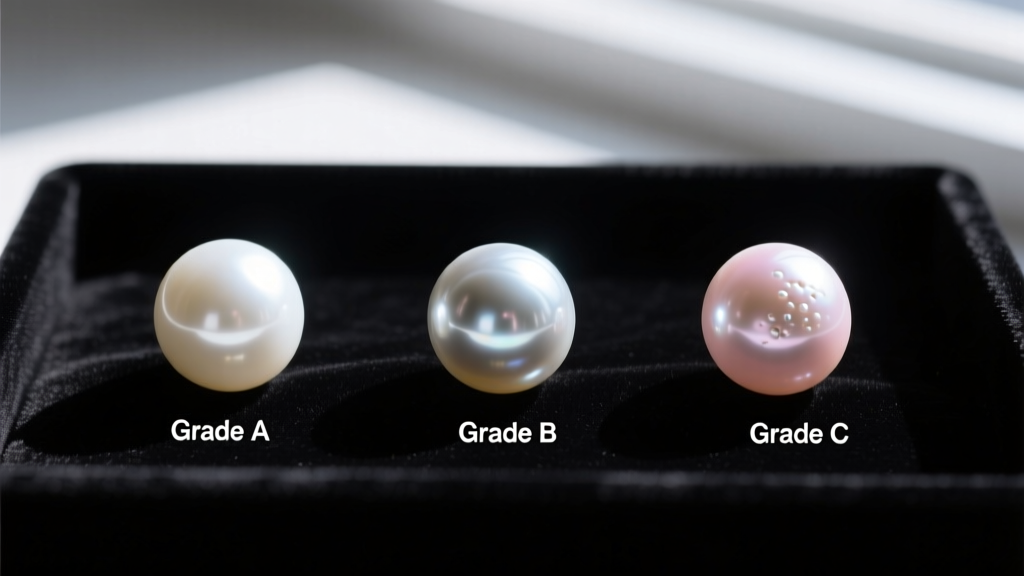
Material & Grade Breakdown
When sourcing your primary studs or drops, focus on these specific parameters:
- Akoya Pearls: The gold standard for the pearl earring theory due to their 'mirror-like' luster. Look for a minimum nacre thickness of 0.4mm. Grades of AA+ or AAA (and the prestigious Hanadama certification) ensure sharp light reflection. Price Range: $200 - $600 for a 7mm-8mm stud pair.
- Freshwater Pearls: Modern nucleation techniques have vastly improved freshwater pearls. Seek out 'Edison' or 'metallic' freshwater pearls for high luster at a fraction of the cost. Ensure the surface is clean (no visible chalky spots or pits). Price Range: $50 - $150.
- Post Gauge & Backing: Pearls are heavy. Ensure the earring post is at least 18-gauge or 20-gauge solid gold or platinum to prevent bending. Always use screw-backs or heavy friction backs with a wide disc to prevent the pearl from drooping on the earlobe.
Step 2: Mapping Proportions to Face Shapes and Necklines
The pearl earring theory relies heavily on proportion. A pearl that is too small will get lost, while one that is too large can overwhelm delicate features. Use the table below to map your anchor pearl size and style to your specific features.
| Face Shape | Ideal Pearl Style | Optimal Size (mm) | Styling Rationale |
|---|---|---|---|
| Round | Pearl Drop / Dangle | 8mm - 10mm | Elongates the face; avoids adding horizontal width. |
| Oval | Classic Stud | 7mm - 9mm | Maintains natural balance; highlights cheekbones. |
| Square | Baroque Pearl Hoop | 9mm - 11mm | Organic, asymmetrical shapes soften strong jawlines. |
| Heart | Pearl Huggie / Chandelier | 6mm - 8mm | Adds visual weight to the lower half of the face. |
Step 3: Building a 3-Piece Pearl Capsule
To fully leverage the pearl earring theory across all areas of your life, you need a micro-capsule of three distinct pearl earring silhouettes. This ensures you always have the right tool for the outfit.
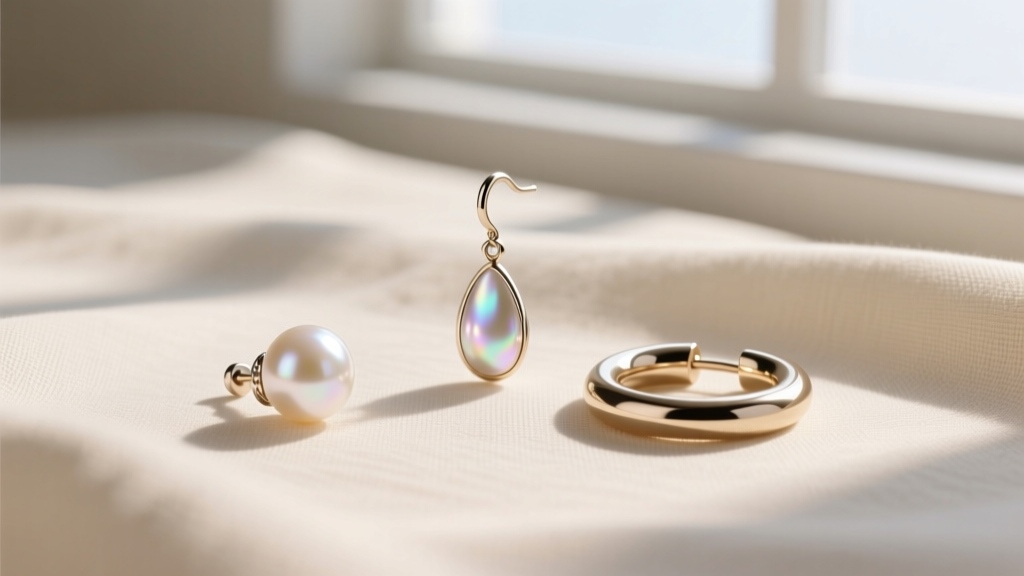
- The Anchor Stud (7mm - 8mm): Your daily driver. This is the piece that proves the theory on days when you are wearing a simple cashmere sweater and jeans. The high-luster Akoya or premium Freshwater stud catches ambient light, making the casual outfit look expensive.
- The Linear Drop (1.5 - 2 inches): A single pearl suspended from a delicate 14k or 18k gold chain. This is your evening and formal wear anchor. The vertical line of the drop earring pairs perfectly with high necklines, halter tops, and structured blazers.
- The Pearl Huggie or Ear Cuff: For cartilage piercings or secondary lobe holes. A small gold huggie hoop featuring a single 4mm-5mm pearl charm bridges the gap between edgy and elegant, allowing you to apply the theory to more relaxed, streetwear-adjacent outfits.
Step 4: Executing the Theory in Daily Styling Scenarios
Understanding the gemology and owning the capsule is only half the battle. The true test of the pearl earring theory is in the execution. Here is how to style your pearls across different scenarios in 2026.
Scenario A: The Elevated Casual
The Outfit: Oversized vintage denim jacket, white ribbed tank, wide-leg trousers.
The Application: Apply the 8mm Akoya studs. The sharp, mirror-like luster of the pearl contrasts beautifully with the matte, textured fabrics of the denim and cotton. The theory works here by providing a single point of refined luxury that prevents the outfit from looking sloppy.
Scenario B: The Boardroom Transition
The Outfit: Monochromatic navy or charcoal tailored suit, silk camisole.
The Application: Switch to the Linear Drop earrings. The GIA notes that the soft overtones of white pearls complement almost all skin tones and fabric colors. The drop earring mirrors the sharp lapels of the suit but introduces a necessary organic softness, making you look authoritative yet approachable.
Scenario C: Evening Minimalism
The Outfit: Slip dress or architectural crepe gown.
The Application: Stack the pearl huggie in the cartilage with a larger 10mm South Sea pearl stud in the primary lobe. This asymmetric, curated approach modernizes the pearl, proving the theory extends beyond traditional, conservative styling into high-fashion minimalism.
Step 5: Maintenance and Nacre Preservation
The pearl earring theory falls apart if your pearls lose their luster. Pearls are organic gems, ranking only 2.5 to 3.0 on the Mohs hardness scale, making them highly susceptible to damage from everyday chemicals.
The Golden Rule of Pearl Care: 'Last on, first off.' Always put your pearl earrings on after applying perfume, hairspray, and makeup. The acids and alcohols in cosmetics will rapidly degrade the nacre, turning a high-luster pearl dull and chalky within months.
After wearing, gently wipe the pearls with a soft, lint-free microfiber cloth to remove skin oils and environmental pollutants. Store them in a soft pouch away from harder gemstones like diamonds or sapphires, which will easily scratch the pearl's surface. Never store pearls in an airtight plastic bag or a safety deposit box for long periods; pearls require a slight amount of ambient moisture to prevent the nacre layers from cracking or crazing.
Conclusion
The pearl earring theory is not merely a passing internet trend; it is a time-tested principle of visual weight, light reflection, and stylistic anchoring. By investing in high-luster, properly graded pearls and strategically mapping them to your face shape and wardrobe, you can effortlessly elevate your daily style. Master this theory, and you will never find yourself staring at your jewelry box, unsure of what to wear.


