Music Note Earrings Buying Guide: What to Look For
Discover what to look for when buying music note earrings. Learn about hypoallergenic metals, gauge sizes, and clasp types for lobe and cartilage.

Introduction: Why Material Matters More Than Design
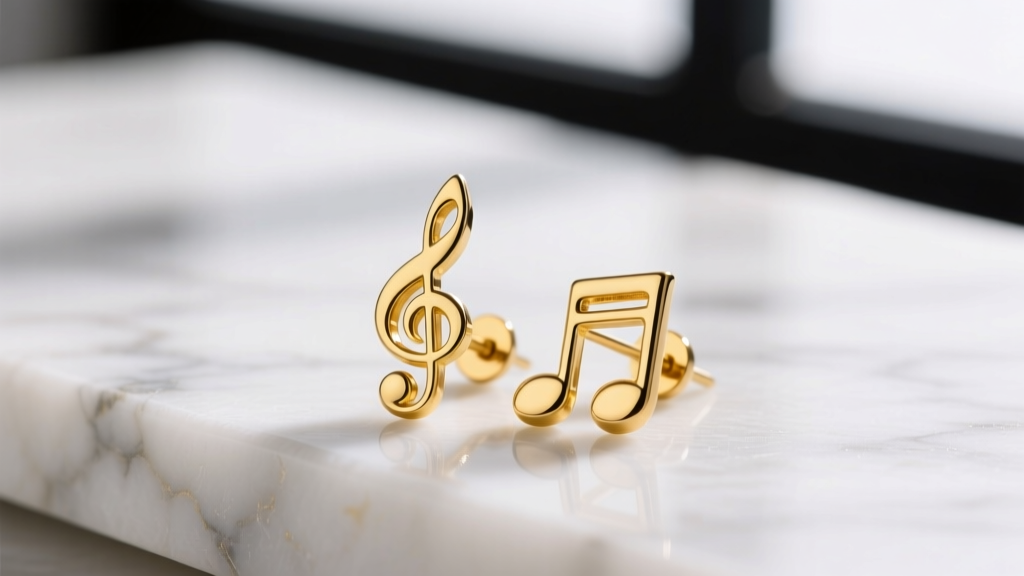
Music note earrings are a timeless way to express a passion for melody, whether you are a professional musician, an audio engineer, or simply an audiophile. However, the novelty jewelry market is flooded with poorly constructed musical earrings that cause contact dermatitis, tear earlobes, and tarnish within weeks. When shopping for music-themed jewelry, the aesthetic appeal of a treble clef or beamed eighth note must be secondary to metallurgical safety, post thickness, and structural balance. This comprehensive buying guide breaks down the exact specifications you need to evaluate before purchasing your next pair of music note earrings.
Decoding Music Note Designs: Center of Gravity and Balance
Not all music notes are created equal when translated into jewelry. The physical shape of the note dictates how it will sit on your earlobe.
The Treble Clef (G-Clef)
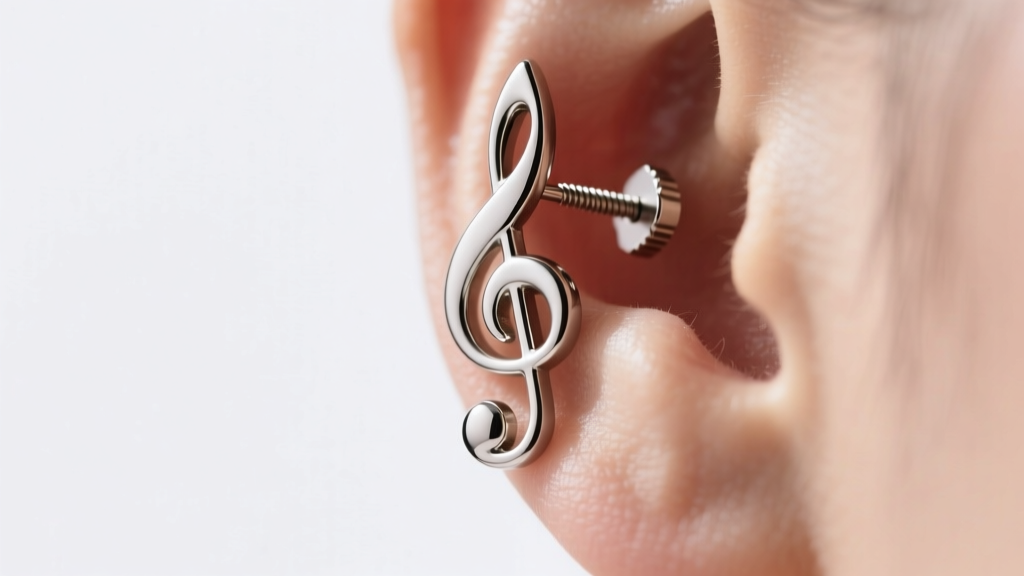
The treble clef is vertically oriented and inherently top-heavy. If the earring post is soldered at the very top loop, the earring will droop forward, causing the bottom curve to point outward awkwardly. When buying a treble clef stud, inspect the product photos closely: the post should be soldered near the center of mass (usually the middle spiral) to ensure the earring sits flush against the earlobe.
Eighth Notes (Quavers) and Beamed Notes
Single eighth notes or beamed sixteenth notes offer a more horizontal or compact profile. These are ideal for delicate studs and distribute weight more evenly across the piercing hole, reducing the risk of lobe stretching over time.
Metallurgy: Hypoallergenic Requirements and Metal Grades
The most critical factor in buying any earring is the metal grade. The term "surgical steel" is largely an unregulated marketing buzzword that often masks alloys containing high levels of nickel, a primary culprit for allergic contact dermatitis. According to the Association of Professional Piercers (APP), only specific implant-grade metals should be worn in the body.
ASTM F136 Implant-Grade Titanium
This is the gold standard for sensitive ears. It contains zero nickel, is highly resistant to corrosion, and is lightweight, making it perfect for larger music note designs like bass clefs that might otherwise drag down the lobe.
Solid Gold (14k and 18k)
According to the Gemological Institute of America (GIA), 14k gold is 58.5% pure gold, while 18k is 75% pure. However, you must verify the alloy mix. Nickel-white gold should be avoided; instead, look for palladium-white gold or stick to yellow and rose gold, which are generally better tolerated. Avoid gold-plated brass or copper entirely, as the plating will wear off into the micro-tears of your piercing.
| Metal Grade | Nickel Content | Best For | Price Range (USD) |
|---|---|---|---|
| ASTM F136 Titanium | 0% (None) | Sensitive ears, fresh piercings, cartilage | $25 - $60 |
| Niobium | 0% (None) | Highly reactive skin, ear cuffs | $20 - $45 |
| 14k Solid Yellow Gold | Trace to None | Everyday wear, heirloom gifts | $80 - $250+ |
| 18k Solid Gold | Trace to None | Luxury gifting, high-end aesthetics | $150 - $400+ |
| "Surgical" Stainless Steel | 8% - 12% (Varies) | Non-pierced ear cuffs only | $10 - $30 |
Gauge Sizes: Preventing the Cheese-Cutter Effect
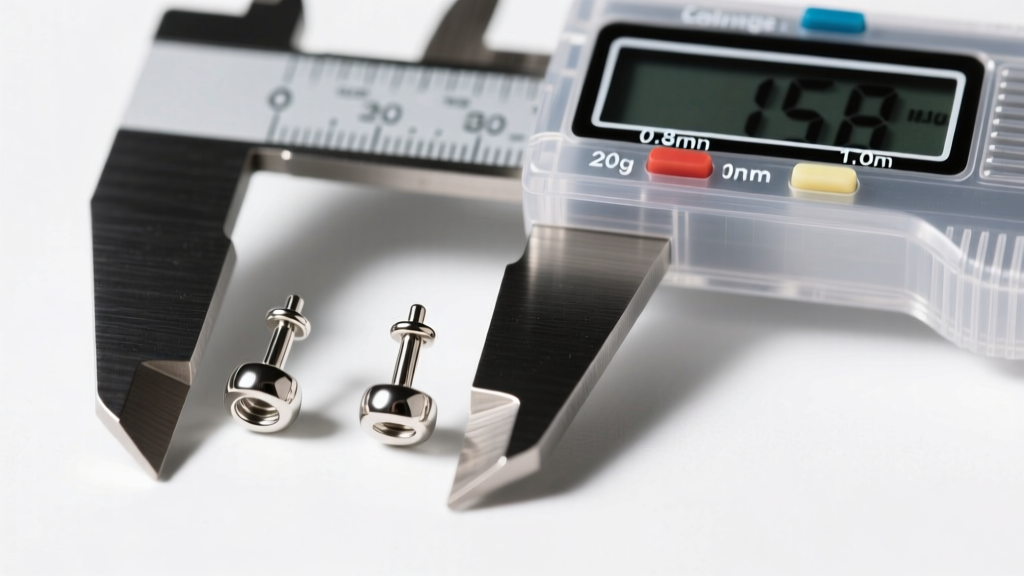
Gauge refers to the thickness of the earring post. Music note earrings with intricate, heavy designs require a thicker post to prevent the "cheese-cutter effect," a phenomenon where a thin wire slowly slices through the earlobe tissue due to the weight of the jewelry.
Standard Lobe Piercings (20G and 18G)
Most standard fashion earrings are 20-gauge (0.81mm). While acceptable for tiny, lightweight beamed notes, any music note earring larger than 10mm should feature an 18-gauge (1.02mm) post for structural integrity and lobe support.
Cartilage Piercings (16G and 18G)
If you are placing a music note stud in a helix, tragus, or conch piercing, you must match the jewelry to the piercing gauge. Cartilage is typically pierced at 16-gauge (1.2mm) or 14-gauge (1.6mm). Forcing a thin 20-gauge music note post into a 16-gauge cartilage hole will cause migration, irritation bumps, and eventual rejection of the piercing.
Clasp Mechanisms: Keeping Your Notes Secure
The backing of the earring is just as important as the front design. Intricate music notes can easily get lost if the clasp fails.
- Butterfly Friction Backs: The most common and least secure. They trap dead skin and bacteria against the earlobe and frequently fall off if caught on hair or clothing.
- Screw Backs: The post is threaded, and the backing screws onto it. This is the absolute best choice for valuable solid gold treble clef or bass clef studs, ensuring they never slip off.
- Flat Back Labret Posts: Essential for cartilage music note earrings. The flat disc sits flush against the back of the ear, preventing the post from poking you while you sleep or wear headphones.
- La Pousette (Push-Pull) Backs: A secure, mechanical locking back often used in fine jewelry. Excellent for high-end music note diamond studs.
Non-Pierced Options: Music Note Ear Cuffs
For those without cartilage piercings, music note ear cuffs are an excellent alternative. When buying an ear cuff, look for adjustable tension bands made of niobium or sterling silver. The cuff should wrap around the thickest part of the helix ridge. Avoid cuffs that rely on weak pinch-clips, as they will slip off the moment you put on a winter hat or pull a sweater over your head.
Pricing Tiers: What Should You Actually Pay?
Understanding the market value of music note earrings prevents you from overpaying for plated base metals disguised as fine jewelry.
- Budget ($15 - $35): Expect gold-plated brass, stainless steel, or acrylic. Suitable for occasional wear or non-pierced ear cuffs. High risk of tarnishing and allergic reactions.
- Mid-Range ($40 - $90): The sweet spot for ASTM F136 titanium and high-quality sterling silver (rhodium-plated). You will find excellent, hypoallergenic options with secure screw-backs in this tier.
- Fine Jewelry ($120 - $350+): Solid 14k or 18k gold, potentially featuring small pavé diamonds or sapphires embedded in the music note design. These are investment pieces meant for daily, lifelong wear.
Care and Maintenance for Intricate Crevices
Music note designs, particularly the tight spirals of a treble clef or the sharp angles of a sharp/flat symbol, are magnets for lotion buildup, dead skin, and hair products. To maintain the brilliance of your earrings, soak them weekly in a solution of warm water and a few drops of mild, fragrance-free dish soap. Use a soft-bristled baby toothbrush to gently agitate the crevices of the note. Never use harsh chemical dips or ultrasonic cleaners on earrings featuring glued-in gemstones, as the vibrations will shatter the adhesive bond.
Final Pre-Purchase Checklist
Before you add a pair of music note earrings to your cart, verify the following:
- Is the metal explicitly listed as ASTM F136 Titanium, Niobium, or Solid 14k/18k Gold?
- Does the post thickness (gauge) match my specific piercing location (lobe vs. cartilage)?
- Is the post soldered near the center of gravity to prevent the design from drooping?
- Does the earring feature a secure backing (screw-back or flat-back) rather than a standard friction push-back?
By prioritizing metallurgical safety and structural biomechanics over cheap novelty appeal, you can find a pair of music note earrings that are as enduring and harmonious as your favorite symphony.


