Paul Morelli Earrings: A Technical Deep Dive Into Wirework Craft
Explore the metallurgical precision, 18k gold wirework, and diamond setting techniques that define Paul Morelli earrings in this expert technical guide.

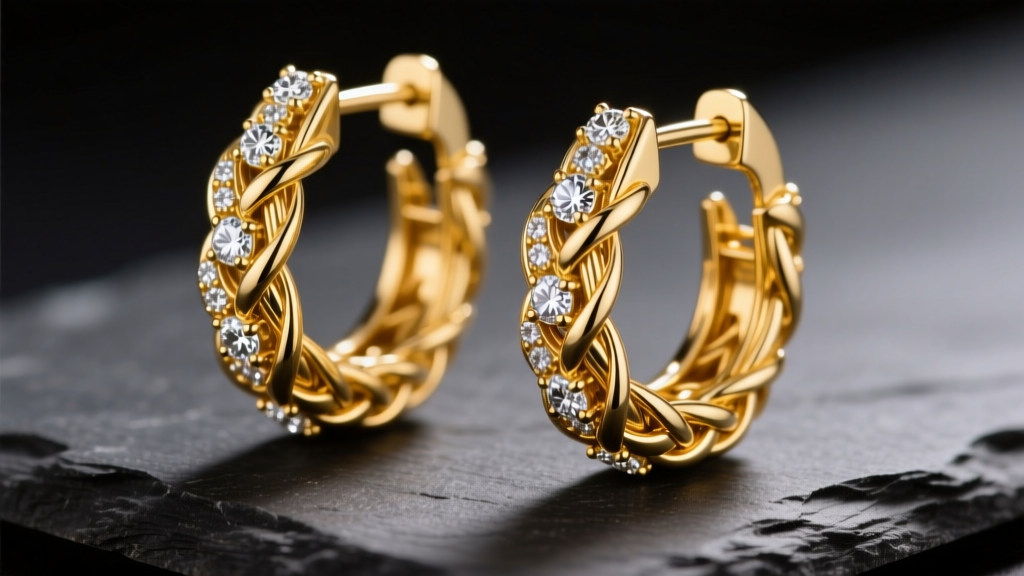
When evaluating luxury fine jewelry, the distinction between mass-manufactured pieces and master-crafted artifacts lies in the microscopic details. Paul Morelli earrings have long been recognized in the gemological and jewelry manufacturing communities for their signature braided wirework, precise diamond pavé, and structural integrity. However, beyond the aesthetic appeal, there is a rigorous framework of metallurgical science and mechanical engineering that dictates the performance and longevity of these pieces. In this expert deep dive, we deconstruct the technical specifications, alloy compositions, and manufacturing tolerances that define Paul Morelli's earring collections.
The Metallurgy of Braided Gold: 18k vs. 14k Tensile Strength
The foundation of the brand's most iconic woven and braided earring designs relies on the precise manipulation of 18-karat gold wire. Unlike cast jewelry, which can suffer from porosity and structural brittleness, wirework requires a deep understanding of metal plasticity and work hardening. Standard 18k yellow gold is an alloy comprising 75% pure gold, typically mixed with 12.5% copper and 12.5% silver to achieve optimal malleability and color.
According to research presented at the Santa Fe Symposium on Jewelry Manufacturing Technology, the Vickers Hardness (HV) of fully annealed 18k yellow gold sits at approximately 120 HV. However, the process of drawing gold through tungsten carbide dies to create the ultra-fine wires used in braiding induces severe work hardening, potentially raising the hardness to over 220 HV. If the wire is braided at this hardness, micro-fractures will inevitably occur at the interlocking stress points.
The Annealing Protocol
To prevent structural failure during the weaving process, master jewelers must employ a strict annealing protocol. The gold wires are heated to approximately 700°C (1292°F) in an oxygen-reduced environment to prevent firescale, then rapidly quenched. This realigns the crystalline grain structure of the alloy, restoring its ductility. The complex braided patterns seen in Paul Morelli earrings require dozens of alternating cycles of weaving and annealing, ensuring the final piece possesses a tensile strength capable of withstanding daily wear without snapping or warping.
Structural Engineering of the Huggie Hinge
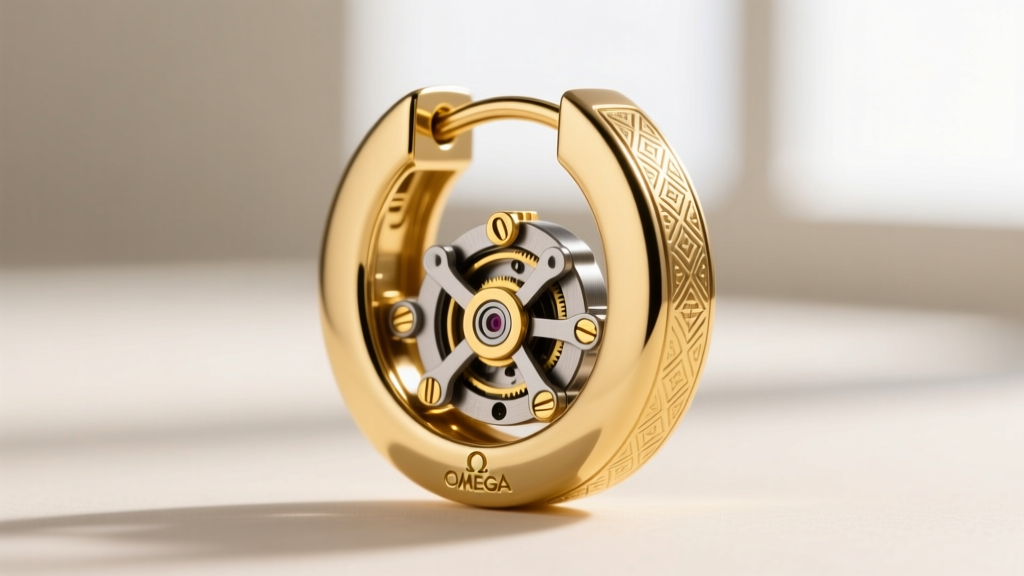
While drop earrings and studs rely on simple friction posts and butterfly backs, the huggie earring presents a unique mechanical challenge: creating a seamless, secure closure that can bear the weight of 18k gold and diamond melee without sagging or accidentally releasing. The structural engineering of the hidden hinge and Omega clip mechanisms in high-end huggies is a masterclass in micro-mechanics.
- Material Selection for Pins: While the exterior of the earring is 18k gold, the internal hinge pin and spring mechanisms are frequently machined from beryllium-copper or aerospace-grade titanium. These materials offer superior yield strength and fatigue resistance compared to gold alloys, ensuring the hinge maintains its 'snap' over decades of use.
- Machining Tolerances: The interlocking components of a luxury huggie hinge are milled to a tolerance of 0.05 millimeters. This near-zero gap prevents the accumulation of sebum and cosmetic debris, which is the primary cause of hinge failure and 'click' degradation in lesser-quality earrings.
- Load Distribution: The posterior curve of the huggie is engineered with a slightly flattened inner profile. This increases the surface area resting against the earlobe, distributing the weight of heavy braided gold fronts and preventing the earring from rotating forward.
Diamond Melee Sorting and Micro-Pavé Integrity
The integration of diamonds into intricate gold wirework requires setting techniques that do not compromise the structural integrity of the underlying weave. When analyzing the diamond melee (stones weighing less than 0.20 carats) used in premium earrings, the distinction between 'full cut' and 'single cut' diamonds becomes paramount.
As detailed by the Gemological Institute of America (GIA), full-cut melee diamonds possess the standard 57 or 58 facets found in larger brilliant-cut stones, whereas single-cut melee feature only 17 or 18 facets. In sub-2mm stones, single cuts often appear glassy or flat. Paul Morelli earrings consistently utilize full-cut melee (typically in the 0.01 to 0.03 carat range, graded G-H color and VS clarity) to ensure maximum light return and scintillation, even in dimly lit environments.
Prong-to-Girdle Ratio and Setting Security
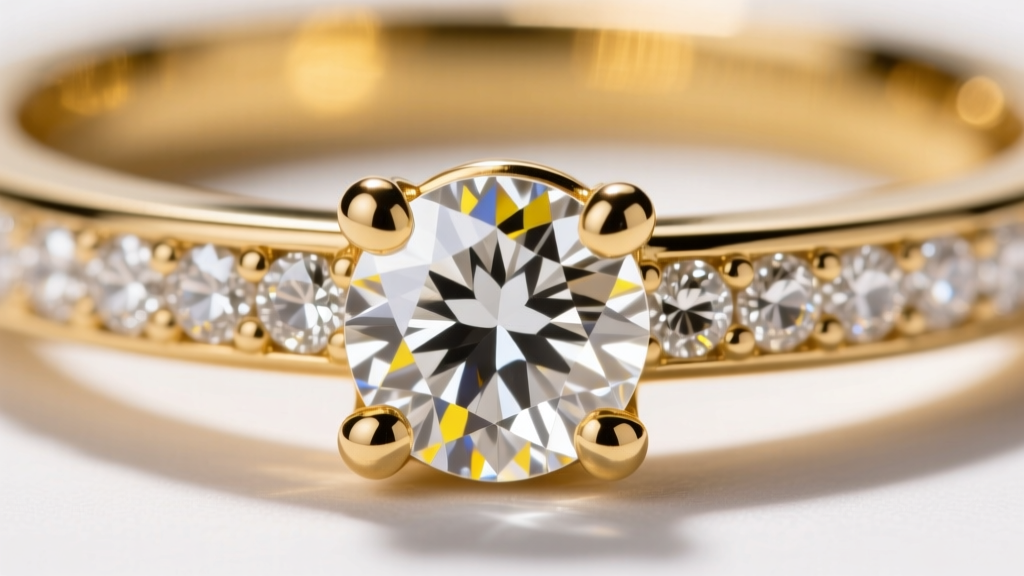
Setting these microscopic stones into curved, braided gold surfaces requires advanced micro-pavé techniques. The jeweler uses a graver to raise small beads of gold from the surrounding shank, pushing them over the girdle of the diamond. In high-stress areas like the hinge of a huggie or the clasp of a drop earring, the prong-to-girdle ratio must be meticulously calibrated. If the beads are too small, the diamond will dislodge upon impact; if they are too large, they will obscure the diamond's crown, reducing its optical performance by up to 30%.
Wearability Metrics: Weight Distribution and Gauge Sizing
Understanding the biomechanics of the earlobe is crucial for designing earrings that are both comfortable and secure. The human earlobe can comfortably support between 4 to 8 grams of static weight before experiencing tissue fatigue or stretching. Below is a technical breakdown of how different earring styles manage weight and post gauge sizing to optimize wearability.
| Earring Style | Average Weight (18k Gold) | Post/Wire Gauge | Lobe Stress Metric | Recommended Backing |
|---|---|---|---|---|
| Braided Studs | 2.5g - 4.0g | 18-Gauge (1.0mm) | Low | Large Friction Back / La Pousette |
| Diamond Huggies | 5.5g - 8.5g | N/A (Hinge) | Medium (Distributed) | Integrated Omega Clip |
| Wirework Drops | 7.0g - 12.0g | 16-Gauge (1.2mm) | High (Focal Point) | Heavy Duty Screw Back / Ear Jacket |
For heavier wirework drops, upgrading the ear wire from a standard 18-gauge to a thicker 16-gauge (1.2mm) wire significantly reduces the 'cheese-cutter' effect, where thin wires slowly migrate downward through the earlobe piercing due to kinetic movement and gravity.
Maintenance and Ultrasonic Safety Protocols
Expert Warning: Never place intricate braided gold wirework or tension-set diamond earrings in a standard high-frequency ultrasonic cleaner. The cavitation bubbles can easily dislodge micro-pavé melee and induce stress-corrosion cracking in work-hardened gold wires.
Proper maintenance of complex wirework earrings requires a gentle, non-vibrational approach. To clean the interstitial spaces of braided gold where skin oils and lotions accumulate, use a soft-bristled infant toothbrush and a solution of warm distilled water and a few drops of pH-neutral dish soap. For the diamond melee, a wooden toothpick can be used to gently dislodge compacted debris from behind the pavilion of the stone, restoring its refractive brilliance without risking the integrity of the gold bead settings.
For collectors and enthusiasts seeking to acquire authentic pieces, it is always recommended to purchase directly through the official Paul Morelli boutique or authorized master jewelers to guarantee the precise alloy compositions and gemological grading reports detailed in this technical analysis.


