Beginner Guide to Pearl Cuff Earrings: Fit & Style
Discover how to choose, size, and style pearl cuff earrings. Learn about freshwater vs. akoya pearls, secure fits, and no-piercing options.

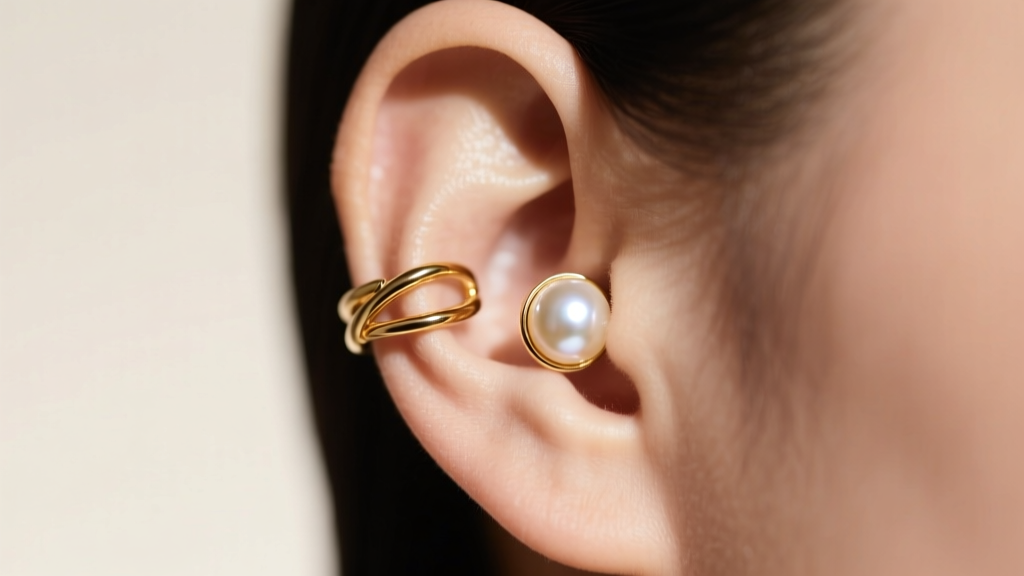
Why Pearl Cuff Earrings Are the Ultimate Beginner Accessory
Entering the world of ear styling can feel intimidating, especially when you are not ready to commit to new cartilage piercings. This is exactly where pearl cuff earrings bridge the gap between high-end elegance and everyday accessibility. Unlike traditional studs or hoops that require a healed fistula (piercing hole), a well-crafted ear cuff utilizes the natural anatomy of your ear to stay in place. The addition of a pearl introduces a timeless, organic luster that softens the metallic edge of standard gold or silver cuffs, making them incredibly versatile for both boardroom meetings and evening events.
However, not all cuffs are created equal. Beginners often struggle with pieces that slip off, pinch too tightly, or feature low-quality imitation stones that quickly lose their shine. In this comprehensive guide, we will break down the exact specifications, materials, and styling techniques you need to master the art of the pearl ear cuff.
The Anatomy of a Non-Pierced Cuff
Before purchasing, it is vital to understand the structural difference between a true cuff and a cartilage hoop. A genuine no-piercing cuff features a specialized C-clamp or wrap design engineered to slide over the thickest part of the ear's outer rim (the helix) and rest securely in the thinner grooves. The tension of the metal is what keeps it anchored.
Conversely, many brands market 'faux cuffs' which are actually huggie hoops or cartilage studs connected by a delicate chain. While beautiful, these require an actual piercing. For this guide, we are focusing strictly on true, non-pierced tension cuffs, which rely entirely on precise metalworking and ergonomic design to stay attached to your ear without causing pain or slipping away.
Decoding Pearl Types: What You Are Actually Buying
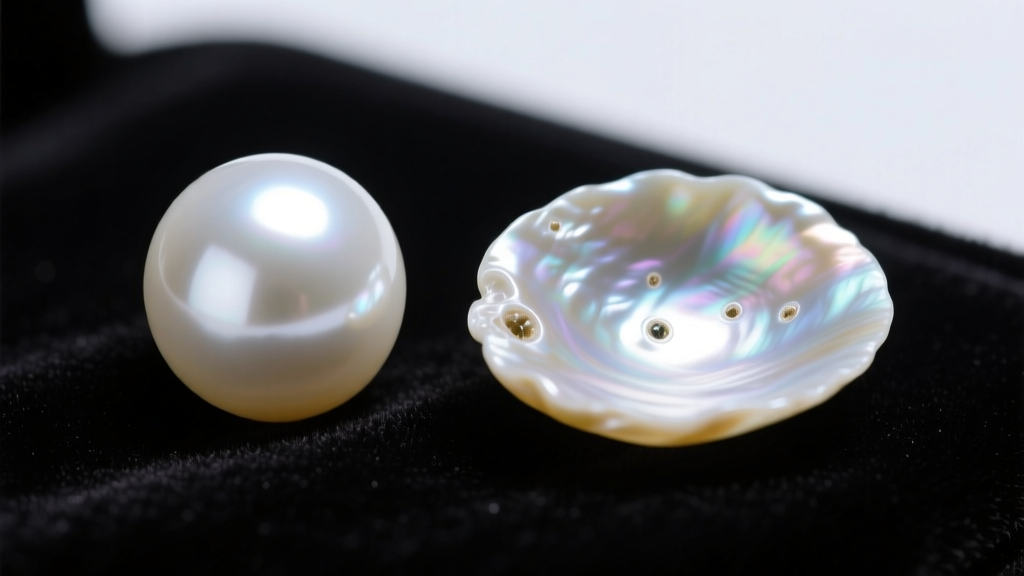
The pearl is the focal point of the cuff, but the terminology used by jewelry brands can be misleading. Understanding the origin and nacre quality of the pearl will dictate both the price and the longevity of your accessory. According to the Encyclopedia Britannica, pearls are unique organic gemstones formed within the soft tissue of living mollusks, meaning their surface requires vastly different care than faceted crystals or diamonds.
| Pearl Type | Average Price Range | Shape & Luster | Best For |
|---|---|---|---|
| Freshwater | $25 - $85 | Baroque to near-round; soft, satiny luster. Thick nacre makes them highly durable for daily wear. | Everyday cuffs, budget-conscious buyers, organic aesthetics. |
| Akoya (Saltwater) | $120 - $350+ | Perfectly round; sharp, mirror-like luster. Thinner nacre requires gentle handling. | Special occasions, bridal styling, minimalist luxury. |
| Shell Pearl (Imitation) | $15 - $40 | Flawless round; heavy glass or shell bead coated in pearlescent paint. Can chip over time. | Fast fashion, travel jewelry, trend-testing. |
For beginners, a high-quality freshwater pearl is the superior choice. They offer excellent durability due to their solid nacre composition, meaning they will not peel or flake if accidentally knocked against a hard surface.
The Science of the Perfect Fit: Gauges and Tension
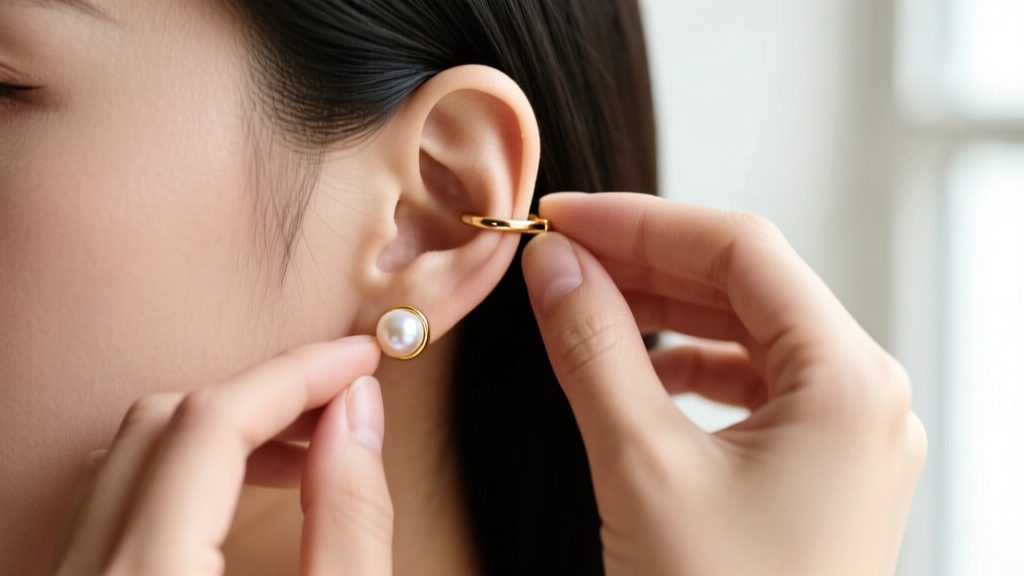
The most common complaint among beginners is that their cuff either falls off or causes a headache. This is almost always a failure of wire gauge and tension management. The thickness of the metal wire, measured in gauges (G), determines how the cuff interacts with your cartilage.
Understanding Wire Gauges
- 22-Gauge (0.64mm): Too thin. While delicate, it lacks the structural integrity to hold tension and will bend out of shape within a few wears.
- 20-Gauge (0.81mm): The industry sweet spot. It provides enough rigidity to maintain a secure grip on the helix while remaining thin enough to slide into the ear's natural crevices without causing pressure points.
- 18-Gauge (1.02mm): Very sturdy, but often too thick to comfortably wrap around the thinner upper ridges of the ear. Best reserved for lobe-wrapping styles.
The Danger of Work Hardening
When you bend metal repeatedly, it undergoes a process called 'work hardening,' where the crystalline structure of the metal becomes rigid and brittle. If your cuff feels slightly too loose, do not continuously squeeze it tighter with your fingers. Instead, gently compress it once or twice to the desired width. If you need to widen it, use a smooth, cylindrical object like a pen to gently roll the metal outward. Constant pinching will eventually cause the wire to snap.
Strategic Placement: Helix, Conch, or Lobe?
While the upper helix (the outer upper rim) is the most traditional placement for pearl cuff earrings, modern styling embraces unconventional anatomy. Here is how to adapt your cuff to different ear zones:
- The Upper Helix: Slide the cuff onto the thickest part of the upper ear, then gently push it down into the thinner groove. This is the most secure placement and frames the face beautifully when hair is tucked behind the ears.
- The Mid-Ear / Conch Edge: For a more avant-garde look, use a slightly wider cuff and clamp it onto the outer rim of the mid-ear. This requires a cuff with a deeper 'C' curve to accommodate the thicker cartilage ridge.
- The Lobe Wrap: If you have standard lobe piercings, you can slide a tension cuff up onto the top of the earlobe. This mimics the look of an ear climber without requiring an upward cartilage piercing.
Care Protocols for Organic Gemstones
Pearls are exceptionally delicate. Ranking at just 2.5 to 3.0 on the Mohs hardness scale, they are highly porous and susceptible to chemical damage. The Gemological Institute of America (GIA) explicitly warns against exposing pearls to household chemicals, cosmetics, and ultrasonic cleaners, which can strip the nacre and destroy the gem's natural luster.
"Always put your pearls on after applying makeup, hairspray, and perfume. The alcohols and acids in these daily products will slowly eat away at the organic layers of the pearl, causing irreversible dullness."
To clean your pearl cuff earrings after a long day of wear, simply wipe the pearl with a soft, slightly damp microfiber cloth to remove natural skin oils and environmental pollutants. Never submerge the cuff in water, as moisture can become trapped between the pearl's drill hole and the metal setting, leading to hidden corrosion or weakening of the adhesive if the pearl is glued rather than wire-wrapped. Store your cuff in a soft pouch separate from harder metals to prevent micro-scratches on the pearl's surface.
Final Thoughts for the First-Time Buyer
Mastering the pearl cuff is about respecting both the metal and the organic gemstone. By prioritizing a 20-gauge wire, opting for durable freshwater nacre, and adhering to strict 'last on, first off' care routines, you secure an accessory that feels custom-fitted to your unique anatomy. Start with a simple, single-pearl 14k gold-filled or solid gold cuff to test your ear's tolerance, and gradually build your collection with baroque shapes and intricate wire-wraps as your confidence grows.


