Best Metals For Pearl Diamond Drop Earrings Compared
Compare platinum, gold, and silver settings for pearl diamond drop earrings. Learn how metal properties affect durability, pricing, and pearl safety.

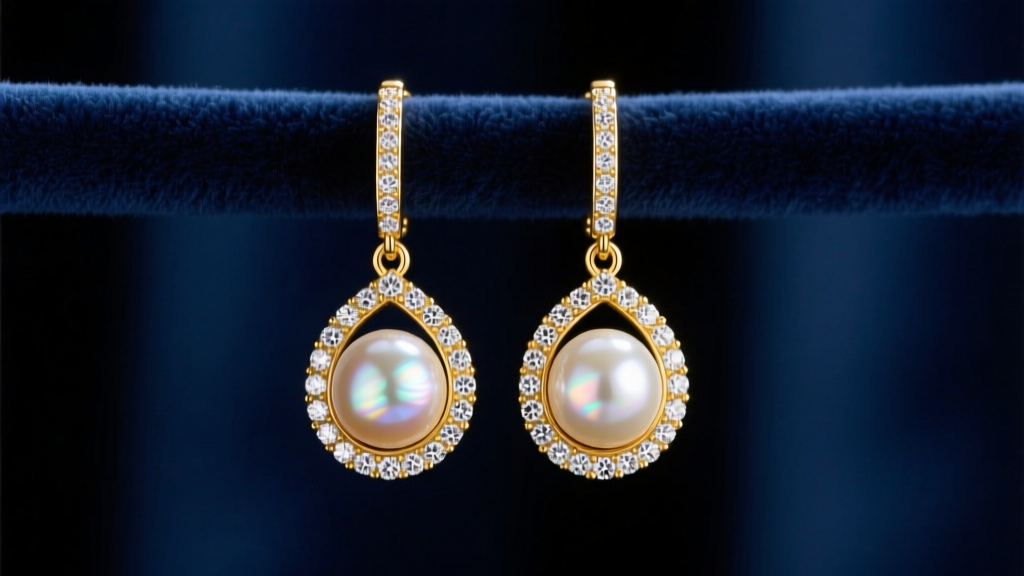
The Intersection of Organic and Inorganic Materials
Designing and selecting the perfect pair of pearl diamond drop earrings requires navigating a complex metallurgical and gemological balancing act. You are pairing an organic, relatively soft gemstone (the pearl) with the hardest known natural material (the diamond), all suspended by a metallic bridge. As of 2026, advancements in alloy compositions and setting techniques have expanded consumer choices, but the fundamental physics of these materials remain unchanged. The metal you choose dictates not only the aesthetic warmth of the earrings but also the structural integrity of the diamond prongs and the chemical safety of the pearl's nacre.
Unlike simple metal hoops or solid gemstone studs, drop earrings endure significant kinetic stress. The swinging motion places repetitive shear force on the earring post, the diamond setting, and the pearl adhesive cup. Understanding the Vickers hardness, tensile strength, and chemical reactivity of precious metals is critical for making an investment that survives daily wear without compromising the delicate organic layers of your pearls.
Metal Hardness and Pearl Vulnerability: The Mohs Scale Reality
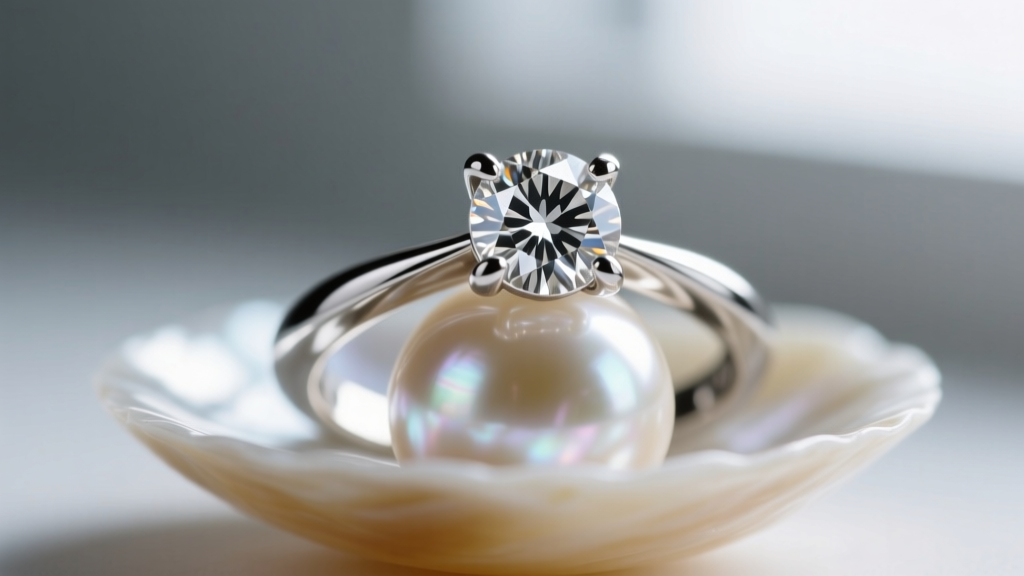
To understand why metal selection matters, we must look at the Mohs scale of mineral hardness. Diamonds sit at an absolute 10, while pearls range from a fragile 2.5 to 4.5, depending on the nacre thickness and origin. The metal setting must be hard enough to securely grip the diamond's girdle without bending, yet it must be finished smoothly enough so that any accidental contact with the pearl does not scratch the nacre.
Prong Tension and Setting Failure Modes
The most common failure mode in diamond-accented drop earrings is prong degradation. As the earring swings, the diamond prongs catch on hair, clothing, and textiles. Over time, this friction acts like sandpaper on the metal. If the metal is too soft, the prong pulls away from the diamond. If the metal is too brittle, the prong snaps entirely. Furthermore, the pearl cup—the concave metal base that holds the pearl via epoxy—must be meticulously polished. Any microscopic burrs left from the casting process will slowly grind into the pearl's surface due to the drop earring's constant motion.
Comprehensive Material Comparison Table
The table below breaks down the primary metals used in pearl diamond drop earrings, evaluating their physical properties and real-world maintenance requirements based on current industry standards.
| Metal Type | Vickers Hardness (HV) | Prong Durability | Pearl Cup Risk | Avg. Setting Price Range |
|---|---|---|---|---|
| 950 Platinum | 125 - 135 | Exceptional (Bends, rarely breaks) | Low (Hypoallergenic, stable) | $800 - $2,500+ |
| 14K Gold (Yellow/White) | 140 - 160 | High (Wears down over 5-7 years) | Low (if nickel-free) | $300 - $900 |
| 18K Gold (Yellow/White) | 120 - 130 | Moderate (Softer, requires checks) | Low (Excellent biocompatibility) | $500 - $1,500 |
| Sterling Silver (925) | 60 - 75 | Poor (High bend/break risk) | High (Tarnish damages nacre) | $50 - $200 |
Platinum vs. Gold Alloys: Which Secures Diamonds Best?
When securing high-value melee diamonds in a drop earring, the American Gem Society (AGS) notes that the metal's displacement properties are just as important as its hardness. Platinum (specifically 950/50 Ruthenium alloys) exhibits 'work hardening' and displacement. When a platinum prong is struck or snagged, the metal displaces and bends rather than flaking off or snapping. This makes it the undisputed champion for securing diamonds in high-motion jewelry like drop earrings.
14K vs 18K Gold: The Tarnish and Allergy Factor
Gold is alloyed with metals like copper, zinc, silver, and nickel to increase its durability. 14K gold contains 58.5% pure gold, making it harder and more resistant to the shear forces of a swinging drop earring. However, the higher alloy content increases the risk of galvanic reactions and skin allergies, particularly if nickel is used in white gold alloys.
Conversely, 18K gold (75% pure gold) offers a richer, warmer hue that beautifully complements the overtone of Akoya or Golden South Sea pearls. While slightly softer, 18K gold is highly biocompatible. The primary drawback of 18K or 14K white gold is the necessity for rhodium plating. As the rhodium wears off the earring post and diamond basket, the underlying yellowish alloy is exposed, requiring professional re-plating every 12 to 18 months to maintain the bright white aesthetic that mimics platinum.
Silver and Rhodium Plating: The Hidden Maintenance Costs
Sterling silver is frequently used in entry-level pearl diamond drop earrings, but it presents severe structural and chemical risks. With a Vickers hardness of roughly 65, silver is far too malleable to securely hold diamond prongs. A simple snag on a sweater can pull a silver prong completely away from the diamond's table.
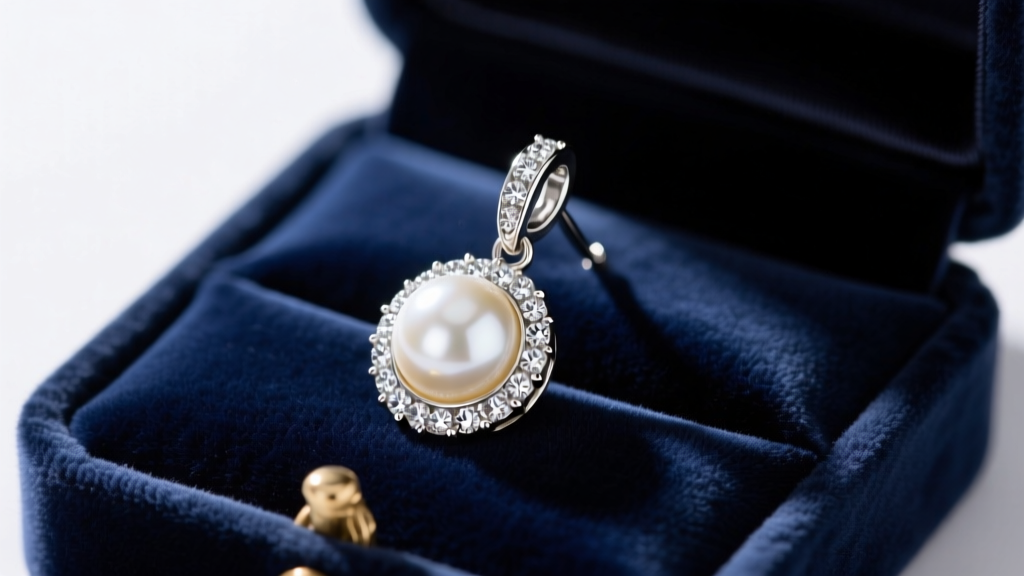
More critically, silver oxidizes. The sulfur compounds in the air and in human perspiration cause silver to tarnish, forming silver sulfide. According to the Gemological Institute of America (GIA), pearls are highly sensitive to acids, alkalis, and harsh chemicals. If tarnished silver comes into prolonged contact with a pearl's nacre, or if aggressive silver polishing chemicals migrate into the pearl cup, the nacre can become permanently etched, dull, or discolored. While rhodium plating can temporarily seal silver, the soft underlying metal will still dent and bend, eventually cracking the rigid rhodium shell and exposing the pearl to tarnish.
Adhesive Chemistry and Pearl Cup Engineering
The metal choice also dictates how well the pearl adheres to the earring. Pearls in drop earrings are typically mounted on a metal post with a shallow cup, secured using a two-part jeweler's epoxy. The porosity and surface tension of the metal affect the epoxy's bonding strength.
- Platinum and Gold: These metals can be sandblasted or micro-textured inside the pearl cup, creating microscopic grooves that the epoxy flows into, creating a mechanical lock that lasts for decades.
- Silver: Because silver is soft, aggressive texturing can weaken the cup's structural integrity. Furthermore, the oxidation layer on silver can act as a barrier, preventing the epoxy from bonding directly to the raw metal, leading to the pearl eventually spinning or detaching.
Expert Troubleshooting Tip: If your pearl diamond drop earring feels loose or the pearl 'spins' on its axis, do not attempt to superglue it. Cyanoacrylate (super glue) cures brittle and will shatter under the kinetic swing of a drop earring, while also emitting fumes that cloud the diamond and degrade the nacre. Take it to a jeweler for a professional two-part epoxy reset and ultrasonic cleaning of the metal cup.
Expert Verdict: Matching Metal to Lifestyle and Budget
Selecting the right metal for your pearl diamond drop earrings ultimately depends on your budget, maintenance tolerance, and lifestyle. For heirloom-quality pieces featuring high-grade diamonds and thick-nacred South Sea pearls, 950 Platinum is the only logical choice; its displacement properties guarantee the diamonds stay secure, and its hypoallergenic nature protects both your skin and the organic gems.
For those seeking a warm, classic aesthetic with moderate durability, 18K Yellow Gold provides an unmatched visual synergy with the creamy overtones of Akoya or freshwater pearls, provided you are mindful of snagging the diamond prongs. 14K Gold remains the workhorse for active individuals who want the look of fine jewelry with enhanced scratch resistance. Finally, while Sterling Silver offers an accessible entry point, it should be strictly reserved for occasional, low-impact wear, with a strict regimen of keeping the metal away from the pearl's delicate surface to prevent irreversible nacre damage.


