Safe Cleaning and Care Guide for Childrens Earrings
Learn how to safely clean and maintain childrens earrings. Discover expert tips on hypoallergenic metals, infection prevention, and daily care.

Why Children's Ear Care Requires a Specialized Approach
Caring for childrens earrings goes far beyond a quick wipe with a cotton swab. Children have highly active lifestyles, developing immune systems, and delicate earlobe tissue that requires meticulous attention to prevent complications. Whether your child just got their lobes pierced or they are a seasoned earring wearer, understanding the biomechanics of the piercing fistula (the healed tunnel of skin) is crucial.
Standard children's lobe piercings are typically performed at 20-gauge (0.81mm) or 18-gauge (1.02mm). Because these holes are incredibly narrow, they are highly susceptible to trapping dead skin cells, sebum, and environmental debris. In 2026, pediatric dermatologists and professional piercers strongly emphasize a proactive, biocompatible approach to aftercare, moving away from harsh chemicals that were mistakenly recommended in the past.
The Only Safe Cleaning Routine for Kids' Earlobes
The Association of Professional Piercers (APP) explicitly advises against using rubbing alcohol, hydrogen peroxide, witch hazel, or tea tree oil on healing or healed piercings. These substances destroy newly formed cellular tissue, cause severe dryness, and can trigger contact dermatitis.
Daily and Weekly Maintenance Protocol
- The Solution: Use only sterile, isotonic 0.9% sodium chloride wound wash. Ensure the can is pressurized and contains no additives like benzalkonium chloride or fragrances.
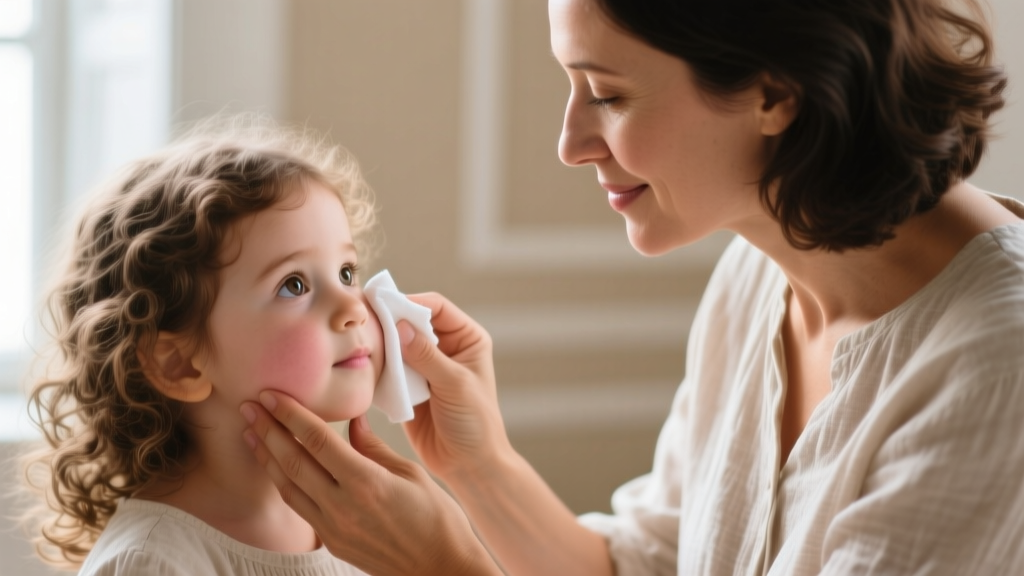
- The Application: Spray the saline directly onto the front and back of the earring post. Let it sit for 30 seconds to soften any crusties or sebum buildup.
- The Wipe: Gently wipe away softened debris using non-woven sterile gauze. Avoid cotton swabs (Q-tips) or cotton balls, as they leave microscopic fibers wrapped around the earring post, which can harbor bacteria and cause micro-tears in the fistula.
- Drying: Moisture trapped behind the earlobe breeds bacteria. Gently pat the area dry with a fresh piece of gauze, or use a hair dryer on the absolute lowest, coolest setting held at arm's length.
Material Maintenance: Biocompatibility and Upkeep
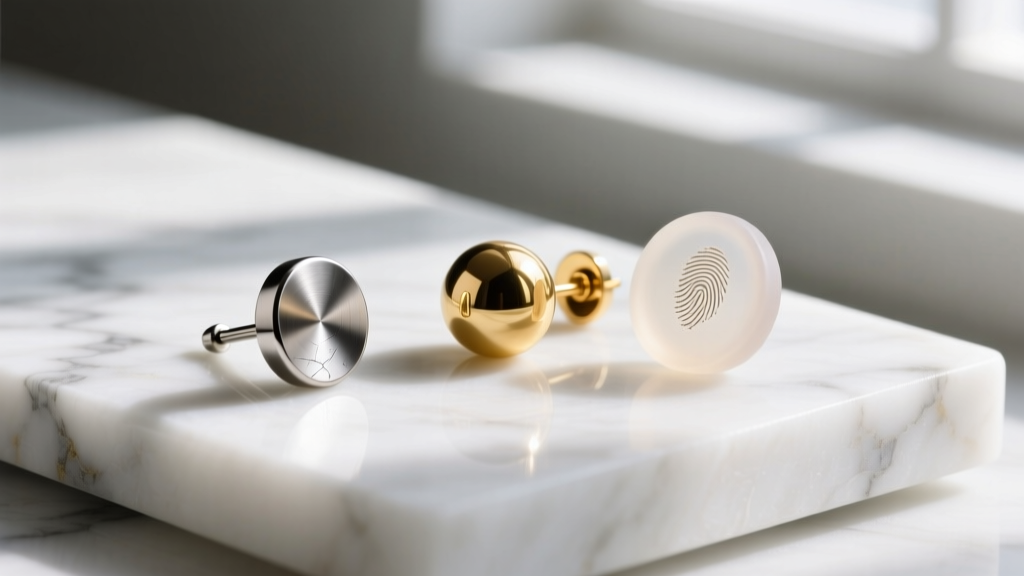
The metal touching your child's skin dictates how much maintenance is required and how likely they are to experience adverse reactions. The APP Jewelry Materials Guide outlines strict standards for body-safe metals. Below is a breakdown of common materials used for childrens earrings and their specific care requirements.
| Material | Grade / Standard | Nickel / Allergy Risk | Maintenance & Care Needs |
|---|---|---|---|
| Implant-Grade Titanium | ASTM F136 or F67 | Zero (Highly Biocompatible) | Minimal. Wipe clean with saline. Will not tarnish or react with sebum. |
| Solid Gold | 14k or 18k (Nickel-Free Alloy) | Low (If properly alloyed) | Moderate. Requires occasional polishing. Remove before swimming in chlorinated pools to prevent alloy degradation. |
| Surgical Steel | 316L | Moderate to High | High. Contains trace nickel. Must be cleaned frequently to prevent metal salts from building up and causing rashes. |
| Sterling Silver | 925 | Low Nickel, but High Tarnish | Very High. Tarnishes quickly when exposed to sweat and moisture. Never use for fresh piercings due to silver sulfide buildup. |
Troubleshooting: Infection vs. Contact Dermatitis
Parents often mistake allergic reactions for infections, leading to unnecessary antibiotic use or premature removal of the jewelry. According to the American Academy of Dermatology, contact dermatitis is vastly more common than true bacterial infections in healed ear piercings.
"If the earlobe is itchy, red, flaky, and slightly swollen immediately after inserting a new pair of earrings, it is almost always an allergic reaction to nickel or a reaction to silver tarnish, not a bacterial infection. True infections are characterized by throbbing pain, excessive heat, and thick yellow or green purulent discharge."
When to Remove the Earring Immediately
While the general rule for a suspected infection in a fresh piercing is to leave the jewelry in so the hole doesn't close and trap an abscess, the rules change for fully healed children's ears. Remove the earring immediately and consult a pediatrician if you observe:
- A red streak radiating outward from the earlobe.
- The child develops a fever alongside localized ear pain.
- The earring backing becomes embedded in the skin due to swelling.
Upgrading Backings: The End of the Butterfly Clutch
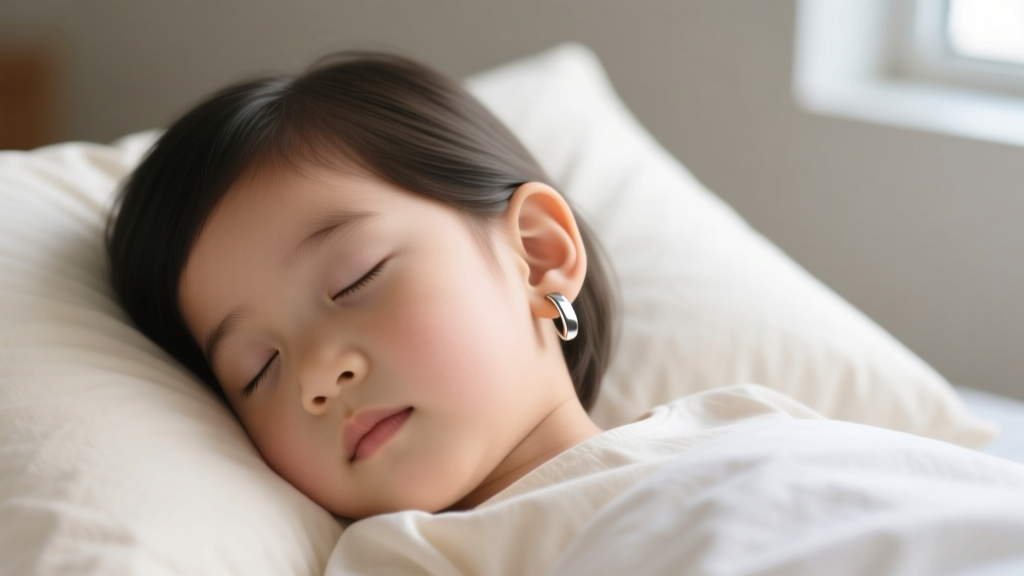
One of the most critical advancements in children's earring care is the abandonment of the traditional "butterfly" or friction clutch backing. These standard backings feature tight crevices that trap dead skin, soap residue, and bacteria. Furthermore, they frequently dig into the soft tissue behind a child's neck while sleeping, causing pressure necrosis and chronic irritation bumps.
For 2026, the gold standard for childrens earrings is flat-back labret jewelry. Available in threadless (push-pin) or internally threaded configurations, flat-backs sit flush against the back of the earlobe. They eliminate the sharp post that pokes the neck, drastically reduce bacterial buildup, and make it nearly impossible for a child to accidentally pull the earring out during active play or while changing clothes. If flat-backs are not an option, securing standard posts with medical-grade silicone O-rings provides a comfortable, bacteria-resistant alternative that holds the earring securely without pinching the skin.
Frequently Asked Questions
Can I use rubbing alcohol to sterilize my child's earrings before putting them in?
You can use 70% isopropyl alcohol to clean the jewelry itself while it is out of the ear, but you must let it dry completely before insertion. Never apply rubbing alcohol directly to the child's earlobe, as it strips the skin's natural lipid barrier and causes severe contact dermatitis.
How often should I remove their earrings for a deep clean?
For the first six months after a fresh piercing, earrings should never be removed. Once the fistula is fully mature (usually after 6 to 12 months), you can remove the jewelry once a week to clean the post and the earlobe with mild, fragrance-free liquid soap and warm water before reinserting.


