Beginner Guide to Buying and Styling Silver Snowflake Earrings
Discover how to choose, style, and care for silver snowflake earrings. Learn about 925 sterling silver grades, gauge sizes, and winter styling tips.

The Allure of the Snowflake Motif in Jewelry
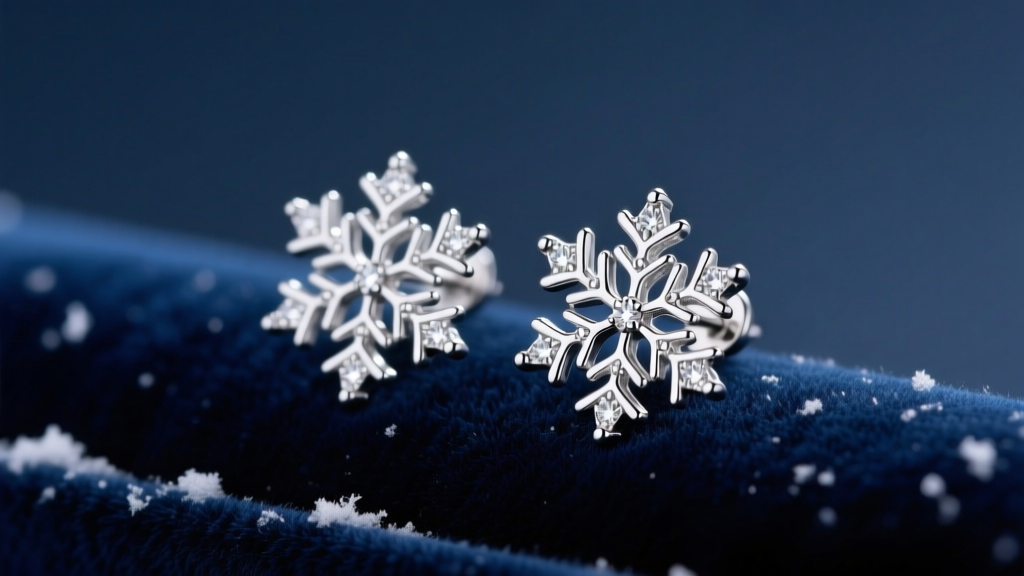
Silver snowflake earrings capture the intricate, fractal beauty of winter, translating a fleeting natural phenomenon into a permanent wardrobe staple. Unlike generic seasonal jewelry, the snowflake motif relies on six-fold radial symmetry, making it a masterclass in geometric design. For beginners navigating the jewelry market, these pieces offer a unique blend of whimsical charm and sophisticated structure. However, not all snowflake earrings are created equal. From the metallurgy of the silver alloy to the structural integrity of the earring post, understanding the nuances of these designs is crucial for making a purchase that lasts beyond a single winter season.
Decoding the Metal: 925 Sterling vs. Plated vs. Argentium
Pure silver (999 fine silver) is rarely used in jewelry because it ranks just 2.5 on the Mohs hardness scale, making it far too soft to hold the intricate, spindly arms of a snowflake design without bending. To solve this, jewelers alloy silver with other metals. Understanding these alloys is your first line of defense against cheap imitations and premature tarnishing.
| Metal Grade | Composition | Tarnish Resistance | Price Range | Best For |
|---|---|---|---|---|
| 925 Sterling Silver | 92.5% Silver, 7.5% Copper | Moderate (Requires care) | $45 - $120 | Everyday wear, heirloom pieces |
| Argentium Silver | 93.5%+ Silver, Germanium | High (Tarnish-resistant) | $80 - $200+ | Low-maintenance buyers, sensitive skin |
| Silver-Plated Brass | Brass core, thin silver coat | Low (Wears off over time) | $15 - $35 | Occasional wear, tight budgets |
According to the Gemological Institute of America (GIA), the copper in 925 sterling silver is what causes tarnishing when exposed to sulfur and moisture in the air. If you have sensitive skin, avoid silver-plated options, as the underlying brass or nickel core can cause contact dermatitis once the plating wears thin. The American Academy of Dermatology notes that nickel allergies are among the most common causes of jewelry-induced rashes, making solid 925 or Argentium silver the safest bets for newly pierced lobes.
Sizing, Gauge, and the Mechanics of the Dangle
Snowflake designs are inherently top-heavy and wide. When buying dangles or drops, the structural mechanics of the earring post are just as important as the aesthetic design.
Understanding Gauge Thickness
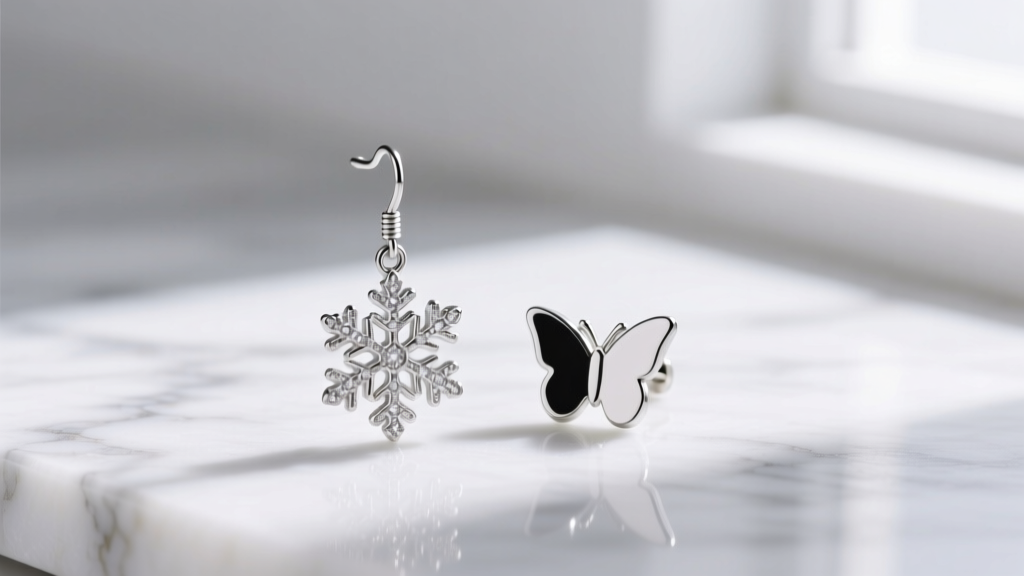
The "gauge" refers to the thickness of the metal post that passes through your piercing. Standard earlobe piercings are typically 20G (0.81mm) or 18G (1.02mm). Because snowflake dangles carry more weight than simple studs, an 18G post is highly recommended for drop styles to prevent the post from bending under the weight of the swinging metal. If you are looking at snowflake ear cuffs for the cartilage, ensure the cuff is adjustable, as cartilage thickness varies wildly from person to person.
Matching Backings to Your Design
- Jumbo Silicone O-Rings: The absolute best choice for top-heavy snowflake drops. They grip the post tightly and provide a wide surface area against the back of the earlobe, preventing the "drooping lobe" effect.
- La Pousette (Screw Backs):strong> Ideal for expensive 925 sterling snowflake studs. They screw onto a threaded post, ensuring you never lose a valuable piece in the snow.
- Standard Butterfly Friction Backs: Fine for lightweight, small studs (under 10mm), but inadequate for wide, intricate dangles.
Styling Silver Snowflake Earrings for Your Face Shape
The geometric nature of snowflake jewelry means it interacts directly with your facial structure. Here is a beginner-friendly framework for styling:
- Round Faces: Opt for elongated snowflake drop earrings. The vertical movement draws the eye downward, creating an illusion of length and balancing the width of your cheeks.
- Square Faces: Choose snowflake studs with softened, slightly rounded edges or pair them with delicate silver chains. Avoid massive, sharp-edged geometric hoops that mimic the sharp angles of your jawline.
- Heart-Shaped Faces: Teardrop-shaped snowflake dangles work beautifully here, adding visual weight to the narrower lower half of your face.
- Oval Faces: You have the most versatility. Bold, oversized snowflake statement earrings will look perfectly balanced against your proportions.
"When wearing intricate motif jewelry like snowflakes, let the earrings be the focal point. Pair them with a minimalist silver chain or simple stud in the second-hole piercing to avoid visual clutter."
The Science of Tarnish and How to Reverse It
Tarnish on silver snowflake earrings isn't dirt; it is a chemical reaction. When the copper in 925 sterling silver reacts with hydrogen sulfide in the air, it forms silver sulfide (Ag2S), creating that dull, blackish-grey film. Because snowflake designs feature dozens of tiny crevices and filigree arms, polishing them with a standard cloth is nearly impossible.
The Electrochemical Cleaning Method:
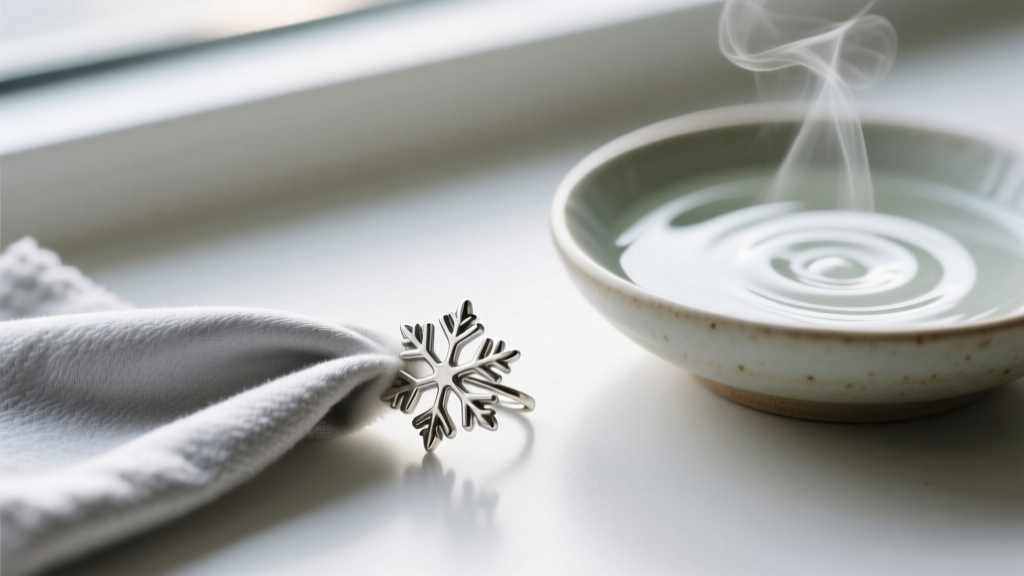
Instead of scrubbing, use science to reverse the reaction. Line a glass bowl with aluminum foil (shiny side up). Place your tarnished silver snowflake earrings inside. Add one tablespoon of baking soda and one tablespoon of sea salt. Pour boiling water over the mixture. You will immediately see bubbles and smell a faint sulfur odor. The aluminum acts as a sacrificial anode, pulling the sulfur atoms off the silver and binding to them instead. After 3 to 5 minutes, remove the earrings with wooden tongs, rinse with distilled water, and pat dry with a microfiber cloth. Your intricate snowflake crevices will be perfectly restored without any abrasive scrubbing.
Where to Buy and What to Expect
When shopping for silver snowflake earrings, always look for the "925" stamp, usually located on the back of the stud or the inside of a dangle's wire hook. For beginner buyers, independent jewelers on platforms like Etsy often offer highly detailed, handcrafted castings in the $50 to $90 range. Mass-market retailers may offer cheaper alternatives, but be wary of "Tibetan Silver" or "Alpaca Silver"—these are nickel-heavy alloys that contain zero actual silver and will quickly irritate sensitive piercings. Investing in solid 925 sterling or Argentium silver ensures your winter staples remain timeless, durable, and safe for your skin.


