Spartina Earrings Repair: Fix Tarnish, Plating & Broken Posts
Troubleshoot common Spartina earrings issues. Learn expert repair methods for gold plating wear, sterling tarnish, bent posts, and enamel chips.

Diagnosing Wear and Tear on Coastal-Inspired Jewelry
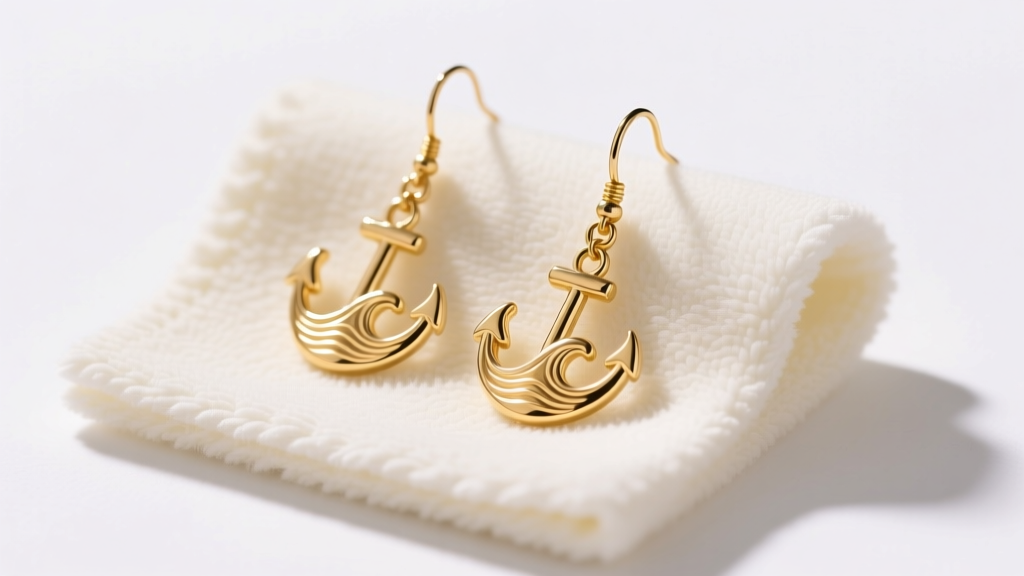
Spartina Charleston is celebrated for its intricate, coastal-inspired designs, frequently utilizing mixed metals, vibrant cold enamels, and pavé crystals. However, the very elements that make these pieces stunning—ocean air, high humidity, and daily wear—also accelerate their degradation. Whether you own a pair of their signature compass rose studs or intricate enamel drop earrings, understanding the metallurgical and structural failure points of your jewelry is the first step toward effective restoration.
As of 2026, the secondary market for vintage and discontinued Spartina earrings has surged, making DIY troubleshooting and professional repair knowledge more valuable than ever. Before attempting any fix, you must accurately identify the base metal and the specific type of damage. Misdiagnosing brass oxidation as sterling silver tarnish can lead to irreversible plating loss.
The Spartina Troubleshooting Matrix
Use this diagnostic table to identify your specific earring issue and determine the safest intervention level. According to the FTC Jewelry Guides, understanding the distinction between gold vermeil and standard flash plating is critical before applying any chemical cleaners.
| Symptom | Root Cause | DIY Fix Viability | Recommended Action |
|---|---|---|---|
| Green skin discoloration | Brass base metal exposed through worn plating | Low (Requires re-plating) | Clear nail polish barrier or professional electroplating |
| Black/Grey surface film | Silver sulfide tarnish on .925 sterling base | High | Chemical silver dip (avoiding enamel areas) |
| Wobbly or bent earring post | Mechanical stress on 20G/21G brass or silver post | Medium | Nylon-jaw plier realignment |
| Chipped or cloudy color | Cold enamel degradation or UV damage | Medium | UV-curing jewelry resin color-matching |
Addressing Plating Loss and Base Metal Oxidation
Spartina frequently utilizes a brass base metal for their more sculptural, lightweight pieces, while reserving .925 sterling silver for their premium vermeil lines. When the gold or rhodium plating wears away—typically at high-friction points like the earlobe backing or the clasp hinge—the underlying metal reacts with the acidity of your skin and sulfur in the environment.
Identifying Your Base Metal
Look closely at a heavily worn area under a jeweler's loupe or macro lens. If the exposed metal is yellowish or brassy, you have a brass base. If it is white or grey, it is sterling silver. Brass bases cannot be polished back to a silver color; they must be re-plated. Sterling silver bases, however, can be polished and will naturally resist the 'green skin' effect, though they will still develop a dark patina over time.
Safe Tarnish Removal Protocol
For sterling silver Spartina earrings that do not feature enamel or glued pearls, a standard silver dip is highly effective. However, the Gemological Institute of America (GIA) warns against using harsh chemical dips on porous gems or organic materials. If your earrings feature Spartina's signature blue or white cold enamel, you must use a localized polishing approach. Wrap a silver polishing cloth tightly around a wooden toothpick and carefully buff only the exposed silver crevices, keeping the treated cloth away from the enamel to prevent chemical clouding.
Structural Repairs: Straightening Posts and Fixing Clasps
Fashion and semi-fine earrings typically utilize 20-gauge (0.81mm) or 21-gauge (0.72mm) posts. Spartina's brass posts are relatively rigid but prone to snapping if bent repeatedly. Their sterling silver posts are softer and will bend under the pressure of a tight earring back or accidental snagging on clothing.
Realigning a Bent Post
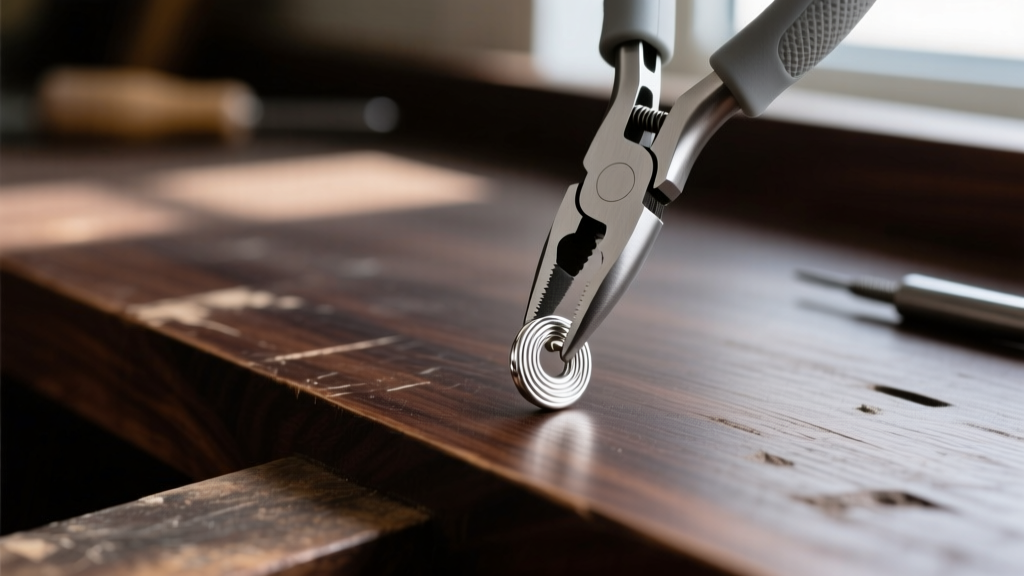
Never use standard steel jewelry pliers on an earring post; the hardened steel teeth will gouge the soft silver or brass, creating weak points that will eventually snap. Instead, invest in a pair of nylon-jaw pliers (brands like Tronex or EuroTool offer excellent precision).
- Grip the base of the post where it meets the earring body to stabilize it.
- Apply gentle, incremental pressure to the bent area using the nylon jaws.
- Roll the post on a flat glass surface to check for true alignment. If it wobbles, make micro-adjustments until it spins perfectly flat.
Restoring Omega Clip Tension
For Spartina's heavier drop earrings that utilize omega clips or lever-backs, a loose hinge can cause the earring to slide off the earlobe. If the tension wire inside an omega clip has flattened, carefully lift it using a fine sewing needle or a specialized hinge tensioning tool. Bend the wire upward by no more than 15 degrees to restore the spring-loaded grip against the earlobe.
Advanced Restoration: Enamel and Crystal Salvage
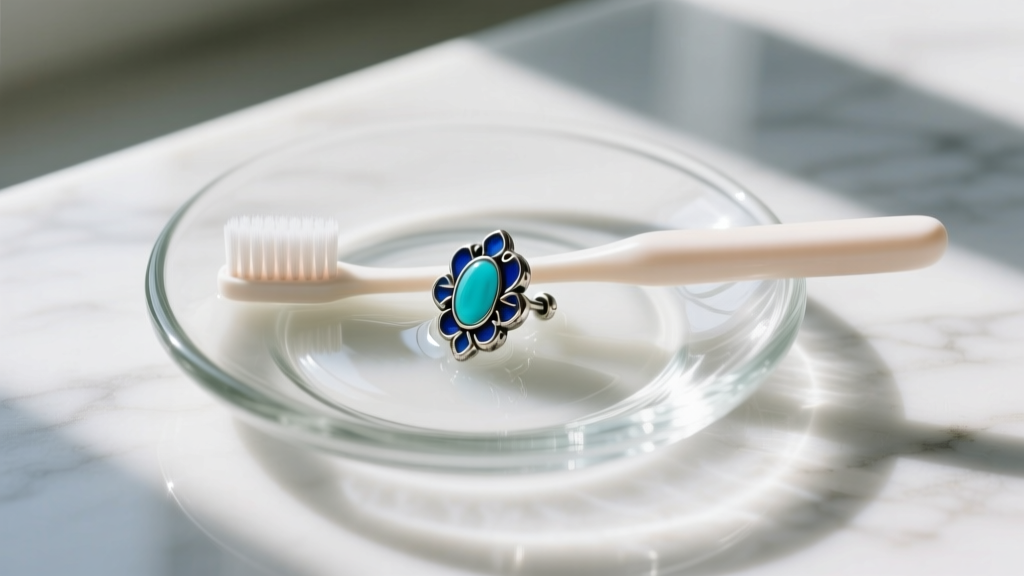
Spartina's vibrant coastal colors are achieved using cold enamel (an epoxy-based resin) rather than vitreous (glass) enamel. Cold enamel is highly durable against impacts but is susceptible to UV yellowing and chemical degradation from perfumes or lotions.
Fixing Enamel Chips with UV Resin
Historically, jewelers used two-part epoxies to fill enamel chips, but these often yellowed over time. The 2026 standard for DIY cold enamel repair is UV-curing jewelry resin.
- Clean the chipped area with isopropyl alcohol to remove skin oils.
- Use a fine needle to apply a microscopic drop of color-matched UV resin into the divot.
- Flash-cure with a 365nm UV flashlight for 15 seconds.
- Wet-sand the cured resin flush with the surrounding metal using 2000-grit automotive sandpaper, then polish with a microfiber cloth.
Resetting Loose Pavé Crystals
If the tiny cubic zirconia or crystal pavé stones in your Spartina earrings are falling out, avoid using superglue (cyanoacrylate), which dries brittle and leaves a white, frosty residue on the stones. Instead, use GS Hypo Cement. Apply a tiny bead to the setting cup, let it become tacky for 30 seconds, and then seat the stone using a wax-tipped jewelers pick. Allow 24 hours for a full cure before wearing.
When to Seek Professional Intervention
While routine maintenance and minor structural tweaks are easily handled at home, certain failures require a master jeweler. If a brass earring post has snapped completely flush with the earring body, a jeweler must use a laser welder to attach a new post without melting the surrounding cold enamel or damaging heat-sensitive crystals. Similarly, if the gold plating has worn off more than 30% of the earring's surface, professional electroplating (requiring a minimum 1.5-micron thickness for longevity) is the only way to restore the piece to its original factory specification.