Spiky Ball Earrings: The Ultimate Style & Buying Guide
Discover how to choose the perfect spiky ball earrings. Our expert buying guide covers titanium vs. steel, gauge sizes, and how to prevent lobe sagging.

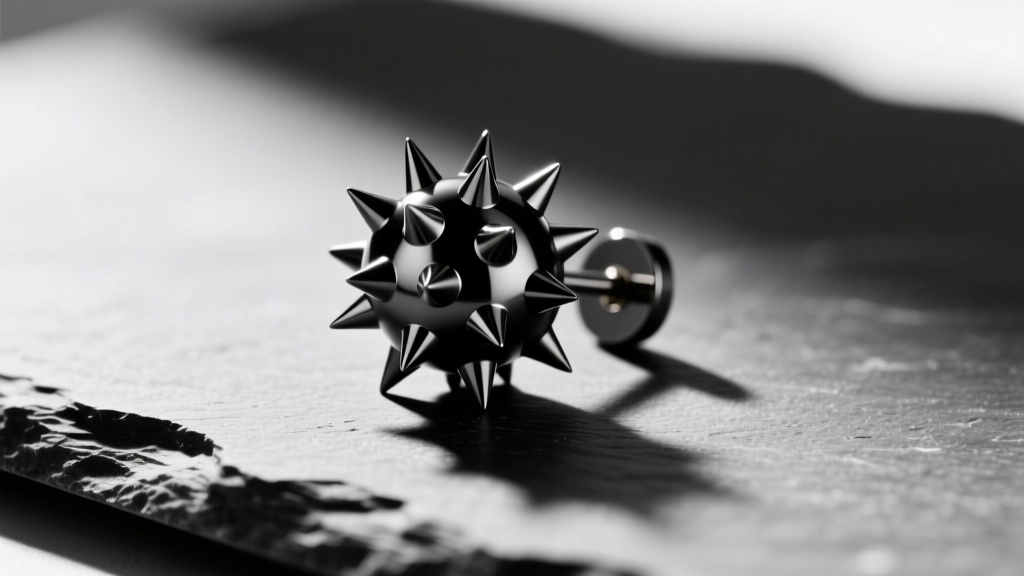
As we navigate the jewelry landscape of 2026, the fusion of Y2K grunge and refined minimalism has cemented spiky ball earrings as a permanent staple in alternative and edgy everyday fashion. No longer confined to niche punk subcultures, these textured, geometric pieces are now crafted with high-end metallurgy and precision engineering. However, the market is flooded with poorly cast, nickel-heavy imitations that cause contact dermatitis and snag on everything from silk pillowcases to winter knits.
Whether you are looking for a subtle micro-spike stud for the office or an aggressive, oversized dangle for a weekend festival, understanding the mechanics of spike jewelry is crucial. This comprehensive buying guide breaks down material grades, weight distribution, and real-world troubleshooting to ensure your next purchase is as comfortable as it is striking.
The Anatomy of a Quality Spiky Ball Earring
The difference between a premium spiky ball earring and a cheap novelty piece comes down to manufacturing. Most mass-produced earrings are created using slush casting, a method where molten metal is poured into a mold. This results in slightly rounded, asymmetrical spikes that blunt quickly and harbor bacteria in microscopic surface pores.
For a superior finish, look for brands that utilize CNC (Computer Numerical Control) machining. CNC-machined spiky balls are milled from a single block of metal, resulting in mathematically perfect, razor-sharp spikes with a mirror or brushed finish that resists tarnishing. When shopping, inspect the macro photography: if the tips of the spikes look slightly bulbous or uneven, the piece is likely cast and should be avoided.
Material Grades: What Actually Touches Your Piercing
The most critical factor in buying any body jewelry is the material. Because spiky designs naturally draw attention and friction to the earlobe, wearing reactive metals can lead to severe irritation bumps and allergic reactions. According to the Association of Professional Piercers (APP), only specific grades of metal are considered safe for long-term wear in the body.
Furthermore, the American Academy of Dermatology warns that nickel allergies are among the most common causes of contact dermatitis. Many cheap "surgical steel" alloys contain up to 10% nickel, which leaches into the skin when exposed to sweat.
| Material Grade | Nickel Content | Best Use Case | Avg. Price Range |
|---|---|---|---|
| ASTM F-136 Titanium | 0% (Nickel-Free) | Fresh piercings, sensitive skin, daily wear | $45 - $95 |
| 316L Surgical Steel | 8% - 10% | Fully healed lobes, budget buyers | $15 - $35 |
| 925 Sterling Silver | 0% (Contains Copper) | Occasional wear (tarnishes easily) | $25 - $60 |
| 14k/18k Solid Gold | Varies (Avoid white gold) | Luxury statements, heirloom pieces | $150 - $400+ |
Expert Tip: If you are buying spiky ball earrings for a cartilage piercing (like a helix or tragus), never use Sterling Silver. The copper content can oxidize in the low-oxygen environment of a cartilage fistula, leading to permanent argyria (skin discoloration). Stick strictly to implant-grade titanium.
Gauge Thickness and Weight Distribution
Spiky ball earrings carry a unique structural challenge: the spikes add visual volume, but the solid metal core adds hidden weight. A solid steel 12mm spiky ball can weigh upwards of 8 grams, which is enough to cause permanent lobe stretching and drooping over time.
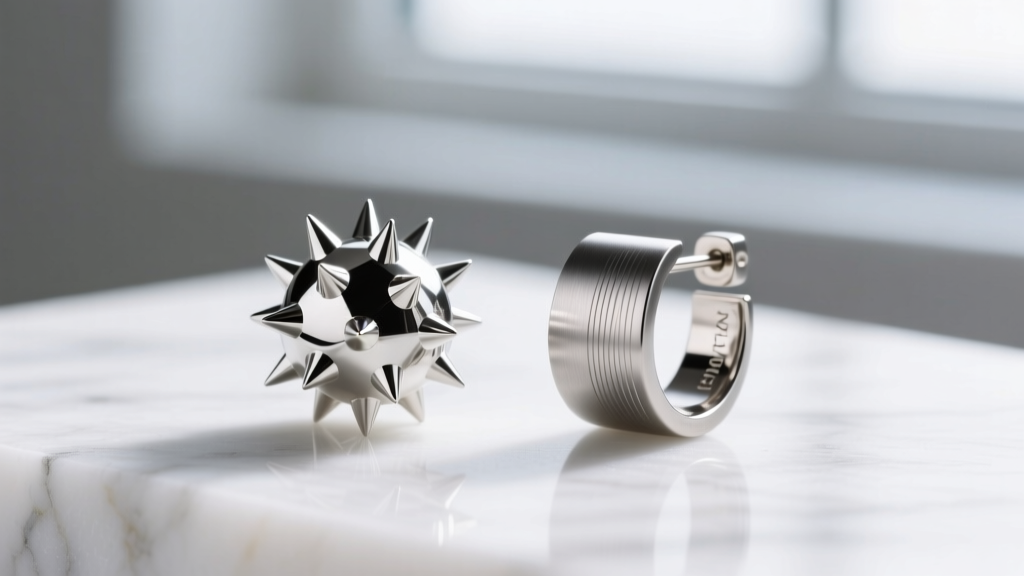
Decoding Gauge Sizes
- 20g (0.8mm) / 18g (1.0mm): The standard for earlobe piercings. Most spiky studs and lightweight dangles will feature these post sizes.
- 16g (1.2mm): The standard for cartilage, helix, and tragus piercings. If you plan to wear a spiky ball in your upper ear, ensure the post or clicker ring is 16g to prevent the "cheese-cutter effect," where a thin wire slowly migrates through the tissue.
Combating the "Heavy Lobe" Syndrome
If you want the look of oversized (10mm+) spiky ball dangles without the lobe sagging, look for hollow-core construction. High-end jewelers will mill a hollow sphere and weld the spikes on the exterior, reducing the weight by up to 60% while maintaining the aggressive silhouette. Alternatively, some modern designs use a medical-grade acrylic or resin core that is electroplated with gold or rhodium, offering a featherlight wearing experience.
Spike Profiles: Micro, Standard, and Aggressive
Not all spikes are created equal. The profile you choose should align with your lifestyle, wardrobe, and sleeping habits.
1. Micro-Spikes (1mm - 2mm)
These offer a subtle, textured "sandpaper" or starburst effect. They are entirely office-friendly, safe to sleep in, and will not snag on hair. Micro-spikes are ideal for minimalist ear stacks or secondary lobe piercings.
2. Standard Spikes (3mm - 5mm)
The classic punk-rock silhouette. Standard spikes provide noticeable edge but require mindfulness when pulling off turtlenecks or toweling off after a shower. They are best suited for primary lobe piercings or industrial barbells.
3. Aggressive / Statement Spikes (6mm+)
These are long, needle-like protrusions designed for maximum visual impact. They are strictly for occasional wear, festivals, or photoshoots. Wearing aggressive spikes during commutes or crowded events poses a genuine safety hazard to both the wearer and those nearby.
Real-World Troubleshooting: Snags, Sagging, and Dullness
Owning spiky jewelry requires a slightly different maintenance routine than smooth hoops or studs. Here is how to solve the most common issues reported by collectors.
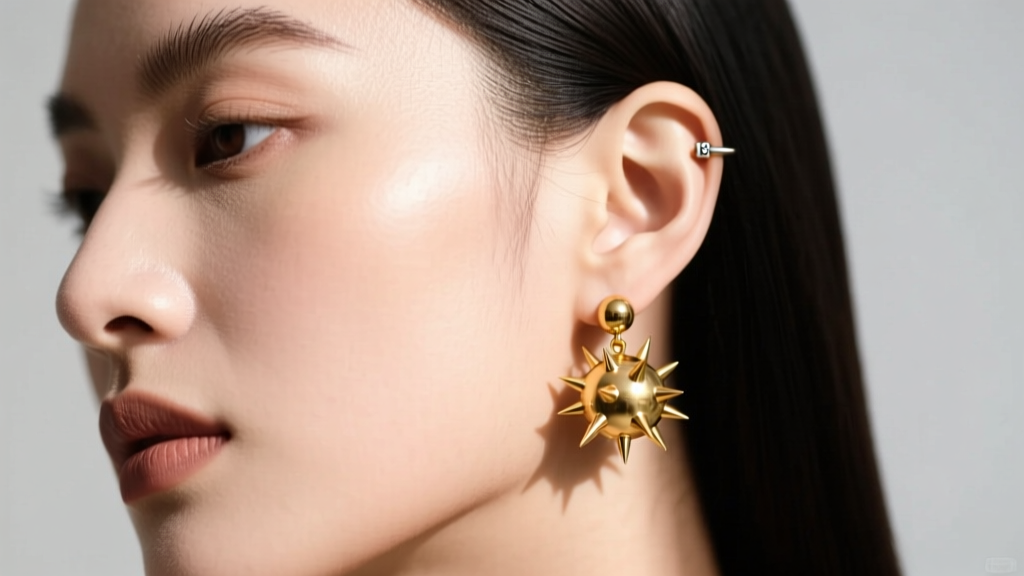
The Snagging Problem
The back of the earring is often just as dangerous as the front. Traditional butterfly friction backs have sharp metal prongs that catch on hair and sweaters. The Solution: Swap standard backs for flat-back labret posts or smooth-dome screw-on backs. A flat titanium disc sits flush against the back of the ear, eliminating 90% of rear-snagging incidents while providing superior stability for the heavier spiky front.
Cleaning Without Blunting
A common mistake is using traditional silver polishing cloths on spiky ball earrings. The friction of rubbing the cloth against the metal will quickly round off the sharp tips of micro and standard spikes, ruining the aesthetic. The Solution: Use an ultrasonic jewelry cleaner with a few drops of mild dish soap, or gently agitate the piece in a bowl of warm soapy water using a soft-bristled baby toothbrush. This removes sebum and dead skin from the crevices between the spikes without dulling the points.
Managing Cartilage Irritation
Because spiky balls have a wider surface area, they can press against the side of your head or catch on headphones, transferring pressure to the cartilage fistula. If you wear them in a helix piercing, opt for internally threaded or threadless (push-pin) ends rather than externally threaded screws, which can tear the delicate tissue inside the piercing channel when inserted.
Final Verdict: What to Buy Based on Your Lifestyle
When investing in spiky ball earrings, prioritize ASTM F-136 titanium or solid 14k gold to guarantee longevity and skin health. For daily wearers who refuse to take their jewelry out, CNC-machined micro-spikes with flat-back labret posts are the ultimate, snag-free choice. For statement seekers, hollow-core dangles provide the aggressive, oversized grunge aesthetic without sacrificing the structural integrity of your earlobes. By understanding the mechanics of weight, gauge, and manufacturing, you can build an edgy, resilient collection that defies the fast-fashion cycle.


