Storing Stud Earrings: Troubleshooting Tarnish and Loss
Learn expert troubleshooting tips for storing stud earrings. Prevent tarnish, lost backs, and bent posts with our material-specific storage guide.

The Hidden Costs of Improper Storage
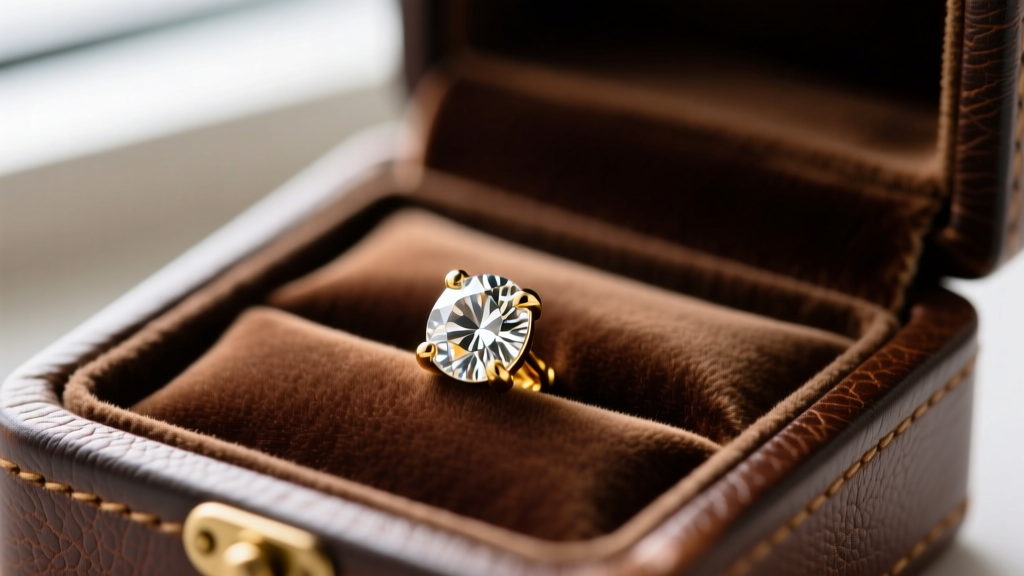
For many jewelry enthusiasts, the act of taking off earrings at the end of the day is an afterthought. Tossing a pair of 14k gold or sterling silver studs into a communal velvet tray or a generic wooden box seems harmless enough. However, improper storage is the leading cause of micro-damage, alloy oxidation, and the frustrating phenomenon of the 'vanishing earring back.' When it comes to storing stud earrings, a lack of material-specific protocol inevitably leads to bent posts, scratched gemstones, and irreversible chemical tarnish. This guide moves beyond generic advice, offering a metallurgical and gemological troubleshooting framework to protect your investment.
The anatomy of a stud earring makes it uniquely vulnerable. Unlike hoops or dangles, studs rely on a thin, straight post—typically 20-gauge (0.81mm) or 18-gauge (1.02mm)—that must bear the lateral pressure of being pushed through tissue and secured with a friction or screw back. When stored loosely, these posts act as levers; if a heavier piece of jewelry rolls against them, the post bends. Furthermore, the exposed surface area of the stud's basket or bezel is highly susceptible to atmospheric pollutants. Understanding the specific vulnerabilities of your earrings is the first step in troubleshooting your storage ecosystem.
Material-Specific Storage Protocols
Different metals and gemstones react uniquely to their environment. Sterling silver, for instance, does not tarnish from oxygen or moisture alone; it reacts with hydrogen sulfide in the air to form silver sulfide, a black compound that dulls the finish. Conversely, organic gems like opals and pearls require a delicate moisture balance to prevent structural cracking. Below is a diagnostic table to help you match your stud earrings with their ideal storage environment.
| Material / Gemstone | Primary Storage Threat | Ideal Storage Protocol | What to Avoid |
|---|---|---|---|
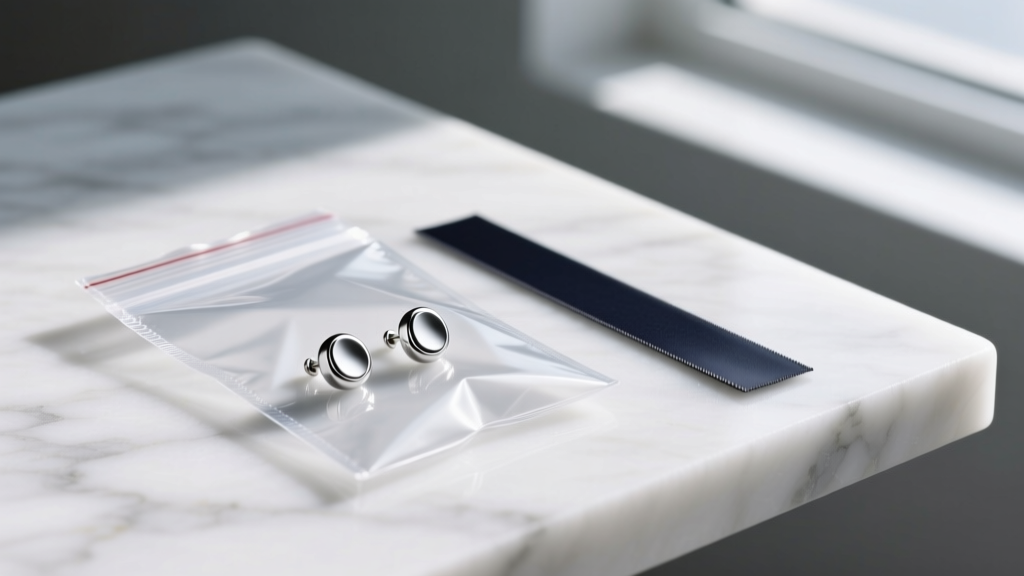
| Sterling Silver (925) | Sulfur-induced tarnish | Airtight ziplock with 3M anti-tarnish strip | Cardboard boxes, open velvet trays, rubber bands |
| 14k / 18k Yellow Gold | Surface scratching, alloy oxidation | Individual soft microfiber pouches | Communal trays where diamonds can scrape gold |
| Implant-Grade Titanium | Cross-contamination, dust | Original sterile blister packs or silicone mats | Damp bathroom hooks, unlined wooden boxes |
| Opal / Pearl Studs | Dehydration, crazing, cracking | Soft pouch with a slightly damp cotton ball (sealed) | Silica gel packets, airtight dry safes, direct heat |
| Diamond Studs | Grease attraction, scratching other gems | Individual lined compartments, cleaned before storage | Storing unworn after applying lotions or oils |
As noted by the Gemological Institute of America (GIA), diamonds possess a Mohs hardness of 10, meaning they will effortlessly scratch precious metals (which sit around 2.5 to 3 on the scale) and softer gemstones. Never store diamond studs in the same unpartitioned compartment as gold or pearl earrings.
Troubleshooting Common Storage Disasters
The Bent Post Dilemma
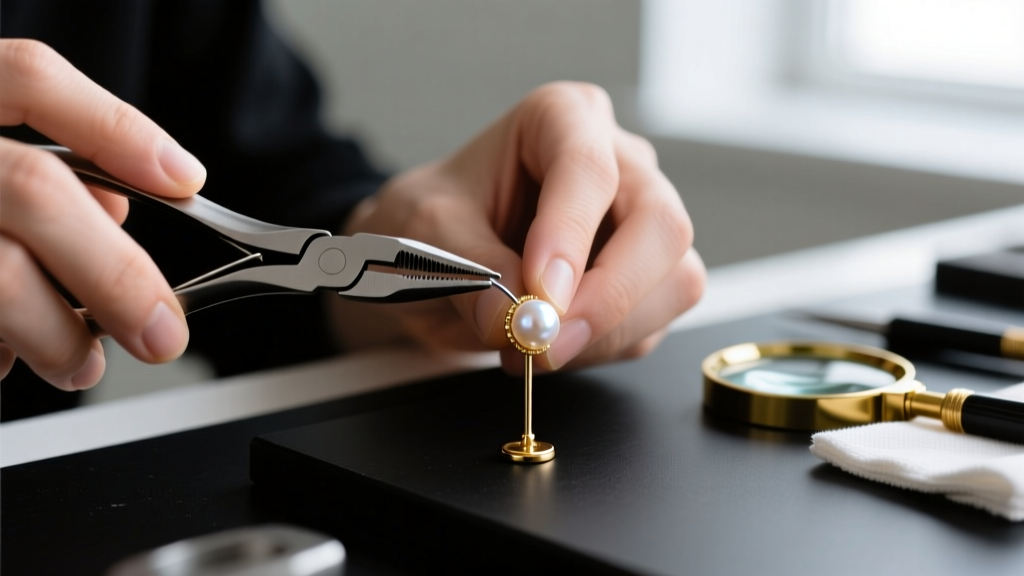
The Problem: You pull your favorite studs from the bottom of your bag or a crowded jewelry box, and the 20-gauge post is bent at a 45-degree angle. Attempting to force it through your earlobe will cause pain and potential tissue tearing.
The Fix: Never use standard steel jewelry pliers to straighten a precious metal post; the hardened steel teeth will mar, dent, or weaken the gold or silver. Instead, use nylon-jaw pliers. Grip the post firmly at the base of the bend and apply gentle, gradual pressure to realign it. If the post has been bent back and forth multiple times, it may suffer from metal fatigue and require professional re-soldering.
The Prevention: When storing stud earrings, always reattach the earring back onto the post. This provides structural reinforcement and prevents the thin wire from catching on fabrics or other jewelry. For long-term storage, push the back all the way to the base of the post to minimize the exposed lever arm.
The Case of the Vanishing Butterfly Back
The Problem: Standard friction backs (butterfly backs) rely on tension. Over time, the metal loops loosen, causing them to slide off the post during sleep or while being jostled in a storage drawer.
The Fix: Upgrade your storage and wearing hardware. Replace worn butterfly backs with silicone O-rings or specialized secure backs like LaPoussé clutches, which feature an internal locking mechanism that requires a specific squeeze to release. If you must store standard friction backs, ensure they are pushed securely onto the post, not left resting loosely in the bottom of a box.
Gemstone Care: Diamonds vs. Organics
When storing stud earrings featuring gemstones, you must account for both the setting and the stone's chemical stability. Diamonds are notorious for attracting lipids (grease and oils). If you store diamond studs immediately after wearing them without cleaning, the accumulated oils will harden, dulling the stone's brilliance and potentially trapping bacteria against the post.
According to Jewelers of America, a quick soak in a mild solution of warm water and ammonia-free dish soap, followed by a gentle brush with a baby toothbrush, is sufficient before storage. Conversely, organic gems like pearls and opals are highly sensitive to their climate. Storing pearl studs in an airtight safe with silica gel desiccants will draw out their natural moisture, leading to 'crazing' (a network of fine cracks on the surface). Organics need to 'breathe' and retain a baseline level of humidity. Store them in a soft, non-abrasive silk pouch away from extreme temperature fluctuations.
Building a Climate-Controlled Ecosystem
The ultimate troubleshooting step for storing stud earrings is auditing your storage environment's climate control. Many collectors mistakenly believe that all jewelry benefits from desiccants like silica gel packets. This is a critical error. Silica gel is excellent for preventing moisture-induced degradation in non-porous metals and diamonds, but it is actively destructive to opals, turquoise, and pearls.
For sterling silver and white gold alloys, the goal is to neutralize airborne sulfur. Standard anti-tarnish strips (such as those manufactured by 3M) contain silver particles that act as a sacrificial anode, absorbing sulfur compounds before they can reach your jewelry. These strips must be replaced every 3 to 6 months, depending on the ambient humidity and pollution levels of your home. For a premium, long-term solution, consider lining your storage drawers with Pacific Silvercloth, a specialized flannel embedded with microscopic silver particles that continuously neutralizes tarnish-causing gases.
By transitioning from a passive 'drop-and-forget' habit to an active, material-specific storage protocol, you eliminate the most common points of failure in jewelry maintenance. Your stud earrings will remain pristine, structurally sound, and ready to wear at a moment's notice, free from the frustrations of tarnish and lost components.


