Material Guide: Choosing the Best Earring with Ball
Compare titanium, gold, and steel for your earring with ball. Learn about gauge sizes, biocompatibility, and threading types for safe healing.

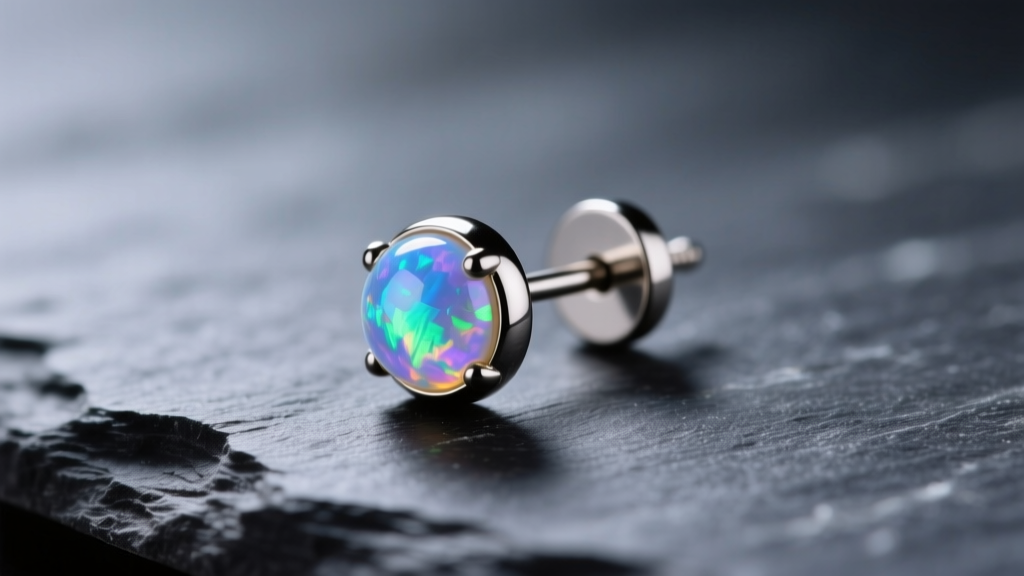
The Anatomy of an Earring with Ball
When building a curated ear stack or selecting jewelry for a fresh piercing, the classic earring with ball design remains a foundational staple. However, not all ball earrings are created equal. The term encompasses two primary structural categories: Captive Bead Rings (CBRs), where a spherical bead is held in place by the natural tension of a circular ring, and ball-end labret studs, which feature a flat back plate and a decorative or plain spherical front. Understanding the metallurgy and mechanical engineering behind these pieces is critical for both aesthetic longevity and tissue health. According to the Association of Professional Piercers (APP), the material composition and surface finish of body jewelry directly dictate the body's immune response, making material selection the most important decision you will make when purchasing an earring with ball ends.
Material Breakdown: Posts, Rings, and Biocompatibility
The post or ring forms the structural core of the jewelry. Because this metal passes directly through the fistula (the piercing channel), it must meet strict biocompatibility standards. Here is how the most common metals compare in real-world applications.
Implant-Grade Titanium (ASTM F136)
For fresh piercings and individuals with metal sensitivities, implant-grade titanium (specifically Ti6Al4V-E ELI, designated by ASTM F136) is the undisputed gold standard. Unlike commercial-grade titanium, F136 titanium contains zero nickel, eliminating the risk of allergic contact dermatitis. It is highly corrosion-resistant, non-magnetic, and significantly lighter than steel, which reduces the downward drag on healing cartilage tissue. When you choose a titanium earring with ball ends, you are investing in a mirror-finish surface that resists bacterial adhesion and promotes rapid cellular attachment during the healing phase.
14k and 18k Solid Gold
Gold offers unmatched prestige and warmth, but it requires careful selection. Pure 24k gold is far too soft to hold threading or maintain the tension required for a captive bead ring. Therefore, an earring with ball components made of gold must be alloyed. For body jewelry, 14k or 18k solid gold is ideal, provided it is alloyed with biocompatible metals like palladium or silver. Beware of white gold alloys that utilize nickel as a whitening agent; these can cause severe reactions in healing piercings. Always verify that the gold is nickel-free and features a high-polish finish to prevent microscopic tearing of the fistula.
Surgical Stainless Steel (316L and 316LVM)
While often marketed as 'hypoallergenic,' 316L surgical steel contains between 8% and 10.5% nickel. For fully healed piercings, many people can wear steel without issue. However, for fresh piercings or those with known nickel allergies, steel is a liability. The 316LVM (Vacuum Melted) variant offers a more uniform grain structure and fewer surface inclusions, but the nickel content remains. If you opt for a steel earring with ball ends, ensure it is strictly for healed tissue and monitor for signs of localized itching or redness.
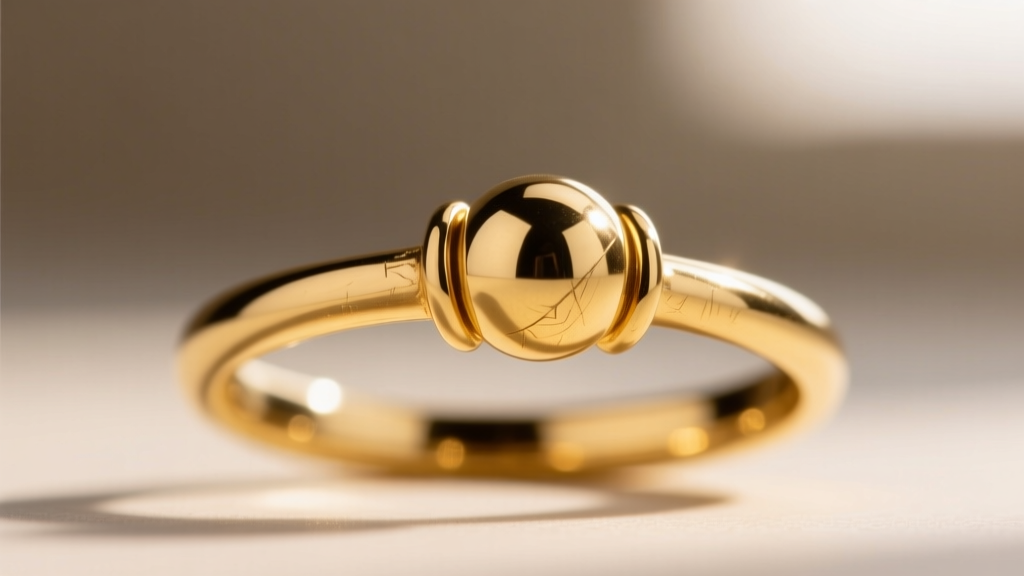
The Ball End: Threading, Tension, and Materials
The ball itself is where mechanical engineering meets aesthetics. How the ball attaches to the post or ring dictates both the security of the jewelry and the safety of the piercing channel.
Threadless (Press-Fit) vs. Internally Threaded
The modern standard for high-end ball studs is the threadless (press-fit) system. In this design, the ball end features a slightly bent pin that inserts into a hollow post. The tension created by the bent pin against the inner wall of the post holds the earring securely in place. This eliminates the need for screw threads entirely, resulting in a perfectly smooth insertion that will never scrape the fistula. Internally threaded jewelry, where the screw threads are hidden inside the ball and the post remains smooth, is the second-best option. Externally threaded jewelry, where the screw threads are on the post itself, should be strictly avoided, as the sharp threads act like a cheese grater on delicate healing tissue every time the earring with ball is inserted or removed.
Acrylic, Glass, and Gemstone Balls
While metal balls are standard, alternative materials offer unique aesthetics. Glass (specifically borosilicate) is inert, non-porous, and completely safe for autoclaving, making it an excellent choice for colorful, lightweight ball ends. Acrylic, however, is highly porous, degrades under UV light, and will melt or warp in an autoclave; it should only be worn in fully healed piercings and never sterilized with heat. When selecting gemstone balls, always opt for bezel-set stones rather than prong-set, as prongs can snag on hair and clothing, potentially dislodging the stone or tearing the piercing.
Comparative Data: Material Properties and Pricing
To help you make an informed decision, the table below outlines the critical properties of the most common materials used in ball earrings. Pricing reflects the average cost for a single, high-quality piece from reputable body jewelry manufacturers.
| Material | Alloy Standard | Nickel Content | Autoclave Safe | Avg. Price (USD) |
|---|---|---|---|---|
| Implant Titanium | ASTM F136 | None | Yes | $30 - $65 |
| Solid Gold | 14k / 18k | Varies (Avoid Ni) | Yes | $80 - $250+ |
| Surgical Steel | 316L / 316LVM | 8% - 10.5% | Yes | $10 - $25 |
| Niobium | Reactive (Pure) | None | Yes | $25 - $50 |
| Acrylic (Ball Only) | PMMA | None | No (Melts) | $3 - $8 |
Data sourced from industry manufacturing standards and the APP Body Jewelry Guide.
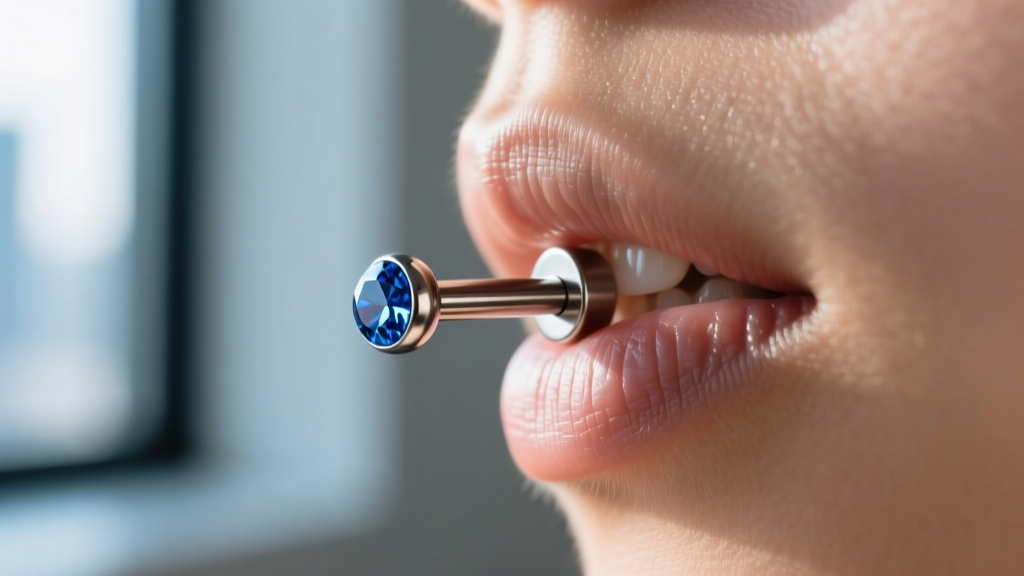
Gauge, Diameter, and Ball Sizing Specifics
Proper sizing is just as crucial as material selection. An earring with ball components must match the exact dimensions of your piercing to prevent migration, rejection, or the dreaded 'cheese-cutter effect' (where a ring that is too thin or tight slowly slices through the tissue).
- Gauge (Thickness): The standard for most cartilage piercings (helix, tragus, conch) is 16-gauge (1.2mm). Lobe piercings are typically 18-gauge (1.0mm) or 20-gauge (0.8mm). Using a 16g titanium post ensures maximum stability and minimizes the risk of the jewelry migrating through the tissue.
- Ring Diameter (For CBRs): A captive bead ring must be large enough to accommodate the swelling of a fresh piercing or the natural curvature of the ear. Standard inner diameters range from 5/16' (8mm) to 3/8' (10mm). If the ring is too tight, it will press into the tissue; if it is too wide, it will lose the tension required to hold the ball in place.
- Ball Size: Ball diameters typically range from 3mm to 8mm. For subtle, everyday wear in a tragus or helix, a 3mm or 4mm ball is ideal. For lobes or statement cartilage pieces, 5mm to 6mm provides excellent visibility without adding excessive weight that could drag down the tissue.
Troubleshooting Common Failure Modes
Even the highest quality earring with ball designs can experience mechanical issues if not properly maintained or fitted. Here is how to troubleshoot the most common problems.
The Captive Bead Keeps Falling Out
If the ball in your CBR frequently pops out, the issue is almost always related to ring tension or dimple wear. The ball is held in place by small indentations (dimples) on its sides that snap into the ends of the ring. Over time, these dimples can wear down, especially if the ball is made of softer metals like gold or acrylic. Additionally, if you have stretched the ring open too many times to insert the ball, the metal suffers from fatigue and loses its 'spring' tension. The Fix: Replace the ball with a fresh one, or use ring-closing pliers to gently compress the ring back to its original circular shape, restoring the tension.
The Threadless Ball End is Loose
Threadless jewelry relies on a precise bend in the pin of the ball end. If the ball pulls out easily, the pin was not bent enough. The Fix: Remove the ball end, insert the pin about halfway into the post, and gently bend the pin slightly more (about a 5 to 10-degree angle). Reinsert the pin fully and push the ball flush against the post. The increased friction should lock it securely in place.
Final Verdict: Which Material Should You Choose?
When investing in an earring with ball ends, the initial cost is secondary to tissue health and mechanical reliability. For fresh piercings, sensitive ears, or those seeking a lightweight, worry-free experience, ASTM F136 implant-grade titanium is the ultimate choice. If you prefer the luxury and warmth of precious metals, 14k or 18k solid gold (specifically nickel-free yellow or rose gold) offers unparalleled aesthetics, provided you are willing to pay the premium. Avoid surgical steel for healing piercings, and never compromise on the threading mechanism—always choose threadless or internally threaded designs to protect your piercing channel. By prioritizing biocompatible materials and precise mechanical engineering, your ball earrings will remain secure, comfortable, and beautiful for a lifetime.


