Tree Earrings Buying Guide: Metals, Gauges and Care
Discover how to choose the perfect tree earrings. Our buying guide covers hypoallergenic metals, gauge sizes, weight distribution, and care tips.

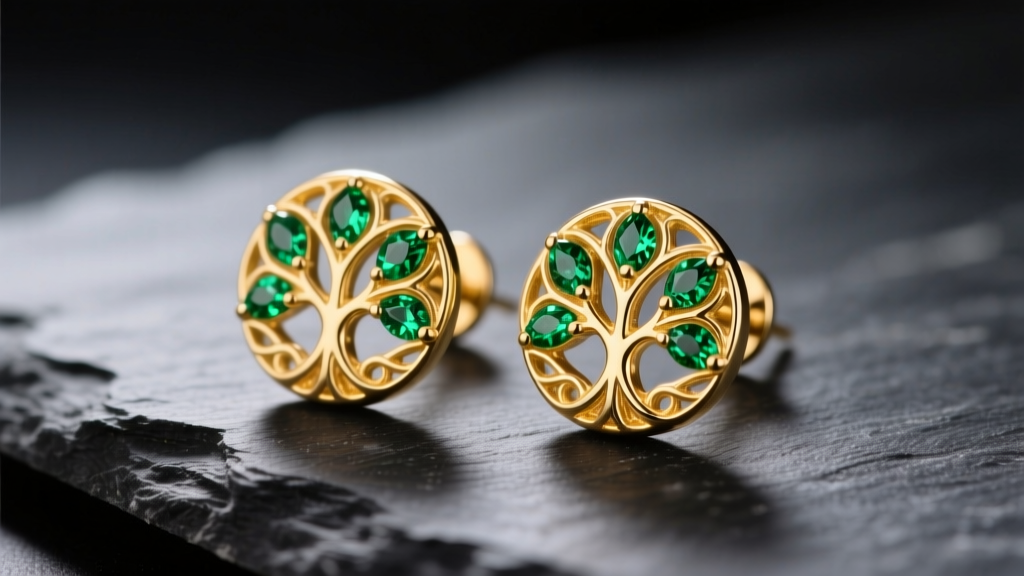
The Enduring Appeal of Tree Earrings
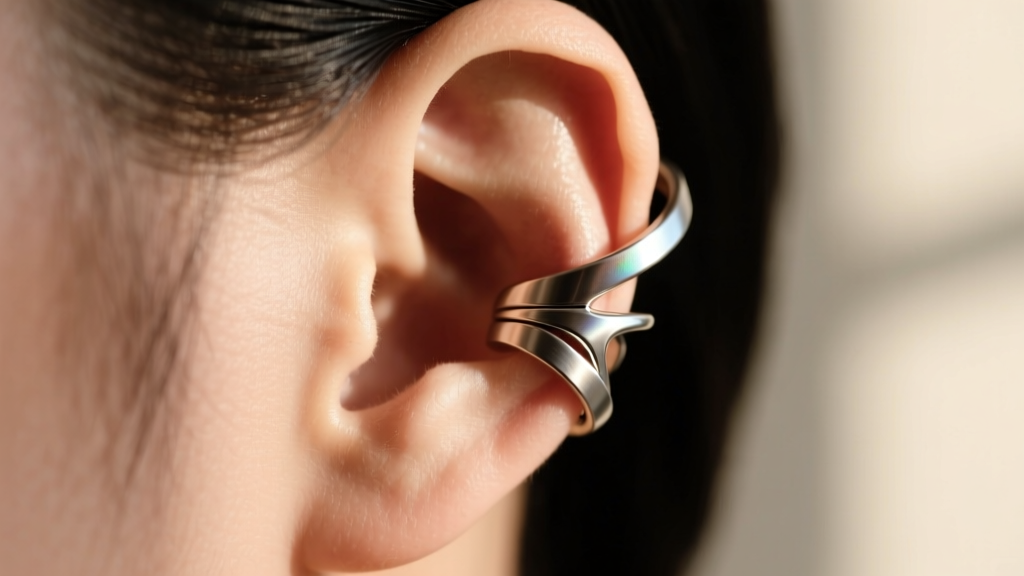
Tree earrings have transcended fleeting jewelry trends to become a staple in both minimalist and bohemian collections. Symbolizing deep roots, expansive growth, and the interconnectedness of life, the "Tree of Life" motif carries profound personal meaning for many wearers. However, from a structural and metallurgical standpoint, tree-inspired jewelry presents unique challenges. The intricate network of branches and delicate leaf cutouts requires precise engineering to prevent snagging, bending, or premature wear. Whether you are shopping for a subtle stud, a dramatic dangle, or a modern ear cuff, understanding the anatomy and material science of tree earrings is essential for making a lasting investment.
This comprehensive buying guide breaks down the critical factors you must evaluate before purchasing tree earrings, from manufacturing techniques and metal grades to gauge thickness and long-term maintenance. By focusing on these technical specifics, you can avoid common pitfalls like lobe stretching, branch fractures, and allergic reactions.
Anatomy and Construction: Cast vs. Laser-Cut
The manufacturing method used to create tree earrings dictates their durability, weight, and level of detail. When evaluating a pair, look closely at how the branches and trunk are formed.
Lost-Wax Casting
Most mass-produced and 3D-textured tree earrings are made via lost-wax casting. This method excels at creating organic, bark-like textures and rounded, three-dimensional trunks. However, casting has a major vulnerability: porosity in thin extremities. If a silver or gold branch is cast thinner than 1.5mm, it can become brittle and prone to snapping if caught on a sweater. When buying cast tree dangles, gently flex the thinnest branches; they should have a slight give, not feel rigidly stiff.
Laser-Cut Sheet Metal
For intricate, two-dimensional tree silhouettes, laser cutting is the superior method. Jewelers use 22-gauge (0.64mm) or 24-gauge (0.51mm) sheet metal to achieve razor-sharp branch cutouts. Laser-cut earrings offer exceptional tensile strength because the metal's grain structure remains unbroken. They are significantly lighter than cast pieces, making them ideal for large, dramatic tree dangles that won't weigh down your earlobes.
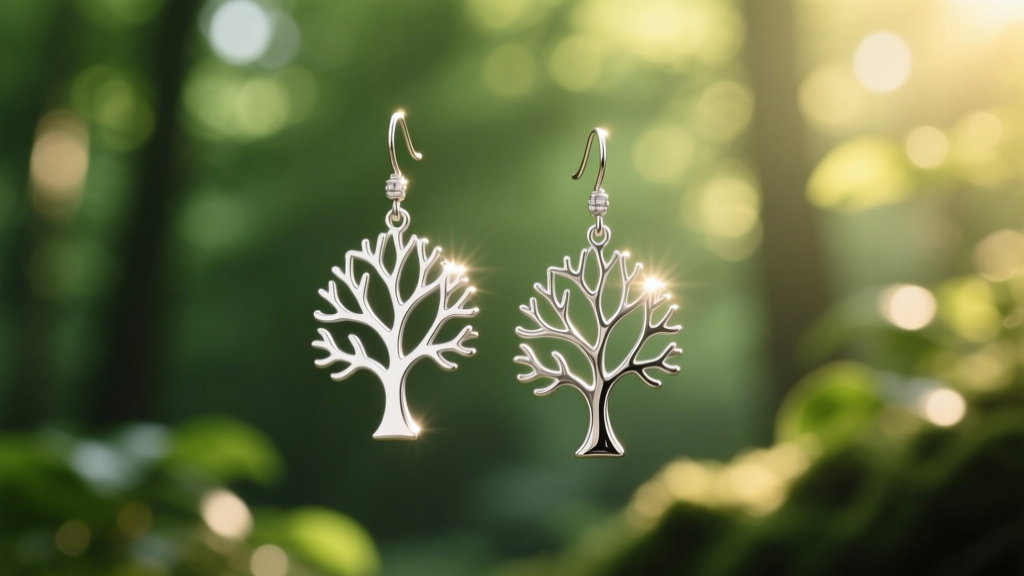
Metallurgy: Choosing the Right Alloy
The metal you choose affects not only the price but also the structural integrity of the delicate branches and your skin's reaction. Below is a comparison of the most common metals used in nature-inspired jewelry.
| Metal / Grade | Pros for Tree Designs | Cons & Considerations | Price Range |
|---|---|---|---|
| Implant-Grade Titanium (ASTM F136) | 100% hypoallergenic, ultra-lightweight, highly resistant to bending. | Difficult to cast; usually limited to laser-cut or machined designs. | $35 - $85 |
| 14k Gold (Yellow/White/Rose) | Excellent balance of hardness and malleability; resists tarnish. | White gold requires rhodium replating; higher upfront cost. | $150 - $600+ |
| Sterling Silver (925) | Affordable, takes a high polish, great for oxidized bark textures. | Soft metal; thin branches bend easily. Tarnishes in deep crevices. | $25 - $90 |
| Brass / Bronze | Beautiful earthy tones, very affordable, strong structural rigidity. | High copper content can cause green skin and contact dermatitis. | $15 - $40 |
For those with nickel allergies or sensitive piercings, always verify that the earring posts are made of surgical steel or, ideally, ASTM F136 compliant titanium. Many budget-friendly tree earrings feature a sterling silver or brass body but use cheap nickel-alloy posts, which will cause irritation within hours.
Gauge Sizing and Weight Distribution
The physical dimensions of the earring post and the center of gravity are critical for comfort, especially with top-heavy tree designs.
Post Thickness (Gauge)
Standard earlobe piercings are typically 20-gauge (0.81mm) or 18-gauge (1.02mm). For small tree studs, a 20g post is perfectly adequate. However, if you are purchasing tree dangles that measure over 40mm in length, insist on an 18-gauge post. The thicker wire provides the necessary rigidity to support the weight of the dangle without bending backward when you put them on.
Preventing Lobe Stretching and Forward Droop
A common issue with elaborate tree of life dangles is the "forward droop," where the weight of the branches pulls the earring down, making it face the floor rather than sitting flush against the lobe. To combat this, look for designs that incorporate a counterweight at the top of the hook, or opt for French wire hooks paired with high-grip silicone o-rings. According to jewelry ergonomics, keeping the heaviest part of the design (the trunk) within 15mm of the piercing hole dramatically reduces leverage and prevents long-term lobe stretching.
Gemstone Accents and Enamel Integration
Many tree earrings incorporate color through gemstone "leaves" or enamel work on the trunk. Understanding the difference in material quality will save you from premature fading or stone loss.
Vitreous vs. Cold Enamel
If you are buying enameled tree earrings, check whether the jeweler uses vitreous (kiln-fired glass) enamel or cold (epoxy resin) enamel. Vitreous enamel is fused to the metal at over 1400°F, resulting in a hard, scratch-resistant, and UV-stable finish that will never yellow. Cold enamel is essentially painted resin; while cheaper and capable of brighter colors, it will scratch, chip, and yellow when exposed to sunlight and perfumes over time.
Gemstone Settings
When leaves are represented by gemstones, prong settings are common. However, in a design with dozens of tiny leaves, prongs can easily catch on hair and clothing. Bezel settings or flush (gypsy) settings are vastly superior for tree earrings, as they encase the gemstone's girdle in metal, creating a smooth, snag-proof surface. If the design features emeralds or opals, be aware that these stones are highly included and fragile; they require protective settings to survive daily wear.
Maintenance, Cleaning, and Snag-Proofing
The intricate bark textures and branch intersections of tree earrings are notorious traps for sebum, dead skin cells, and cosmetics. Proper maintenance is non-negotiable to keep the piece looking pristine.
- Daily Wiping: Use a dry, lint-free microfiber cloth to wipe down the earrings after each wear. This removes acidic sweat before it can etch into sterling silver or brass.
- Deep Cleaning Crevices: Avoid ultrasonic cleaners if your tree earrings feature soft gemstones like turquoise, opals, or emeralds, as the high-frequency vibrations can cause internal fractures. Instead, the Gemological Institute of America (GIA) recommends using a soft-bristled baby toothbrush dipped in a solution of warm water and a few drops of mild, phosphate-free dish soap. Gently agitate the bristles into the bark crevices, rinse with distilled water, and pat dry.
- Storage: Never toss tree dangles loosely into a jewelry box. The branches will inevitably tangle with chains or snap under the weight of heavier pieces. Store them flat in a dedicated compartment or hang them from a specialized earring tree stand.
"The beauty of a tree earring lies in its negative space. When buying, always hold the piece up to the light. If the cutouts look jagged or the edges feel sharp to the touch, the piece was poorly finished and will inevitably snag your favorite garments." — Master Bench Jeweler
For more comprehensive advice on maintaining fine jewelry, consult the care guidelines provided by Jewelers of America. By prioritizing structural integrity, hypoallergenic metals, and proper weight distribution, your tree earrings will remain a beautiful, wearable symbol of growth and resilience for years to come.


