Ultimate Care and Cleaning Guide for Twist Hoop Earrings
Learn how to properly clean, maintain, and store your twist hoop earrings to prevent tarnish, metal fatigue, and clasp failure with expert tips.

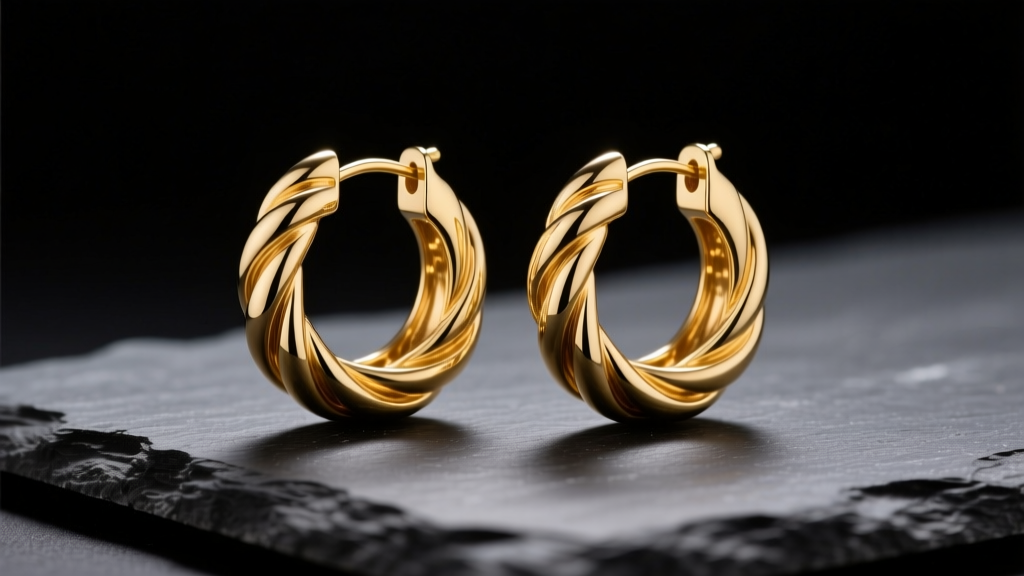
Twist hoop earrings offer a sophisticated, light-catching alternative to standard smooth hoops. However, the very design that makes them visually striking—the spiraled, grooved wire—creates a microscopic landscape that traps sebum, dead skin cells, lotions, and environmental pollutants. Unlike flat surfaces where debris easily wipes away, the deep valleys of a twisted wire require specialized care to maintain their brilliance and structural integrity. Whether you own 14k solid gold, sterling silver, or gold vermeil twist hoops, understanding the metallurgy and mechanics of your jewelry is essential for long-term preservation.
The Anatomy of Dirt Traps in Twist Hoops
The surface area of a twist hoop is significantly larger than that of a smooth wire of the same gauge and diameter. A standard 2mm smooth wire hoop has a predictable surface area, but twisting that wire increases the exposed surface area by up to 30%. This means more light reflection, but also 30% more area for tarnish-causing sulfur compounds and skin oils to accumulate.
Furthermore, the clasp mechanism—typically a latch-back or click-top hinge on standard twist hoops—is a primary failure point for hygiene. The hollow tubing of the latch and the tiny metal pin that secures it are notorious for collecting compacted lotion and skin debris, which can eventually prevent the clasp from clicking shut securely.
Material-Specific Cleaning Protocols
Not all twist hoop earrings can be treated equally. The base metal and any surface plating dictate the chemical and mechanical forces you can safely apply.
Sterling Silver (925)
Sterling silver contains 7.5% copper, which reacts with atmospheric sulfur to form silver sulfide (tarnish). In the deep grooves of a twist hoop, this tarnish appears as dark, stubborn streaks. While commercial silver dips (thiourea-based solutions) can remove tarnish instantly, they are highly corrosive and can leave microscopic pits in the metal if not rinsed perfectly. For twist hoops, a gentle mechanical removal using a specialized silver polishing cloth is preferred, though reaching the bottom of the grooves requires a soft-bristled brush and a mild baking soda paste.
Gold Vermeil and Plated Hoops
Gold vermeil requires a minimum of 2.5 microns of gold over a sterling silver base. Never use ultrasonic cleaners on vermeil twist hoops. Ultrasonic machines operate at frequencies between 20-40 kHz, creating microscopic vacuum bubbles that implode against the metal surface (cavitation). While excellent for dislodging sebum from smooth posts, this cavitation acts like a microscopic sandblaster on gold plating. On a twist hoop, where the gold is already subjected to higher friction on the raised ridges, ultrasonic waves will accelerate plating delamination, exposing the silver core beneath.
Solid 14k and 18k Gold
Solid gold is highly resistant to tarnish and corrosion. According to the Gemological Institute of America (GIA), solid gold can safely withstand mild ultrasonic cleaning and stronger surfactants. However, if your twist hoops feature soldered joints at the clasp or hinge, prolonged exposure to harsh chemicals can degrade the solder over time.
Step-by-Step Deep Cleaning Method
For routine maintenance of solid gold and sterling silver twist hoops, follow this expert-approved deep cleaning protocol to safely extract debris from the spiraled grooves without scratching the metal.
- Prep the Solution: Mix three drops of pH-neutral dish soap (like Dawn) into a bowl of warm distilled water. Avoid tap water, as dissolved minerals can leave hard water spots in the crevices.
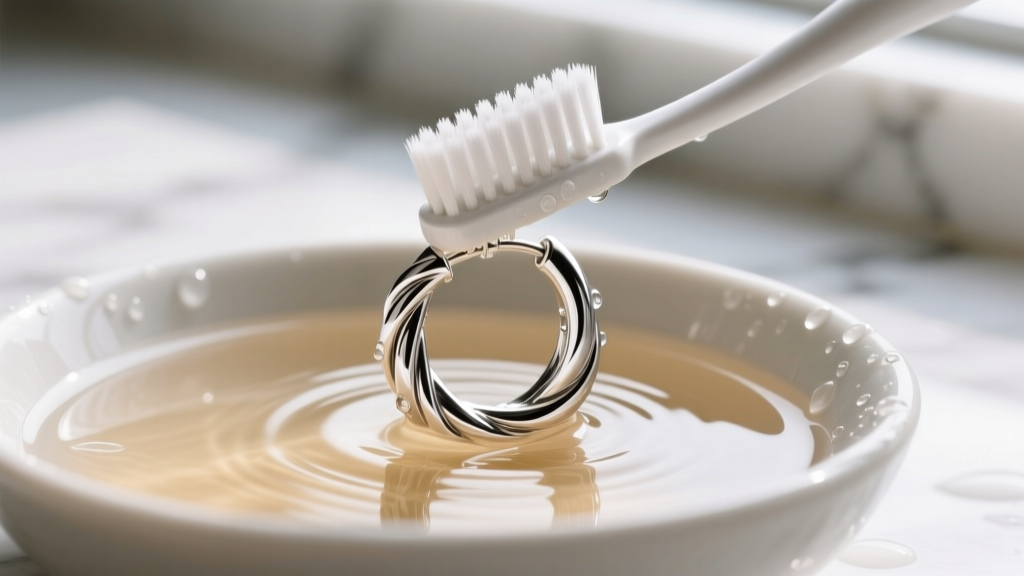
- Soak: Submerge the earrings for 5 to 10 minutes. This allows the surfactants to break the surface tension and lift oils trapped deep within the twist pitch.
- Agitate: Use an extra-soft baby toothbrush. Standard toothbrushes have bristles that are too stiff and can leave micro-scratches on high-polish 18k gold. Brush along the direction of the twist, not against it, to push debris out of the grooves.
- Rinse and Dry: Rinse under distilled water. Do not use cotton swabs or tissues to dry, as they will leave lint snagged in the spirals. Instead, use a blast of compressed air (held at least 6 inches away) or a clean, lint-free microfiber cloth to gently pat dry.
Cleaning Agents: Compatibility Chart
Using the wrong chemical agent can permanently damage the finish of your earrings. Refer to this compatibility matrix before applying any cleaner to your twist hoops.
| Cleaning Agent | Sterling Silver | Solid 14k/18k Gold | Gold Vermeil / Plated |
|---|---|---|---|
| pH-Neutral Dish Soap | Safe (Excellent) | Safe (Excellent) | Safe (Excellent) |
| Isopropyl Alcohol (70%) | Safe (Use sparingly) | Safe | Avoid (Dries plating) |
| Ultrasonic Cleaner | Safe (If no stones) | Safe | STRICTLY AVOID |
| Baking Soda Paste | Safe (Mild abrasive) | Avoid (Scratches gold) | STRICTLY AVOID |
| Commercial Silver Dip | Use with extreme caution | Not Required | STRICTLY AVOID |
Preventing Metal Fatigue and Clasp Failure
Care isn't just about cleaning; it is also about structural preservation. Metal fatigue is the leading cause of breakage in continuous twist hoops and wire-wrapped styles. When dealing with continuous twist hoops (which lack a hinge and clasp), the method you use to open the earring dictates its lifespan.
Bending the wire laterally—pulling the ends apart like a staple—induces severe shear stress on the metal's crystalline lattice. Over time, this causes work hardening, making the metal brittle until it snaps cleanly at the weakest point, usually near the post or the thinnest part of the twist. Instead, use the torsional 'push-pull' method: hold one side of the hoop steady and gently twist the other side toward you or away from you along the axis of the wire. This torsional stress is far easier for the metal to recover from and preserves the structural integrity of the wire.
For latch-back twist hoops, the Jewelers of America recommends periodically checking the tension of the clasp pin. If the pin becomes loose due to repeated opening and closing, a jeweler can easily tighten it with specialized pliers before the earring is lost.
Proper Storage to Prevent Tangling and Scratching
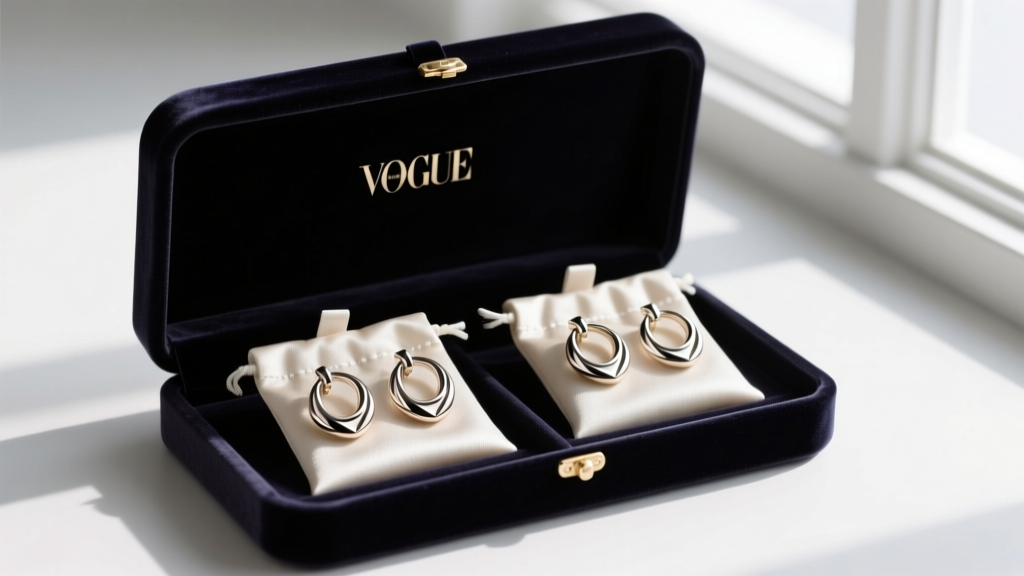
How you store your twist hoop earrings is just as critical as how you clean them. The raised ridges of a twisted wire act like tiny files against softer metals. If you toss multiple twist hoops into a single jewelry box compartment, they will inevitably tangle, and the friction will cause micro-scratches and accelerate wear on any plating.
To maintain their pristine condition, store each pair of twist hoops in an individual anti-tarnish cloth pouch or a sealed polyethylene bag with a 3M anti-tarnish strip. The strips absorb atmospheric sulfur and moisture, effectively halting the oxidation process before it can begin in the deep grooves of the metal. Always ensure the earrings are 100% dry before sealing them in plastic, as trapping moisture will create a humid microclimate that promotes rapid tarnishing and potential skin irritation upon the next wear.
Conclusion
Maintaining the intricate beauty of twist hoop earrings requires moving beyond generic jewelry cleaning advice. By understanding the specific vulnerabilities of your metal type, avoiding destructive cleaning methods like ultrasonic cavitation on plated pieces, and employing proper mechanical techniques to prevent metal fatigue, you can ensure your twist hoops remain a staple in your rotation for decades. Regular, gentle cleaning combined with meticulous storage will keep the spirals catching the light exactly as they were designed to.


