Who Invented Earrings? Tracing Origins to Modern Value
Discover who invented earrings and how ancient Sumerian and Egyptian styles translate to modern budgets. Compare materials, pricing, and true value.

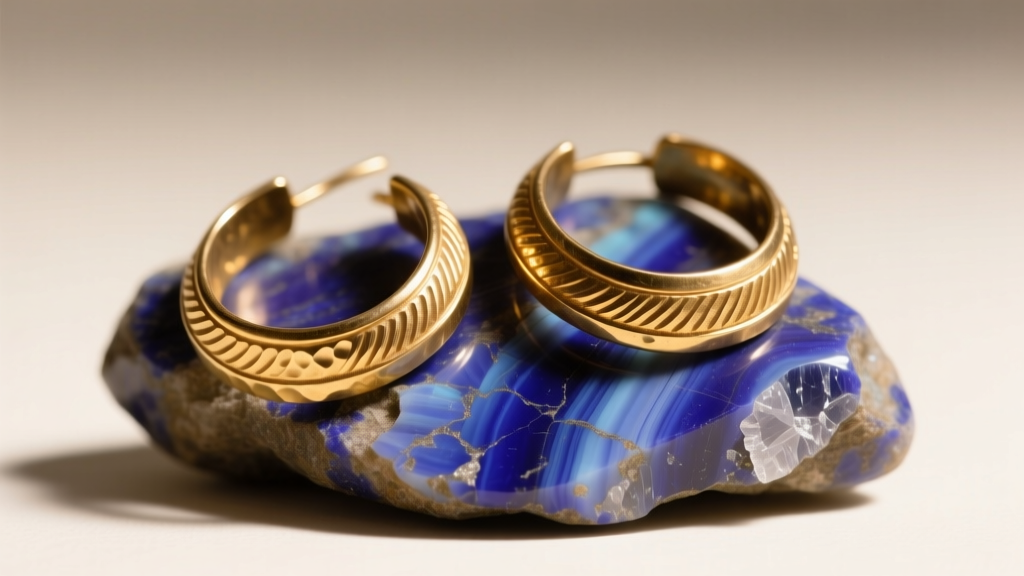
When we ask who invented earrings, we are not just inquiring about a historical trivia fact; we are uncovering the blueprint for modern jewelry valuation. The desire to adorn the earlobe and cartilage is one of the oldest human impulses, predating written language. Today, as consumers navigate a saturated 2026 jewelry market filled with fast-fashion alloys and inflated luxury markups, understanding the ancient origins of earrings provides a unique framework for assessing budget, material integrity, and long-term value.
By tracing the lineage of the earliest ear ornaments, we can decode which historical styles hold genuine investment value today, which materials are worth your hard-earned money, and how to build a historically inspired ear stack without compromising on modern biocompatibility or your budget.
The Sumerian Blueprint: Who Invented Earrings?
The earliest definitive answer to who invented earrings points to the ancient Sumerians in Mesopotamia, circa 2500 BCE. Excavations at the Royal Cemetery of Ur, particularly the tomb of Queen Puabi, revealed elaborate gold hoops, crescent-shaped pendants, and intricate beaded drops. According to the Metropolitan Museum of Art, these early Sumerian artisans were pioneers in metalworking, utilizing advanced techniques like granulation and filigree to craft lightweight yet visually massive gold earrings.
However, the Sumerians were not alone. Shortly after, ancient Egyptian and Minoan cultures developed their own variations. The Egyptians favored heavy, statement-making drop earrings crafted from gold and faience, while the Minoans on Crete introduced intricate, multi-tiered dangles. The core takeaway for the modern buyer? The fundamental styles we wear today—hoops, drops, and dangles—were perfected over 4,000 years ago. The true variable in modern value assessment is no longer the design, but the material execution.
Ancient Materials vs. Modern Budget Alternatives
Ancient royalty relied on solid gold, electrum, and precious gemstones like lapis lazuli and carnelian. Today, solid 18k gold hoops can easily exceed $1,500, placing historical luxury out of reach for many. To assess true value, we must compare ancient materials to their modern, budget-friendly equivalents, evaluating them on durability, skin safety, and aesthetic parity.
| Ancient Material | Modern Equivalent | Estimated Budget Price | Value Assessment & Longevity |
|---|---|---|---|
| Solid Gold / Electrum | 14k Gold Fill (GF) | $45 - $95 | Excellent. Thick 14k gold layer bonded to brass. Lasts decades with proper care. |
| Raw Lapis Lazuli | Synthetic Lapis / Dyed Howlite | $25 - $60 | Good. Visually identical, but lacks the energetic and investment value of natural stone. |
| Copper / Bronze Alloys | ASTM F136 Titanium (PVD Coated) | $30 - $75 | Superior. Hypoallergenic, lightweight, and PVD coating prevents the 'green skin' effect of ancient coppers. |
| Carved Bone / Ivory | Carved Resin or Tagua Nut | $15 - $40 | Fair. Sustainable and lightweight, but prone to scratching and moisture damage. |
For the budget-conscious collector, 14k gold fill and PVD-coated titanium offer the highest return on investment (ROI). Unlike cheap flash-plated brass—which degrades within months and causes contact dermatitis—these modern materials mimic the opulence of ancient Ur while respecting modern dermatological standards, as noted in studies on metal allergies by the National Center for Biotechnology Information.
Decoding the Value of Historical Earring Styles
Understanding the origin of specific earring silhouettes helps you identify which pieces are timeless investments versus fleeting trends. Let us break down the big three.

The Hoop Earring: From Sumeria to 2026 Streetwear
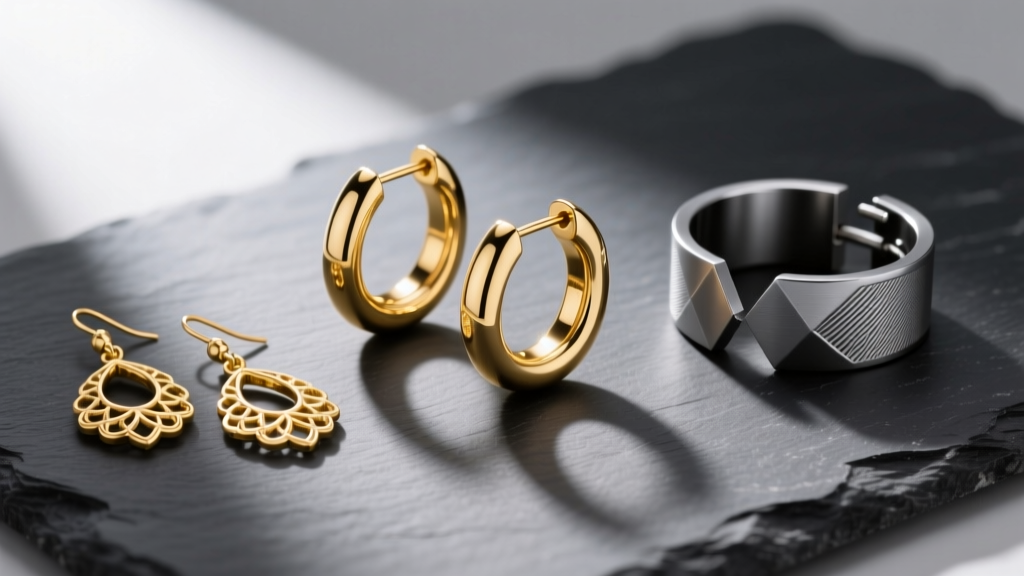
The hoop is the undisputed original earring. Sumerian hoops were often thick, heavy crescents that tapered at the ends. Today, the 'huggie' hoop—a smaller, thicker variation that hugs the earlobe—is a direct descendant. When budgeting for hoops, prioritize structural integrity. A hollow-tube 14k gold hoop ($150) will dent easily and lose its resale value. A solid-core 10k or 14k gold hoop ($250-$400) or a high-quality 18-gauge (1.0mm) gold-fill wire hoop ($60) offers vastly superior longevity and daily wear value.
Drop Earrings and Dangles: The Egyptian Influence
Ancient Egyptians popularized the drop earring, often using gold wires to suspend beads of turquoise and lapis lazuli. The mechanical failure point in modern drop earrings is the jump ring connecting the drop to the ear wire. When assessing value in the $40–$100 range, inspect the soldering on these jump rings. If they are unsoldered (a simple gap in the metal), the drop will eventually catch on clothing and snap. Always pay a 15% premium for fully soldered connections in drop styles.
Cartilage and Ear Cuffs: The Nomadic Echo
While lobe piercing was universal, cartilage adornment was heavily favored by nomadic Scythian and Thracian tribes, who wore elaborate ear cuffs and multi-piercing arrays to display wealth without the risk of tearing stretched lobes in combat. Modern ear cuffs offer incredible budget value because they require no piercing at all. A solid sterling silver ear cuff ($30) provides the exact same visual impact as a $400 diamond cartilage stud, making it the ultimate high-impact, low-budget historical homage.
The Buyer’s Framework: Assessing True ROI
To build a historically inspired, budget-conscious collection, apply this three-tier assessment framework before purchasing:
- Tier 1: The Foundation (Allocate 60% of Budget) Invest in ASTM F136 implant-grade titanium or solid 14k gold for your primary lobe piercings (usually 18G or 20G). These are your 'Sumerian hoops'—the pieces you never take off. Biocompatibility is non-negotiable here.
- Tier 2: The Statement (Allocate 30% of Budget) Use true gold vermeil (a minimum of 2.5 microns of gold over sterling silver) for heavy Egyptian-style drops or elaborate dangles. Vermeil offers the weight and drape of solid gold at a fraction of the cost, provided you keep it away from harsh chemicals.
- Tier 3: The Accents (Allocate 10% of Budget) Spend minimally on ear cuffs, cartilage chains, and novelty threaders. These are trend-driven and mechanically fragile; there is no financial justification for buying these in solid precious metals.
Maintenance Costs and Long-Term Value
The true cost of an earring includes its maintenance. Ancient gold required little upkeep, but modern budget alternatives demand specific care to maximize their lifespan. Gold vermeil and gold-fill pieces must be stored in anti-tarnish cloth pouches. PVD-coated titanium, while incredibly durable against scratching, can be compromised by harsh ultrasonic cleaners. For a $50 pair of gold-fill hoops, a $10 polishing cloth and proper storage extend the life of the piece from two years to ten years, effectively reducing your cost-per-wear to pennies.
Final Verdict: Where Should Your Budget Go?
So, who invented earrings? The Sumerians and Egyptians laid the aesthetic groundwork, but modern metallurgy has democratized the luxury they reserved for royalty. You do not need a $2,000 budget to capture the majesty of ancient ear adornment. By prioritizing 14k gold fill for hoops, PVD-coated titanium for cartilage, and strictly avoiding flash-plated base metals, you honor the historical legacy of the earring while making a financially sound, skin-safe investment for your modern wardrobe. True value lies not in the karat weight stamped on the back, but in the craftsmanship, material safety, and timelessness of the silhouette.
For further exploration into ancient jewelry archives and historical adornment, the British Museum offers extensive digital collections that continue to inspire modern, budget-friendly jewelry designers today.


