Fixing Slave Ring Jewelry: Sizing, Snags, and Chain Repairs
Solve common slave ring jewelry problems. Learn expert fixes for sizing mismatches, chain tangling, jump ring breakage, and metal allergies.

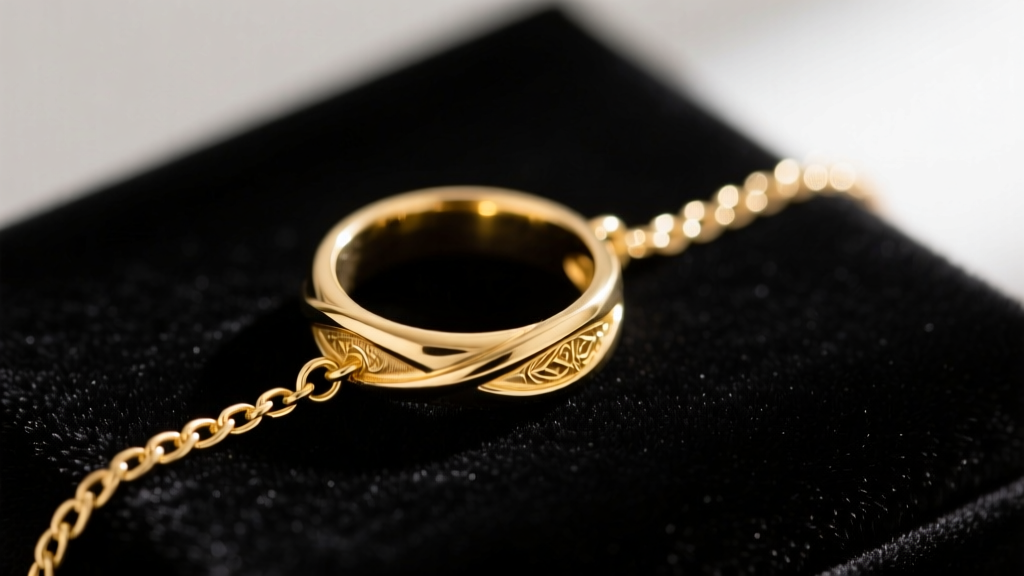
Slave ring jewelry—often referred to as hand chains, ring-to-bracelet harnesses, or slave bracelets—creates a stunning, bohemian aesthetic by physically linking a finger ring to a wrist bracelet. However, the complex mechanics of bridging two separate joints (the finger and the wrist) introduce unique structural vulnerabilities. From tension-induced chain snapping to severe knuckle friction, these pieces require specialized troubleshooting. This guide dives deep into the metallurgical and structural solutions for the most common failures in hand chain jewelry.
The Anatomy of Hand Chain Sizing Failures
The most frequent complaint with slave ring jewelry is uncomfortable tension. Unlike a standard ring, a hand chain must accommodate the dynamic expansion of your hand when making a fist. If the chain is measured statically while the hand is relaxed, the drape will pull aggressively against the proximal phalanx (the base of the finger) and the carpal bones during movement.
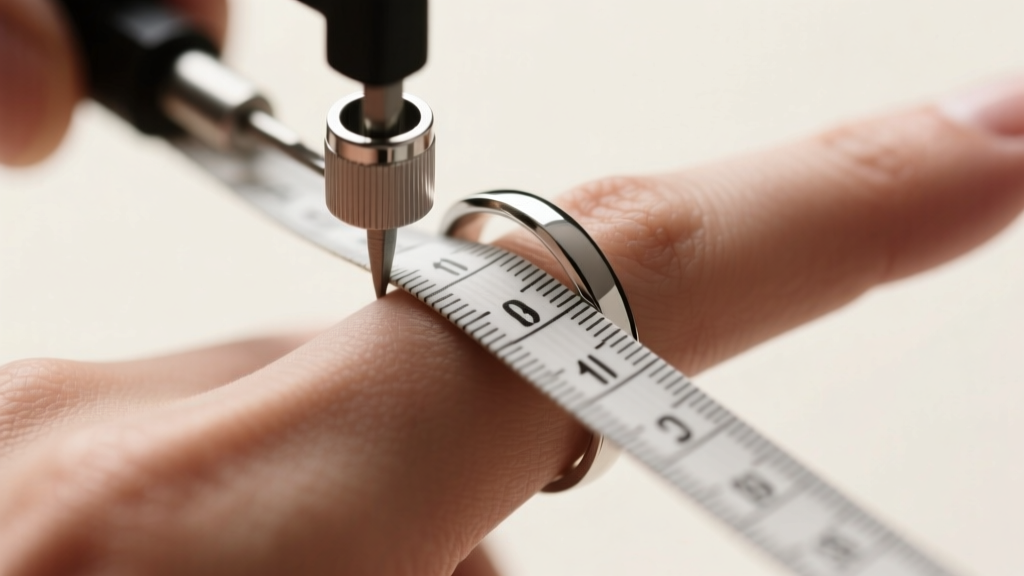
Calculating the Dynamic Drape
To troubleshoot a chain that pulls on the knuckle, you must measure the dynamic drape length. Measure from the base of the finger, over the metacarpal bones, to the wrist joint while the hand is fully flexed into a fist. A standard static drape is usually 2.5 to 3.0 inches, but a dynamic drape often requires 3.25 to 3.75 inches depending on hand width. If your current chain is too tight, do not attempt to stretch it, which will warp the links. Instead, have a jeweler insert a custom extender chain or replace the drape entirely with a flexible wheat (spiga) weave, which offers superior articulation.
Troubleshooting Chain Snags and Tangles
Because hand chains are exposed to constant friction against clothing and daily objects, the choice of chain weave dictates the lifespan of the piece. Standard cable chains are notorious for catching on knitwear and hair, leading to microscopic link deformation and eventual snapping.
Chain Weave Durability Matrix
| Chain Weave | Snag Resistance | Tensile Strength | Best Use Case |
|---|---|---|---|
| Cable | Low | Moderate | Lightweight, occasional wear |
| Rolo | Moderate | High | Everyday wear, easy to repair |
| Wheat (Spiga) | Very High | Very High | High-tension drapes, active wear |
| Snake | High | Low (Kinks easily) | Avoid for hand chains |
| Figaro | Moderate | High | Statement pieces, thicker gauges |
If your current chain constantly tangles, the issue is likely the link aspect ratio. Links that are too long and narrow act like hooks. Switching to a Rio Grande recommended rolo or wheat chain with a low profile will drastically reduce snagging incidents.
Solving Connection Point Breakages
The absolute weakest point on any piece of slave ring jewelry is the jump ring connecting the chain to the ring band. When lateral force is applied (such as the chain catching on a door handle), standard split jump rings will simply pry open, dropping the chain.
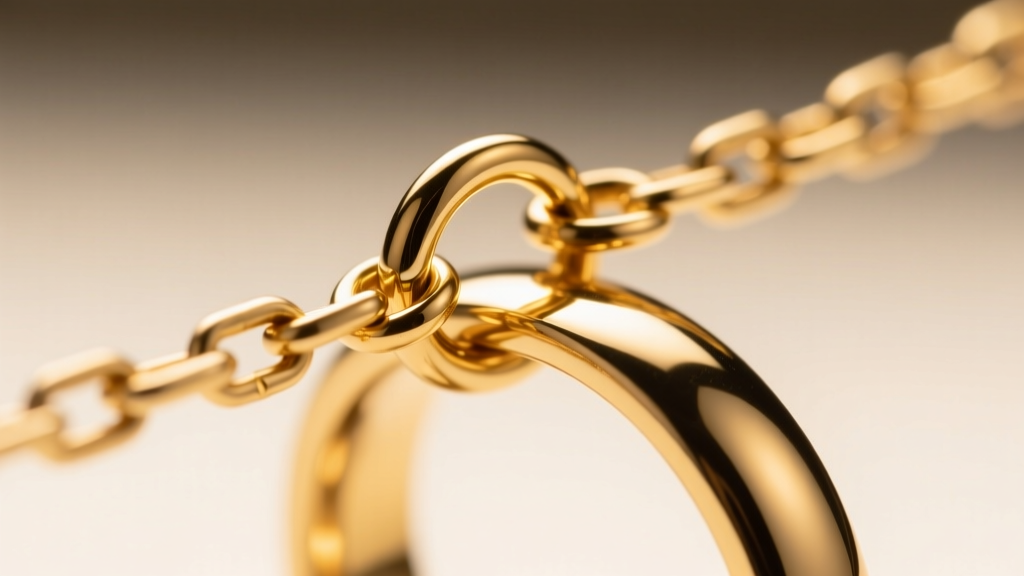
Upgrading to Soldered and Riveted Links
To permanently solve connection failures, you must upgrade the hardware. Standard split jump rings are typically 22-gauge (0.64mm) or 20-gauge (0.81mm) wire, which is far too soft to withstand lateral hand-chain tension. Take your jewelry to a bench jeweler and request the following upgrades:
- Wire Gauge: Upgrade the connection jump ring to 18-gauge (1.02mm) or 16-gauge (1.29mm) wire.
- Closure Method: Demand a soldered jump ring. Soldering fuses the seam with hard silver or gold solder, making it physically impossible to pry open without snapping the wire itself.
- Inner Diameter (ID): Ensure the ID of the jump ring is just large enough to pass through the chain link and the ring's soldered loop (usually 2.5mm to 3.0mm). Excess space allows the chain to bunch and grind against the seam.
Metal Allergies and Discoloration Fixes
The skin on the dorsal side of the hand is thin and highly susceptible to contact dermatitis. Many mass-produced hand chains utilize brass bases with thin gold plating, or standard white gold alloys containing nickel. As the chain constantly rubs against the metacarpals, the friction accelerates the leaching of allergenic metals.
Expert Insight: According to the American Academy of Dermatology, nickel is the most common culprit in jewelry-induced contact dermatitis. If your slave ring leaves a red, itchy rash across the back of your hand, the chain links are likely harboring nickel alloys.
Hypoallergenic Material Swaps
If you are experiencing skin discoloration (the dreaded 'green finger' or wrist), the issue is copper oxidation reacting to your skin's pH. To troubleshoot this without abandoning the piece, consider the following material interventions:
- Rhodium Plating: Have the chain heavily plated in rhodium to create an inert barrier between the base metal and your skin. This must be reapplied every 12-18 months.
- Argentium Silver: If commissioning a custom replacement chain, specify Argentium 960 silver. It contains germanium, which forms a transparent, anti-tarnish oxide layer, preventing the copper-alloy green stain.
- Palladium White Gold: If upgrading to gold, ensure the alloy is palladium-based rather than nickel-based, as verified by GIA metallurgical standards.
Preventative Care and Maintenance Routine
Proper maintenance of slave ring jewelry requires abandoning traditional ultrasonic cleaners. The high-frequency cavitation in ultrasonic machines can cause delicate hand chains to whip around, tangling irreparably or snapping the soldered ring loops. Instead, implement this manual cleaning protocol:
- Prep: Lay the hand chain flat on a microfiber towel to prevent tangling.
- Cleanse: Apply a few drops of mild, phosphate-free dish surfactant to a soft-bristled baby toothbrush.
- Agitate: Gently brush the chain links and the ring band, paying special attention to the jump ring connection points where lotion and dead skin accumulate.
- Rinse & Dry: Rinse under lukewarm distilled water (to prevent hard water spots) and pat completely dry with a lint-free cloth before storing flat.
By addressing the structural geometry of the drape, upgrading the metallurgical weak points, and selecting the correct chain weave, you can transform a fragile slave ring into a durable, everyday statement piece that moves flawlessly with your hand.