How to Authenticate and Restore Vintage Costume Jewelry Rings
Learn how to authenticate, safely clean, and resize vintage costume jewelry rings without damaging fragile plating or foil-backed rhinestones.

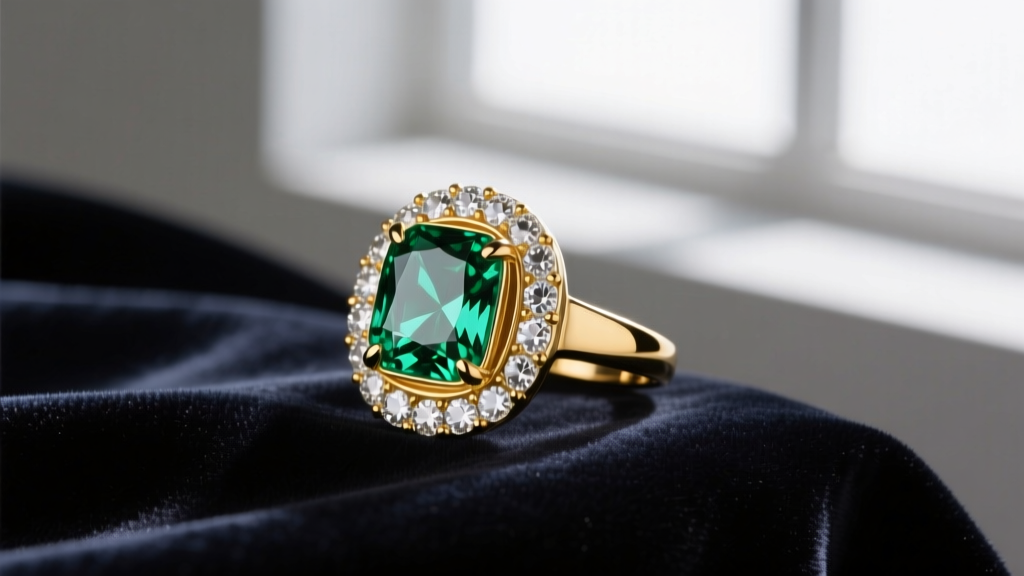
The Allure and Fragility of Mid-Century Costume Rings
Collecting and wearing vintage costume jewelry rings offers a unique window into the design sensibilities of the Art Deco, Retro, and Mid-Century Modern eras. However, unlike fine jewelry crafted from solid gold or platinum, costume pieces present a distinct set of metallurgical and structural challenges. Most vintage costume jewelry rings produced between the 1920s and 1970s were constructed from base metals—such as brass, copper, pewter, or 'pot metal' (a brittle zinc-lead-tin alloy)—and finished with thin layers of electroplated gold wash, rhodium, or vermeil.
Because these materials are highly reactive and structurally unforgiving, standard jewelry repair and cleaning techniques can be catastrophic. Applying a jeweler's torch to a pot metal shank will melt the alloy and incinerate the adhesive holding glass cabochons in place. Similarly, dropping a foil-backed rhinestone ring into an ultrasonic cleaner will shatter the delicate silver foil, turning vibrant stones dull gray. This comprehensive guide will walk you through the exact protocols for authenticating, cleaning, and resizing vintage costume jewelry rings while preserving their historical and material integrity.
Step 1: Authenticating Your Vintage Costume Jewelry Rings
Authentication requires looking beyond the aesthetic and examining the manufacturing techniques and material markers specific to certain decades. According to the V&A Museum's guide to costume jewelry, the transition from hand-set stones to machine-stamped settings in the 1950s provides crucial clues for dating unmarked pieces.
Hallmarks and Maker's Marks
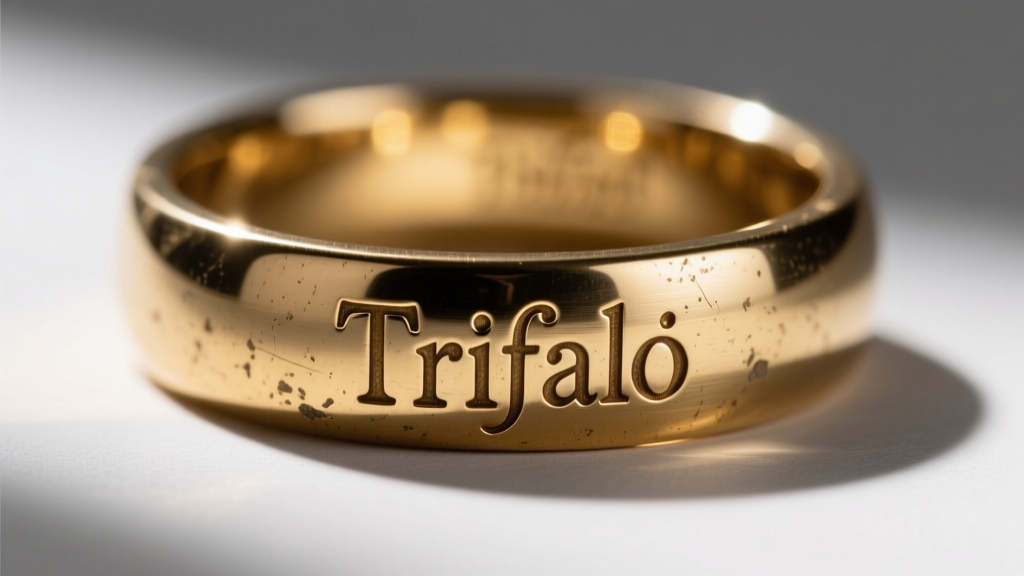
Always inspect the inner band and the back of the setting with a 10x jeweler's loupe. High-end costume jewelers like Trifari, Coro, Miriam Haskell, and Eisenberg meticulously stamped their work. Note that Trifari's markings evolved: pieces marked 'KTF' or 'Trifari' without a crown generally predate 1955, while the 'Crown Trifari' mark indicates a post-1955 production. Be highly suspicious of pieces where the hallmark appears deeply stamped but the surrounding metal shows no wear; this often indicates a modern reproduction cast from a vintage mold.
Stone Setting and Foil-Back Diagnostics
Examine how the stones are secured. Pre-1940s high-end costume rings typically feature prong-set rhinestones with open backs, allowing light to pass through. By the 1950s, manufacturers increasingly relied on glue-set stones in closed, foil-backed cups to enhance brilliance. If you are evaluating a ring with a suspected Bakelite stone or accent, perform a Simichrome polish test. Apply a small amount of pink Simichrome polish to a cotton swab and rub an inconspicuous area of the stone. If the swab turns a distinct mustard yellow, the material is genuine Bakelite; if it remains pink, it is likely later Lucite or celluloid.
Step 2: Safe Cleaning Protocols (Avoid the Ultrasonic Trap)
The most common mistake novices make is treating vintage costume jewelry rings like fine jewelry. Ultrasonic cleaners use high-frequency cavitation bubbles that will violently strip the silver foil backing off rhinestones and shake loose age-brittle glue. Furthermore, submerging these rings in water traps moisture inside closed-back settings, causing the foil to oxidize and the base metal to rust from the inside out.
| Material / Component | Safe Cleaning Agent | Strictly Avoid | Risk Factor |
|---|---|---|---|
| Foil-Backed Rhinestones | Dry, soft-bristle brush; glass cleaner on a Q-tip (avoiding the foil) | Water, Ultrasonic, Steam | Foil oxidation, adhesive failure |
| Gold Wash / Rhodium Plating | Mild dish soap, distilled water, microfiber cloth | Silver polish, abrasive pastes | Stripping of the microscopic plating layer |
| Bakelite / Lucite | Mineral oil on a soft cloth | Alcohol, Acetone, Hot water | Crazing, cracking, melting of plastic |
| Pot Metal Base | Dry polishing cloth with anti-tarnish properties | Any liquid, chemical dips | Accelerated 'zinc pest' and pitting |
For general surface grime on metal bands, mix a few drops of pH-neutral dish soap into a bowl of distilled water. Dip a soft-bristled baby toothbrush into the solution, shake off the excess moisture, and gently brush the metal. Immediately dry the ring with a microfiber cloth and use a hairdryer on the 'cool' setting to blow out any trapped moisture from beneath the stone settings. For deeper insights into safe maintenance, refer to the GIA's jewelry cleaning protocols.
Step 3: Sizing and Structural Repair Without Heat
Resizing vintage costume jewelry rings is a highly specialized task that requires abandoning traditional silversmithing techniques. Because the base metals have low melting points and the stones are heat-sensitive, a traditional jeweler's torch cannot be used.
Why Torches Destroy Costume Pieces
Pot metal and zinc alloys melt at temperatures far below the ignition point of standard silver solder. Applying heat will cause the shank to warp, blister, or liquefy entirely. Furthermore, heat transfers rapidly through the metal setting, which will melt the epoxy or shellac holding glass cabochons and rhinestones in place, resulting in irreversible stone loss.
Mechanical Sizing Alternatives
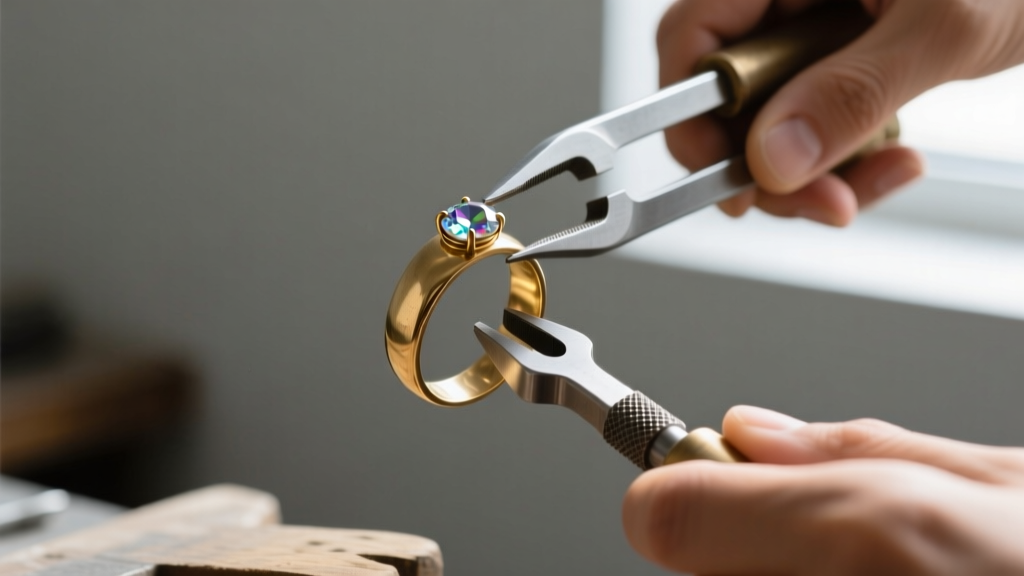
If a ring needs to be sized up and features a plain, unadorned shank (no stones set along the sides), a jeweler can use a mechanical ring stretcher. This tool uses a steel roller to compress and elongate the metal band. However, this must be done with extreme caution; if the pot metal has begun to degrade internally—a condition known as 'zinc pest'—the band will snap under pressure. Annealing (softening the metal with heat) is impossible, so the metal must be stretched incrementally in small fractions of a millimeter.
If the ring needs to be sized down, or if the shank is heavily set with stones, mechanical stretching is not an option. Instead, a jeweler must cut the band and use 'cold soldering' techniques. This involves joining the metal using a silver-loaded conductive epoxy or specialized structural acrylics that cure at room temperature. While not as strong as a metallurgical weld, cold soldering preserves the plating and the stones. Alternatively, adding a series of small sizing beads to the inner band can reduce the ring size by up to half a size without requiring any cutting or joining.
Step 4: Proper Storage to Prevent Pot Metal Rot
The longevity of vintage costume jewelry rings depends heavily on their storage environment. Base metals are highly susceptible to galvanic corrosion and atmospheric tarnishing. Never store these rings in the original PVC (polyvinyl chloride) plastic bags they may have come in from the 1960s; PVC off-gasses chemical plasticizers that will cause gold wash to peel and silver plating to turn black.
Expert Archival Tip: Store each vintage ring individually in a sealed polyethylene ziplock bag. Drop a small square of 3M anti-tarnish strip and a silica gel desiccant packet into each bag. The polyethylene is chemically inert, the anti-tarnish strip absorbs corrosive sulfur gases in the air, and the silica gel keeps the ambient humidity below 40%, effectively halting the progression of zinc pest and foil oxidation.
By understanding the unique material science behind these pieces, collectors can ensure their vintage costume jewelry rings remain wearable, structurally sound, and visually brilliant for decades to come. Whether you are acquiring a 1930s Art Deco cocktail ring or a bold 1980s statement piece, treating the base metals and faux stones with specialized care is the key to preserving fashion history.
