Essential Care and Cleaning Tips for Nipple Chain Jewelry
Learn expert cleaning and maintenance tips for nipple chain jewelry. Discover safe solutions, material care, and how to prevent tarnish and infection.


The Unique Anatomy and Vulnerabilities of Nipple Chains
When you upgrade from standard straight barbells to nipple chain jewelry, you are introducing a complex mechanical system to a highly sensitive, mobile area of the body. A typical setup involves two primary barbells—usually 14-gauge (1.6mm) or 12-gauge (2.0mm) in thickness, with lengths ranging from 5/8" to 3/4" depending on your anatomy. These barbells act as the anchor points for a delicate chain, which is often 16-gauge to 18-gauge to minimize weight and drag.
The primary vulnerability of this setup lies in the connection points. Whether your chain attaches via microscopic O-rings, jump rings, or lobster clasps, these junctions are notorious debris traps. Dead skin cells, sebum, laundry lint, and soap residue accumulate rapidly in the tiny crevices of the chain links and clasp springs. If left unmanaged, this buildup not only causes contact dermatitis and foul odors but can also lead to bacterial infections within the fistula (the piercing channel). According to the Association of Professional Piercers (APP), consistent and proper aftercare is the single most critical factor in preventing long-term complications with complex intimate jewelry.
Daily Maintenance vs. Weekly Deep Cleaning
Maintaining pristine nipple chains requires a two-tiered approach: a quick daily refresh and a meticulous weekly deep clean. Because the chest area is prone to sweating and friction from clothing, a passive approach to hygiene will quickly result in tarnished metals and irritated piercings.
The Daily Wipe-Down Protocol
After showering or exercising, your chains need immediate attention. Avoid using standard bath towels to dry the area, as the loops in terry cloth can easily catch on the chain links, causing painful micro-tears to the piercing site. Instead, use a piece of non-woven sterile gauze or a disposable paper towel to gently pat the area dry. Follow this by spraying a liberal mist of 0.9% sterile saline wound wash (ensure it contains no additives or preservatives) directly onto the chain and the entry/exit points of the piercing. Allow it to air dry or use a hair dryer on the "cool" setting from a safe distance.
The Weekly Deep Soak
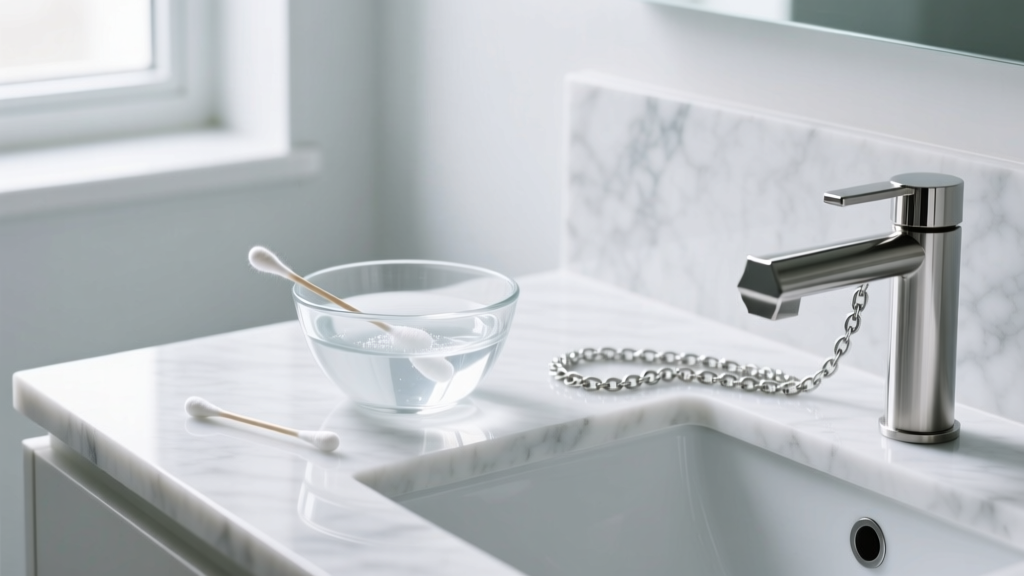
Once a week, your nipple chain jewelry requires a deep clean to dissolve hardened sebum and environmental pollutants. Fill a small, clean glass shot glass or a dedicated jewelry cleaning bowl with warm water and a single drop of unscented, dye-free castile soap (such as Dr. Bronner’s Baby Unscented). Submerge the chain area by leaning forward, or use a saturated cotton swab to gently work the soapy solution into the lobster clasps and jump rings. Rinse thoroughly with distilled water to prevent hard water mineral deposits from dulling the metal's finish.
Material-Specific Maintenance Guide
Not all metals react to the body's natural pH and sweat composition in the same way. The APP Jewelry Materials Guide heavily emphasizes the importance of using biocompatible metals for long-term wear. Below is a breakdown of how to care for the specific materials commonly used in high-end intimate chains.
| Material Grade | Best Cleaning Agent | What to Strictly Avoid |
|---|---|---|
| ASTM F136 Titanium | 0.9% Sterile Saline, Mild Castile Soap | Harsh alcohols, bleach, iodine |
| 14k/18k Solid Gold (Nickel-Free) | Warm water, gentle dish soap (e.g., Dawn) | Chlorine, ultrasonic cleaners (if gem-set) |
| Niobium | Sterile Saline, distilled water rinse | Acidic cleaners that strip anodized colors |
| Sterling Silver (925) | Silver polishing cloth, mild soap | Prolonged moisture, sulfur-heavy environments |
Note on Sterling Silver: While popular in fashion jewelry, sterling silver contains copper, which reacts with the sulfur in human sweat to create silver sulfide (tarnish). For nipple chains that sit close to the skin and trap heat, sterling silver will tarnish rapidly and can cause argyria (a permanent gray staining of the skin). We strongly recommend upgrading to solid 14k gold or implant-grade titanium for intimate wear.
Troubleshooting: Tangles, Snags, and the Cheese-Cutter Effect
The most dangerous aspect of wearing nipple chain jewelry is the risk of snagging. Because the chain connects two independent piercings, any sudden pull on the chain transfers kinetic energy directly to the fistulas. This can result in the "cheese-cutter effect," where the jewelry slowly or suddenly migrates through the tissue, causing severe scarring and rejection.
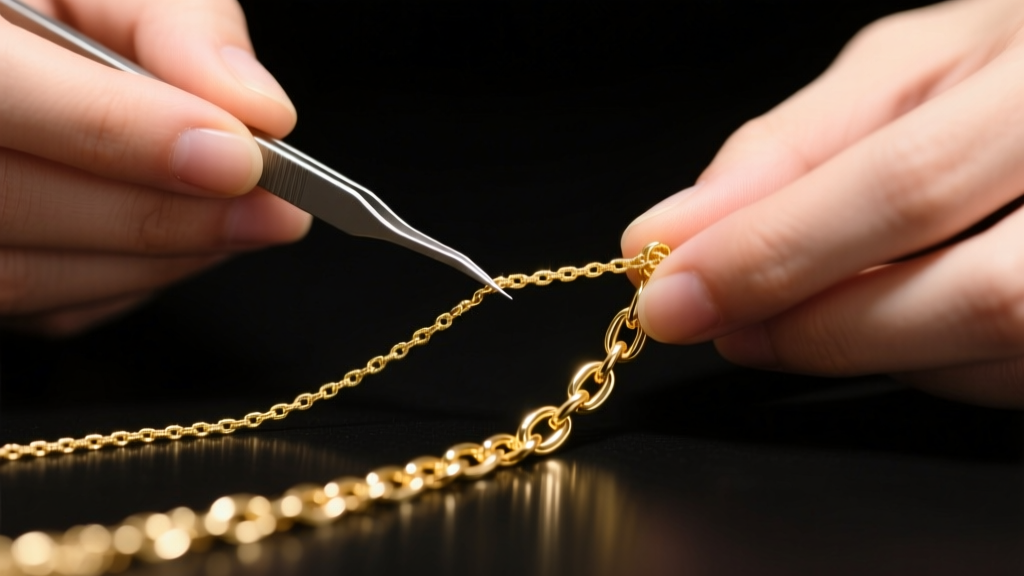
- Managing Tangles: Fine body chains easily knot when removed. Never pull a knot tight. Lay the chain flat on a hard surface, apply a microscopic drop of baby oil or water-soluble lubricant to the knot, and use two fine-point jewelry pins or sewing needles to gently tease the links apart.
- Clothing Snags: Lace bras, loose knits, and rough towels are the enemies of nipple chains. If you must wear these fabrics, use a seamless, tight-fitting cotton bralette or silicone nipple covers over the jewelry to create a smooth barrier.
- Sleeping Hazards: We highly recommend removing connected chains before sleep. The friction of tossing and turning can twist the chain, wrapping it around the barbell and applying sustained, asymmetrical pressure to the healing or healed tissue.
Advanced Cleaning: When to Use an Ultrasonic Cleaner
If you own a high-quality, solid metal chain without any gemstone inlays, an ultrasonic jewelry cleaner is a game-changer for maintenance. These devices use high-frequency sound waves to create microscopic cavitation bubbles in a cleaning solution, which effectively blast sebum and lint out of the tiny chain links and clasp springs that manual scrubbing cannot reach.
"Ultrasonic cleaners are exceptional for solid titanium and plain gold chains, but they will shatter tension-set diamonds, crack opals, and dull the finish of anodized niobium. Always verify your gem settings before utilizing sonic vibration."
To use an ultrasonic cleaner safely, fill the tank with distilled water and a drop of mild jewelry detergent. Run the machine for no more than 3 to 5 minutes. Remove the chain, rinse it immediately under distilled water, and dry it completely with a microfiber cloth before reattaching it to your barbells.
When to Remove Your Chains: Safety First
While the primary barbells should remain in place to keep the fistulas open, the connecting chain should be treated as an accessory rather than permanent jewelry. You should always detach the chain before swimming in pools or hot tubs (chlorine and bromine degrade metal alloys and harbor bacteria), engaging in high-impact sports, or undergoing any medical imaging procedures like MRIs. By treating your nipple chain jewelry with clinical precision and respecting the mechanical limits of the setup, you ensure your piercings remain healthy, comfortable, and beautifully adorned for years to come.


