16 vs 18 Necklace: Budget, Value, and Cost Comparison
Discover the true cost differences in a 16 vs 18 necklace. We analyze metal weight, pricing, and long-term value to help you choose wisely.

The Core Difference: Metal Weight and Base Pricing
When shopping for fine jewelry, the decision between a 16-inch and an 18-inch chain is rarely just about aesthetics; it is fundamentally a financial calculation. The debate over a 16 vs 18 necklace hinges on precious metal weight, manufacturing labor, and long-term versatility. Because fine chains are priced primarily by their raw material mass, those extra two inches represent a 12.5% increase in physical metal. According to the Gemological Institute of America (GIA), the purity and density of the alloy directly dictate how this length increase impacts the final retail price.
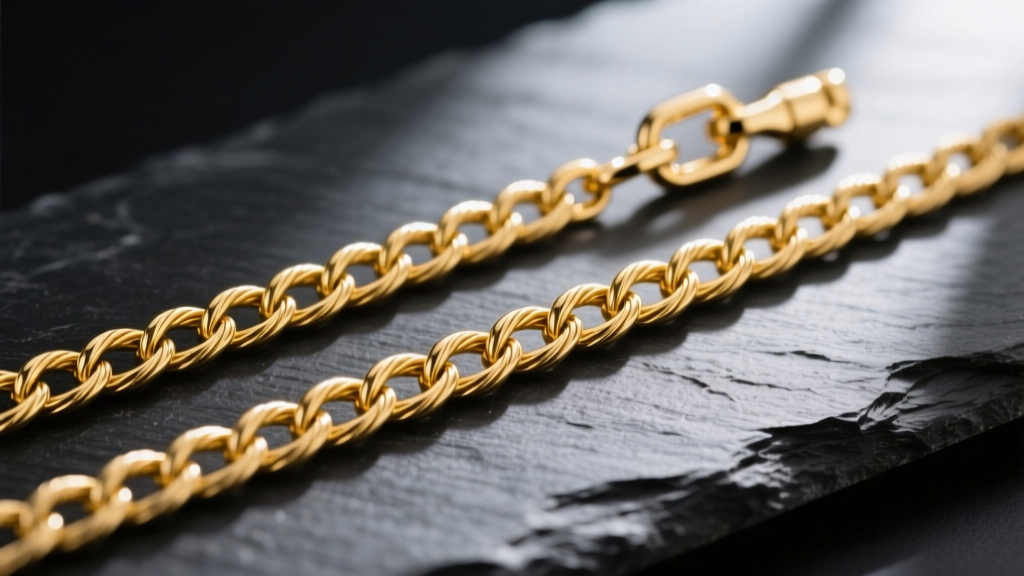
For example, a standard 1.2mm 14k solid gold cable chain weighs approximately 1.8 grams at 16 inches. When extended to 18 inches, that same chain weighs roughly 2.05 grams. While a 0.25-gram difference sounds negligible, the precious metals market operates on tight margins. With gold prices fluctuating based on global spot markets tracked by authorities like Kitco, that fractional weight increase translates to a noticeable bump in the manufacturer's base cost, which is then multiplied by the jeweler's retail markup (typically ranging from 2.5x to 5x the melt value).
Cost Breakdown: 16-Inch vs 18-Inch Chains
To truly understand the budget implications, we must look beyond the sticker price and examine the cost-to-weight ratio across different metals. Sterling silver behaves very differently from 14k or 18k gold in the sizing market. Because silver is relatively inexpensive per gram, the price difference between a 16-inch and 18-inch silver chain is largely driven by the labor required to assemble and polish the extra links, rather than the raw material. Gold, however, scales aggressively with length.
| Material & Chain Style | 16-Inch Weight | 18-Inch Weight | Avg. Retail Price Gap |
|---|---|---|---|
| Sterling Silver (1.2mm Cable) | 1.6g | 1.8g | $8 - $15 |
| 14k Yellow Gold (1.2mm Cable) | 1.8g | 2.05g | $45 - $85 |
| 14k White Gold (1.5mm Rope) | 2.4g | 2.7g | $70 - $120 |
| 18k Solid Gold (2.0mm Box) | 4.1g | 4.6g | $150 - $250 |
Note: Pricing gaps are estimates based on standard retail markups for fine jewelry and do not include brand premiums or custom designer fees.
The Value Proposition: Versatility and Cost-Per-Wear
Budgeting for jewelry isn't just about the initial outlay; it's about the return on investment (ROI) through wearability. Jewelers of America frequently notes that consumers maximize their jewelry budgets by selecting pieces that integrate seamlessly into their daily wardrobes. This is where the 16 vs 18 necklace comparison shifts from raw metallurgy to practical fashion economics.
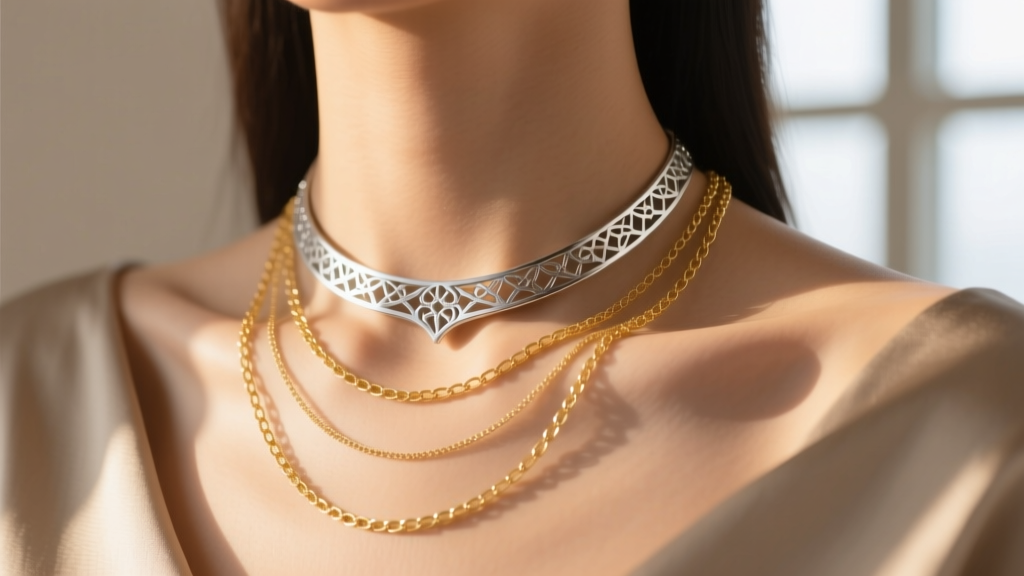
The 16-Inch Choker/Collarbone Fit
- Best For: V-necks, scoop necks, off-the-shoulder tops, and formal evening wear.
- Limitations: Often hidden by standard crew-neck t-shirts or buttoned collared shirts.
- Value Assessment: If your wardrobe consists mainly of open-necklines or you are buying a statement pendant meant to sit high on the chest, the 16-inch length offers superior visual impact for a lower upfront cost.
The 18-Inch Princess Fit
- Best For: Almost all necklines, including crew necks, turtlenecks (when layered), and business casual blouses.
- Limitations: Can sometimes get lost in deep, plunging necklines where a longer 20-inch or 24-inch chain would be more appropriate.
- Value Assessment: The 18-inch length is the undisputed workhorse of the jewelry box. Despite the 12.5% premium in material costs, the cost-per-wear drops significantly because you will likely wear it 30% to 40% more often than a restrictive 16-inch chain.
Hidden Costs: Sizing Adjustments and Hardware
One of the most overlooked aspects of the 16 vs 18 necklace debate is the secondary market of alterations. Buying the wrong size and attempting to fix it later introduces hidden costs that can instantly erase any initial savings you gained by opting for the shorter, lighter chain.
The Cost of Extenders and Shortening
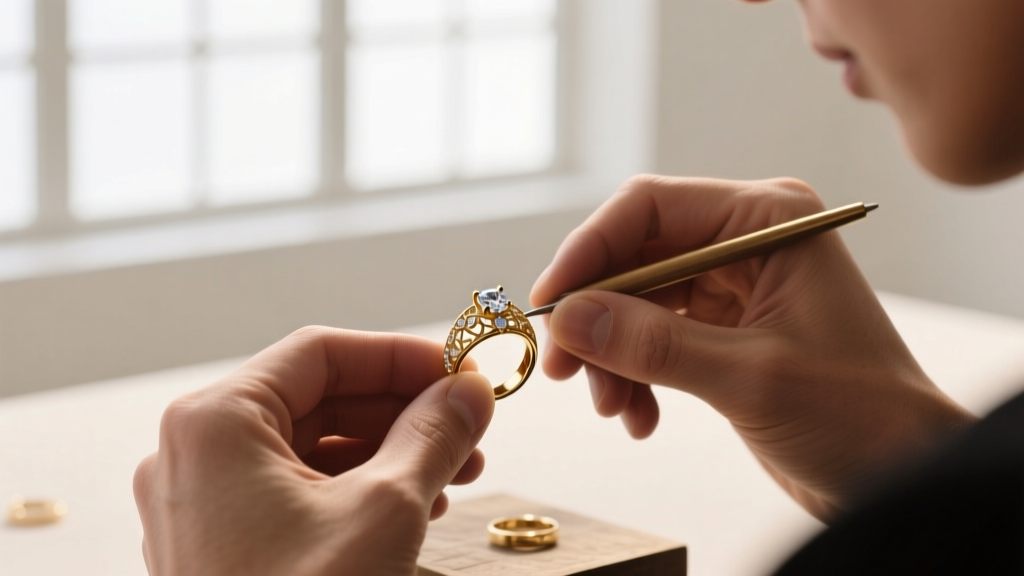
If you purchase a 16-inch gold chain and later realize it sits too tightly against your collarbone, you will need to add an extender. A solid 14k gold 2-inch chain extender, including the labor to solder the jump ring and attach a new lobster clasp, typically costs between $35 and $60 at a local bench jeweler. Conversely, shortening an 18-inch chain to 16 inches requires a jeweler to cut the links, re-solder the end ring, and polish the joint. This labor usually runs $20 to $45. Therefore, buying the correct length upfront is almost always the most budget-friendly strategy.
Clasp Upgrades and Hardware Weight
Longer chains require heavier, more secure clasps. An 18-inch 14k gold box chain might necessitate a larger, sturdier lobster clasp compared to a 16-inch version of the same chain to maintain proper balance and prevent the clasp from sliding to the front of the neck. This hardware upgrade adds an extra 0.2 to 0.4 grams of gold to the total piece, further widening the price gap between the two lengths.
Final Verdict: Which Length Maximizes Your Budget?
Ultimately, choosing between a 16-inch and 18-inch necklace requires balancing your immediate budget constraints against your long-term styling needs. If you are buying in sterling silver, the price difference is negligible (often under $15). In this scenario, the 18-inch length is the clear winner for value, offering maximum versatility for a marginal increase in cost.
However, if you are investing in solid 14k or 18k gold, the price gap can exceed $100 or even $200 for thicker chain styles. If your budget is strictly capped, the 16-inch chain allows you to afford a higher quality metal, a thicker gauge, or a more intricate pendant design without breaking the bank. Just be mindful of your wardrobe's necklines to ensure the shorter length won't spend most of its life hidden inside your jewelry box.


