Styling an 18 in Necklace on Man: Budget & Value Guide
Discover the true value of an 18 in necklace on man. We break down material costs, fit proportions, clasp durability, and budget tiers.

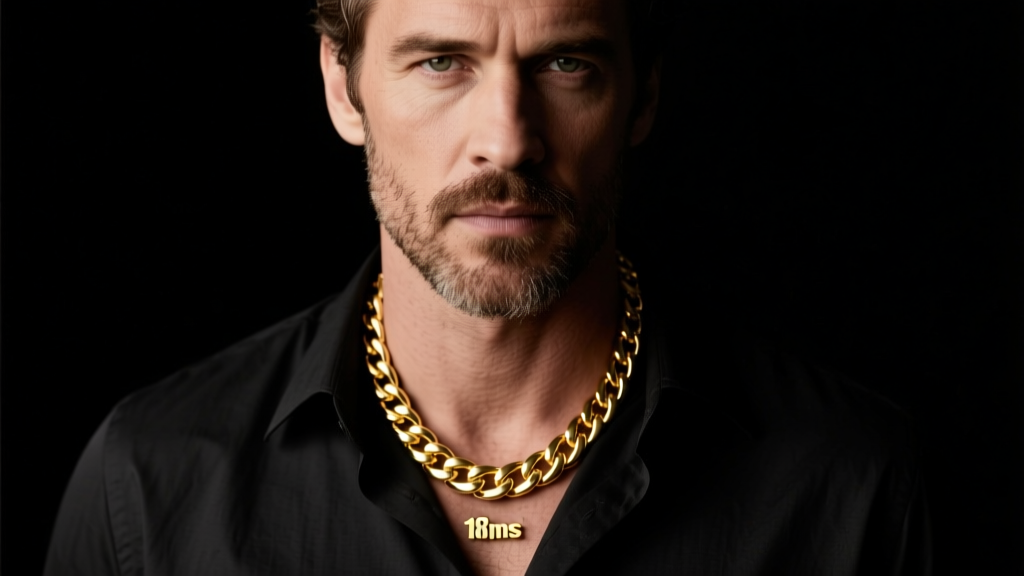
The landscape of men's jewelry has evolved dramatically, moving past the era of exclusively long, oversized pendants. Today, the collarbone-grazing chain is a staple of modern menswear. However, when evaluating an 18 in necklace on man, buyers often face a complex matrix of sizing constraints, material grades, and hidden hardware costs. An 18-inch chain is not a one-size-fits-all proposition; it requires precise anatomical matching and a keen understanding of metallurgical value. This guide strips away the marketing fluff to deliver a rigorous budget and value assessment for men considering this specific, statement-making length.
The Anatomy of an 18-Inch Men's Chain: Fit and Proportions
Before allocating a budget, you must determine if an 18-inch length is physically viable for your frame. The average adult male neck circumference ranges from 15 to 17 inches. An 18-inch chain provides only 1 to 3 inches of 'ease' (the extra length that allows the chain to drape rather than choke). If your neck measures 17.5 inches or more—common among athletes, bodybuilders, or men with naturally thicker builds—an 18-inch chain will sit like a restrictive tourniquet, causing discomfort and accelerating metal fatigue at the clasp due to constant tension.
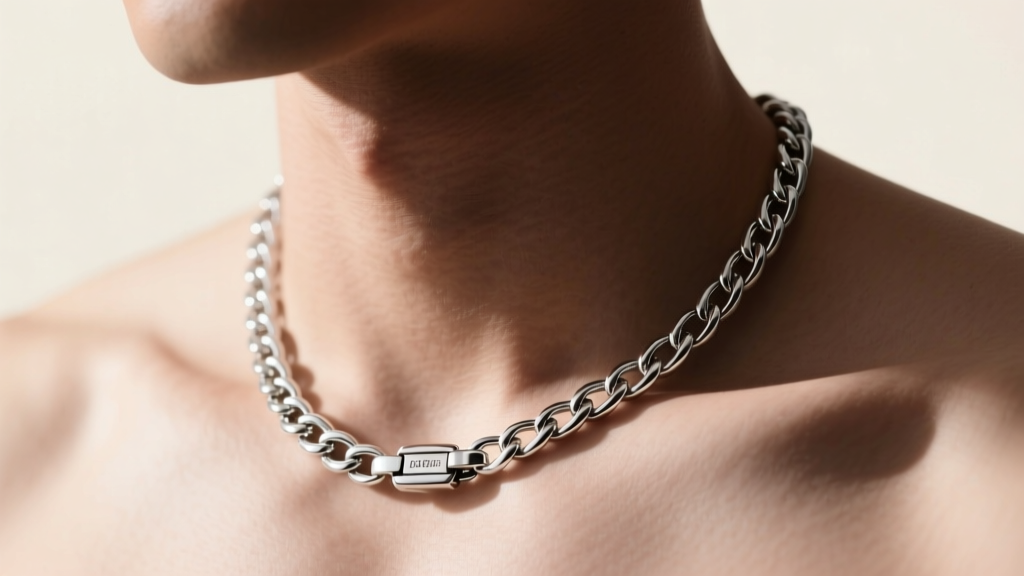
For men with a 15 to 16.5-inch neck, an 18-inch chain sits perfectly at the base of the throat or just above the collarbone, mimicking a tailored choker or a high crew-neck line. From a value perspective, the 18-inch length is highly advantageous for precious metal buyers. Because it requires 15% to 25% less raw material than a standard 22-inch or 24-inch men's chain, it serves as an accessible entry point into higher-tier metals like solid 14k gold or platinum without compromising on visual impact.
Width and Weight Ratios
Proportion is critical. At 18 inches, a chain width between 2mm and 5mm offers the best aesthetic balance. Chains exceeding 6mm in width at this short length tend to look disproportionate, resembling a dog collar rather than a refined accessory. Furthermore, a 5mm solid 18-inch Cuban link weighs approximately 18 to 22 grams, providing a satisfying, premium heft without straining the cervical spine during all-day wear.
Material Grades and True Cost Breakdown
When shopping for an 18 in necklace on man, the price variance between materials is staggering. Understanding the metallurgical reality ensures you do not overpay for plated base metals disguised as solid investments. According to the Federal Trade Commission Jewelry Guides, strict hallmarking laws dictate how metals are stamped, but understanding the underlying alloys is key to assessing long-term value.
| Material Grade | Avg. Price (18", 3mm-4mm) | Tarnish Risk | Mohs Hardness | Value Verdict |
|---|---|---|---|---|
| 316L Surgical Stainless Steel | $25 - $65 | None | 5.5 | Best budget beater; impervious to water and sweat. |
| 925 Sterling Silver (Rhodium Plated) | $80 - $180 | Moderate (if plated wears off) | 2.5 | Mid-tier luxury; requires maintenance to prevent silver sulfide tarnish. |
| 10k Solid Gold (41.7% Pure) | $280 - $450 | Low | 3.5 | High durability, lower resale value; prone to brittle snapping if thin. |
| 14k Solid Gold (58.3% Pure) | $450 - $850 | None | 3.0 | The gold standard for daily wear; excellent cost-per-wear ratio. |
| 950 Platinum | $1,200 - $2,000+ | None | 4.5 | Heirloom tier; hypoallergenic, heavy, and virtually indestructible. |
For budget-conscious buyers, 316L Stainless Steel offers unmatched ROI. It contains molybdenum, which prevents pitting from chlorides (sweat and saltwater). However, if you are seeking intrinsic value that retains resale potential, 14k Solid Gold is the optimal tier. The Gemological Institute of America (GIA) notes that 14k gold's alloy mix (typically copper and zinc) provides the perfect tensile strength for chains that rest against the high-friction zone of the collarbone.
Clasp Mechanisms and Hardware Failure Modes
A chain is only as valuable as its weakest link, which is almost always the clasp assembly. When budgeting for an 18 in necklace on man, allocate your attention to the hardware. The standard spring-ring clasp found on budget chains under $100 is a primary failure point. The internal steel spring degrades over time, and the tiny soldered jump ring connecting the clasp to the chain frequently shears under the lateral torque of an 18-inch fit, which sits tight against the neck's movement.
For chains wider than 3mm, demand a lobster claw clasp with a soldered, oversized jump ring. For premium investments (14k gold or platinum), a box clasp with a figure-eight safety catch is non-negotiable. Box clasps distribute tension evenly across the metal housing rather than relying on a single tension spring, effectively eliminating the risk of accidental unclasping and subsequent loss of your investment.
Assessing Cost-Per-Wear and Longevity
True value in men's jewelry is calculated through the Cost-Per-Wear (CPW) metric. A $40 stainless steel chain that turns your neck green due to a hidden copper core and breaks after three months has a terrible CPW. Conversely, a $600 solid 14k gold 18-inch Figaro chain worn daily for five years costs roughly $0.32 per wear, while simultaneously acting as a liquid asset that can be pawned or melted down for its scrap gold value.
Maintenance costs must also factor into your budget. Sterling silver requires periodic polishing with a jeweler's cloth to remove oxidation, and rhodium-plated white gold or silver will require re-dipping every 12 to 18 months (costing $30-$50 per session) to maintain its bright white luster. Yellow gold and platinum, by contrast, require only occasional ultrasonic cleaning, making them vastly superior for men who prefer a 'wear and forget' lifestyle.
The Final Verdict on 18-Inch Value
An 18-inch necklace on a man is a bold, deliberate style choice that demands precise execution. If your neck circumference allows for the fit, the shortened length provides a highly cost-effective gateway into precious metals. By prioritizing 14k gold or surgical steel, insisting on soldered jump rings, and respecting the 2mm-5mm width parameters, you secure a piece that delivers exceptional aesthetic impact and undeniable long-term value.