The Ultimate AKA Necklace Buying Guide: Pearls & Pendants
Discover what to look for when buying an AKA necklace. Compare official vs. custom pearl strands, pendant materials, and lengths for sorority jewelry.

The Legacy and Appeal of the AKA Necklace
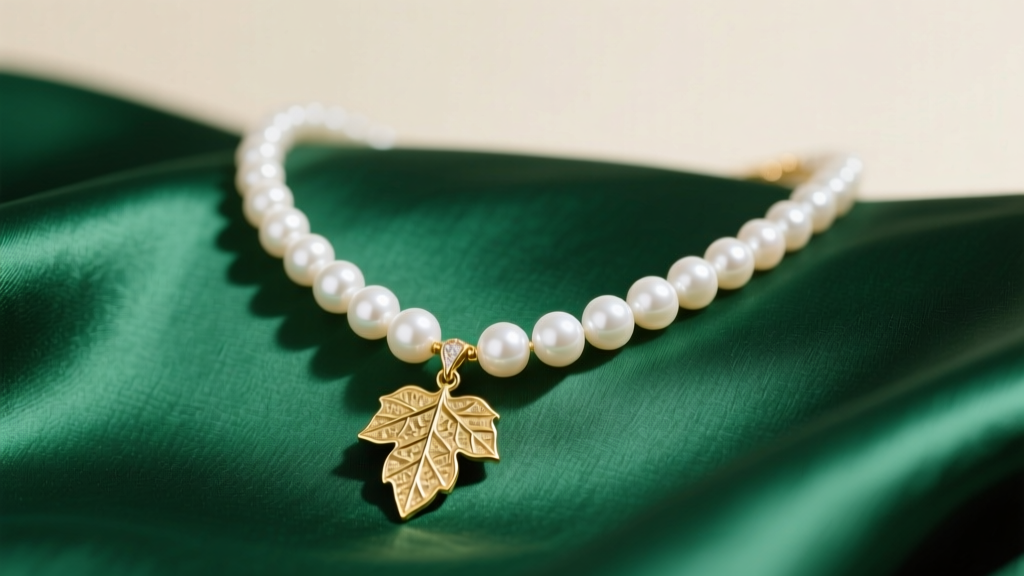
When discussing iconic Greek letter jewelry, the AKA necklace holds a prestigious and deeply personal place in the wardrobes of Alpha Kappa Alpha Sorority, Inc. members. Far more than a simple accessory, this piece of jewelry represents a lifelong commitment to scholarship, leadership, and community service. Whether you are purchasing a strand for yourself, gifting one to a neophyte, or shopping for a legacy piece for a mother or grandmother, understanding the nuances of pearl grading, metal plating, and trademark licensing is essential.
In 2026, the market for sorority jewelry has expanded significantly, offering everything from budget-friendly shell pearls to high-end cultured Akoya strands. However, this abundance also means buyers must navigate a sea of unofficial, mass-produced imitations. This comprehensive buying guide will equip you with the gemological and metallurgical knowledge needed to select an authentic, durable, and beautiful AKA necklace that honors the organization's rich heritage.
Official Licensing: Authenticity Matters
The first and most critical step in buying an AKA necklace is verifying the vendor's licensing status. The ivy leaf, the shield, and the specific Greek letters are registered trademarks. According to the Alpha Kappa Alpha Sorority, Inc. official guidelines, only authorized vendors are permitted to manufacture and sell merchandise bearing these marks.
- Licensed Vendors: Purchasing from official partners (like Jostens or the AKA Sorority store) ensures that the jewelry meets strict quality control standards and that a portion of the proceeds supports the sorority's national programs.
- Unofficial Sellers: Marketplaces like Etsy or Amazon are flooded with unlicensed sellers. While these custom strands might be cheaper, they often use inferior base metals that cause skin discoloration and lack the precise proportions of the official shield and ivy leaf designs.
Pearl Quality: Shell, Freshwater, and Akoya
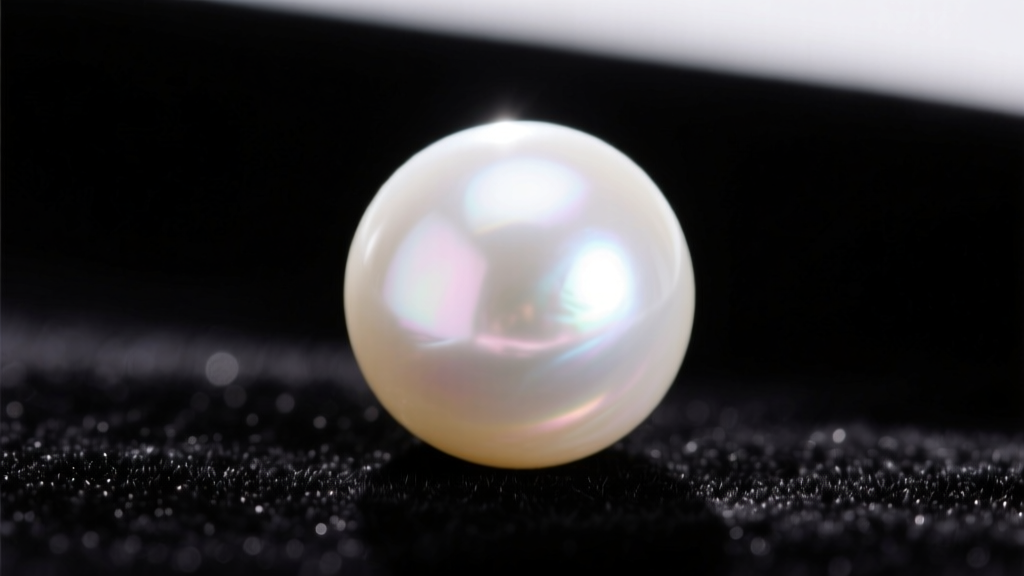
The pearls are the focal point of any AKA necklace. Traditional strands feature pristine white pearls, but the material composition drastically affects the price, luster, and longevity of the piece. The Gemological Institute of America (GIA) evaluates pearls based on size, shape, color, luster, surface quality, and nacre thickness. Here is how the three most common pearl types used in sorority jewelry compare.
| Pearl Type | Nacre Quality | Luster Profile | Avg. Price Range | Best Use Case |
|---|---|---|---|---|
| Shell Pearl | N/A (Coated Glass) | High, uniform, slightly artificial | $30 - $80 | Budget gifts, uniform aesthetic |
| Freshwater | Solid Nacre | Medium-High, soft glow | $120 - $250 | Everyday wear, authentic nacre |
| Akoya | Thick Nacre over Bead | Mirror-like, sharp reflections | $400 - $900+ | Legacy gifts, luxury events |
Why Nacre Thickness is Non-Negotiable
If you opt for bead-nucleated pearls (like Akoya), ensure the nacre thickness is at least 0.4mm. Pearls with thin nacre will eventually peel or crack, exposing the dull shell bead underneath. Freshwater pearls, being solid nacre, will never peel, making them an incredibly durable choice for daily wear, even if their perfectly round shapes are slightly harder to match.
Pendant Metals: Avoiding the 'Green Neck' Effect
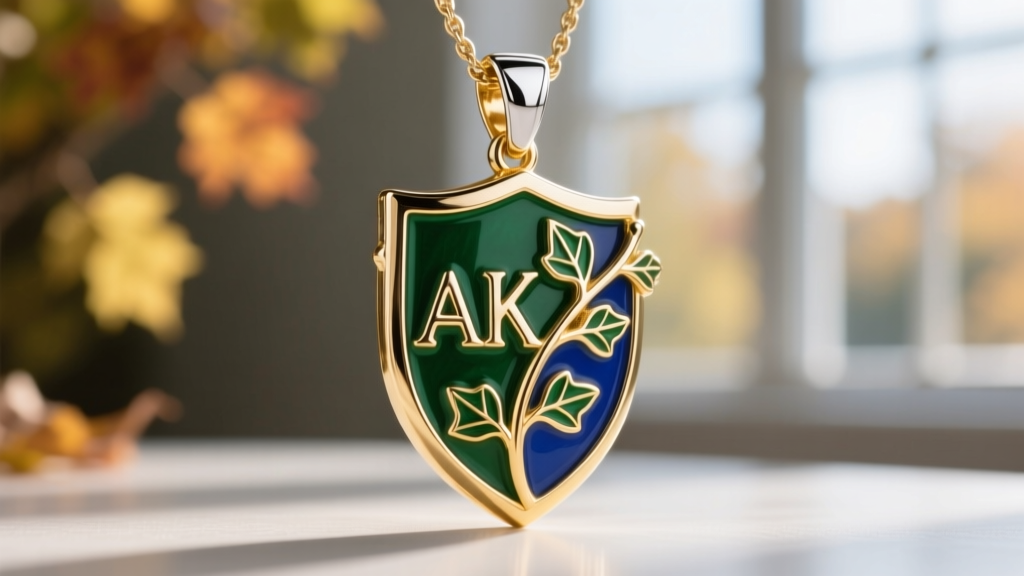
The pendant—typically featuring the AKA shield and the iconic three ivy leaves—must be crafted from metals that withstand daily exposure to skin oils, perfumes, and humidity. The most common failure point in cheap sorority jewelry is the base metal.
Base Metals vs. Precious Metals
Avoid pendants made from brass or copper alloys with a simple "gold flash" plating. Flash plating is incredibly thin (often less than 0.1 microns) and will wear off within weeks of daily wear, exposing the copper underneath. This reacts with the acidity in your sweat, resulting in the dreaded green discoloration on your neck.
Instead, look for the following specifications:
- Sterling Silver Base (.925): The gold standard for high-quality pendants. It is hypoallergenic and structurally sound.
- Gold Vermeil: If you want a gold-tone pendant, ensure it is "vermeil." This means the sterling silver base is plated with at least 2.5 microns of 10k or 14k gold, ensuring the color lasts for years without flaking.
- Rhodium Plating: For silver-tone pendants, a rhodium flash over sterling silver provides a bright, tarnish-resistant, platinum-like finish that protects the intricate enamel work on the shield.
Clasp Mechanics and Strand Durability
A necklace is only as secure as its weakest link, which is almost always the clasp. When evaluating an AKA necklace, pay close attention to the hardware.
Spring Ring vs. Lobster Claw: Most budget strands use spring ring clasps. These are inexpensive but prone to failure; the tiny internal spring can easily snap, or the small lever can get stuck open. Always upgrade to or seek out a lobster claw clasp. Lobster claws are self-closing, feature a heavier spring mechanism, and are significantly less likely to accidentally unhook when catching on a sweater or scarf.
Jump Rings: Check the jump ring (the small loop connecting the clasp to the pearl strand). It must be soldered (meaning the gap in the metal loop is fused shut). An unsoldered jump ring will eventually pull apart under the weight of the pendant, resulting in lost pearls.
Sizing and Layering Techniques
The traditional AKA pearl necklace is designed to sit elegantly on the collarbone, framing the face and complementing both professional blazers and evening wear. The two standard lengths are:
- 18-Inch Strand: The most popular choice. It rests perfectly at the base of the neck, ideal for wearing with V-neck blouses or open-collared shirts.
- 20-Inch Strand: Drops just below the collarbone. This length is preferable for those with a larger neck circumference or for wearing over high-neck sweaters and turtlenecks during the winter months.
Pro-Tip for Layering: If you plan to layer your AKA necklace with a longer gold chain or a lariat pendant, stick to the 18-inch pearl strand. This creates a visually pleasing 4-to-6-inch gap between the pearls and the secondary chain, preventing the metal from scratching the pearl nacre.
Care and Maintenance for Sorority Pearls
Pearls are organic gemstones, ranking only 2.5 to 3.0 on the Mohs hardness scale. They are highly susceptible to damage from everyday chemicals. To ensure your AKA necklace remains a lifelong heirloom, adopt the "Last On, First Off" rule. Always put your pearls on after applying perfume, hairspray, and lotions, and take them off first when you return home.
After wearing, gently wipe the pearls with a soft, lint-free microfiber cloth to remove skin oils and acidic perspiration. Never use ultrasonic cleaners or harsh jewelry dips, as these will strip the nacre and dissolve the silk thread used to knot the strand. Store the necklace flat in a soft pouch; hanging it for long periods can stretch the silk thread, creating unsightly gaps between the pearls.


