Troubleshooting Your Am Yisrael Chai Necklace: Tarnish & Chain Fixes
Fix tarnish, broken chains, and faded enamel on your Am Yisrael chai necklace. Expert troubleshooting for sterling silver and gold Hebrew pendants.

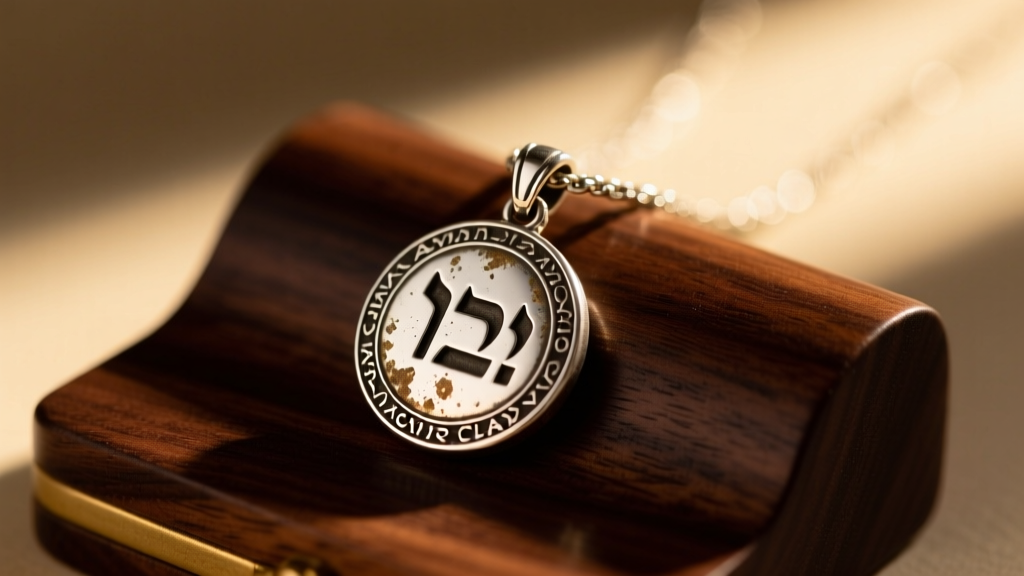
The phrase Am Yisrael Chai (The People of Israel Live) has evolved from a traditional cultural staple into a profound, everyday symbol of resilience, identity, and solidarity. Particularly surging in daily wear from 2023 through 2026, the Am Yisrael Chai necklace is no longer just reserved for holidays or ceremonial events; it is worn 24/7 as a personal anchor. However, this continuous exposure to sweat, friction, cosmetics, and environmental pollutants accelerates physical degradation.
As a senior jewelry stylist, I frequently see cherished Hebrew letter pendants suffering from preventable damage: snapped cable chains, stripped enamel, severe silver sulfide tarnish, and skin discoloration from misleading metal alloys. This comprehensive troubleshooting guide will help you diagnose, repair, and maintain your necklace so it can endure as a lasting heirloom.
Troubleshooting Metal Tarnish and Skin Discoloration
When your necklace begins to darken or leave a green/black mark on your chest, the first step is identifying the exact metallurgical failure. According to The Silver Institute, pure silver does not tarnish from oxygen; it is the copper alloy in 925 sterling silver (7.5% copper) that reacts with sulfur and moisture to create black silver sulfide.
Diagnosing the Discoloration
- Black Tarnish on Metal & Skin: This is normal silver sulfide buildup. It occurs faster in high-humidity environments or when the wearer's sweat has a higher sulfur content (often linked to high-protein diets or certain medications).
- Green Skin Staining: Your pendant or chain is not solid 925 silver or solid gold. It is likely a brass or copper base metal with a micro-thin silver or gold flash plating that has worn through, causing copper carbonate (verdigris) to form against your skin.
- Red/Itchy Rash: This indicates a nickel allergy. Many cheap, mass-produced pendants use nickel as a hardening agent or as a barrier layer beneath gold plating.
The Electrochemical Cleaning Method (Safe for Silver)
Do not use commercial liquid silver dips on your Am Yisrael Chai pendant. These dips contain thiourea, a harsh chemical that strips away the intentional antique oxidation (blackening) inside the Hebrew letters (עם ישראל חי), leaving the pendant looking flat and overly bright.
Instead, use an electrochemical reaction to convert silver sulfide back into pure silver without abrasion. Line a glass bowl with aluminum foil (shiny side up). Add one tablespoon of baking soda and a pinch of salt. Pour boiling water over the mixture, then submerge your sterling silver pendant and chain for exactly 60 to 90 seconds. The sulfur will transfer from the silver to the aluminum foil. Remove with wooden tongs, rinse in distilled water, and pat dry with a microfiber cloth.
Fixing Chain Snaps and Clasp Failures
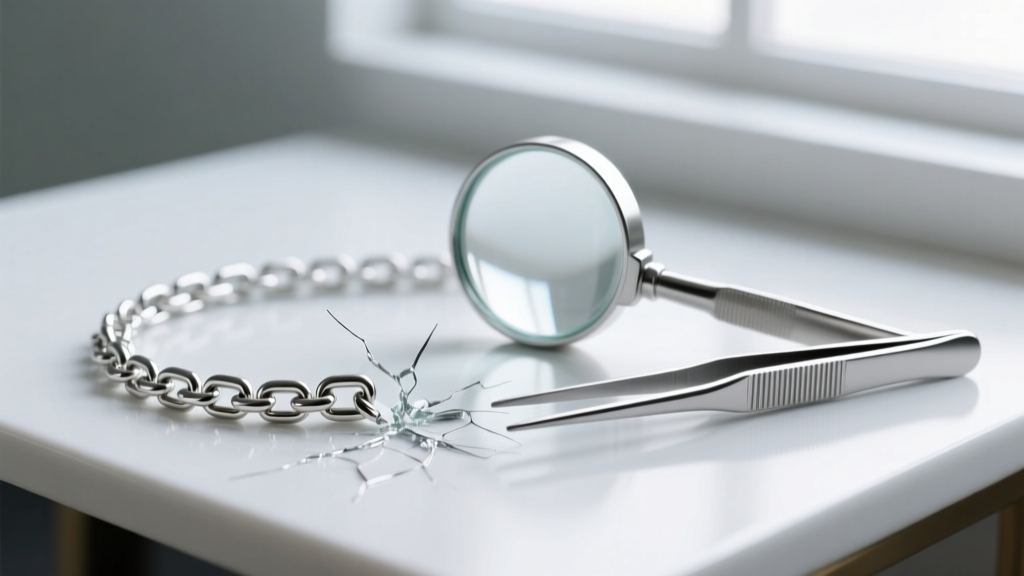
The most common structural failure I see with an Am Yisrael Chai necklace is the chain snapping at the jump ring or the clasp failing. Solid silver or 14k gold Hebrew pendants are surprisingly dense, typically weighing between 8 and 15 grams. When paired with delicate, lightweight chains, the constant kinetic friction acts like a saw against the metal.
Chain Gauge and Style Matrix
To troubleshoot a repeatedly breaking chain, you must upgrade the gauge (thickness) and the link structure. Avoid spring-ring clasps, which easily warp under the weight of a 15-gram pendant; always opt for a sturdy lobster clasp.
| Chain Type | Recommended Gauge | Durability for Heavy Pendants | Repairability |
|---|---|---|---|
| Cable Chain | 1.2mm - 1.5mm | Moderate (Links can stretch) | Easy (Standard soldering) |
| Box Chain | 1.0mm - 1.2mm | High (Geometric strength) | Difficult (Requires laser welder) |
| Wheat Chain | 1.0mm - 1.5mm | Very High (Interlocking braids) | Moderate (Links can be woven back) |
| Rope Chain | 1.5mm - 2.0mm | High (Twisted tension) | Very Difficult (Complex twist pattern) |
If your pendant's bail (the loop the chain passes through) is rubbing a groove into your chain, consider having a jeweler install a hidden diamond-cut bail liner or simply upgrade to a 1.5mm wheat chain, which offers superior tensile strength against friction.
Restoring Faded Enamel and Oxidized Hebrew Lettering
The legibility of the Am Yisrael Chai pendant relies entirely on contrast. The raised silver or gold is polished, while the recessed Hebrew letters are darkened. Over time, aggressive polishing or exposure to chlorine (from swimming pools or cleaning supplies) will strip this contrast.
Re-Antiquing with Liver of Sulfur
If your sterling silver pendant has lost its dark lettering, you can restore it using Liver of Sulfur (potassium sulfide). This is a staple in professional jewelry workshops. Dissolve a pea-sized amount of liver of sulfur gel in warm water. Dip the pendant for 10-15 seconds until the entire piece turns dark gunmetal black. Rinse immediately. Then, using a polishing cloth or a fiberglass scratch pen, gently buff only the raised, flat surfaces of the pendant. The black oxidation will remain trapped in the recessed Hebrew letters, restoring the striking vintage contrast.
Fixing Chipped Enamel
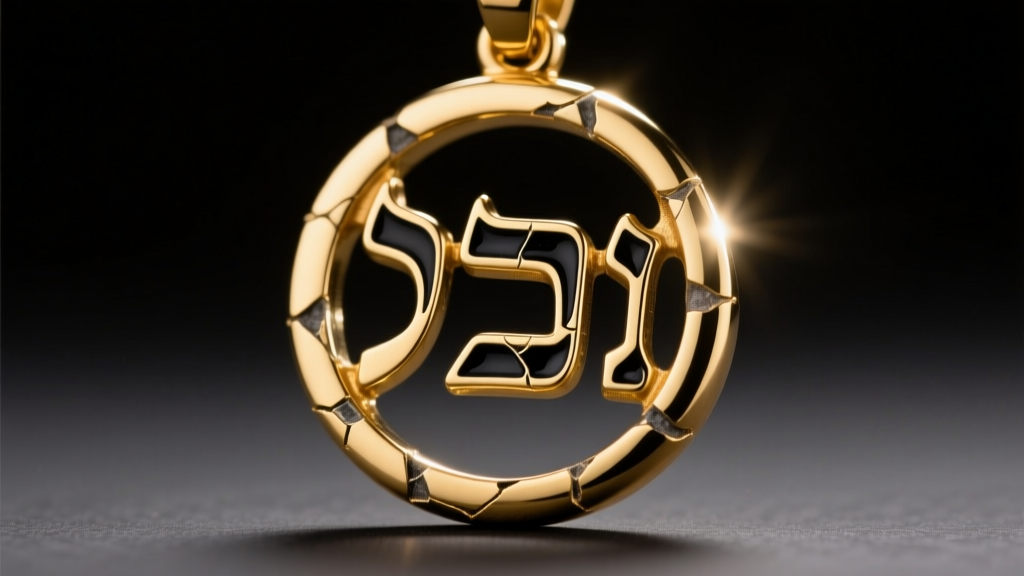
Some modern iterations of the necklace use black or blue enamel instead of oxidation. Enamel is essentially crushed glass fused to metal. If it chips, it cannot be chemically restored at home. You must send it to a specialist enamel artist who will clean the cavity, pack it with vitreous enamel powder, and fire it in a kiln at 1,400°F. For a more budget-friendly, albeit temporary fix, jewelry-grade black epoxy resin can be carefully applied with a toothpick and cured under a UV lamp.
Sourcing Replacements: Avoiding Dropship Alloys
The surge in demand for Jewish solidarity jewelry has unfortunately attracted opportunistic dropshippers selling counterfeit metals. A genuine 14k gold or 925 silver Am Yisrael Chai pendant requires a significant investment in raw materials. If you see a pendant priced under $25, it is almost certainly a zinc or brass alloy.
According to the Gemological Institute of America (GIA), true gold vermeil must consist of a 925 sterling silver base plated with at least 2.5 microns of 10k, 14k, or 18k gold. Many fraudulent listings use the term 'gold plated' over brass, which will wear through to the base metal within weeks of daily wear, leading to the green skin discoloration mentioned earlier. Always look for the '925' or '14K' stamp on the back of the pendant or on the clasp of the chain. If the stamp is missing, or looks laser-etched rather than struck with a metal hallmark punch, proceed with extreme caution.
Daily Maintenance Protocol for 2026
To ensure your necklace remains a lifelong symbol of heritage and resilience, integrate these specific maintenance habits into your routine:
- The 'Last On, First Off' Rule: Always put your necklace on after applying perfumes, lotions, and hairsprays. Alcohol and essential oils can degrade enamel and accelerate the breakdown of gold vermeil layers.
- Friction Management: If you wear your necklace while working out, the salt in your sweat combined with the friction of a cotton t-shirt acts as a mild sandpaper. Remove it before high-intensity cardio.
- Proper Storage: Do not toss your necklace into a communal jewelry box where it can tangle and scratch. Store it in an anti-tarnish cloth pouch (infused with silver guard technology) with the clasp left slightly open to prevent the chain from knotting upon itself.
For deeper historical context on the phrase itself and its enduring legacy, resources like My Jewish Learning provide excellent cultural background, reminding us why preserving the physical vessel of this message is so deeply meaningful. By treating your Am Yisrael Chai necklace with technical care and respect, you ensure that the metal remains as enduring as the sentiment it carries.


