2026 Gift Guide: How to Choose an Asymmetrical Necklace
Discover how to choose the perfect asymmetrical necklace for any occasion. Our 2026 gift guide covers materials, weight balance, and styling.
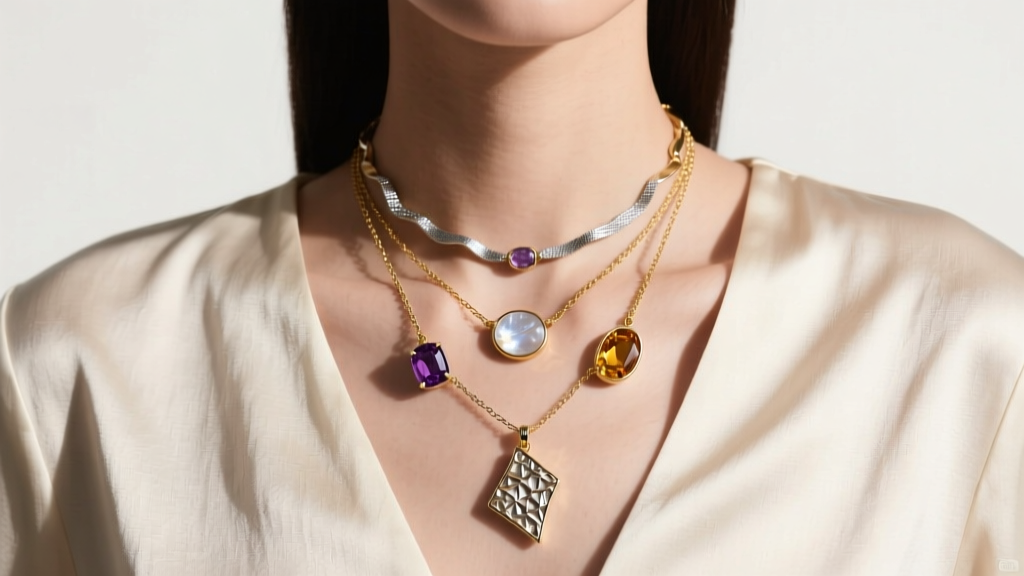

Gifting jewelry is an intimate endeavor, but finding a piece that transcends traditional tropes requires a keen eye for contemporary design. In 2026, the asymmetrical necklace has cemented its status as the ultimate gift for the fashion-forward recipient. Moving away from perfectly centered pendants and uniform chains, asymmetrical designs embrace deliberate imbalance, offering an editorial, avant-garde aesthetic that instantly elevates any wardrobe. However, buying an off-center or mismatched necklace is not as simple as picking a pretty pendant. The physics of weight distribution, the metallurgy of the chain links, and the recipient's typical necklines all play critical roles in your selection. This comprehensive guide will walk you through the engineering, styling, and occasion-matching nuances of gifting an asymmetrical necklace.
Decoding the Design: Types of Asymmetry
Before making a purchase, it is essential to understand the two primary categories of asymmetrical necklaces. The distinction dictates how the piece sits on the collarbone and how it interacts with different garments.
1. Structural Asymmetry (Mismatched Chains)
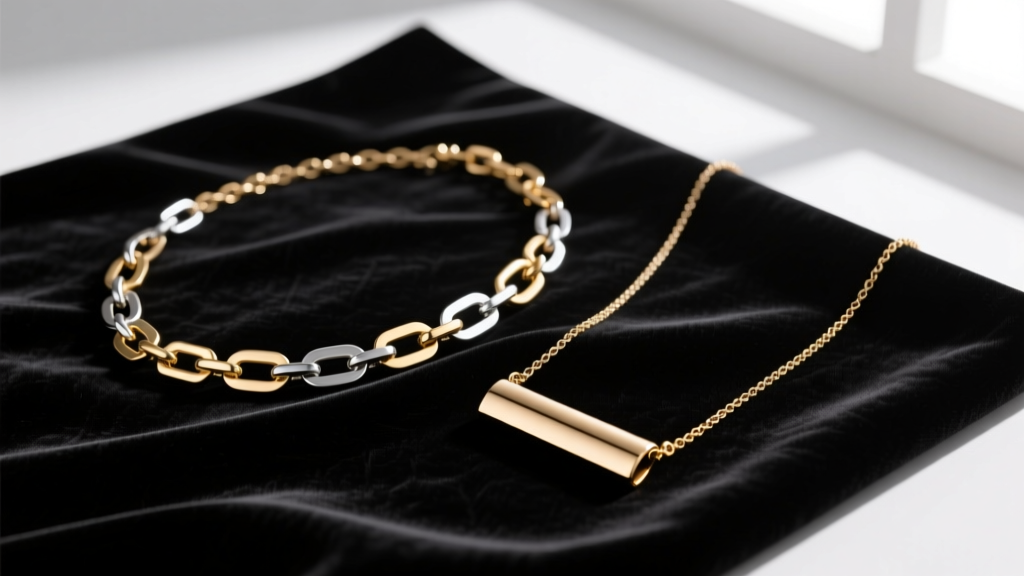
This design features a single continuous necklace where the left and right sides of the chain differ in weave, thickness, or material. A classic example is a delicate 1.2mm cable chain on the right side that abruptly transitions via a soldered jump ring into a heavy 4.0mm Cuban link on the left. This style relies on the contrast of textures and requires precise gauge matching to ensure the chain does not kink at the transition point.
2. Focal Asymmetry (Off-Center Pendants)
Here, the chain remains uniform, but the focal point—a gemstone, geometric metal shape, or sculptural element—is placed off-center. This could mean a pendant resting directly on the clavicle, or a long lariat-style drop that hangs three inches to the left of the sternum. The visual weight is entirely localized, which introduces specific engineering challenges regarding how the chain drapes.
Occasion Matching Matrix: When to Gift Which Style
An asymmetrical necklace is a bold statement, but the degree of boldness must match the recipient's lifestyle and the occasion you are gifting it for. Use the matrix below to align your gift with the wearer's primary social and professional environments.
| Occasion / Lifestyle | Recommended Style | Chain Gauge & Length | Ideal Material |
|---|---|---|---|
| Avant-Garde Wedding | Off-center pearl or diamond cluster | 1.5mm chain, 16" (Choker) | 18k Solid White Gold |
| Art Gallery Opening | Sculptural, mismatched heavy links | 3.0mm+ mixed weaves, 20" | Oxidized Sterling Silver |
| Corporate Creative | Subtle off-center geometric bar | 1.0mm box chain, 18" | 14k Yellow Gold Vermeil |
| Everyday Editorial | Dual-chain layering effect (single clasp) | Mixed 1.2mm & 2.5mm, 17" | 316L Stainless Steel / PVD |
The Engineering Challenge: Preventing the "Sliding Clasp"
The most common failure mode in poorly designed asymmetrical necklaces is the "sliding clasp" phenomenon. According to manufacturing guidelines from Rio Grande Jewelry Supply, a necklace will always seek equilibrium. If the left side of an asymmetrical necklace weighs 12 grams (due to a heavy pendant or thick chain) and the right side weighs only 3 grams, gravity will pull the heavier side down. This causes the chain to slide through the clasp, resulting in the clasp migrating from the back of the neck to the front, completely ruining the silhouette.
How High-Quality Brands Solve This:
- Counterweight Beads: Expert jewelers will solder a small, dense metal bead (often tungsten or solid gold) directly next to the clasp on the lighter side of the chain to artificially balance the weight distribution.
- Fixed-Center Soldering: Instead of allowing the pendant to slide freely on the chain, the off-center pendant is soldered directly to a specific link, and the chain is sized precisely to the wearer's neck to prevent migration.
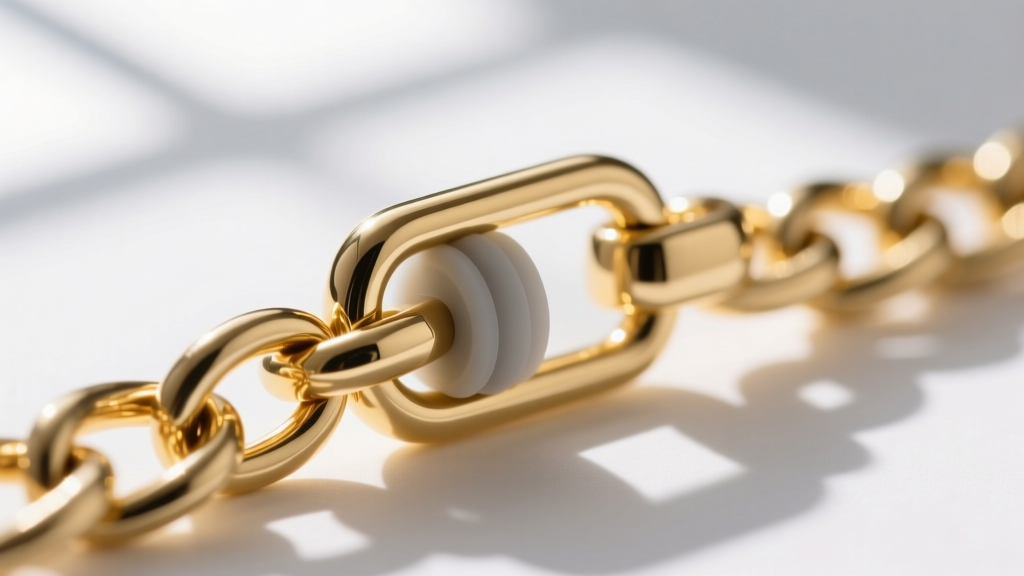
- Silicone-Lined Clasps: Modern 2026 designs often feature lobster or spring-ring clasps lined with high-friction medical-grade silicone that grips the opposing jump ring, preventing the chain from slipping through.
When inspecting a piece for gifting, gently hold it by the clasp. If the chain immediately and rapidly zips through to the heavier side without any resistance or counter-balancing, avoid purchasing it. It will frustrate the wearer.
Material Grades and Price Tiers for Gifting
The material you choose dictates not only the price but the longevity of the piece. Asymmetrical necklaces endure uneven stress at their transition points, making material integrity paramount.
Tier 1: 316L Surgical Steel & PVD Coating ($45 - $120)
For a budget-friendly but highly durable gift, 316L stainless steel is exceptional. It is hypoallergenic and possesses a high tensile strength, meaning the soldered joints between mismatched chains will not easily snap under the uneven weight distribution. Look for pieces with PVD (Physical Vapor Deposition) gold coating, which is vastly superior to traditional electroplating and will not flake off when exposed to the friction of uneven chain links.
Tier 2: 14k/18k Gold Vermeil ($150 - $350)
Vermeil requires a base of sterling silver coated with a thick layer of gold. While beautiful, be cautious of gifting vermeil asymmetrical necklaces with heavy pendants. The constant friction of an off-center weight rubbing against the collarbone can wear away the gold layer on the pendant's bail over time. Never buy brass-core "gold plated" asymmetrical pieces, as the brass will oxidize and turn the skin green where the heavy pendant rests.
Tier 3: Solid 14k/18k Gold & Platinum ($800 - $4,500+)
For milestone gifts, solid gold is non-negotiable. The Gemological Institute of America (GIA) notes that 14k gold offers the ideal balance of purity and structural hardness. Because asymmetrical necklaces rely on tension and uneven draping, 14k solid gold is less prone to bending or warping than softer 24k or 22k gold, ensuring the off-center geometry remains intact for decades.
Sizing and Neckline Pairing for the Recipient
An asymmetrical necklace requires "negative space" to be appreciated. If your recipient favors high-necked ruffled blouses, turtlenecks, or complex layered collars, an asymmetrical piece will become tangled and visually lost.
"The golden rule of gifting asymmetrical jewelry is to envision the recipient's most worn necklines. Deep V-necks, off-the-shoulder sweaters, and asymmetrical one-shoulder tops provide the necessary canvas for an off-center focal point to truly shine."
For length, the 18-inch princess length is the safest bet for gifting, as it allows an off-center pendant to rest elegantly on the upper chest without swinging too low and striking the sternum (a common issue known as the "pendulum effect" in heavy, unbalanced lariats).
Presentation and Gifting Etiquette
How you present an asymmetrical necklace is just as important as the piece itself. Because of their mismatched chains and off-center weights, these necklaces are notoriously prone to tangling in transit. Do not gift this item in a traditional hinged jewelry box where the necklace hangs from a tiny slit. Instead, opt for a flat, velvet-lined presentation insert. Fasten the clasp, lay the necklace in a deliberate circular or figure-eight pattern to preserve the intentional drape of the mismatched chains, and secure the heavier pendant with a discreet jewelry pin or adhesive dot. This ensures that when the recipient opens the box, they immediately understand the deliberate, architectural beauty of the design, rather than seeing a tangled knot of metal.


