Material Guide: Back Chain for Necklace Durability
Discover the best metals for a back chain for necklace. Compare durability, friction resistance, and skin safety for sterling silver, titanium, and gold.

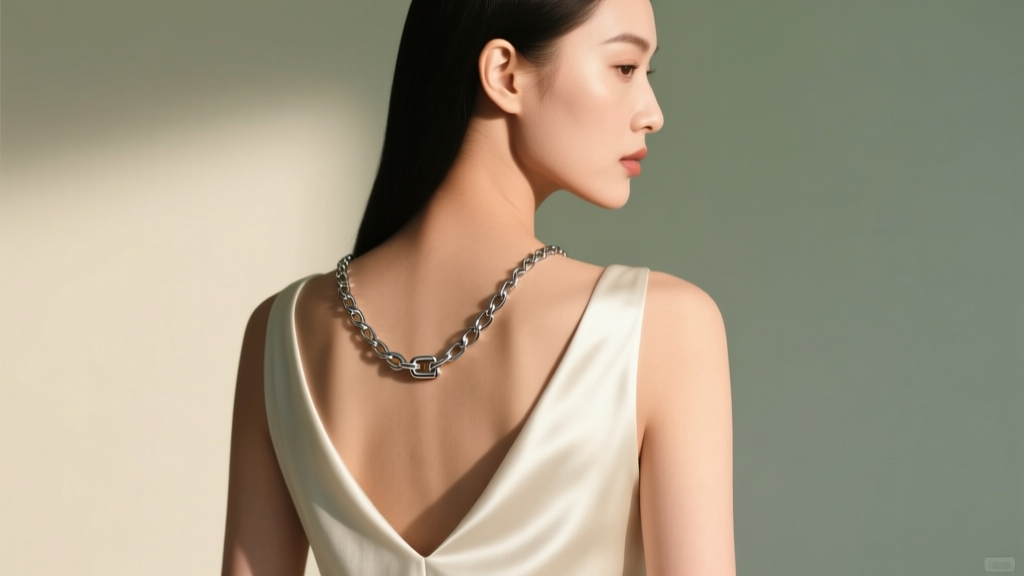
The Unique Physics of Back Chains: Why Material Matters
When styling a back chain for necklace ensembles, most consumers focus entirely on the aesthetic drape and the front pendant. However, the structural reality of a back chain—often referred to as a sweater chain, back drop, or lariat extension—presents a uniquely hostile environment for jewelry metals. Unlike a standard collarbone-length chain, a back chain spans the cervical and thoracic spine, an area characterized by high friction, frequent hair snagging, and continuous exposure to spinal perspiration.
From a metallurgical perspective, the 'whiplash effect' is the primary cause of back chain failure. When you move, the heavy front pendant acts as a pendulum, transferring sudden kinetic tension to the posterior chain links and the nape clasp. Choosing the correct metal alloy is not just about avoiding tarnish; it is about matching the metal's tensile strength and yield point to the mechanical stress of spinal draping. According to the Gemological Institute of America (GIA), understanding metal hardness and malleability is critical for predicting how a chain will withstand daily kinetic wear.
Material Comparison Matrix: Tensile Strength & Friction
Before selecting a back chain for necklace layering, it is vital to understand how different metals react to the specific stresses of back-wear. The table below outlines the core metallurgical properties relevant to posterior jewelry.
| Metal Alloy | Tensile Strength (MPa) | Tarnish Resistance | Friction Wear Profile | Best Link Style |
|---|---|---|---|---|
| CP Grade 2 Titanium | 345 MPa | Exceptional | Highly scratch-resistant | Box / Cable |
| Argentium 935 Silver | 290 MPa | Very High | Moderate (prone to micro-scratches) | Rope / Wheat |
| 14k Solid Gold | 350-500 MPa | High | Moderate (soft, can stretch) | Cable / Figaro |
| 14/20 Gold-Filled | Varies (Brass core) | Moderate | High risk of plating wear | Rope / Curb |
| 316L Stainless Steel | 485 MPa | Exceptional | Highly scratch-resistant | Box / Rope |
Deep Dive: Top Metals for Back Chains
Titanium & Niobium: The Hypoallergenic Workhorses
For individuals with sensitive skin or nickel allergies, a titanium back chain for necklace styling is the ultimate choice. Commercially Pure (CP) Grade 2 titanium is the industry standard for chain making due to its excellent balance of strength and ductility. However, for back chains subjected to heavy front pendants, Grade 5 titanium (Ti-6Al-4V) offers nearly triple the tensile strength (up to 900 MPa). The primary drawback of titanium is its inability to be traditionally soldered; if a link breaks, laser welding is required. Niobium is another excellent alternative, offering similar hypoallergenic properties with a slightly higher density, giving the back chain a more substantial, luxurious drape.
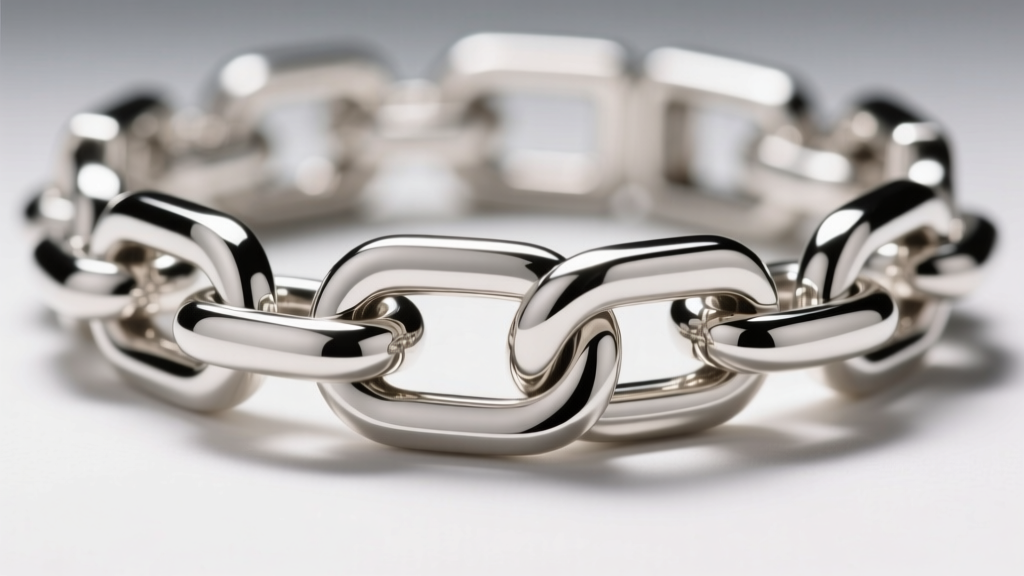
Argentium Silver vs. Standard Sterling: Tackling Spinal Tarnish
Human sweat contains urea, lactic acid, and salts, with a pH ranging from 4.5 to 7.0. When a back chain rests against the spine, it is constantly exposed to this mildly acidic environment. Standard 925 sterling silver contains 7.5% copper, which reacts with sulfur and oxygen to form black silver sulfide—a process accelerated by body heat and friction. Argentium silver, an alloy that replaces some copper with germanium, forms a transparent germanium oxide layer that virtually eliminates tarnish. For a back chain for necklace use, especially in warm climates or during physical activity, Argentium 935 or 960 is vastly superior to traditional sterling, reducing maintenance from weekly polishing to monthly wipe-downs.
Gold-Filled vs. Solid Gold: The Plating Wear-Off Risk
Gold-filled jewelry consists of a brass core mechanically bonded to an outer layer of karat gold (typically 14k). By law, 14/20 gold-filled items must contain at least 5% gold by weight. While this is significantly thicker than gold plating (which is measured in fractions of a micron), the continuous friction of a back chain rubbing against coarse fabrics like wool, or even the micro-abrasion of silk, can eventually wear through the gold layer at the high-friction points (the nape and the lower lumbar drape). If you opt for gold, a solid 14k gold back chain is recommended for longevity, as 18k or 24k gold is too soft and will suffer from link stretching under the pendulum weight of a front pendant.
Chain Link Styles and Their Impact on Material Wear
The geometry of the chain link dictates how the metal interacts with hair and clothing. When sourcing a back chain for necklace layering, consider the following structural profiles:
- Rope Chains: The twisted, helical structure of a rope chain provides the highest tensile strength and distributes kinetic tension evenly across multiple links. The smooth exterior prevents hair snagging, making it the premier choice for back chains.
- Box Chains: While visually striking and highly reflective, the sharp 90-degree interior angles of box links can trap fine hairs. Furthermore, if a box chain kinks under the weight of a heavy front pendant, the square links can permanently deform and weaken.
- Cable Chains: The classic oval link design is versatile but represents a single point of failure per link. If one oval link is subjected to lateral torque from a clothing snag, it can easily pull open unless the links are soldered shut.
Hardware and Clasp Failure Points
The clasp is the most critical failure point on any back chain for necklace configurations. Because the chain spans the back of the neck, the clasp is entirely out of the wearer's line of sight and highly susceptible to blind snagging.
Never use a magnetic clasp or a standard spring-ring clasp on a back chain. The sudden kinetic shock of a hair snag will easily pull a magnetic clasp apart, and the internal wire spring of a spring-ring clasp will permanently deform, leaving the chain stuck in the 'open' position.
Always opt for a solid lobster clasp with a stainless steel internal spring. For heavy pendant setups, a locking hook clasp or a box clasp with a figure-eight safety latch provides the necessary mechanical security to prevent catastrophic loss of the jewelry piece.
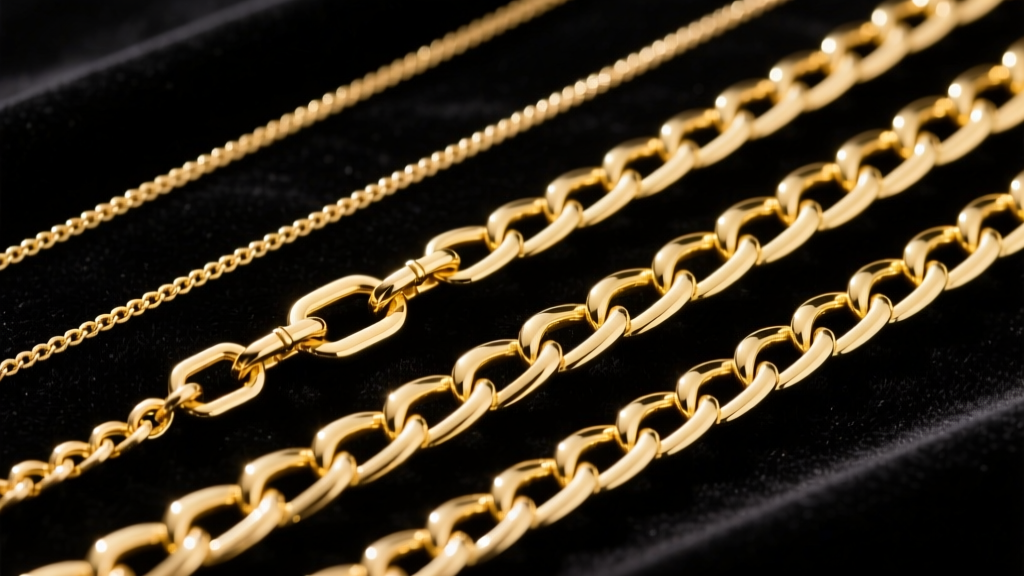
Care and Maintenance for Spine-Draped Jewelry
Maintaining a back chain requires a different protocol than standard necklaces. Because the chain is constantly exposed to sebum, sweat, and dead skin cells along the spine, microscopic debris accumulates inside the link joints. This debris acts as an abrasive paste, accelerating internal link wear.
According to Jewelers of America, regular professional cleaning is essential for longevity. For at-home care, ultrasonic cleaners are highly effective for rope and cable chains, as the cavitation bubbles dislodge debris from tight link joints. However, avoid ultrasonic cleaning for gold-filled or oxidized silver back chains, as the high-frequency vibrations can accelerate plating delamination or strip intentional antiquing. Instead, use a mild dish soap solution and a soft-bristled infant toothbrush to gently agitate the links, followed by a thorough rinse in distilled water to prevent hard water spotting.
Final Verdict: Matching Metal to Lifestyle
Selecting the right back chain for necklace styling is an exercise in balancing metallurgical science with aesthetic preference. For active lifestyles, high-sweat environments, or sensitive skin, Grade 2 Titanium or 316L Stainless Steel offer unmatched durability and zero maintenance. For formal wear and heirloom-quality draping, Argentium Silver or Solid 14k Gold in a rope or wheat link configuration will provide the necessary tensile strength while maintaining a luxurious luster. By prioritizing metal properties, link geometry, and clasp security, you can ensure your back chain remains a secure, stunning focal point for years to come.


