Baseball Player Necklace Guide: Performance Titanium & Gold Chains
Discover what makes the perfect baseball player necklace. Compare sweat-proof titanium performance gear and heavy gold chains for off-field style.

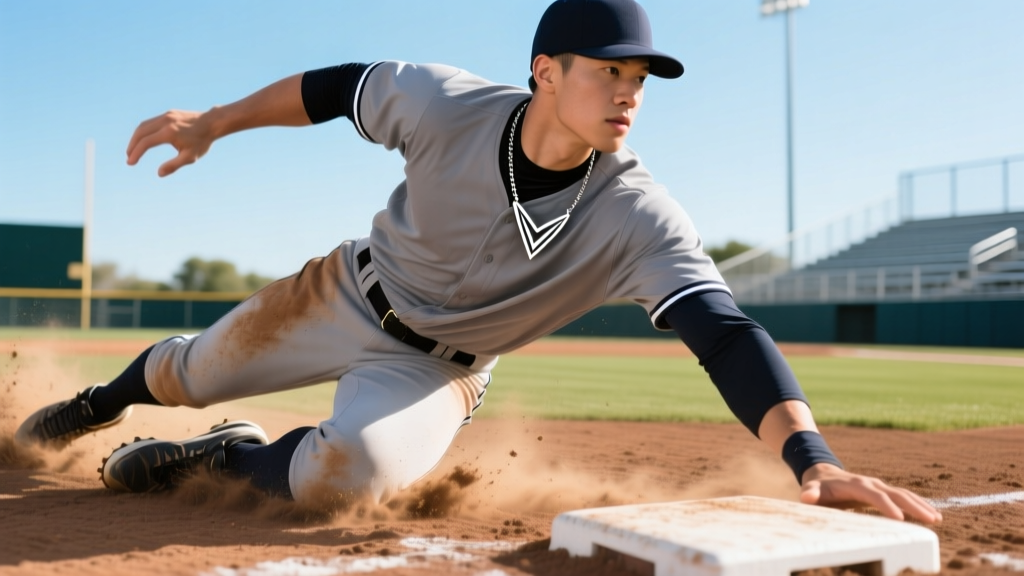
The intersection of baseball and jewelry is one of the most fascinating subcultures in professional sports. When you search for a baseball player necklace, you are actually navigating two entirely different worlds of metallurgy, purpose, and style. On one hand, you have the on-field performance and recovery gear—scientifically engineered to withstand extreme sweat, dirt, and physical impact. On the other hand, you have the off-field 'clubhouse swagger'—heavy, precious metal chains that serve as status symbols during travel days and post-game interviews.
Whether you are an active athlete looking for a sweat-proof titanium cord, or a fan wanting to replicate the exact Miami Cuban link specifications worn by your favorite slugger, this comprehensive buying guide breaks down the materials, league regulations, and structural requirements of baseball jewelry in 2026.
The Dual Identity: Performance vs. Swagger
To buy the right necklace, you must first define its environment. Baseball necklaces generally fall into two distinct categories:
- On-Field Performance & Superstition: These are lightweight, non-reflective, and designed for biomechanical recovery or religious comfort. Think Phiten aqua-titanium cords, silicone bead necklaces, and tucked-in St. Christopher medallions.
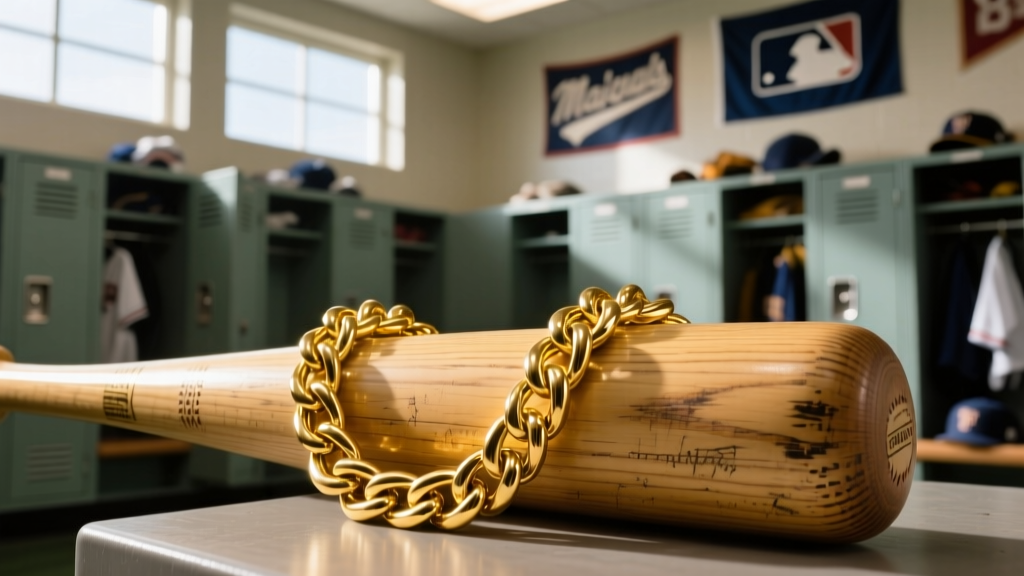
- Off-Field Status & Drip: These are heavy, high-karat gold or diamond-encrusted chains worn in the clubhouse, during travel, or at the plate during batting practice (where allowed). The classic 'baseball chain' is a thick, interlocking link designed to lay flat against the chest.
MLB Rules and Safety Regulations
Before purchasing a baseball player necklace for active gameplay, you must understand the regulatory landscape. According to the Official Baseball Rules and general MLB uniform codes, jewelry that poses a safety hazard or reflects light into the eyes of a batter or fielder is strictly prohibited. Umpires have the absolute authority to demand that any necklace be tucked securely beneath the jersey.
Furthermore, youth leagues (like Little League) and many high school federations enforce a strict 'no hard jewelry' policy on the field to prevent catastrophic snagging injuries during slides or collisions. If you are buying for an active youth or amateur player, you must prioritize breakaway clasps and soft silicone or coated titanium materials that will snap or yield under sudden tension.
Material Breakdown: Sweat, Dirt, and Durability
Baseball is a grueling environment for metals. A player's necklace is subjected to highly acidic sweat, abrasive infield dirt, and sticky pine tar. Here is how the most common materials hold up over a 162-game season.
| Material | Sweat & Tarnish Resistance | Tensile Strength | Avg. Price Range | Best Use Case |
|---|---|---|---|---|
| Grade 5 Titanium | Excellent (Impervious) | Very High | $80 - $200 | On-field performance |
| 316L Surgical Steel | Very Good (Molybdenum alloy) | High | $40 - $120 | Durable off-field chains |
| 14k Yellow Gold | Good (Requires cleaning) | Medium | $1,200 - $4,500+ | Clubhouse & travel flex |
| Sterling Silver (925) | Poor (Oxidizes rapidly) | Low | $50 - $150 | Not recommended for sports |
Notice the absence of 18k or 24k gold for active wear. According to the Gemological Institute of America (GIA), higher karat gold is significantly softer and more prone to warping, stretching, or snapping when subjected to the sudden yanks and physical contact inherent in baseball. 10k and 14k gold offer the necessary alloy hardness (mixed with zinc, copper, or silver) to survive the diamond.
Buying Guide: The On-Field Performance Necklace
If your primary goal is on-field wear, the undisputed king of the baseball player necklace is the Phiten Aqua-Titanium line. But what exactly are you buying?
Understanding Aqua-Titanium
Phiten does not use solid titanium blocks. Instead, they utilize a proprietary process that suspends microscopic titanium particles in a water-based solution (Aqua-Titanium), which is then infused into nylon, silicone, or fabric cords. Athletes wear these claiming benefits for muscle relaxation and recovery, though the primary practical benefit for a baseball player is the material's complete immunity to sweat corrosion and its featherlight weight.
What to Look For:
- The Clasp: Look for a magnetic or screw-lock clasp made of surgical steel or titanium. Avoid standard lobster clasps, which can easily catch on a jersey collar.
- The Cord: Braided nylon is standard, but if you play in extreme heat, opt for a medical-grade silicone cord. Silicone wipes clean instantly and won't absorb the bacteria and sweat that cause 'locker room neck' rashes.
- Thickness: Keep it between 4mm and 6mm. Anything thicker will feel restrictive when you are checking your shoulder for a fly ball.
Buying Guide: The Off-Field 'Baseball Chain'
When the cleats come off, the heavy metals come out. The quintessential baseball player necklace for off-field wear is the Miami Cuban Link. Unlike rope chains—which are notorious for pulling chest hair and trapping pine tar in their twisted grooves—the Miami Cuban features flat, interlocking links that lay flush against the skin and are incredibly easy to wipe down.
Specs for the Classic Player Look:
- Width: 10mm to 14mm. Anything under 8mm looks too delicate for the classic baseball aesthetic; anything over 18mm crosses into hip-hop territory and is too heavy for travel.
- Length: 20 to 24 inches. A 22-inch chain is the sweet spot for most athletes, allowing the pendant or chain to rest perfectly on the upper chest, visible above a standard crewneck t-shirt.
- Pendants: The most common additions are custom diamond-cut jersey number pendants, cross pendants, or the iconic 'baseball stitching' motif. If buying diamonds, ensure they are set in a bezel or flush setting. Prong-set stones will catch on clothing and eventually loosen during the constant movement of travel.
The Importance of the Box Clasp
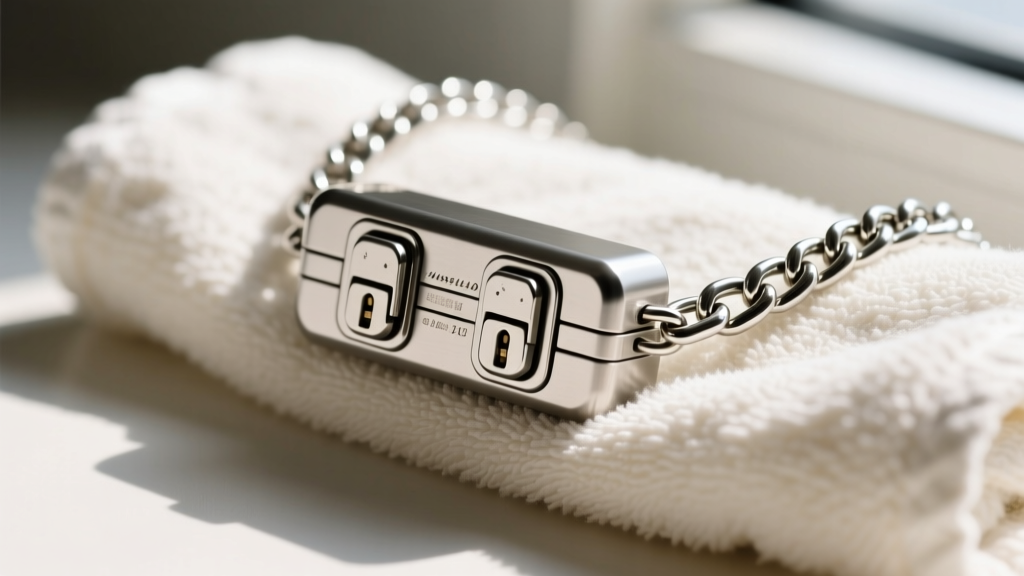
If you are investing over $1,000 in a gold or moissanite baseball chain, the clasp is the most critical point of failure. Never rely on a simple lobster clasp for a heavy chain. You must demand a Box Clasp with Double Safety Latches. The box clasp provides a secure mechanical lock, while the two hinged safety latches on the sides act as a redundant backup system. If the primary mechanism is compromised by a sudden tug, the safety latches will keep your investment tethered to your neck.
Maintenance: Cleaning Pine Tar, Sweat, and Dirt
A baseball necklace requires a rigorous cleaning protocol. Sweat is highly acidic and will degrade lower-karat gold alloys over time, while pine tar and rosin will act like glue, trapping dirt in the crevices of your chain links.
The Deep Clean Protocol:
- Degrease: For gold and stainless steel chains, mix a few drops of Dawn dish soap with warm water. Use a soft-bristle baby toothbrush to gently agitate the links. This breaks down the lipid base of pine tar and body oils.
- Ultrasonic Warning: While ultrasonic cleaners are fantastic for bare gold and steel, never use them on coated titanium, oxidized silver, or any chain with fracture-filled diamonds, as the high-frequency vibrations can shatter weakened stones or strip proprietary coatings.
- Drying: Never air-dry a thick Cuban chain; water spots will form in the tight links. Use a microfiber cloth, and for the deep crevices, use a hair dryer on the 'cool' setting to blow out trapped moisture.
Final Verdict
The ultimate baseball player necklace depends entirely on the inning. For the grind of the game, invest in a 5mm Aqua-Titanium or silicone cord with a breakaway or magnetic safety clasp. For the culture, the swagger, and the post-game press conference, a 12mm 14k gold Miami Cuban link with a double-safety box clasp is the undisputed champion of the clubhouse. Choose your metal wisely, respect the league rules, and maintain your chain to ensure it lasts from spring training to the World Series.


